Beeswax vs. Paraffin Candles: What's Actually the Difference?
Walk into any home goods store and you will find hundreds of candles. Most of them are made from paraffin wax. A smaller number are made from soy. And then there is beeswax, which is in a category of its own.
The differences are not just marketing. They are chemical, physical, and practical. Here is what you actually need to know.
What Is Paraffin Wax?
Paraffin is a byproduct of petroleum refining. It is the most common candle wax in the world because it is cheap, easy to work with, and holds fragrance well. It is also the wax most associated with soot, black residue on walls and ceilings, and the release of compounds like toluene and benzene when burned.
Most scented candles you find at mass-market retailers are paraffin-based. The fragrance oils used to scent them are often synthetic, which adds another layer of compounds to what you are breathing when you burn them indoors.
What Is Beeswax?
Beeswax is produced by honeybees and harvested from the hive. It is one of the oldest candle materials in the world, used for thousands of years before petroleum wax existed. It burns cleaner, longer, and at a higher melting point than paraffin.

The Key Differences
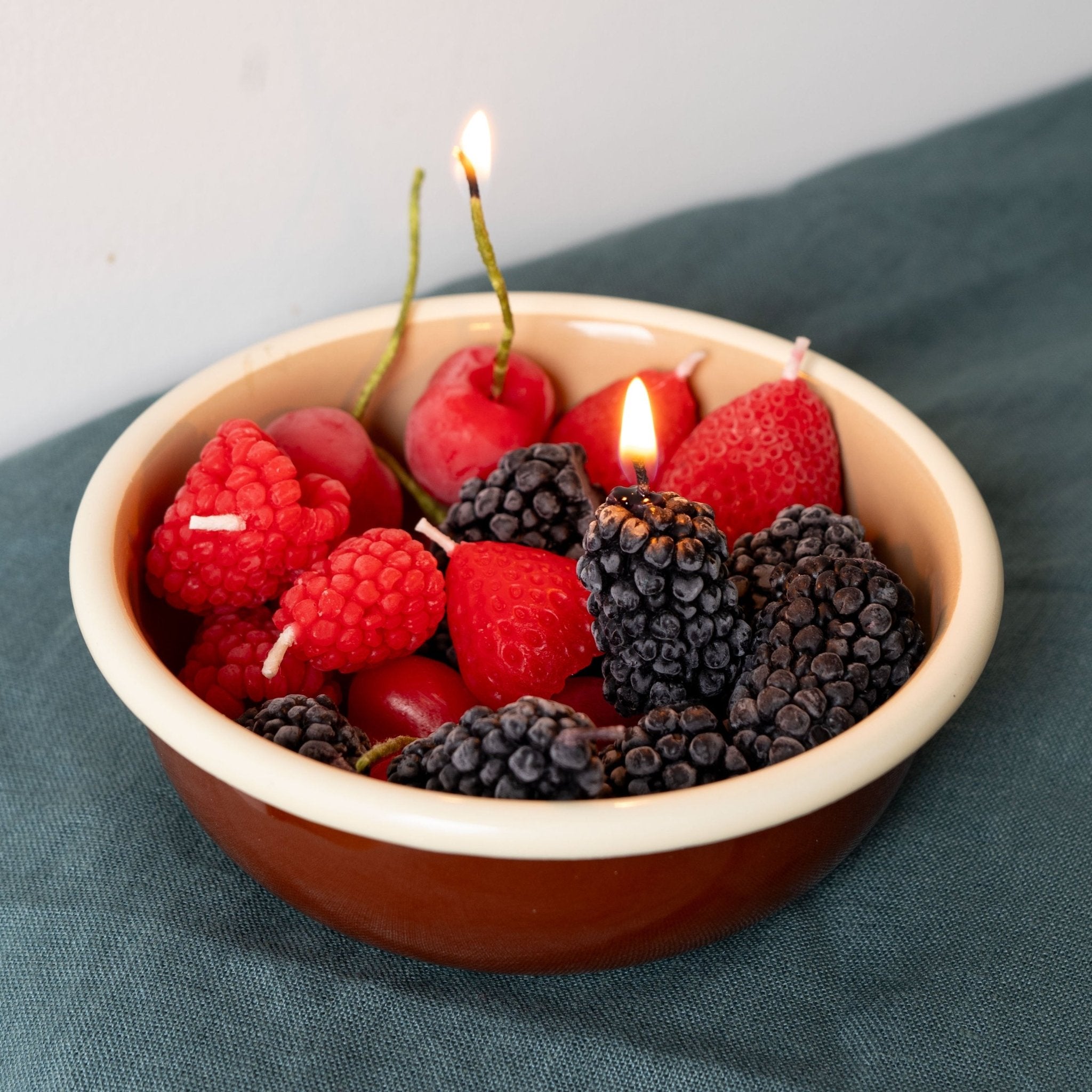
Burn cleanliness: Beeswax produces little to no soot when burned with a properly trimmed wick. Paraffin produces visible soot that can stain walls, ceilings, and soft furnishings over time.
Air quality: Beeswax candles release negative ions when burned. Negative ions bind to positively charged particles like dust, pollen, and allergens, causing them to drop out of the air. Paraffin candles release compounds that can degrade indoor air quality.
Scent: Pure beeswax has a naturally warm, subtle honey scent that comes from the wax itself, with no fragrance oils required. Paraffin candles typically rely on synthetic fragrance to smell like anything at all.
Burn time: Beeswax burns slower and cooler than paraffin, which means a beeswax candle will last significantly longer than a paraffin candle of the same size.
Cost: Beeswax is more expensive to produce than paraffin. A quality beeswax candle costs more upfront but delivers more burn hours and a cleaner experience.

What About Soy Wax?
Soy wax is a popular middle ground. It burns cleaner than paraffin and is plant-based, but it is not as clean-burning as beeswax and most soy candles still use synthetic fragrance. Soy is also almost entirely sourced from genetically modified crops, which matters to some buyers.
Beeswax remains the gold standard for clean burning, natural scent, and longevity.
What to Look for When Buying Beeswax Candles
Not all beeswax candles are created equal. Some are blended with paraffin or soy and still labeled as beeswax. Look for candles that specify 100% pure beeswax and ideally disclose where the wax is sourced.

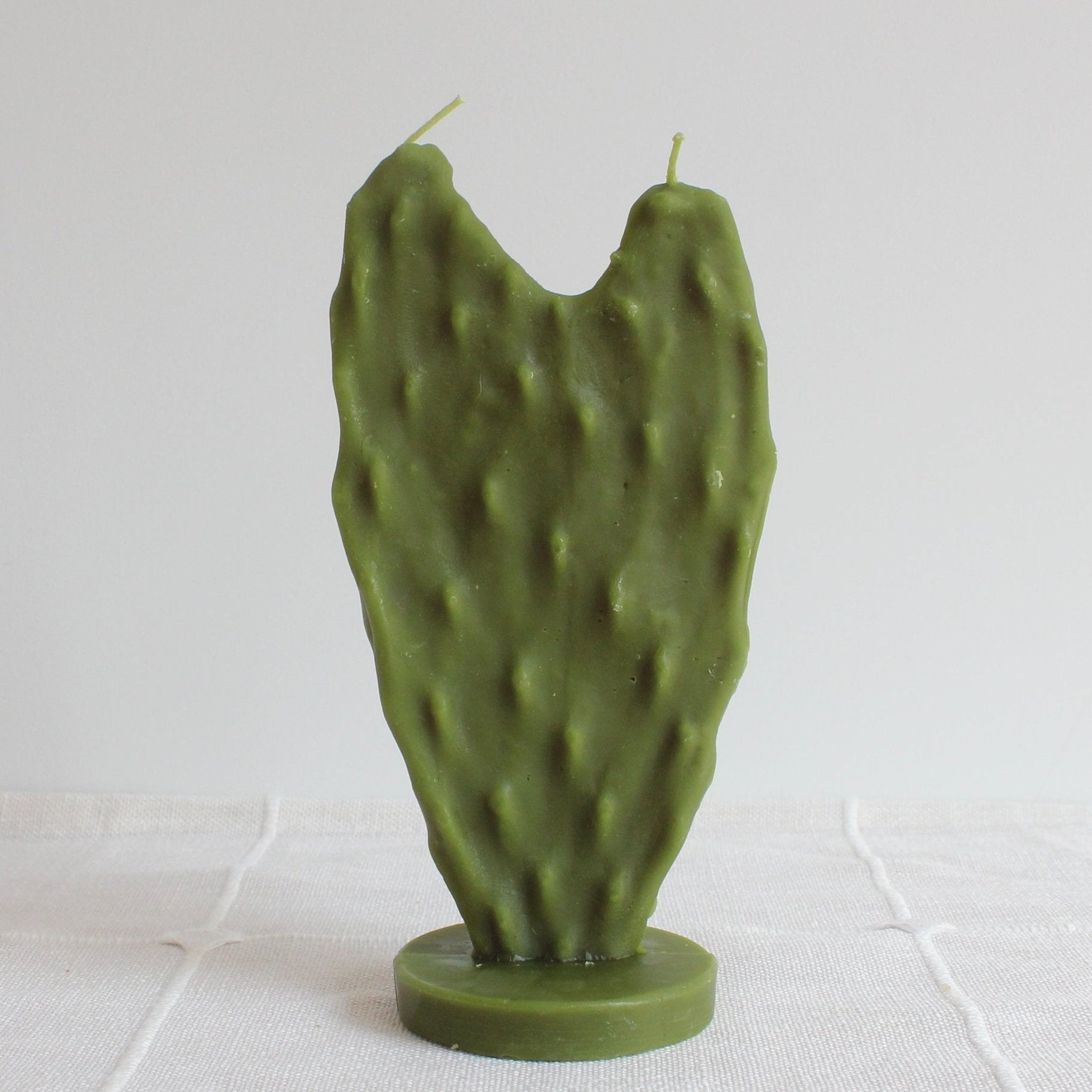
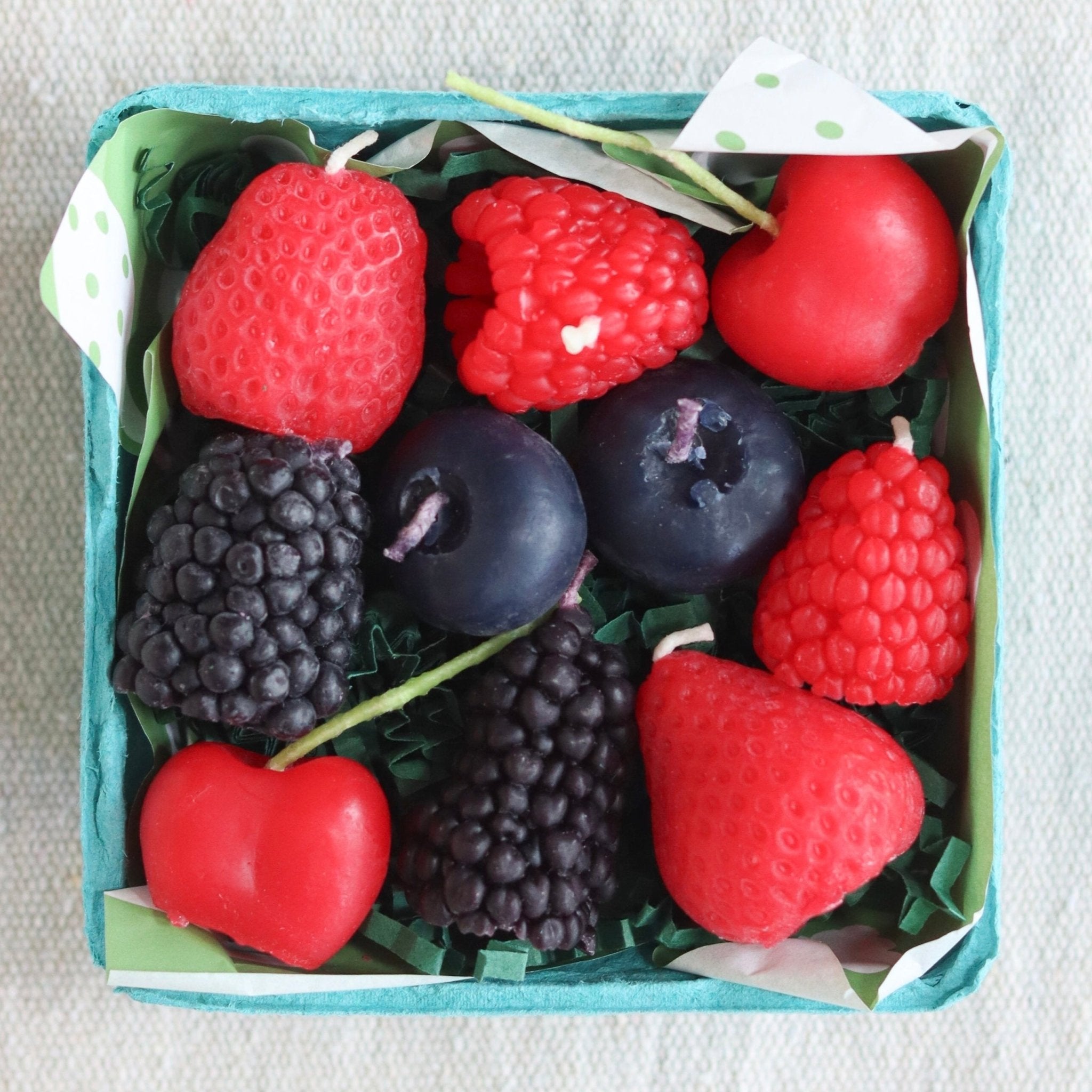
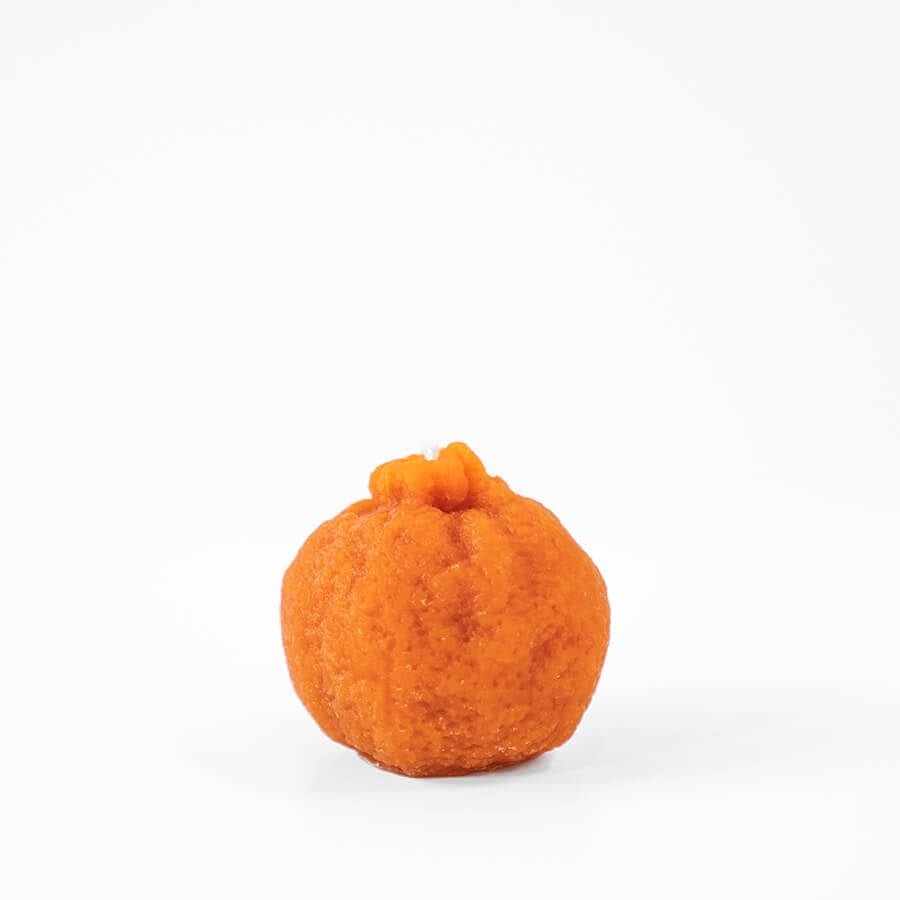
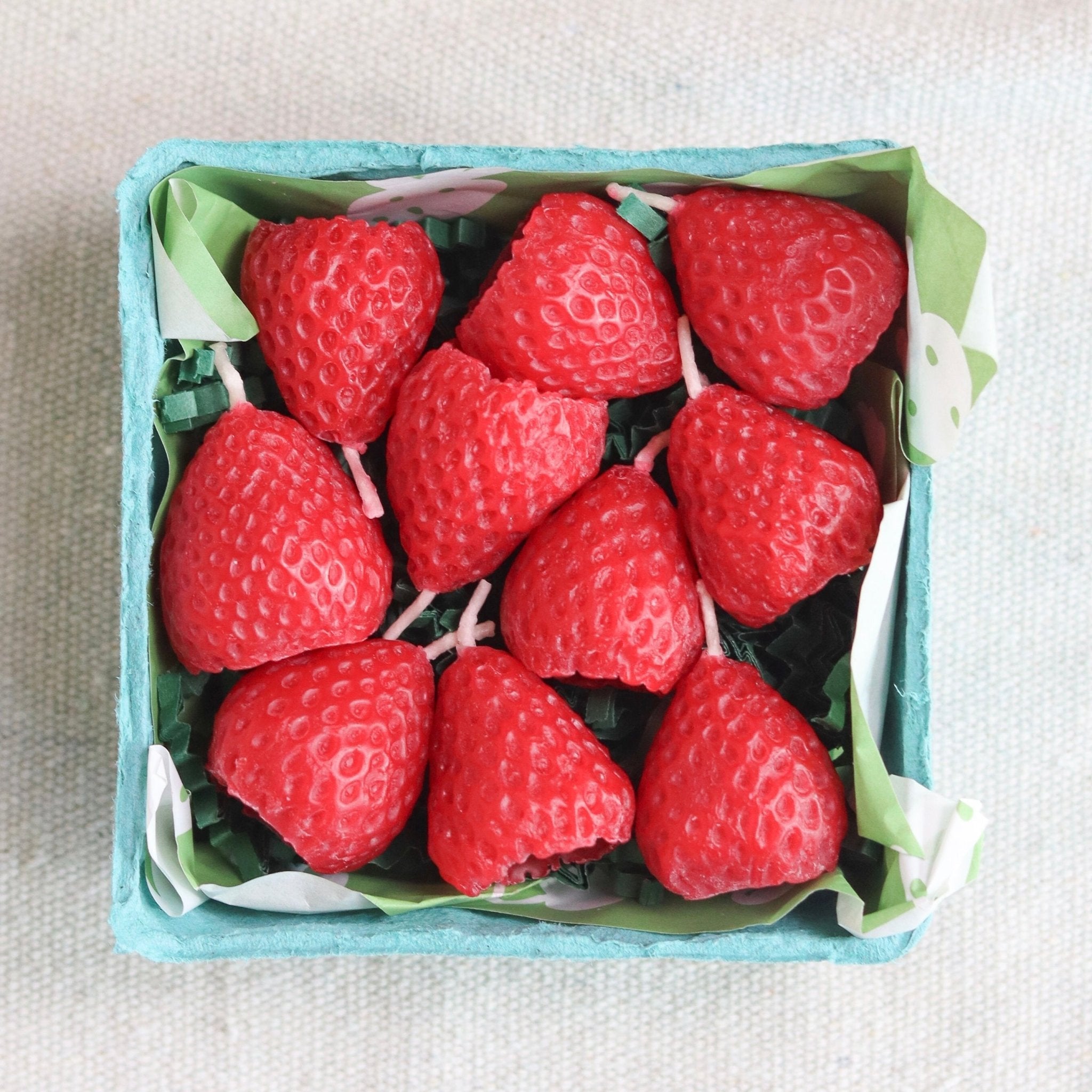
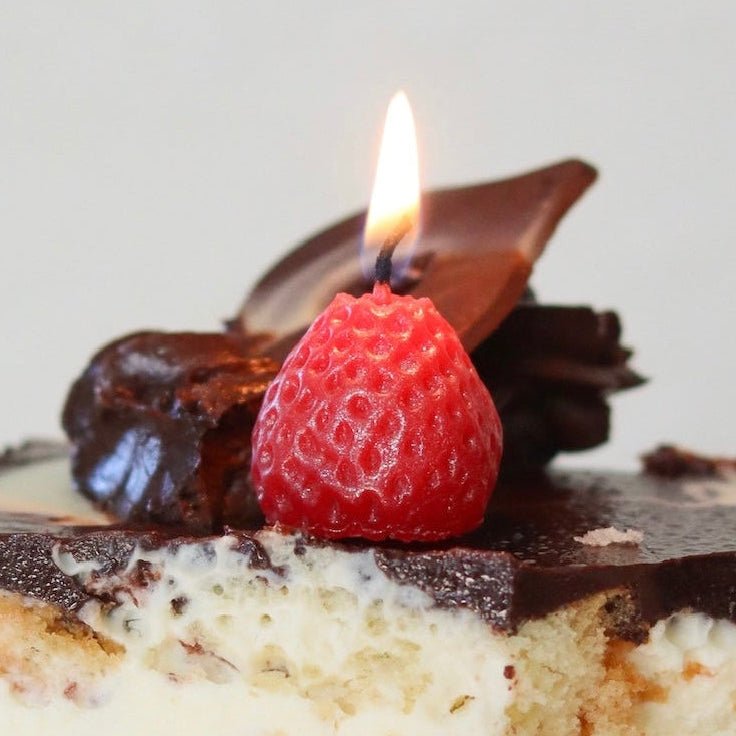
Happy Organics uses 100% pure beeswax harvested from their own family-managed hives in California's Central Valley, with no paraffin blending or synthetic additives. Every candle is hand-poured in small batches in Los Angeles.
Browse the full Happy Organics collection at Nanaka and find your next candle.