What Red Light Therapy Can Help With
- Pain relief -- red and near-infrared light penetrates deep into tissue to reduce chronic and acute pain signals
- Muscle recovery -- accelerates post-workout recovery and reduces delayed onset muscle soreness
- Inflammation reduction -- modulates inflammatory response at the cellular level
- Skin rejuvenation -- stimulates collagen production, reduces fine lines, and improves skin tone
- Joint and nerve support -- used for arthritis, neuropathy, and tendon recovery
- Mood and energy -- near-infrared light supports mitochondrial function and may improve energy and sleep quality
Brands We Carry
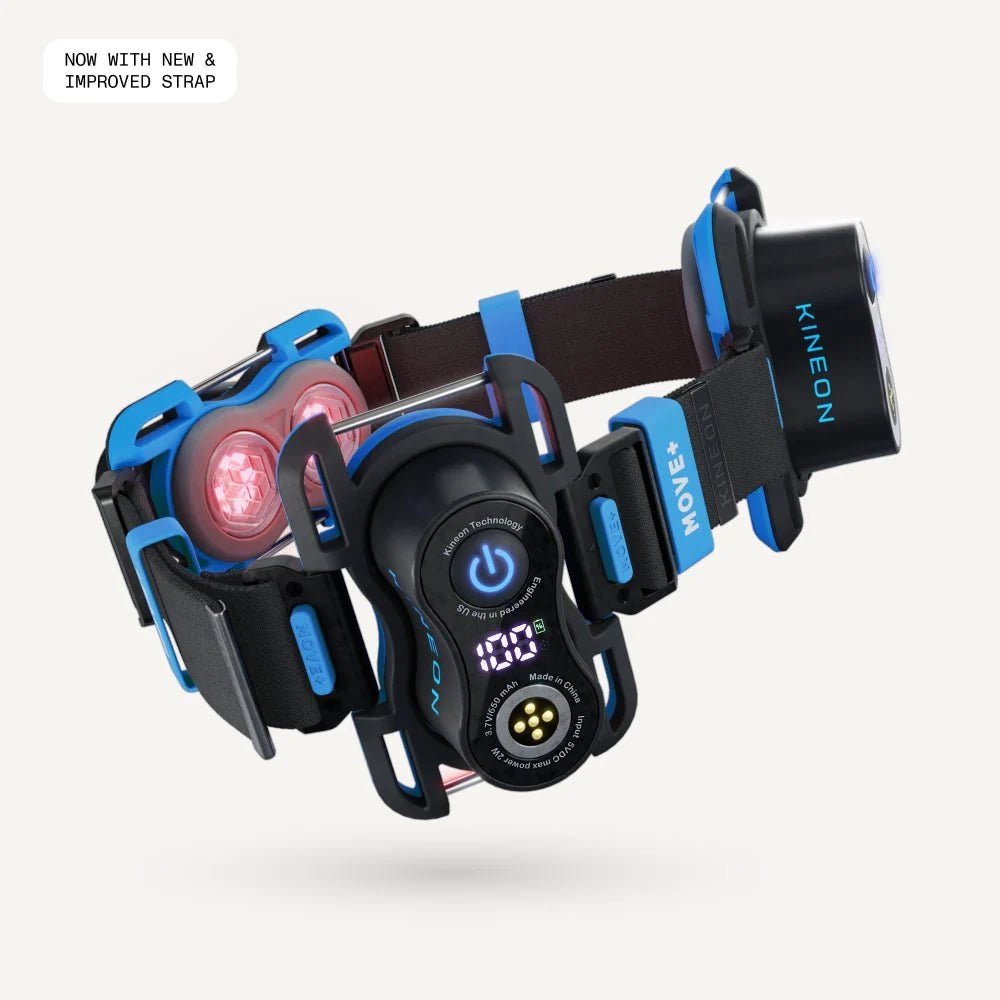
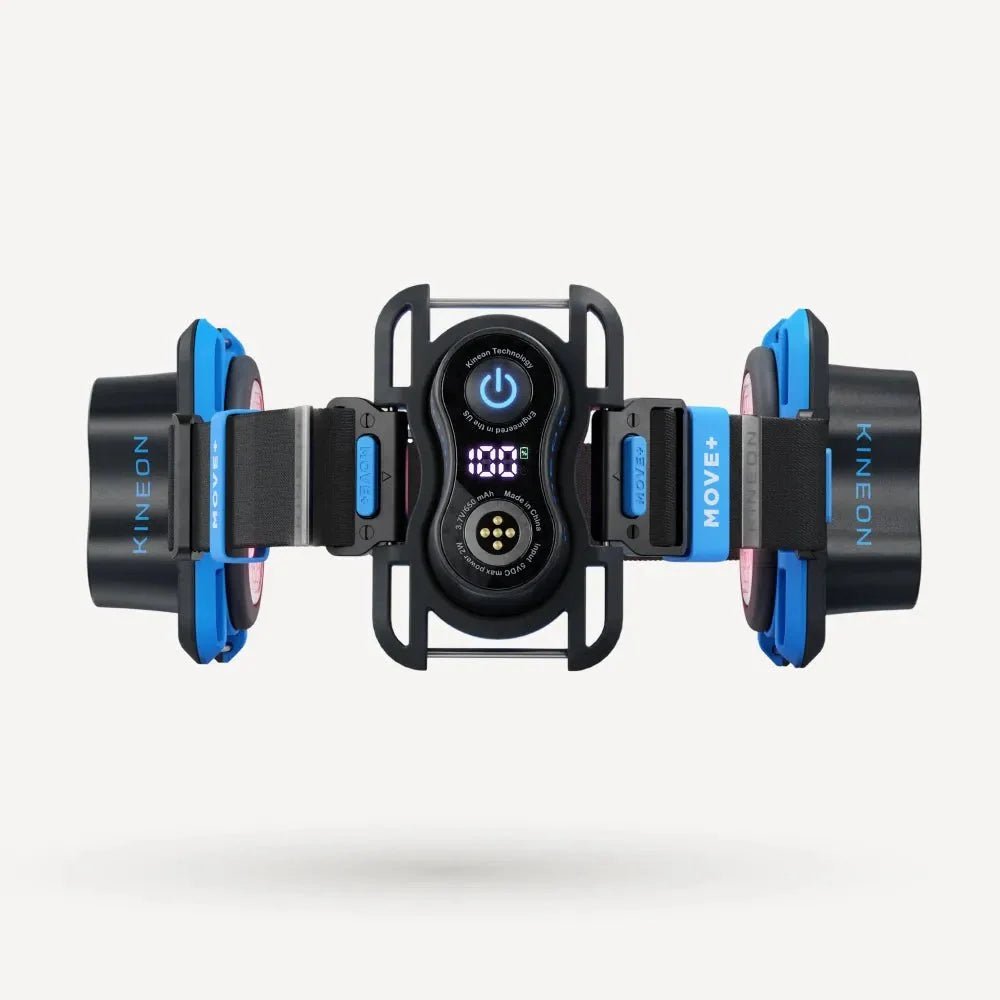
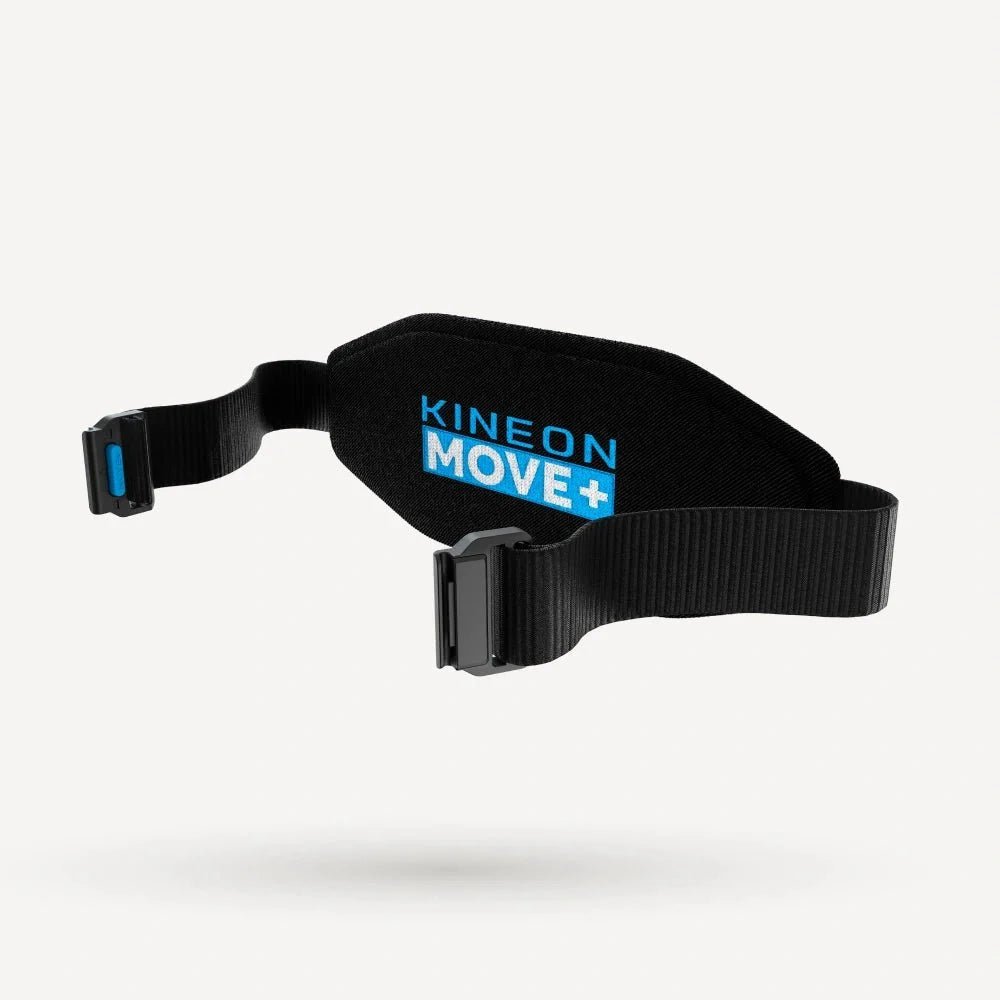
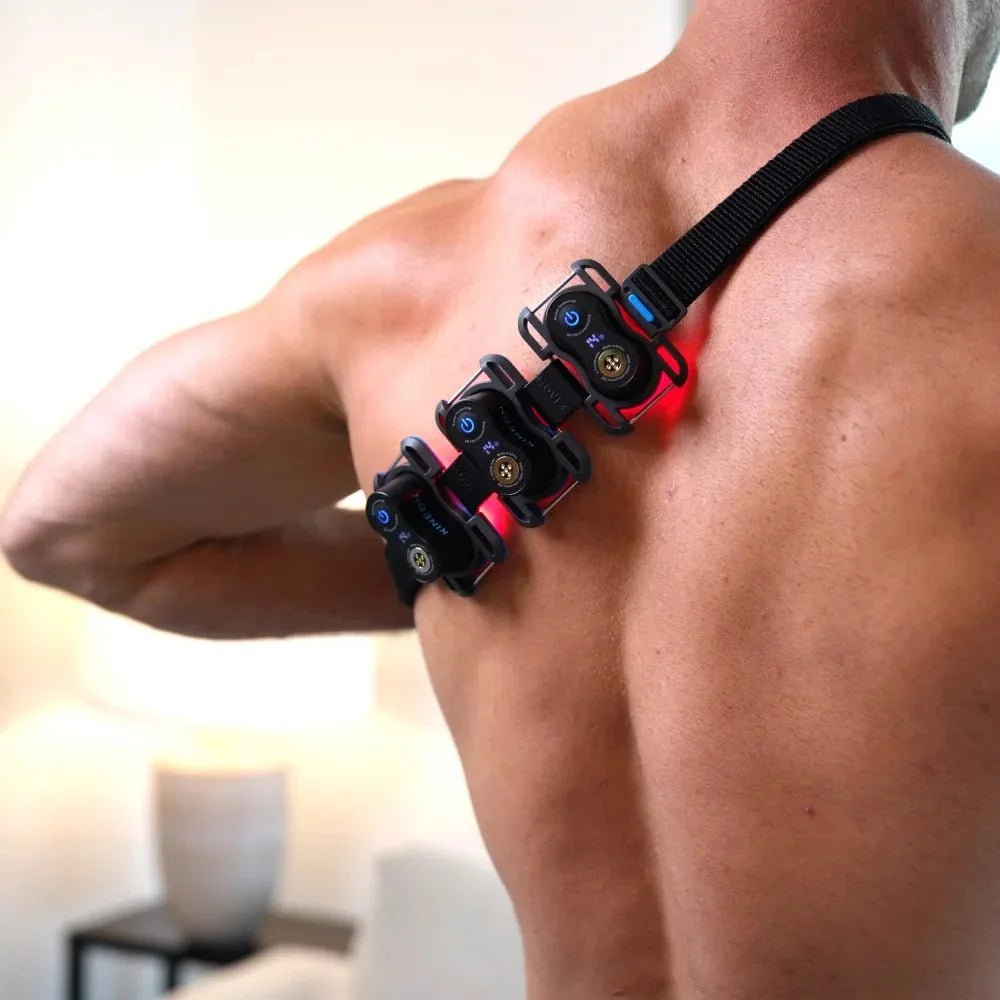
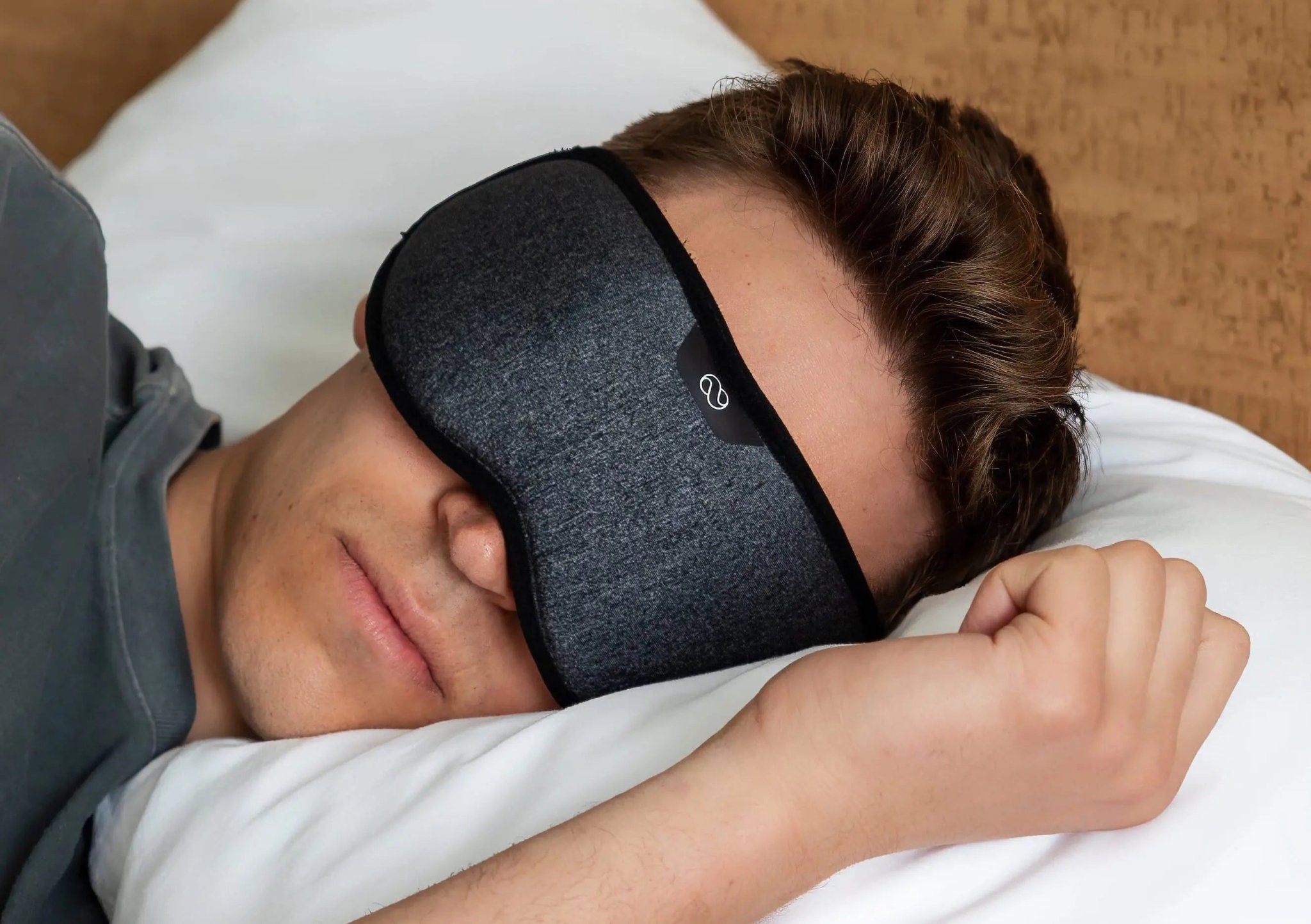
Shop red light therapy devices from leading brands including NovaaLab, HigherDOSE, Kineon, Lumara and more. Whether you are looking for a full panel, a targeted pad, or a wearable device, Nanaka has options across every use case and budget.
Frequently Asked Questions
What is red light therapy? Red light therapy (also called photobiomodulation or low-level laser therapy) uses specific wavelengths of red light (620nm to 700nm) and near-infrared light (800nm to 900nm) to stimulate cellular repair, reduce inflammation, and support tissue healing.
How long does a red light therapy session take? Most at-home red light therapy sessions range from 5 to 20 minutes depending on the device and treatment area. Consistent use 3 to 5 times per week typically yields the best results.
Is red light therapy safe? Yes. Red light therapy is non-thermal, non-invasive, and has a well-established safety profile in clinical research. It does not use UV light and does not damage skin. Always avoid direct eye exposure during sessions.
What is the difference between red light and near-infrared light? Red light (620nm to 700nm) works primarily at the skin surface for collagen, wound healing, and skin tone. Near-infrared light (800nm to 900nm) penetrates deeper into muscle, joint, and nerve tissue, making it more effective for pain relief and recovery.