Building Healthier Evening Environments for Your Family
Why Your Home's Evening Environment Matters
Your home should be a sanctuary that supports your family's natural rhythms, not a space that works against them. Yet most modern homes are filled with lighting and technology that actively disrupts sleep, fragments rest, and leaves everyone feeling tired despite spending enough hours in bed.
Creating a healthier evening environment doesn't require a complete home renovation or eliminating all modern conveniences. It's about making strategic, room-by-room changes that honor your family's circadian biology while still supporting the realities of modern life.
This guide provides practical, actionable strategies for transforming your home into a circadian-supportive space where everyone sleeps better and feels more rested.
The Foundation: Understanding Circadian-Friendly Lighting
Your family's circadian rhythm—the internal 24-hour clock that regulates sleep, energy, mood, and countless biological processes—is primarily controlled by light exposure. The key principle is simple: bright, blue-rich light during the day signals alertness, while warm, dim light in the evening signals rest.
Most homes do the opposite—dim, insufficient light during the day and bright, blue-rich light at night. Reversing this pattern is the foundation of a healthier evening environment.
Room-by-Room Guide to Circadian-Friendly Evenings
Living Room: The Family Gathering Space
The living room is where families spend most of their evening hours—watching shows, reading, playing games, or simply relaxing together. This makes it the most important room to optimize.
What to Change:
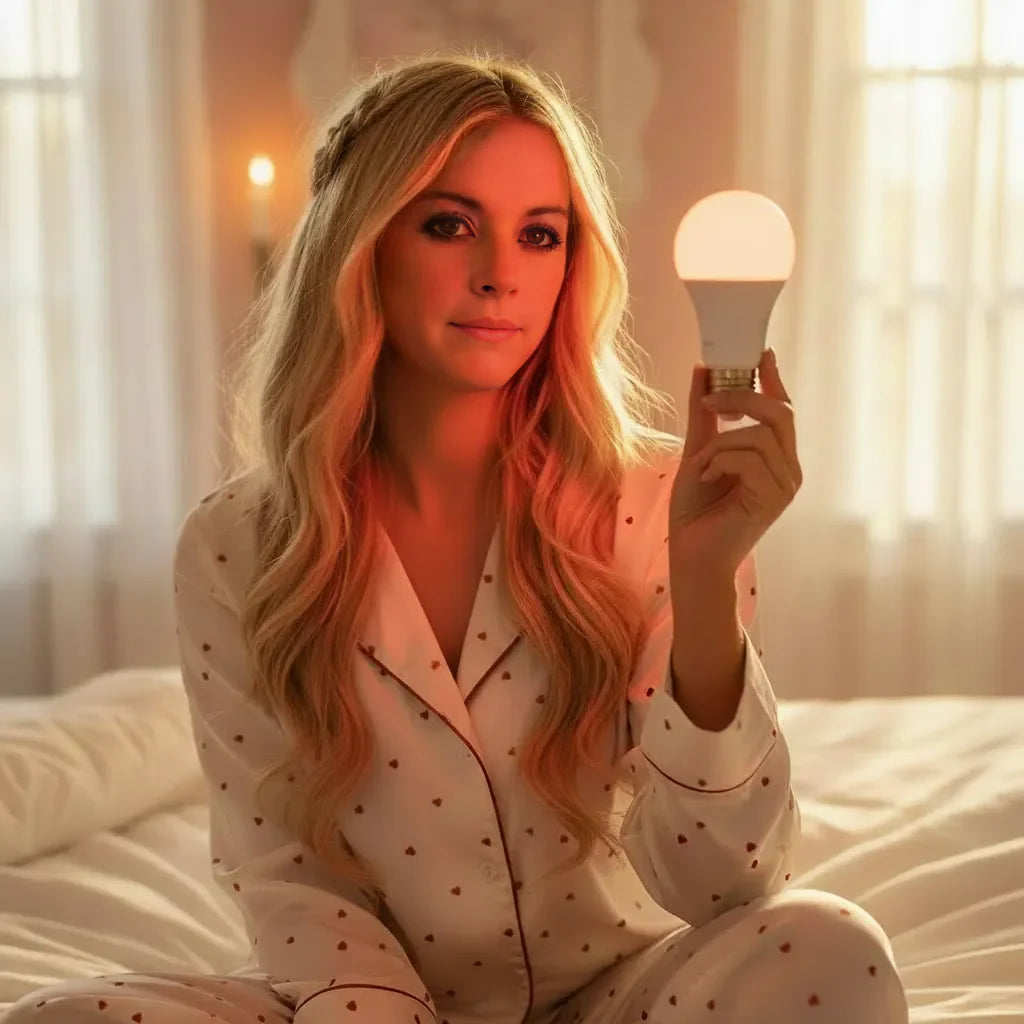
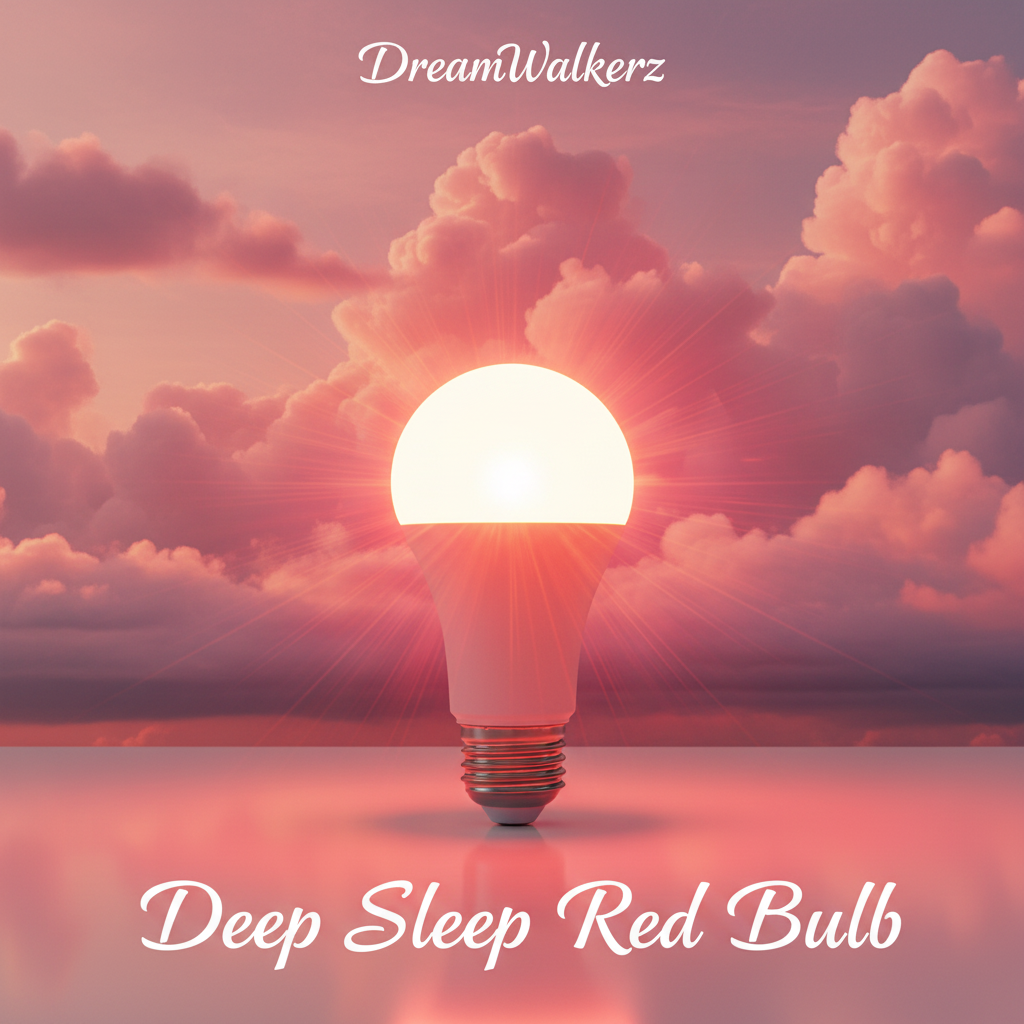
- Replace bright overhead LED bulbs with the SunCycle 3-Mode Circadian Bulb, which allows you to switch from bright white during the day to warm amber in the evening
- Use lamps instead of overhead lighting after sunset
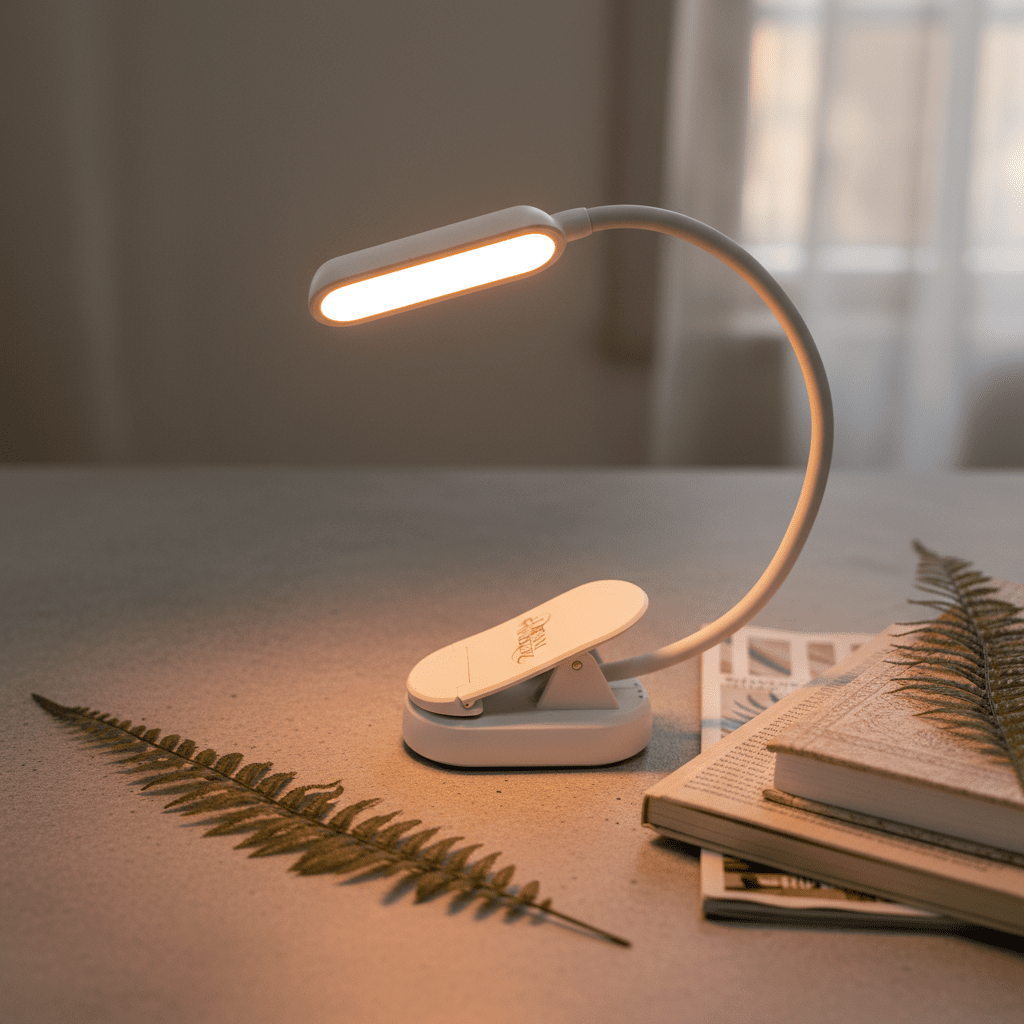
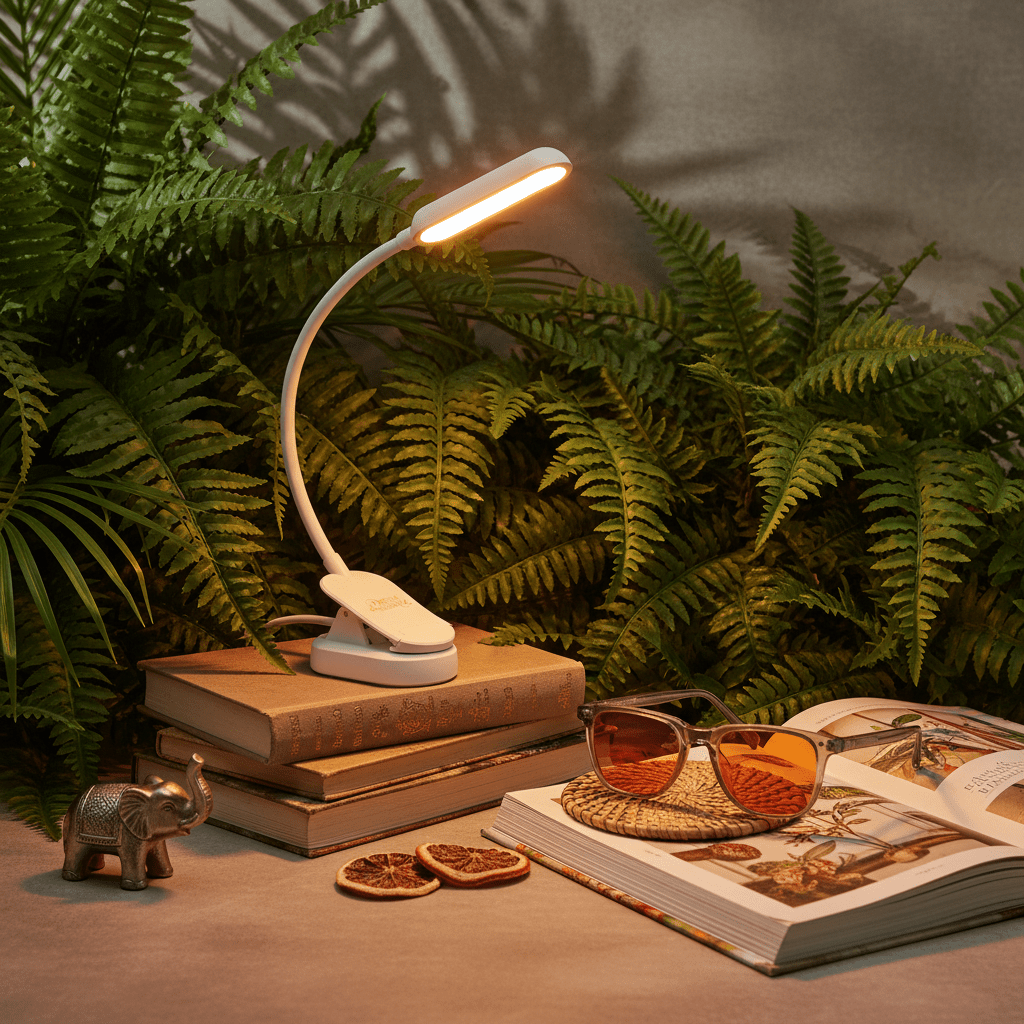
- Position the Lumina Circadian Friendly Reading Lamp near seating areas for activities that require more light
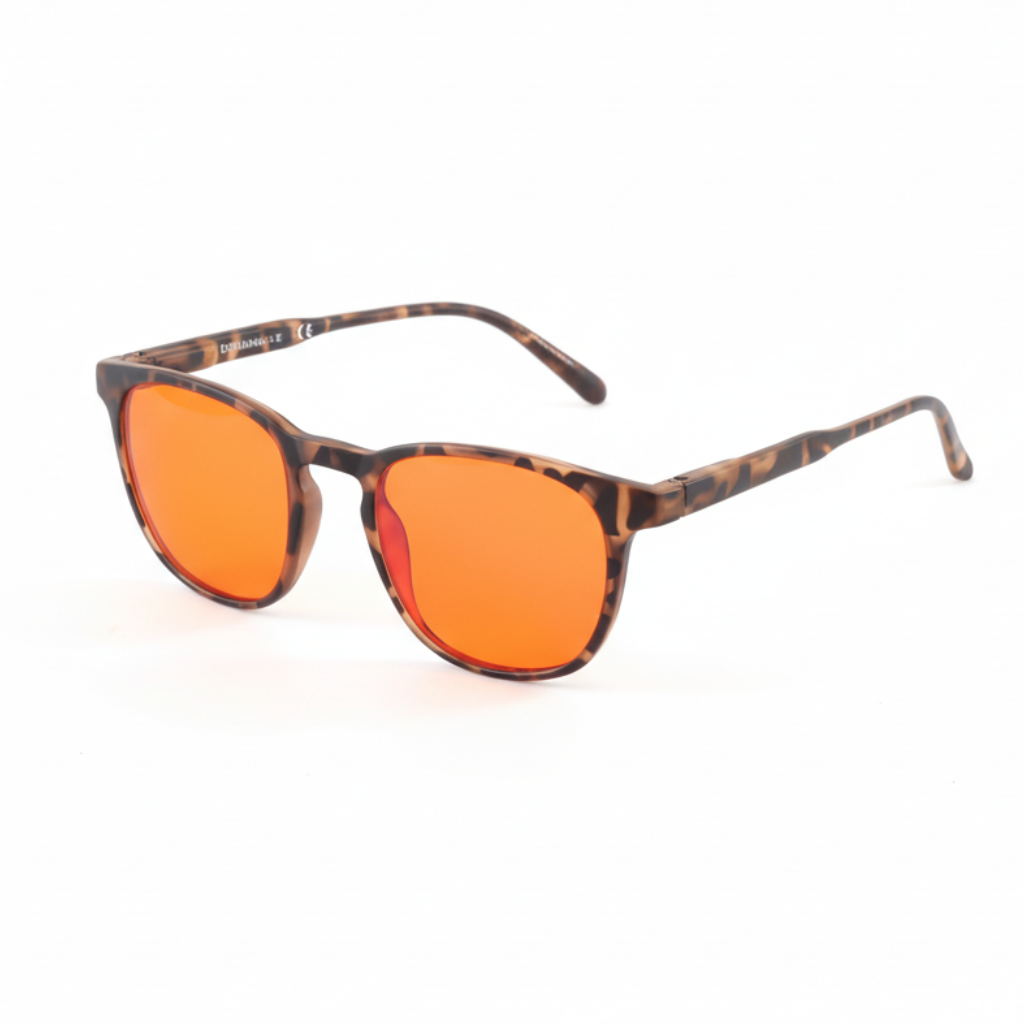
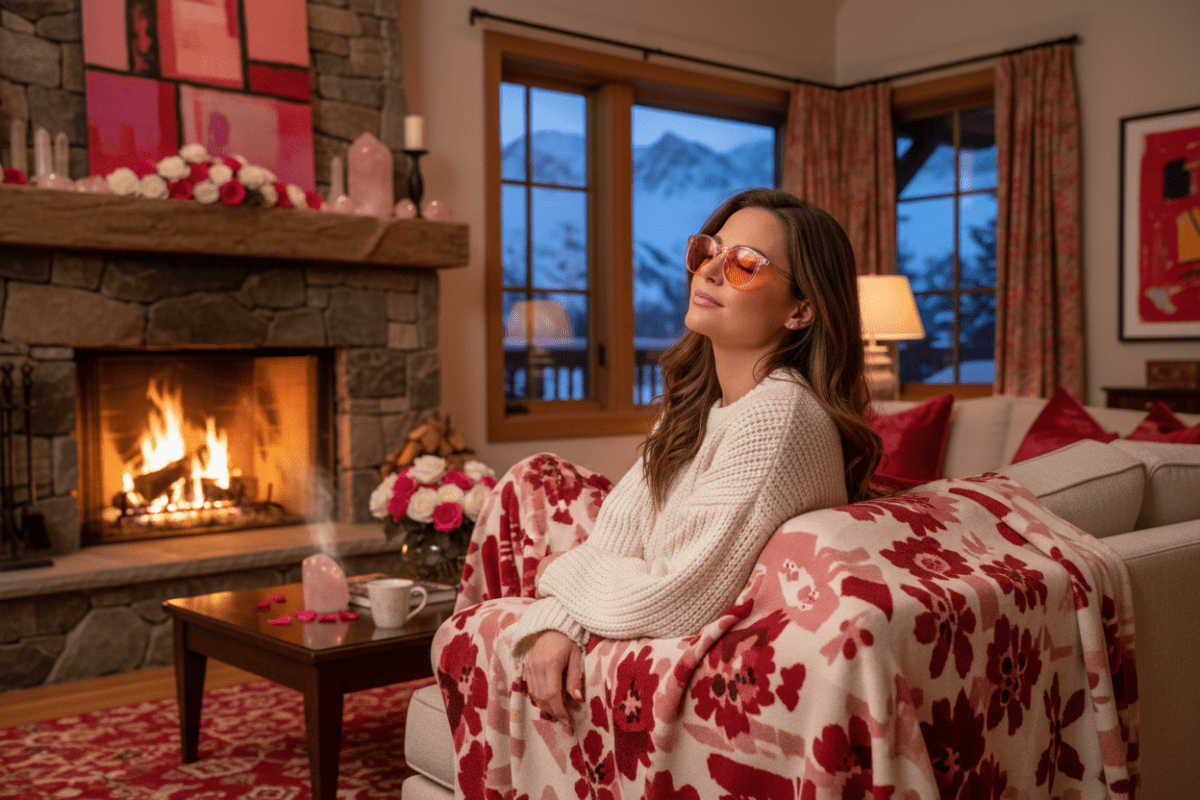
- Keep blue light blocking glasses like the Dreamwave Tortoise Shell Sleep Glasses easily accessible for screen time

The Result: A cozy, relaxing space where the whole family can unwind without disrupting their sleep hormones.
Kitchen and Dining Room: Evening Meal Preparation
Kitchens typically have the brightest, most sleep-disruptive lighting in the home—bright overhead LEDs or fluorescents that blast blue light during dinner prep and cleanup.
What to Change:
- Install dimmable switches on overhead lights and keep them at 30-50% brightness after sunset
- Replace bulbs with circadian-friendly options that can shift to amber tones
- Use under-cabinet task lighting for food prep instead of bright overhead lights
- Consider amber-toned pendant lights over dining areas
The Result: You can still see clearly for cooking and eating without the harsh blue light that delays bedtime for the whole family.
Bedrooms: The Sleep Sanctuary
Bedrooms should be the most circadian-supportive rooms in your home, yet they're often filled with sleep-disrupting elements—bright overhead lights, glowing alarm clocks, charging phones, and TVs.
What to Change:
- Replace bedside lamps with the Lumina Circadian Friendly Reading Lamp for evening reading that won't suppress melatonin
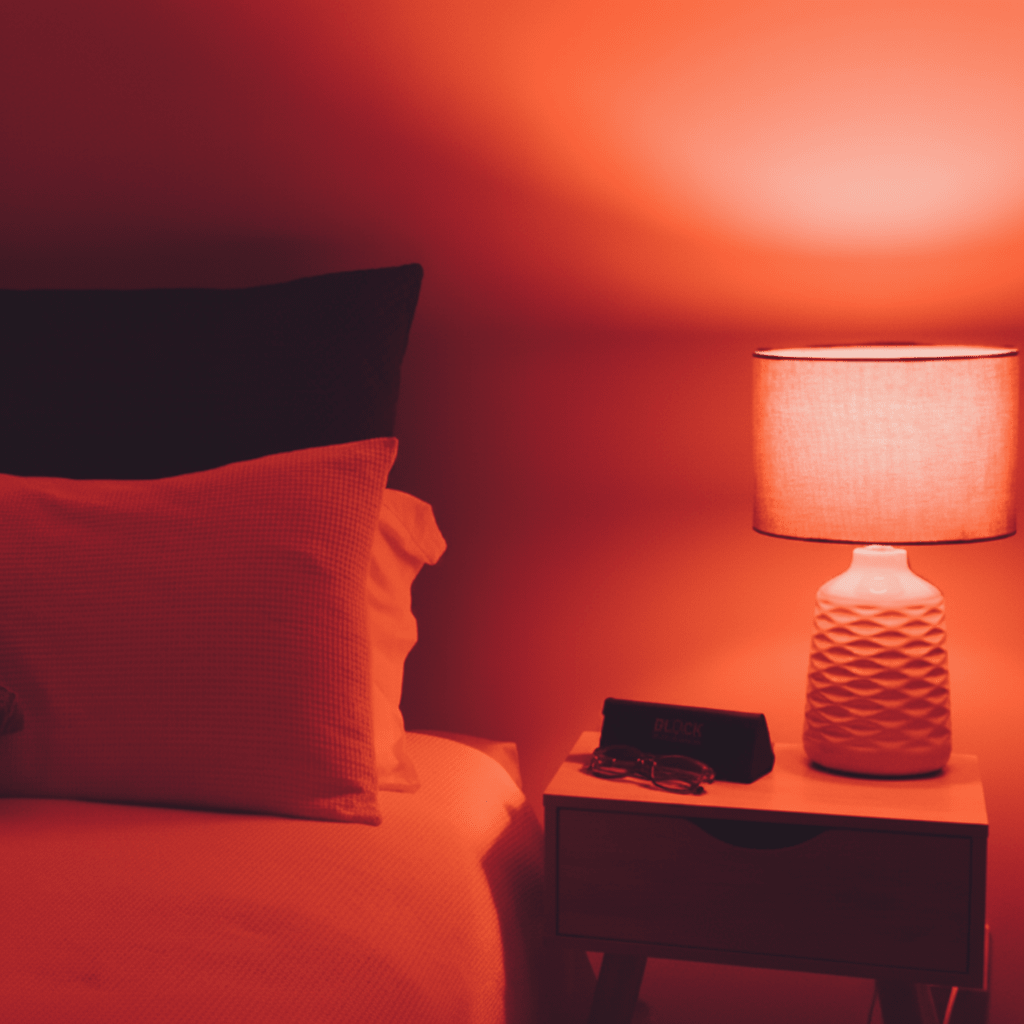
- Use only red or deep amber light in the hour before bed
- Remove or cover all sources of blue/green light (alarm clocks, charging indicators, etc.)
- Keep DreamWalkerz Nighttime Reader Sleep Glasses on your nightstand for any necessary phone use
- Install blackout curtains or shades to block external light

The Result: A true sleep sanctuary where your body receives clear signals that it's time to rest.
Children's Rooms and Nursery: Supporting Developing Rhythms
Children's circadian systems are even more sensitive to light than adults'. Creating a sleep-supportive environment in their rooms can dramatically improve bedtime resistance, night wakings, and morning mood.
What to Change:
- Install the MoonNest Circadian-Friendly Lamp for gentle, sleep-safe illumination during bedtime routines and nighttime check-ins
- Remove all screens from bedrooms at least one hour before bedtime
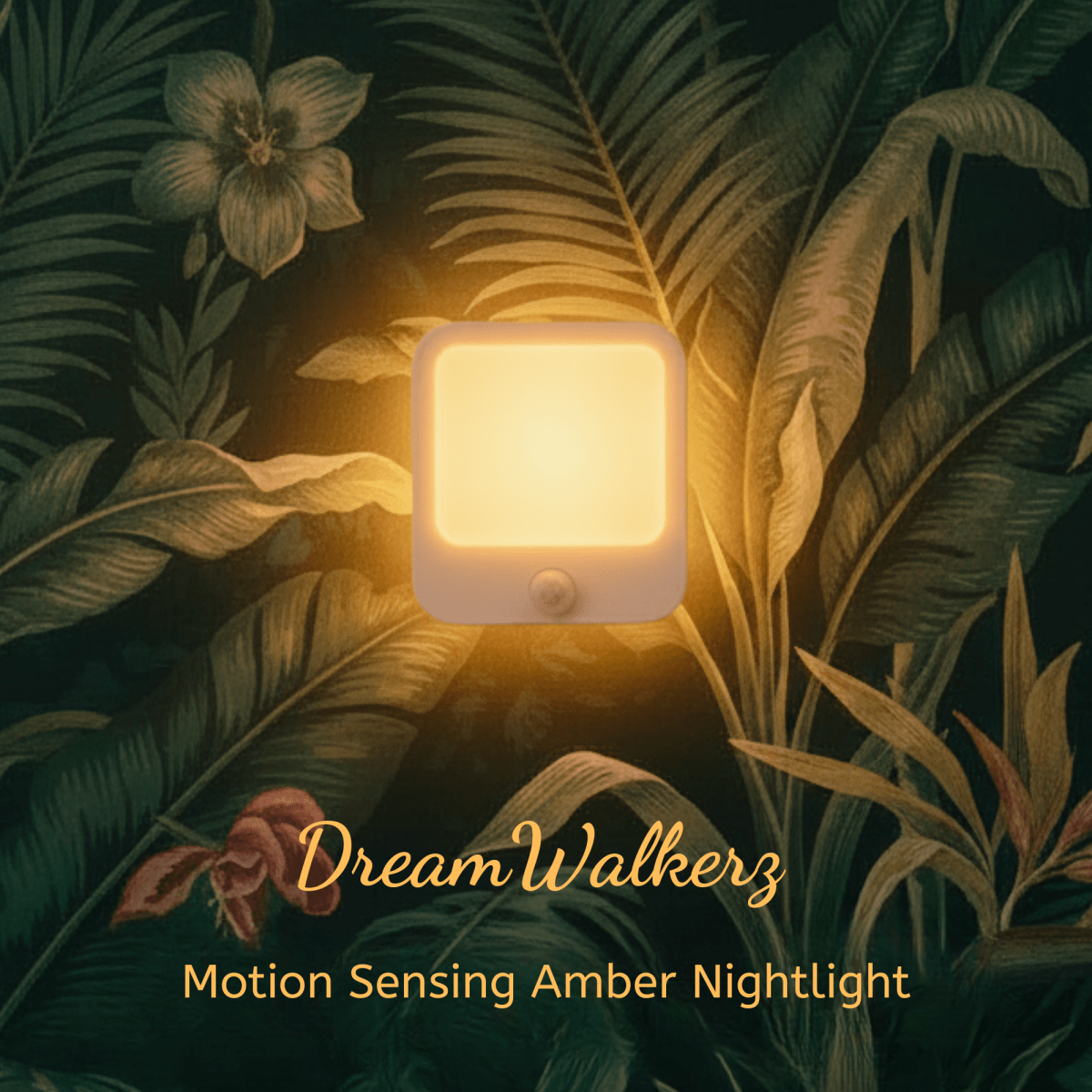
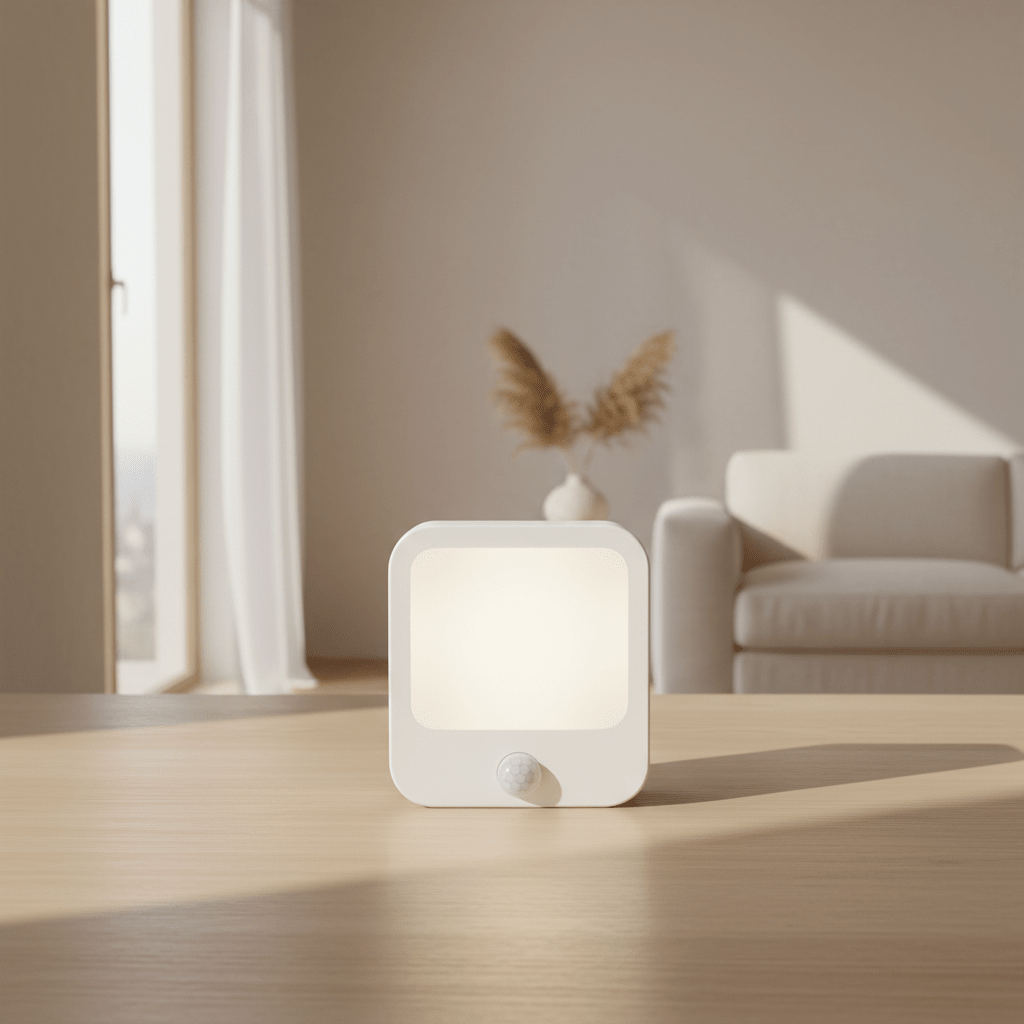
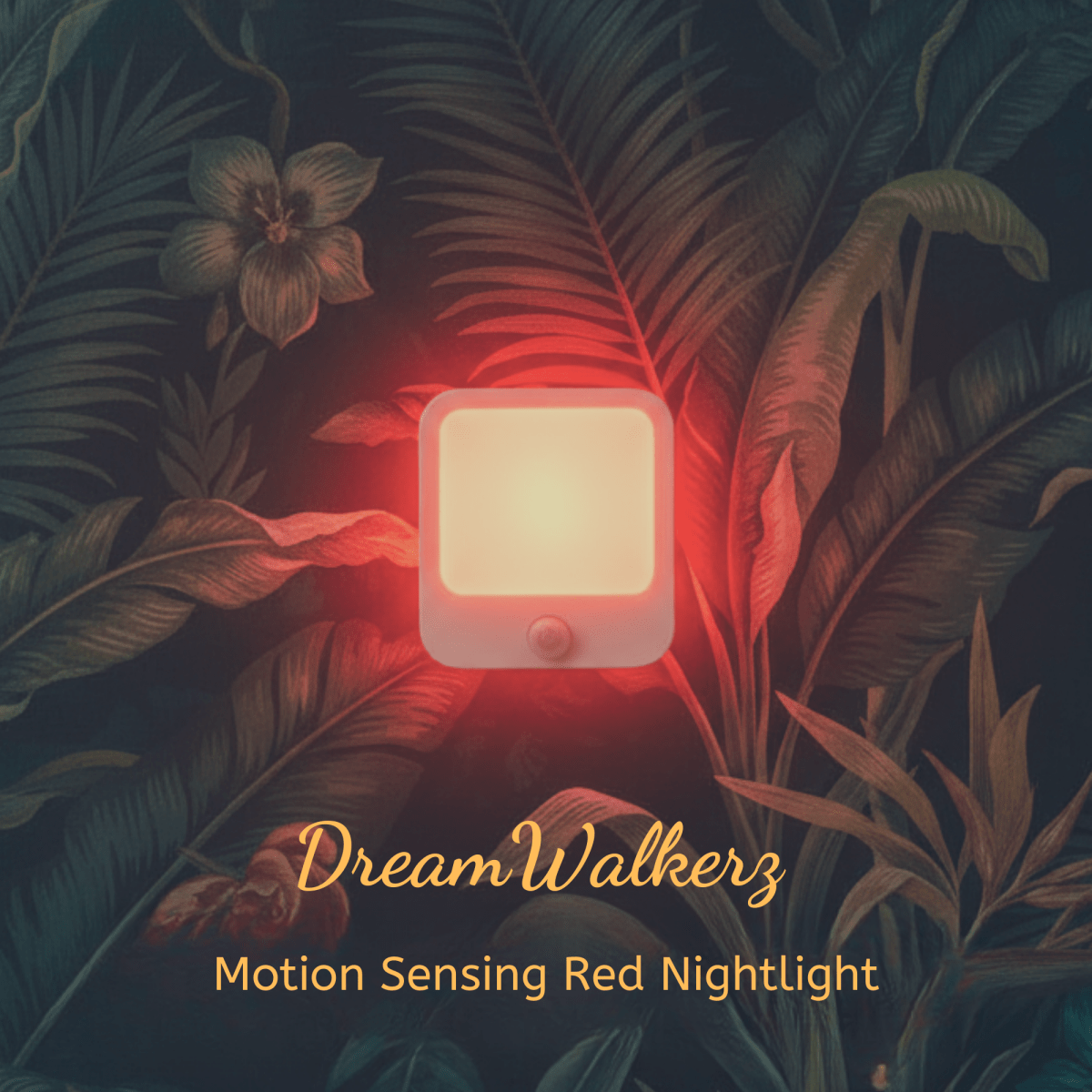
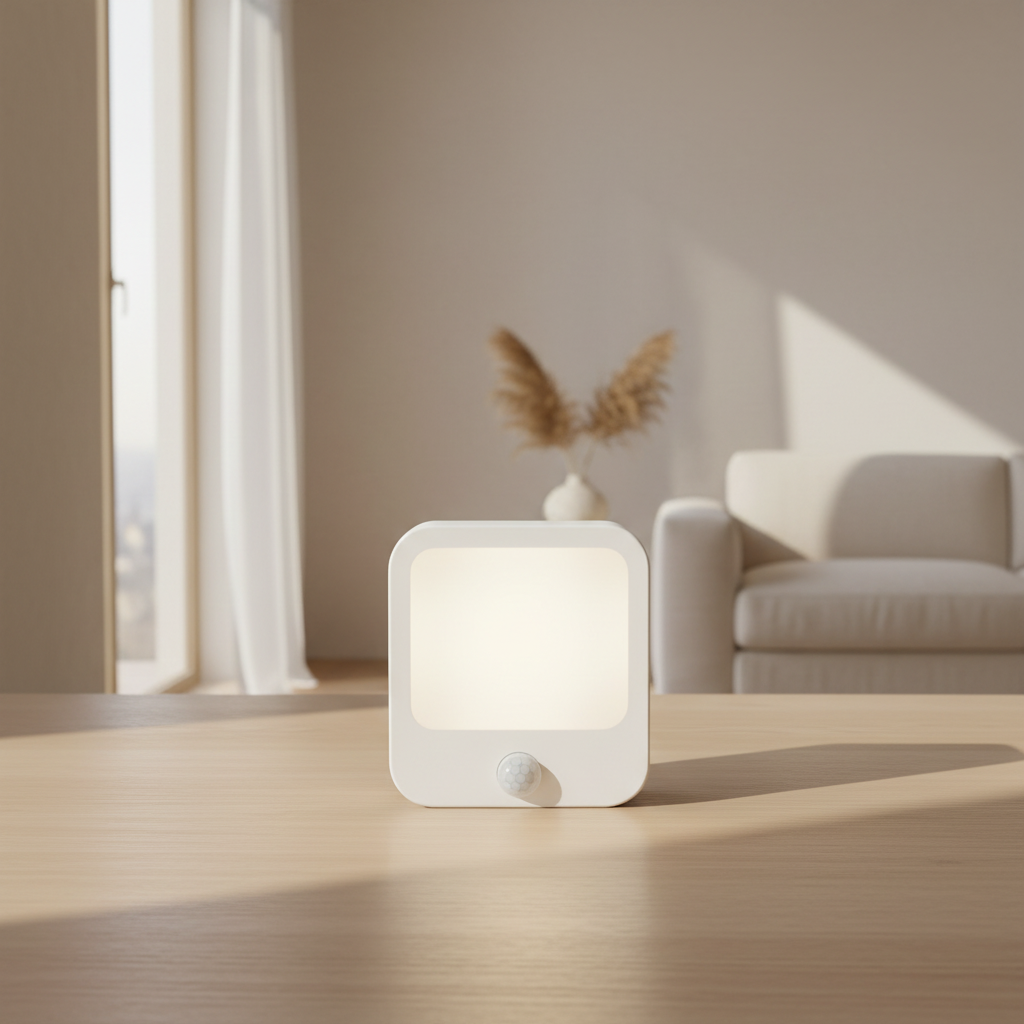
- Use red or amber nightlights instead of white or blue ones
- Replace bright overhead lights with dimmable, warm-toned options
- Create a consistent dimming routine as bedtime approaches

The Result: Children fall asleep faster, sleep more soundly, and wake more easily in the morning.
Bathrooms: The Evening Routine Space
Bright bathroom lighting during evening routines—teeth brushing, face washing, getting ready for bed—can undo all your other circadian-supportive efforts by blasting your family with blue light right before bed.
What to Change:
- Install a small amber lamp or nightlight for evening use instead of overhead lights
- Use dimmers on existing fixtures and keep them at minimum brightness after sunset
- Replace bulbs with warm-toned, low-wattage options for evening hours
- Keep a small red flashlight for middle-of-the-night bathroom trips
The Result: Evening routines no longer sabotage sleep onset.
Home Office and Study Areas: Managing Evening Work
Many families need to use computers or do homework in the evening. The key is managing the light exposure from both screens and ambient lighting.
What to Change:
- Keep DreamWalkerz Nighttime Reader Sleep Glasses at every computer station
- Use warm task lighting instead of bright overhead lights
- Enable night mode/warm color settings on all devices
- Set a family "screens off" time at least one hour before bed

The Result: Necessary evening work or homework doesn't compromise sleep quality.
Creating Your Family's Evening Light Schedule
Consistency is key. Establish a predictable lighting routine that the whole family follows:
Sunset to 2 Hours Before Bed:
- Switch all main living spaces to warm amber lighting
- Dim overhead lights or switch to lamps
- Put on blue light blocking glasses for any screen time
2 Hours Before Bed to Bedtime:
- Transition to red-spectrum lighting in bedrooms and bathrooms
- Minimize screen exposure for the whole family
- Begin dimming lights progressively
Bedtime to Morning:
- Use only red light for any nighttime needs
- Keep all spaces as dark as possible
- Avoid turning on bright lights for bathroom trips
Beyond Lighting: Other Evening Environment Factors
While light is the most powerful circadian regulator, other environmental factors also matter:
- Temperature: Keep bedrooms cool (65-68°F) for optimal sleep
- Sound: Minimize evening noise or use white noise to mask disruptions
- Routine: Consistent evening activities signal the body it's time to wind down
- Screen placement: Keep TVs and devices out of bedrooms when possible
The Dreamwalkerz Mission: Families First
Dreamwalkerz is a circadian-focused wellness brand designed specifically for families. Their mission centers on light education—helping parents understand how light affects their family's sleep and providing practical, beautiful solutions that integrate seamlessly into modern homes.
Every Dreamwalkerz product is thoughtfully designed to support healthy circadian rhythms without sacrificing style, convenience, or the realities of family life.
Start Small, Build Momentum
You don't need to transform your entire home overnight. Start with one room—perhaps the living room or your children's bedrooms—and notice the difference. Most families report improvements within just a few days:
- Children fall asleep 15-30 minutes faster
- Fewer bedtime battles and resistance
- Reduced night wakings
- Easier morning wake-ups
- Better daytime mood and behavior
- Parents feel more rested despite the same sleep duration
Small, strategic changes to your home's evening environment can create profound improvements in your family's sleep quality, daytime energy, and overall wellbeing. By honoring your family's natural circadian rhythms, you're setting the foundation for healthier sleep patterns that will benefit everyone for years to come.
Ready to transform your home into a sleep sanctuary? Explore the complete Dreamwalkerz collection and discover circadian-friendly solutions designed for modern families.