Feeling the DST Drag? How to Recover from Daylight Saving Time
If you're reading this on Monday morning feeling groggy and out of sync, you're not alone. Daylight Saving Time began yesterday (Sunday, March 8th at 2:00 AM), and millions of people are now navigating that familiar post-time-change fog.
The "spring forward" may have given us more evening daylight, but it also disrupted your circadian rhythm—your body's internal clock that regulates sleep-wake cycles. Research shows that the Monday after DST sees increased workplace accidents, heart attacks, and general fatigue as our bodies struggle to adjust.
The good news? You can accelerate your recovery and get back to quality sleep with the right strategies and wellness tools.
Why You're Struggling Right Now
Your circadian rhythm is regulated primarily by light exposure. When we suddenly shift our schedules by an hour, this delicate system gets thrown off balance. Your body is still operating on "old time," which is why 7:00 AM feels like 6:00 AM, and why you're likely fighting the urge to hit snooze.
Most people take 3-7 days to fully adjust, but you can shorten that window with intentional recovery practices.
Your Recovery Plan (Starting Today)
1. Get Bright Light Exposure Immediately Upon Waking
This is the single most powerful tool for resetting your circadian rhythm. Open your curtains, step outside for 10-15 minutes, or use circadian-friendly lighting to signal to your body that it's time to be alert.
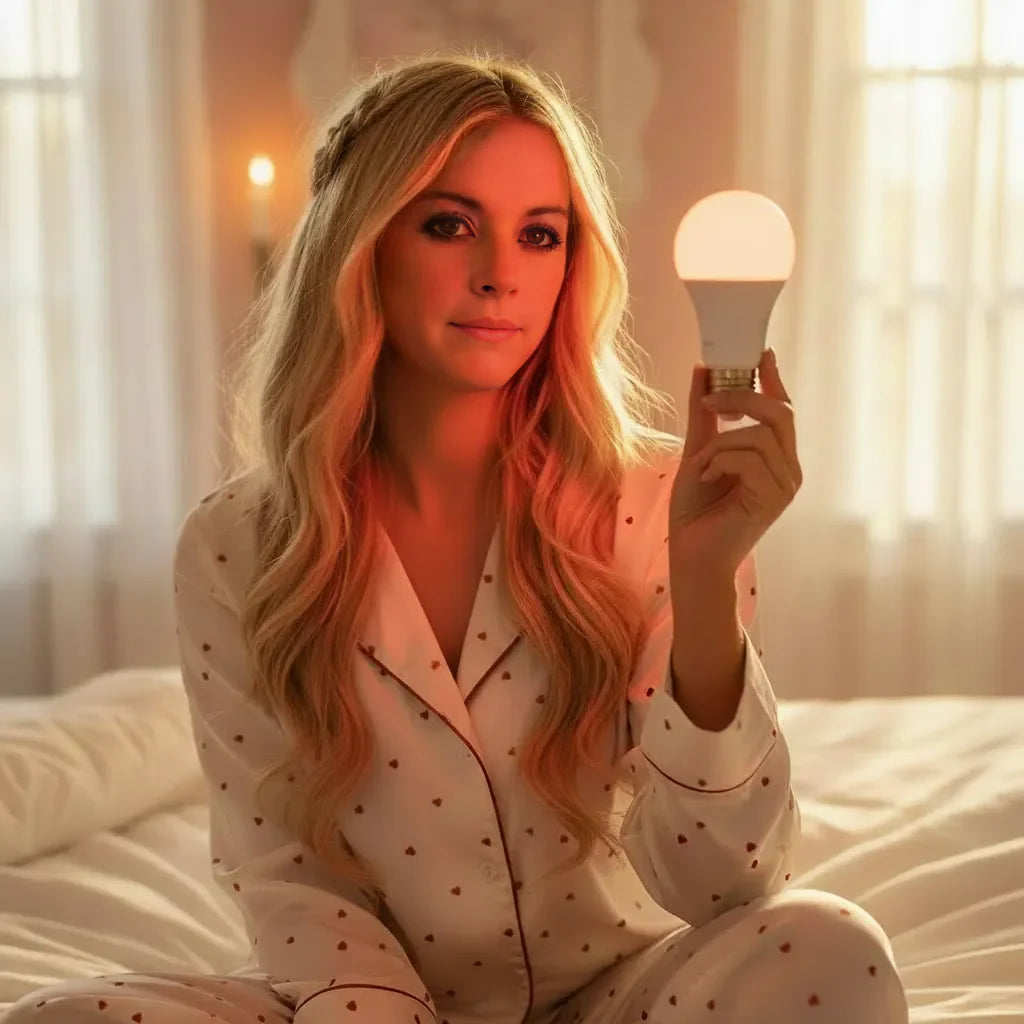
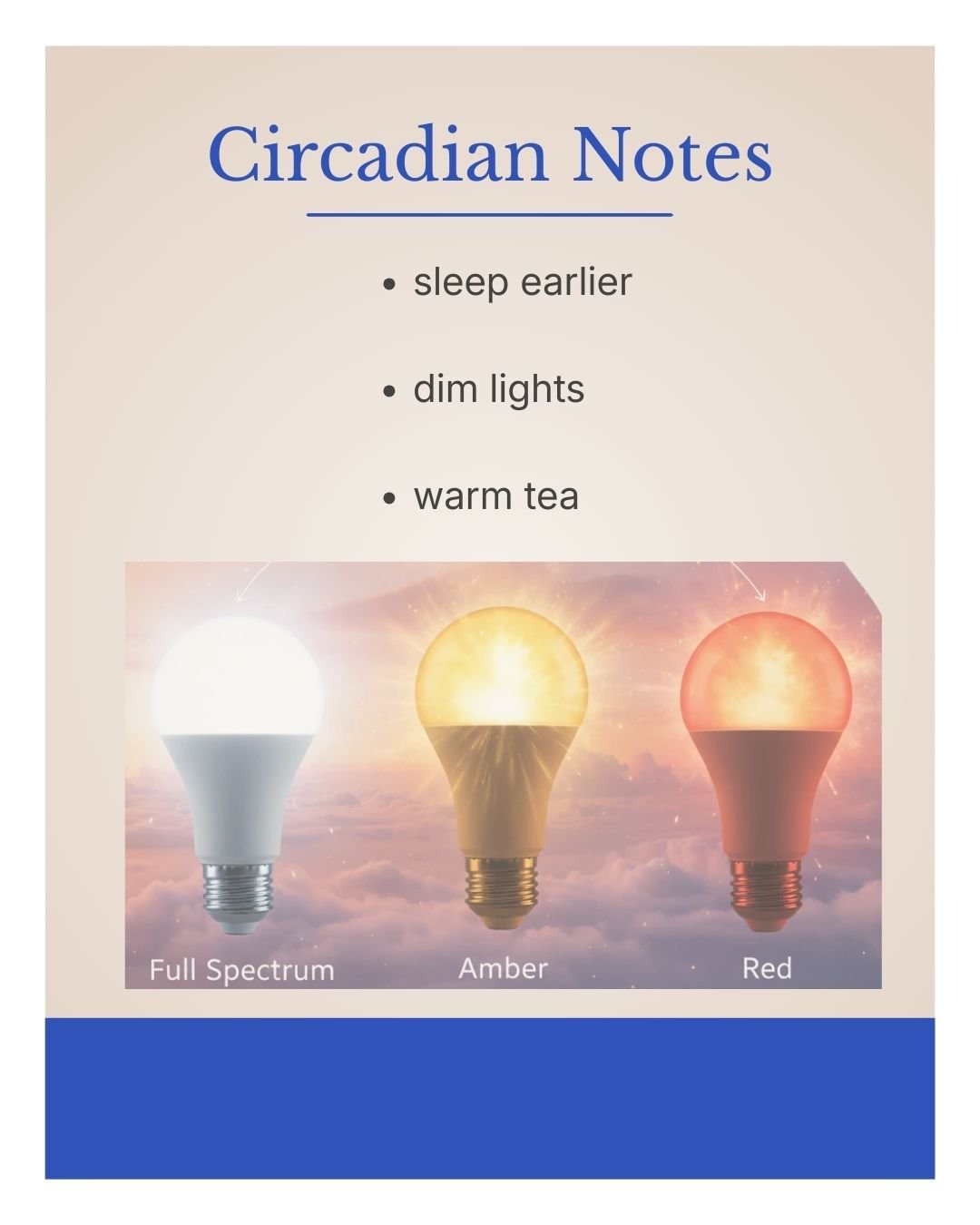
Our SunCycle 3-Mode Circadian Bulb is designed specifically for this purpose—it provides energizing bright light in the morning to help shift your internal clock forward, then transitions to warmer tones in the evening to support natural melatonin production.

2. Protect Your Evening Wind-Down
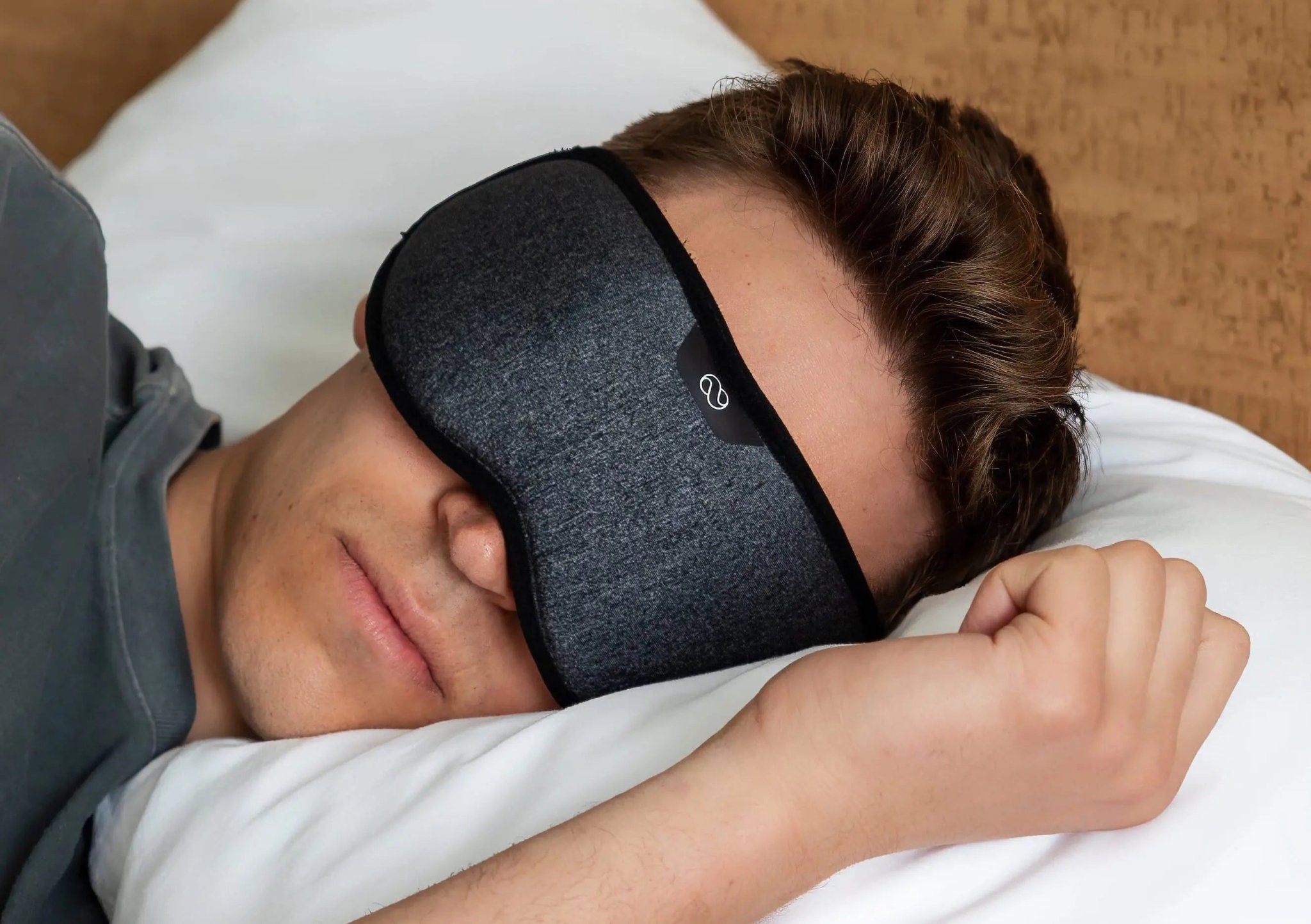
In the evenings, you need to do the opposite: reduce light exposure, especially blue light from screens. This is where blue-blocking sleep glasses become essential. They filter the wavelengths that suppress melatonin production, allowing your body to naturally prepare for sleep even if you're working or reading.
Try our Moonwalkerz Sleep Glasses for general use, or explore our DreamWalkerz Crystal Collection for a premium option. The amber-tinted lenses block blue light while maintaining visual clarity.

Pair your evening routine with circadian-friendly red light from the Lightbulb Circadian Friendly - Red. Red wavelengths don't suppress melatonin, making them ideal for evening reading or bathroom lighting.

3. Create a Consistent Wind-Down Ritual
Signal to your body that sleep is approaching with a calming evening routine. Use the Deep Breath Wellness Room Spray with its zesty, woody, and earthy notes to create an immediate sensory shift in your bedroom environment.
Consistency is key—perform the same routine at the same time (according to the new clock) each night to reinforce your body's new schedule.
4. Consider Natural Sleep Support
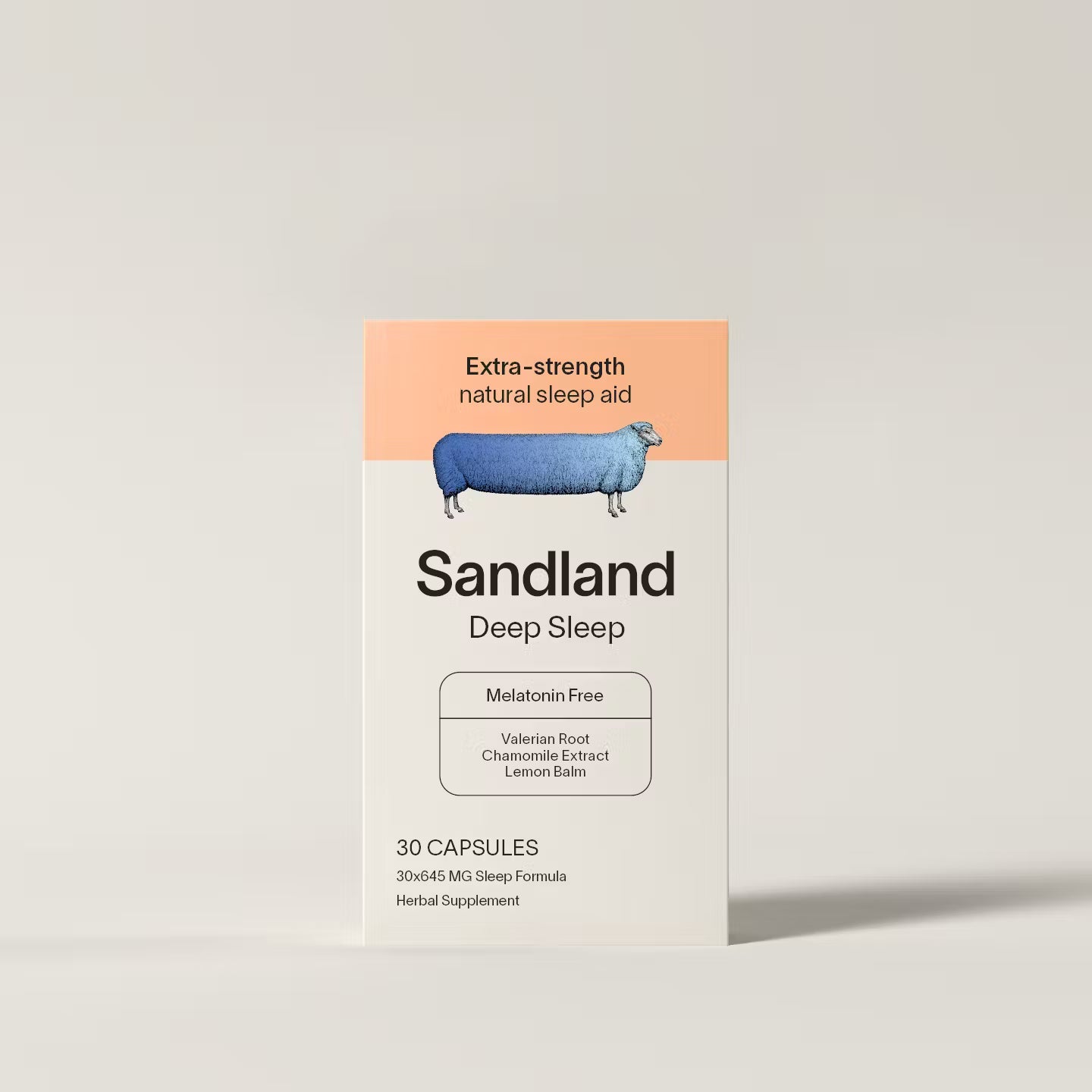
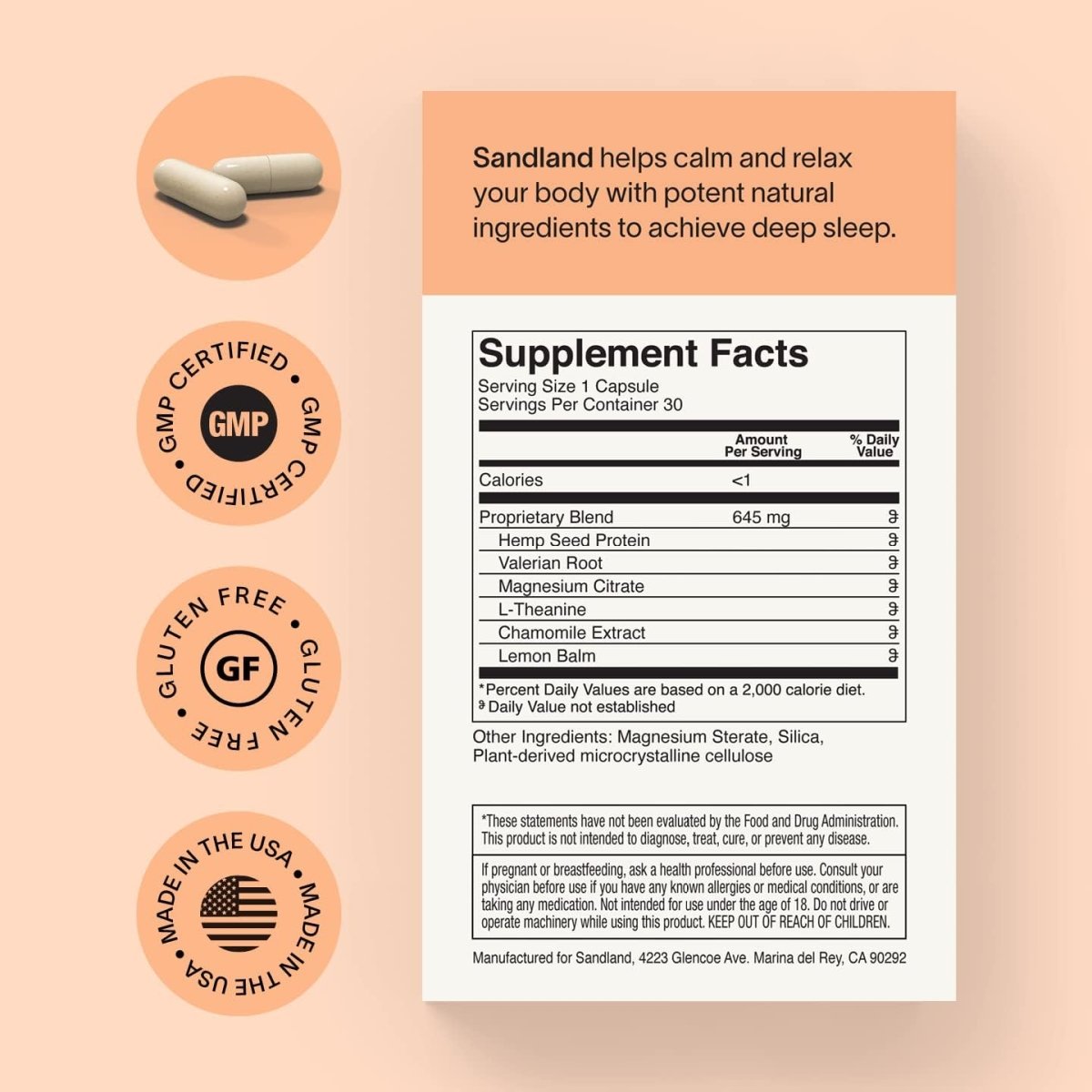
If you're having trouble falling asleep at your new bedtime, natural sleep supplements can help bridge the gap. Our Deep Sleep with Melatonin provides gentle support for falling asleep faster, while Deep Sleep (without melatonin) offers a non-hormonal alternative for maintaining sleep quality.

Use these strategically for the first few nights, then taper off as your body adjusts.
Tonight: Optimize Your Sleep Environment
Make tonight count by creating ideal sleep conditions:
- Keep your bedroom cool (65-68°F is ideal)
- Use blackout curtains or eliminate light pollution completely
- Switch to red light bulbs in your bedroom and bathroom
- Eliminate noise disruptions with white noise or earplugs
- Avoid caffeine after 2 PM
- Resist the urge to nap—it will make tonight's sleep harder
This Week: Stay Consistent
The next few days are critical. Stick to the same wake time and bedtime (according to the new clock) every day, even on weekends. Your circadian rhythm thrives on consistency.
Continue wearing your blue-blocking glasses in the evening, use your SunCycle bulb to get bright morning light, maintain your wind-down routine, and be patient with yourself. By the end of the week, you should feel significantly more aligned with the new schedule.
Your DST Recovery Toolkit
To support your adjustment this week:
- Morning light therapy with the SunCycle 3-Mode Circadian Bulb
- Blue-blocking glasses for evening screen time (Moonwalkerz, St. Croix Topaz, or Dreamwave Tortoise Shell)
- Red light for evenings with Circadian Friendly Red Bulbs
- Aromatherapy to signal wind-down time (Deep Breath Room Spray or Mantra Room Spray)
- Natural sleep support for the transition period (Deep Sleep with Melatonin or Deep Sleep)
The Silver Lining
While Daylight Saving Time is a temporary disruption, it's an excellent opportunity to evaluate and upgrade your overall sleep practices. Quality sleep isn't a luxury—it's the foundation of physical health, mental clarity, and emotional resilience.
Use this week as a reset. The habits you build now—consistent sleep schedules, strategic light management with circadian bulbs, blue-blocking glasses, and wind-down rituals—will serve you long after you've adjusted to the new time.
You've got this. By this time next week, you'll be fully adjusted and sleeping soundly again.