How Circadian Lighting Improves Sleep Quality
In honor of World Sleep Day 2026 and its theme "Sleep Well, Live Better," we're exploring one of the most powerful yet overlooked tools for better sleep: circadian-friendly lighting.
Understanding Your Circadian Rhythm
Your circadian rhythm is your body's internal 24-hour clock, regulating sleep-wake cycles, hormone production, and countless physiological processes. Light is the primary signal that keeps this clock synchronized with the natural day-night cycle.
The problem? Modern lighting disrupts this ancient system. Blue-rich LED bulbs and screens signal "daytime" to your brain long after sunset, suppressing melatonin production and delaying sleep onset by up to 90 minutes.
The Science of Light and Sleep
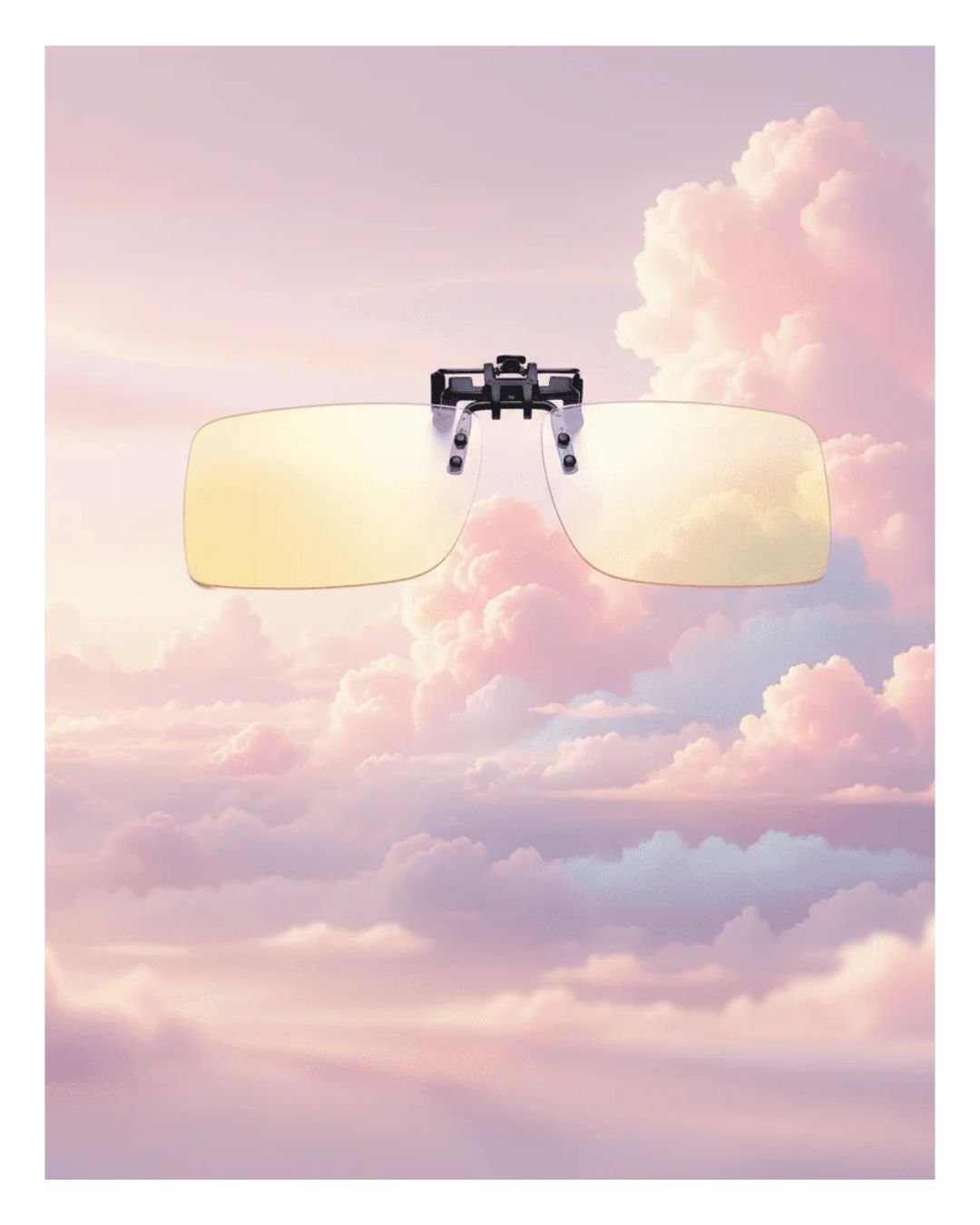
Research published in the Journal of Clinical Sleep Medicine demonstrates that exposure to blue light (450-480nm wavelength) in the evening significantly reduces melatonin levels and delays circadian phase. Conversely, red and amber wavelengths (590-650nm) have minimal impact on melatonin production, allowing your body to naturally prepare for sleep.
Key findings:
- Blue light exposure before bed can suppress melatonin by up to 85%
- Red and amber light preserve natural melatonin rhythms
- Dimming lights 2-3 hours before bed improves sleep onset and quality
- Consistent light-dark cycles strengthen circadian alignment
Implementing Circadian Lighting in Your Home
1. Transition to Warm Light After Sunset

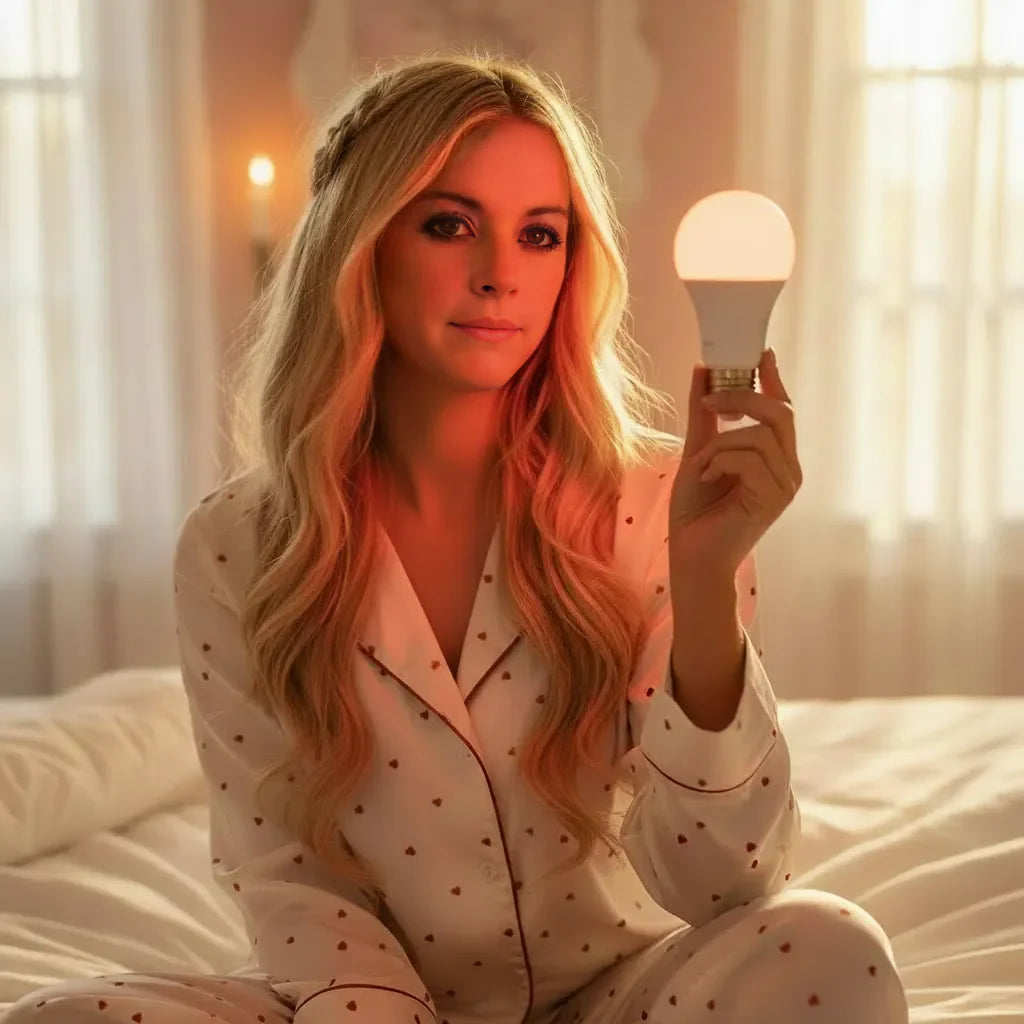
Replace bright white LEDs with circadian-friendly alternatives in spaces you use during evening hours. The SunCycle 3-Mode Circadian Bulb offers three settings—bright white for daytime productivity, warm amber for evening relaxation, and deep red for nighttime—allowing you to match your lighting to your body's natural rhythm throughout the day.
2. Use Task Lighting Strategically

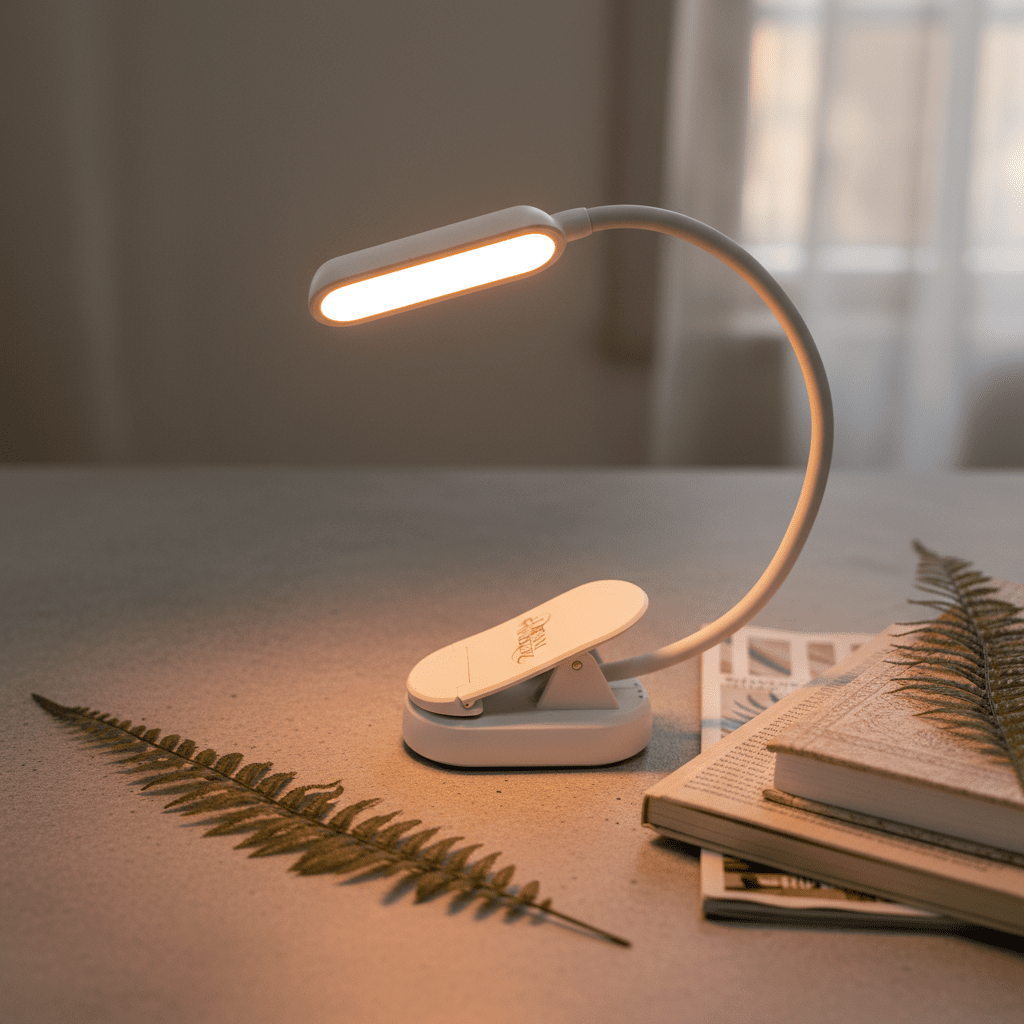
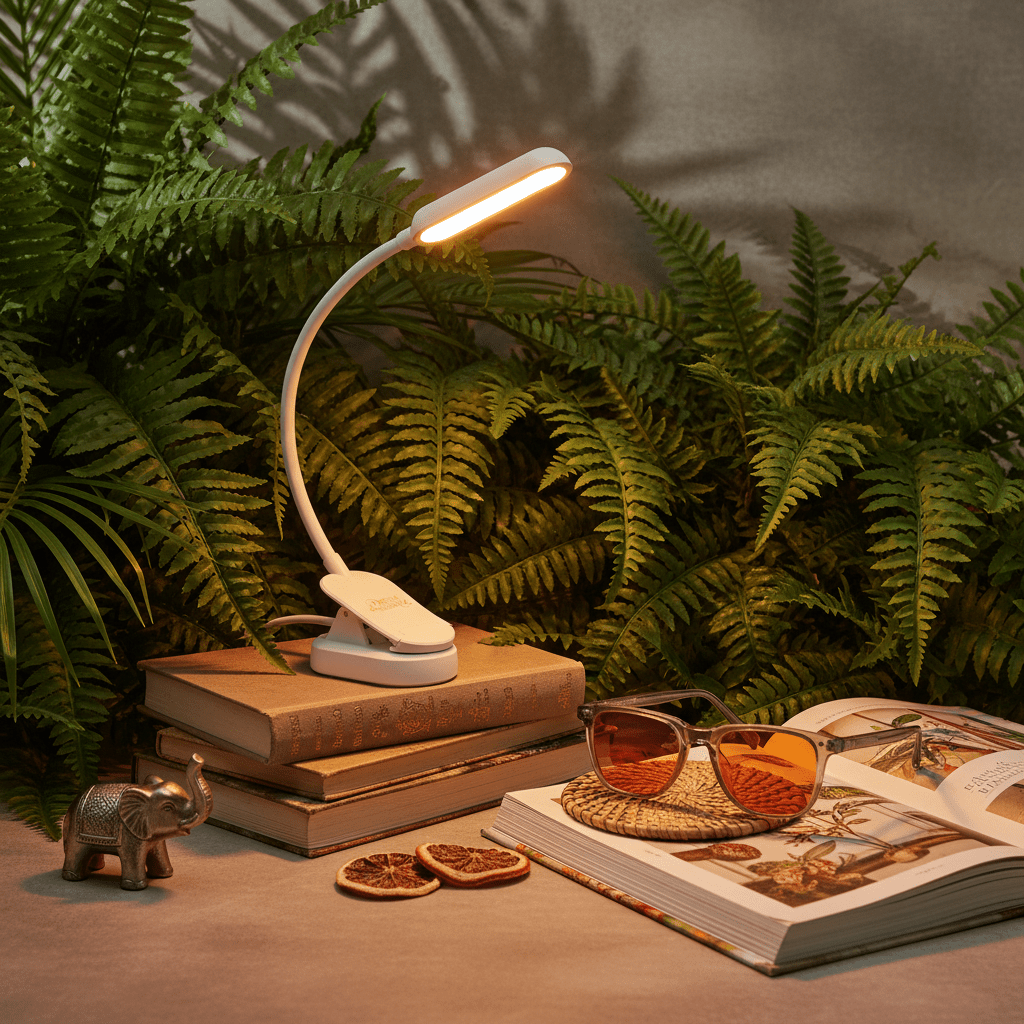
For reading or detailed work in the evening, choose lamps designed with circadian health in mind. The Lumina Circadian Friendly Reading Lamp provides adequate illumination without the blue-spectrum disruption of conventional reading lights.
3. Install Motion-Sensing Nightlights

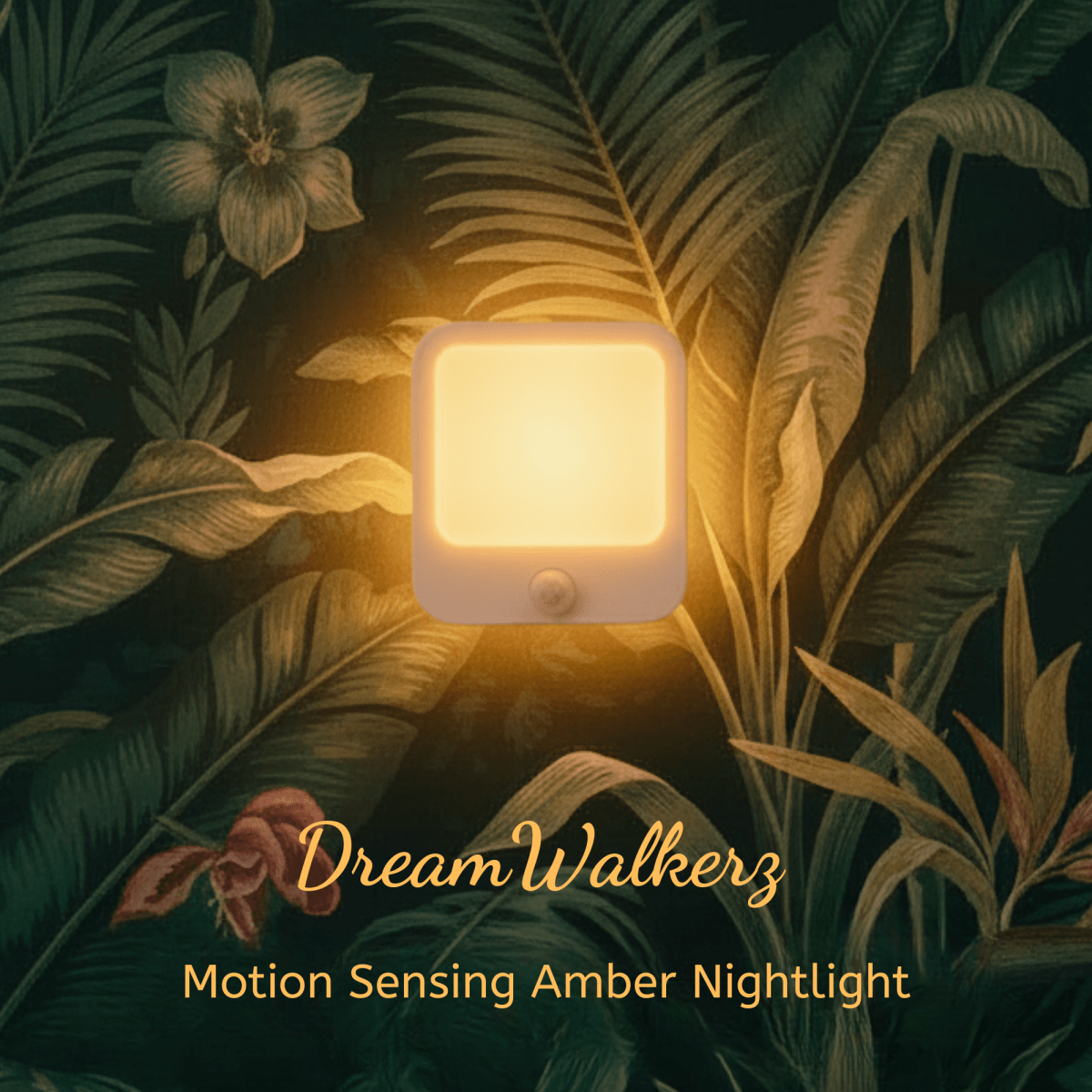
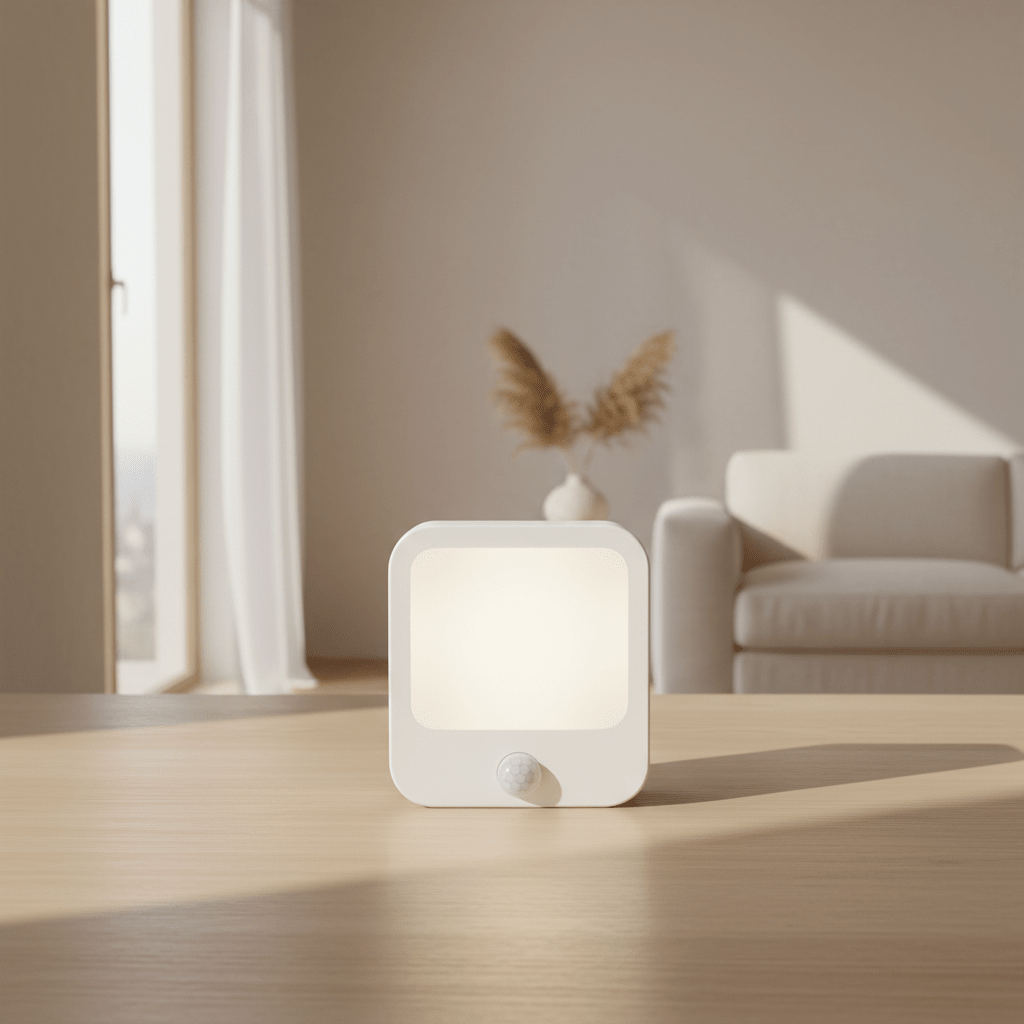
Nighttime bathroom trips don't have to sabotage your sleep. Motion-sensing nightlights in red or amber wavelengths provide safe navigation without triggering the alerting response of white light. Our Nightlight - Motion Sensing Red and Amber Circadian Friendly options activate only when needed and automatically turn off.
4. Create a Sunset Routine
Establish a consistent evening lighting protocol:
- 3 hours before bed: Switch to warm white or amber lighting
- 2 hours before bed: Dim lights to 50% or lower
- 1 hour before bed: Use only red/amber light sources
- Bedtime: Complete darkness or red nightlight only
Beyond Lighting: Complete Sleep Optimization
While circadian lighting is foundational, it works best as part of a comprehensive sleep strategy:

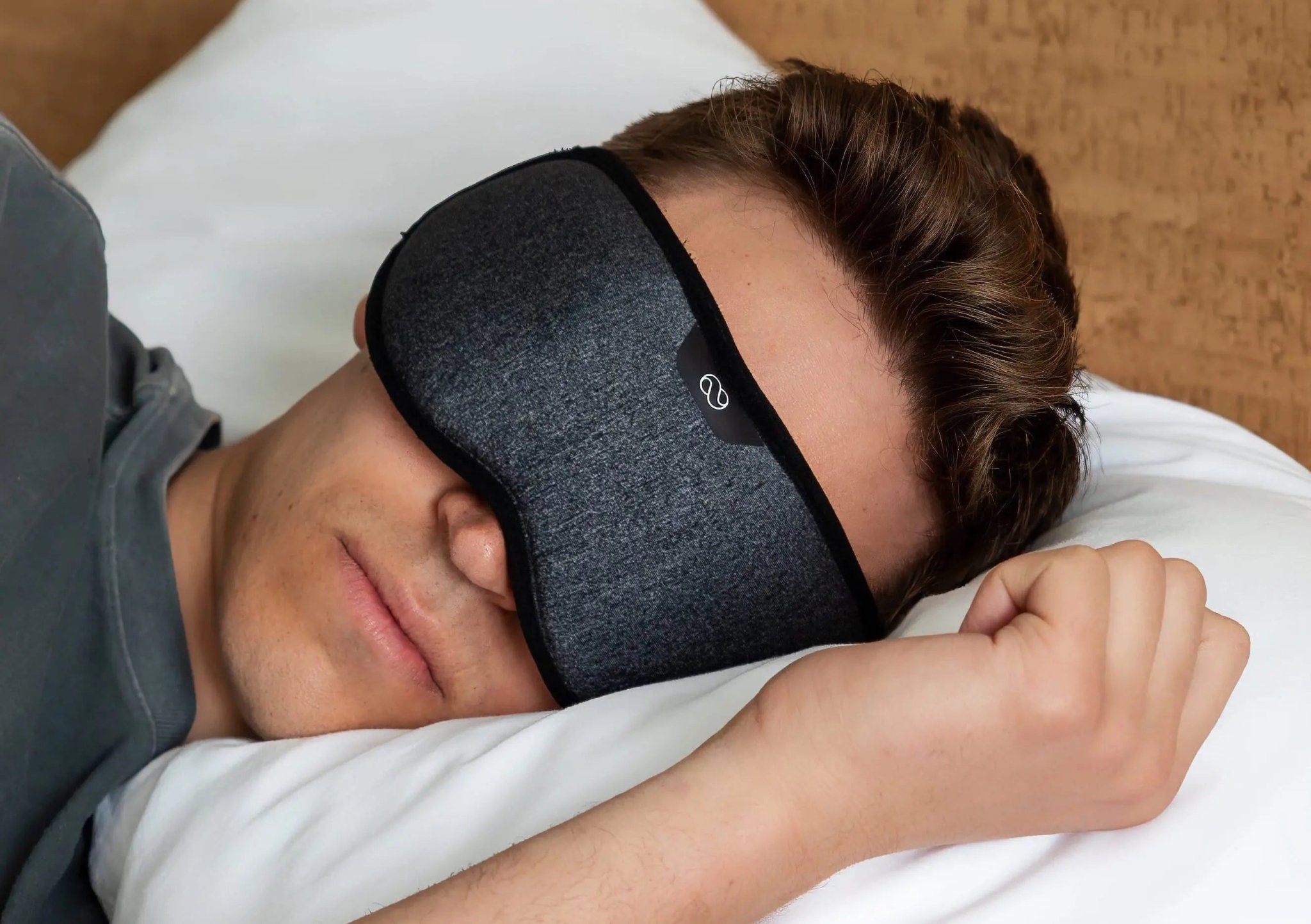
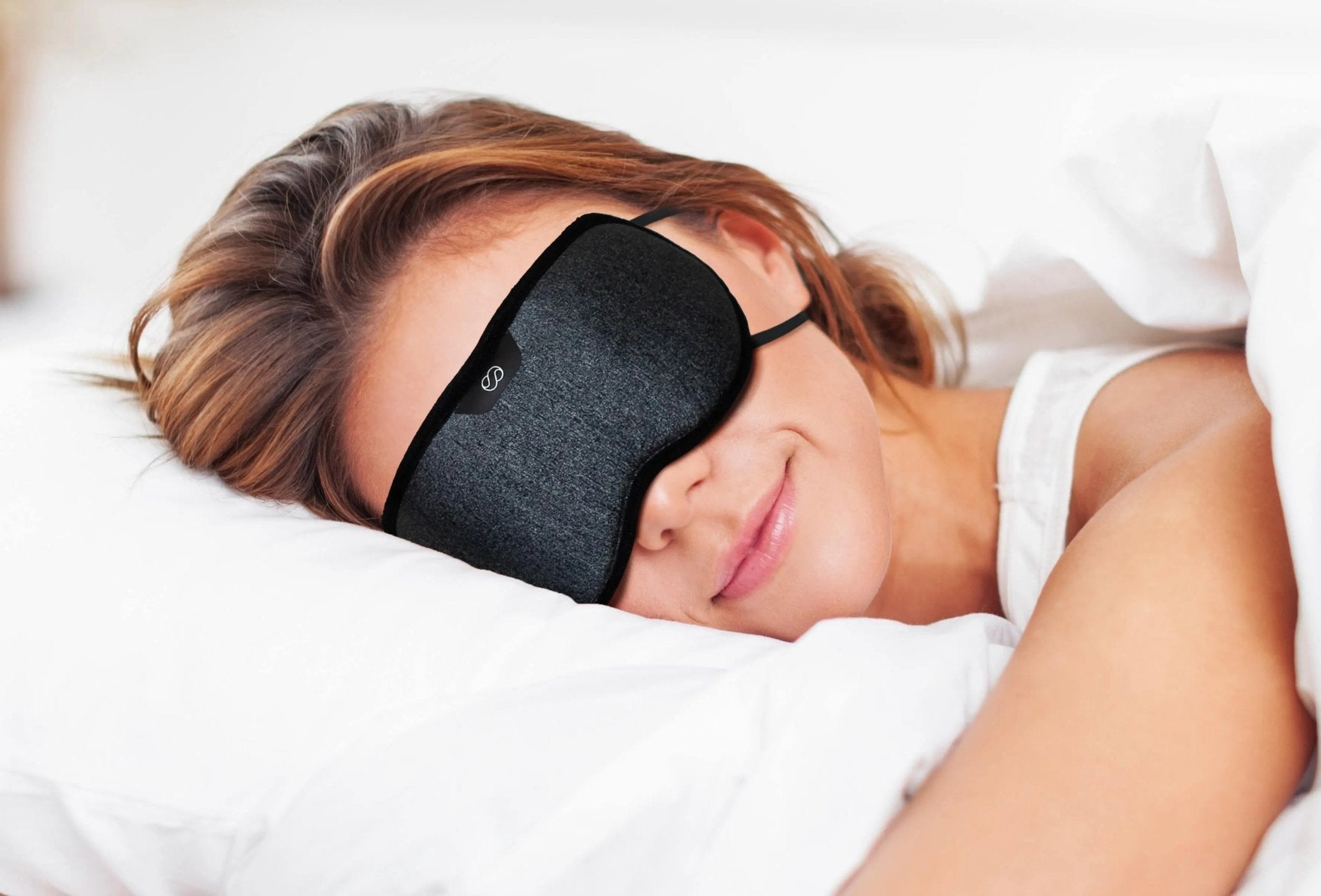
- Smart sleep technology: The Lumos Smart Sleep Mask uses precisely timed light therapy to help shift your circadian rhythm for travel or shift work
- Wellness clocks: The Loftie Clock eliminates phone-based alarms and blue light from your bedroom while providing gentle wake-up lighting
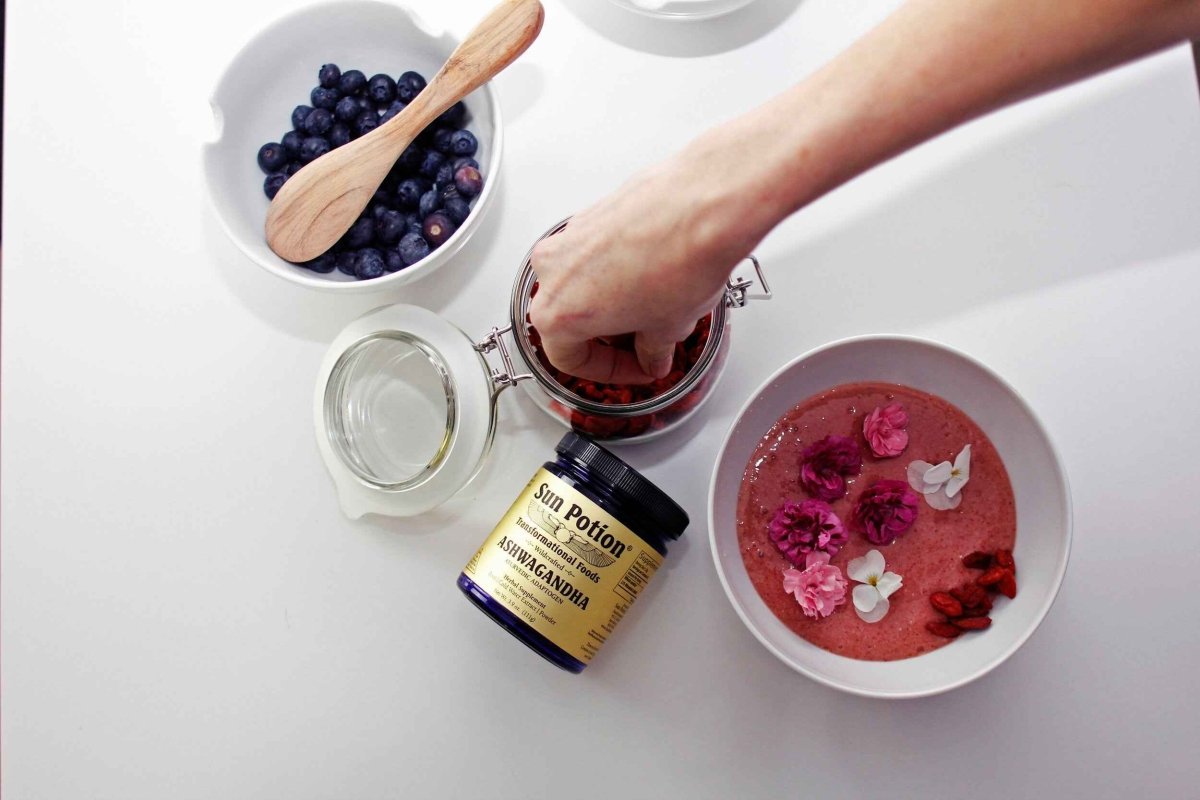
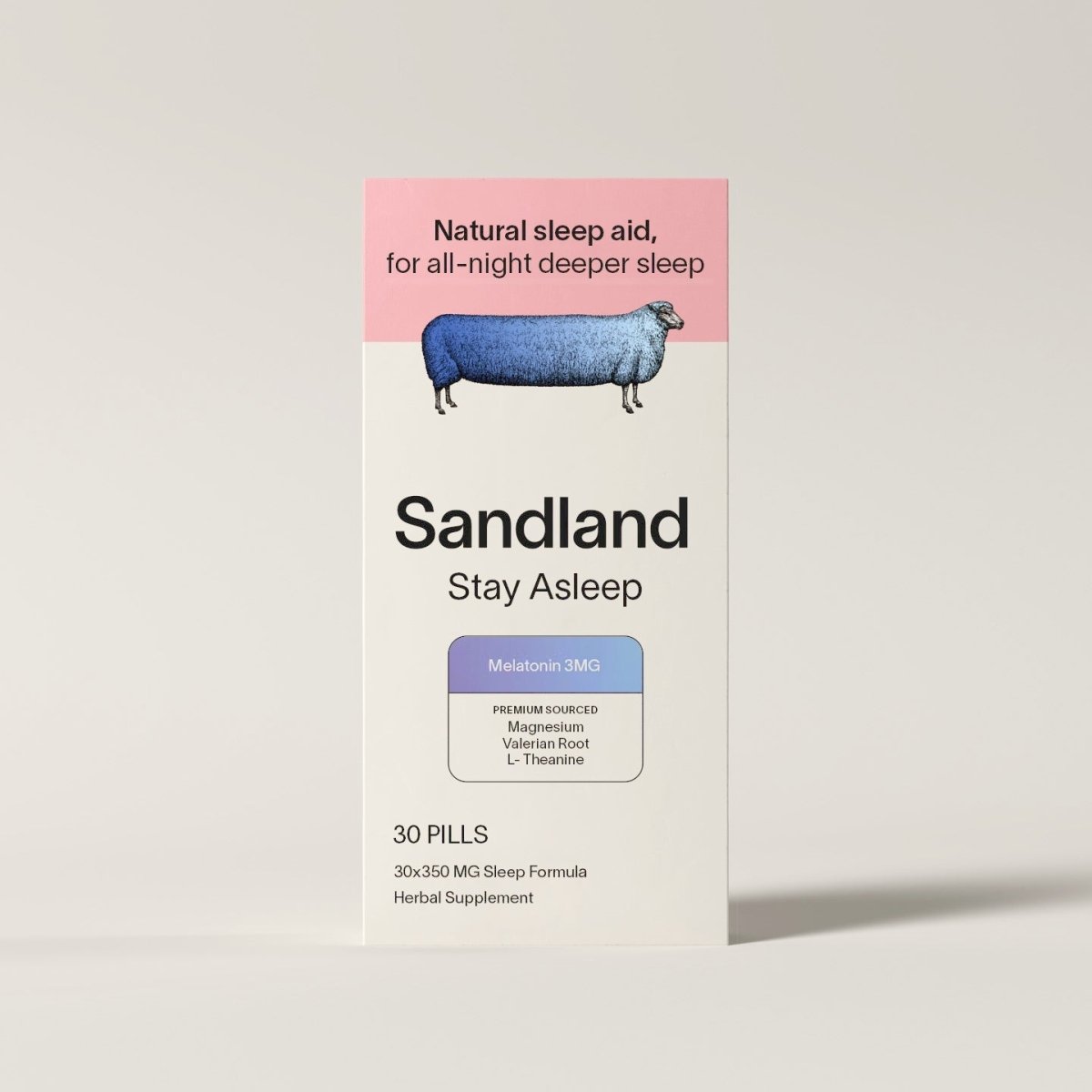
- Sleep supplements: Melatonin, Reishi mushroom, Ashwagandha, and Magnesium support natural sleep processes when combined with proper light hygiene
- Relaxation rituals: Infrared sauna sessions and humidified air create optimal conditions for deep, restorative sleep
World Sleep Day: Your Opportunity to Transform Sleep
This World Sleep Day, commit to better sleep through circadian science. Our World Sleep Day: Sleep Well, Live Better collection brings together evidence-based lighting, technology, and supplements to support every aspect of your sleep-wake cycle.
Special offer: Use code SLEEPWELL for 15% off all products in our World Sleep Day collection through March 15.
The Bottom Line
Your lighting choices have profound effects on sleep quality, energy levels, and long-term health. By aligning your light exposure with your circadian rhythm—bright, blue-rich light during the day and warm, dim light in the evening—you work with your biology rather than against it.
Start with one change tonight: switch to red or amber lighting 2 hours before bed. Your sleep will thank you.
Ready to optimize your sleep environment? Explore our complete World Sleep Day collection for circadian lighting, sleep technology, and wellness supplements backed by science.