Light Exposure and Sleep: A Science-Based Guide for Families
Understanding Your Family's Light-Sleep Connection
Light is the most powerful regulator of your family's sleep-wake cycles, yet most homes are filled with lighting that actively works against healthy sleep patterns. Understanding how different wavelengths of light affect your circadian rhythm—and your children's developing systems—is the first step toward creating a home environment that supports natural, restorative sleep.
This guide breaks down the science of light exposure and provides practical solutions for families who want to optimize their lighting for better sleep, mood, and overall wellness.
The Science: How Light Controls Your Internal Clock
Your body's circadian rhythm is a 24-hour biological cycle that regulates sleep, hormone production, body temperature, and countless other processes. This internal clock is primarily synchronized by light exposure through specialized cells in your eyes called intrinsically photosensitive retinal ganglion cells (ipRGCs).
These cells are particularly sensitive to blue light wavelengths (450-480nm)—the same spectrum emitted by the sun during midday, and unfortunately, by most modern LED lights, screens, and devices.
What Happens When You're Exposed to Blue Light at Night
- Melatonin suppression: Blue light signals your brain that it's daytime, suppressing melatonin production by up to 50%
- Delayed sleep onset: It takes longer to fall asleep, even when you feel tired
- Reduced sleep quality: Less time in deep, restorative sleep stages
- Circadian disruption: Your internal clock shifts later, making early mornings harder
For children, whose circadian systems are still developing, the impact can be even more pronounced, affecting everything from academic performance to emotional regulation.
Creating a Circadian-Supportive Home Environment
Daytime: Maximize Bright, Blue-Rich Light
During the day, especially in the morning, exposure to bright light with blue wavelengths helps set your circadian clock and promotes alertness. Natural sunlight is ideal, but when that's not possible, bright white lighting supports daytime energy and focus.
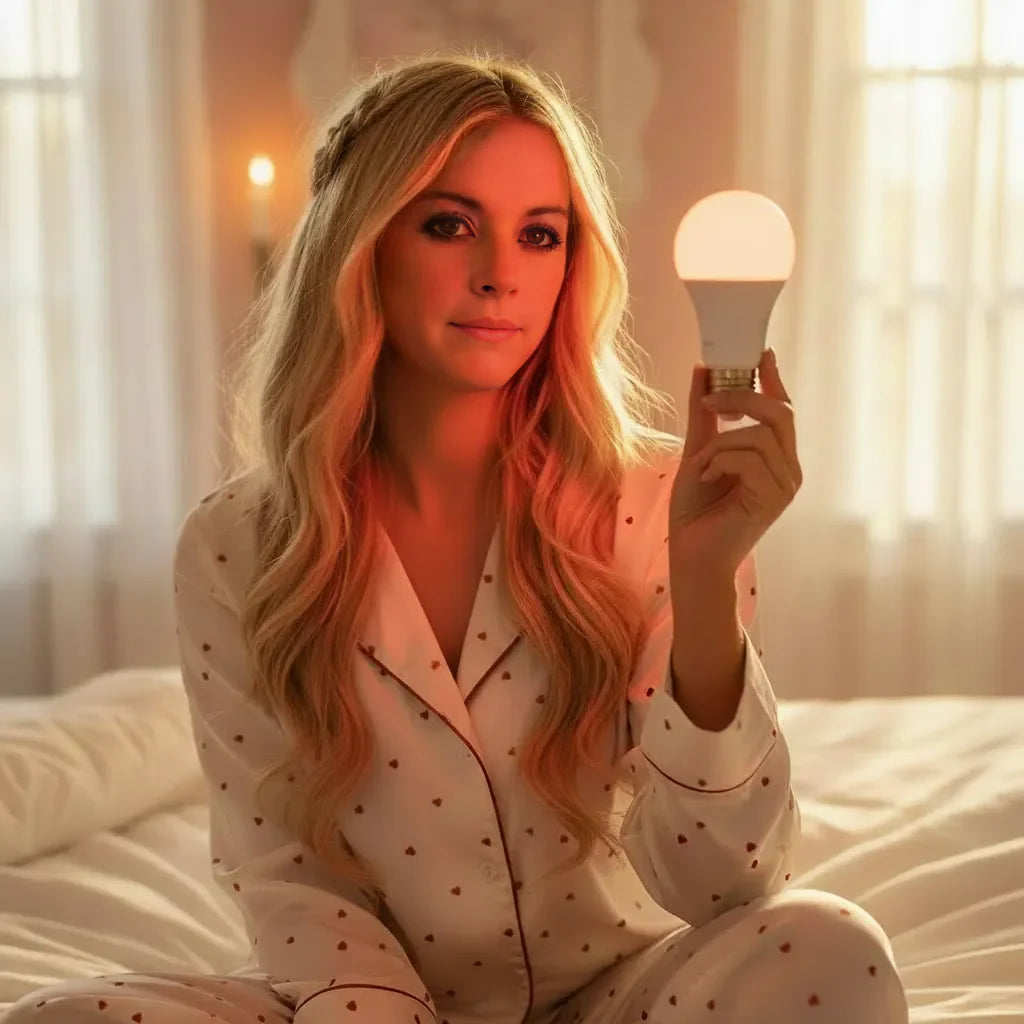
The SunCycle 3-Mode Circadian Bulb offers a bright white daytime setting that mimics natural daylight, helping your family stay alert and energized during morning and afternoon hours.

Evening: Transition to Warm, Amber Light
As the sun sets, your home lighting should shift to warmer tones that don't suppress melatonin. Amber light (around 590nm) filters out the blue wavelengths while still providing enough illumination for evening activities like cooking, homework, or family time.
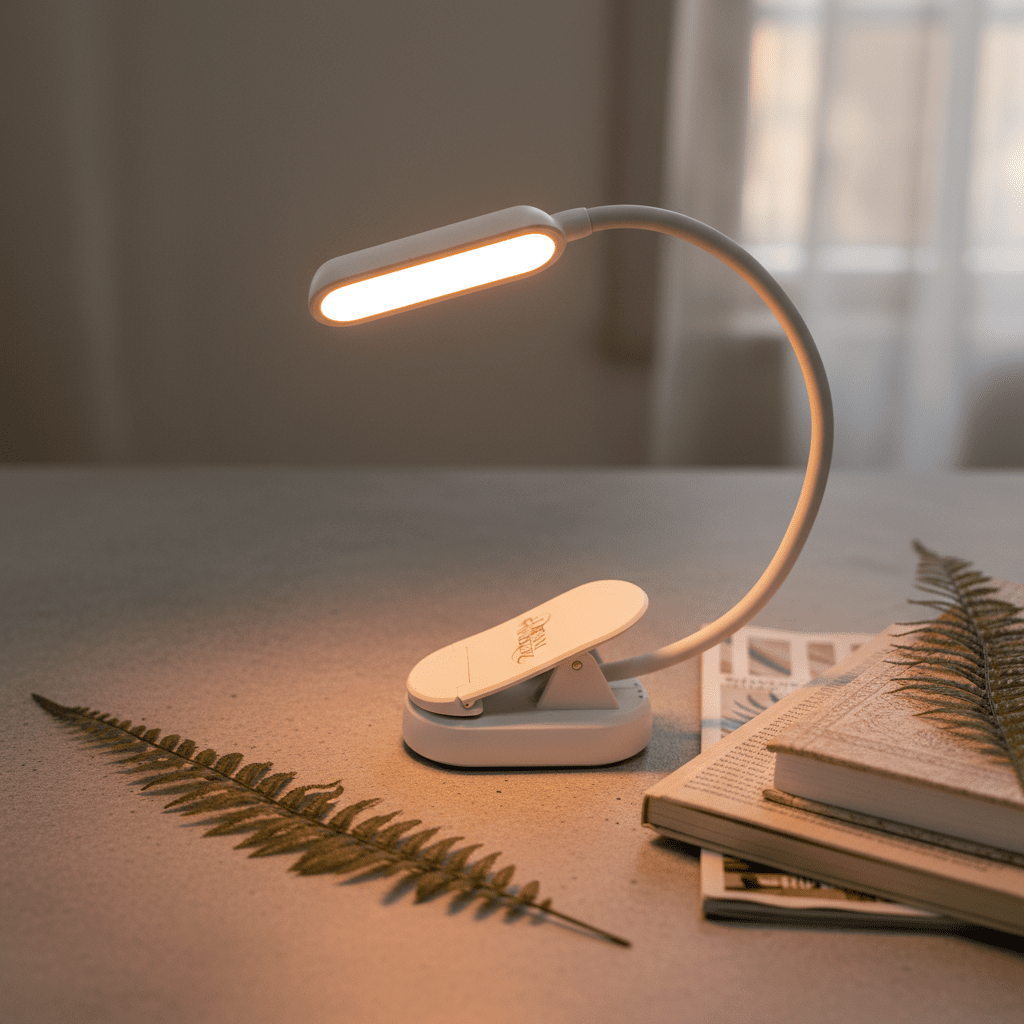
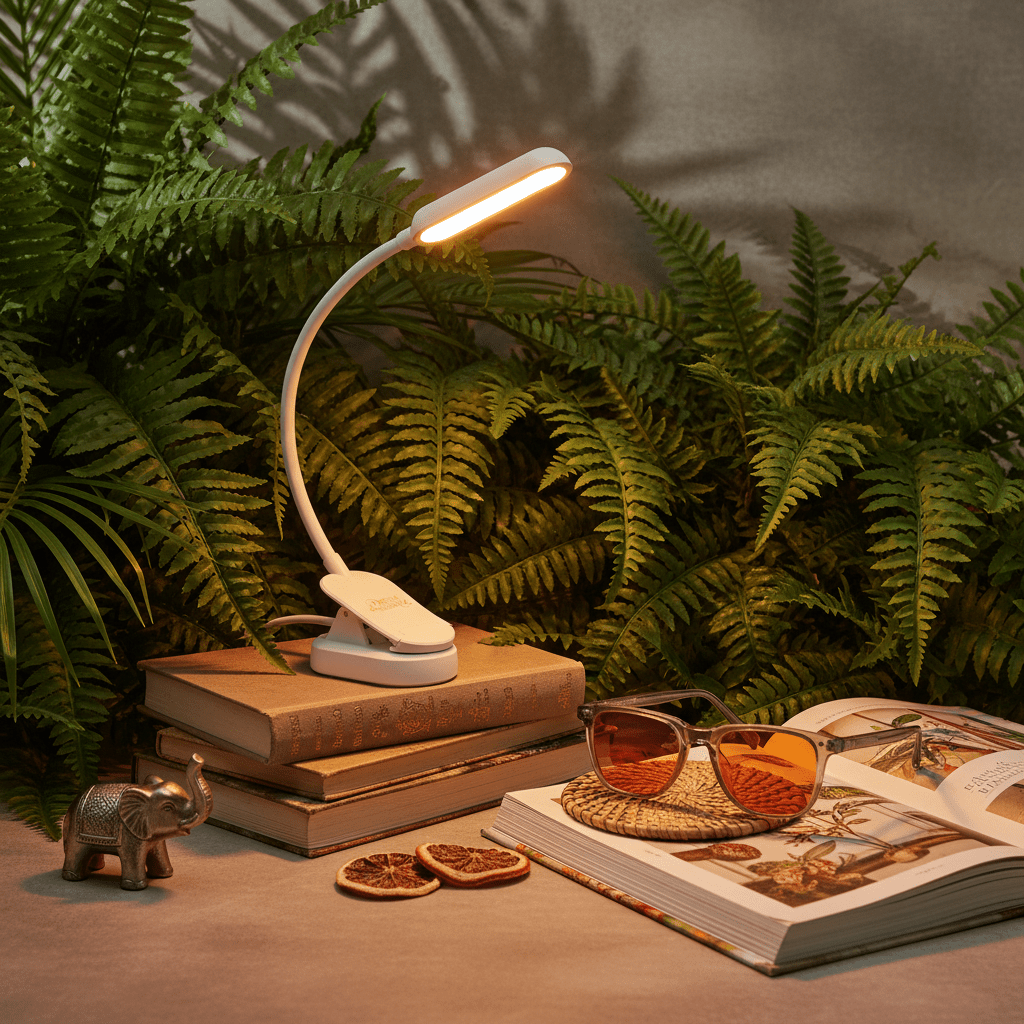
The Lumina Circadian Friendly Reading Lamp provides warm amber light perfect for evening reading, homework, or relaxing activities that won't interfere with your family's natural wind-down process.

Nighttime: Use Only Red-Spectrum Light
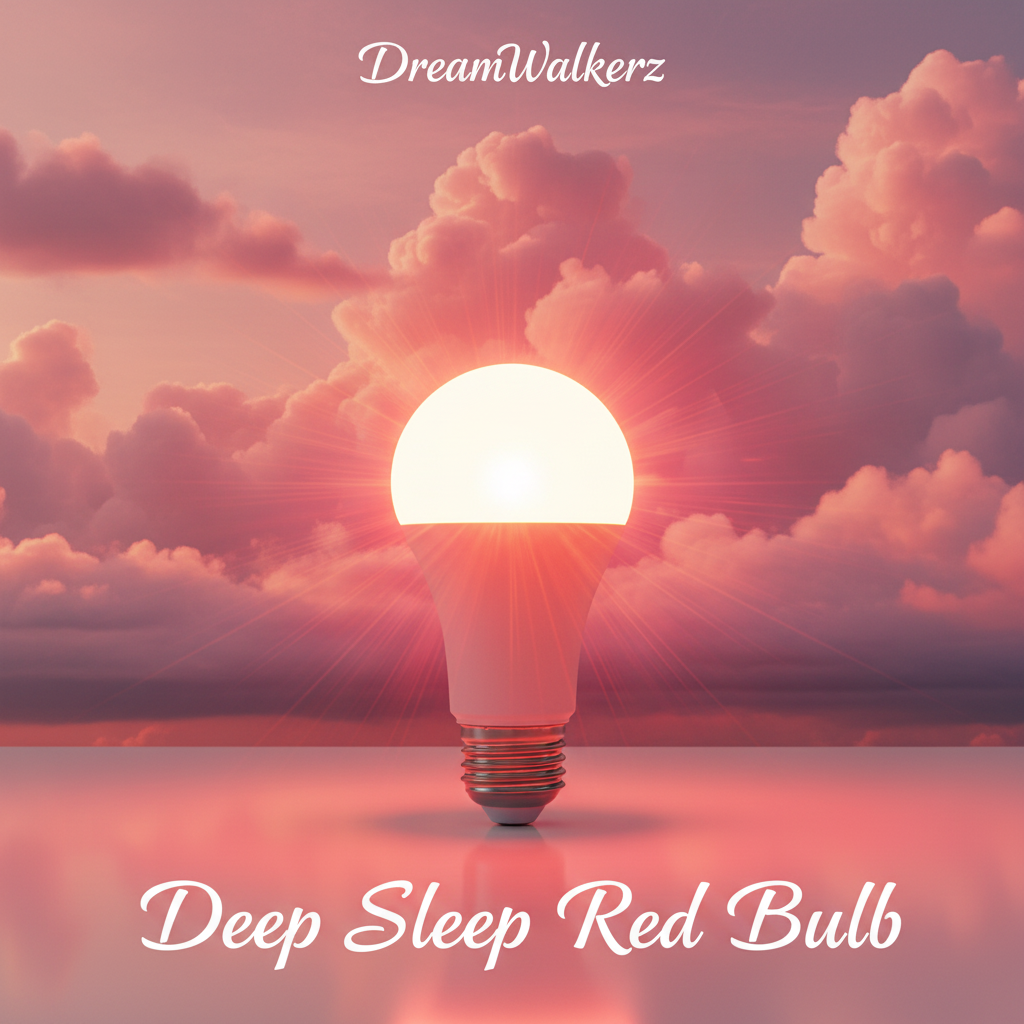
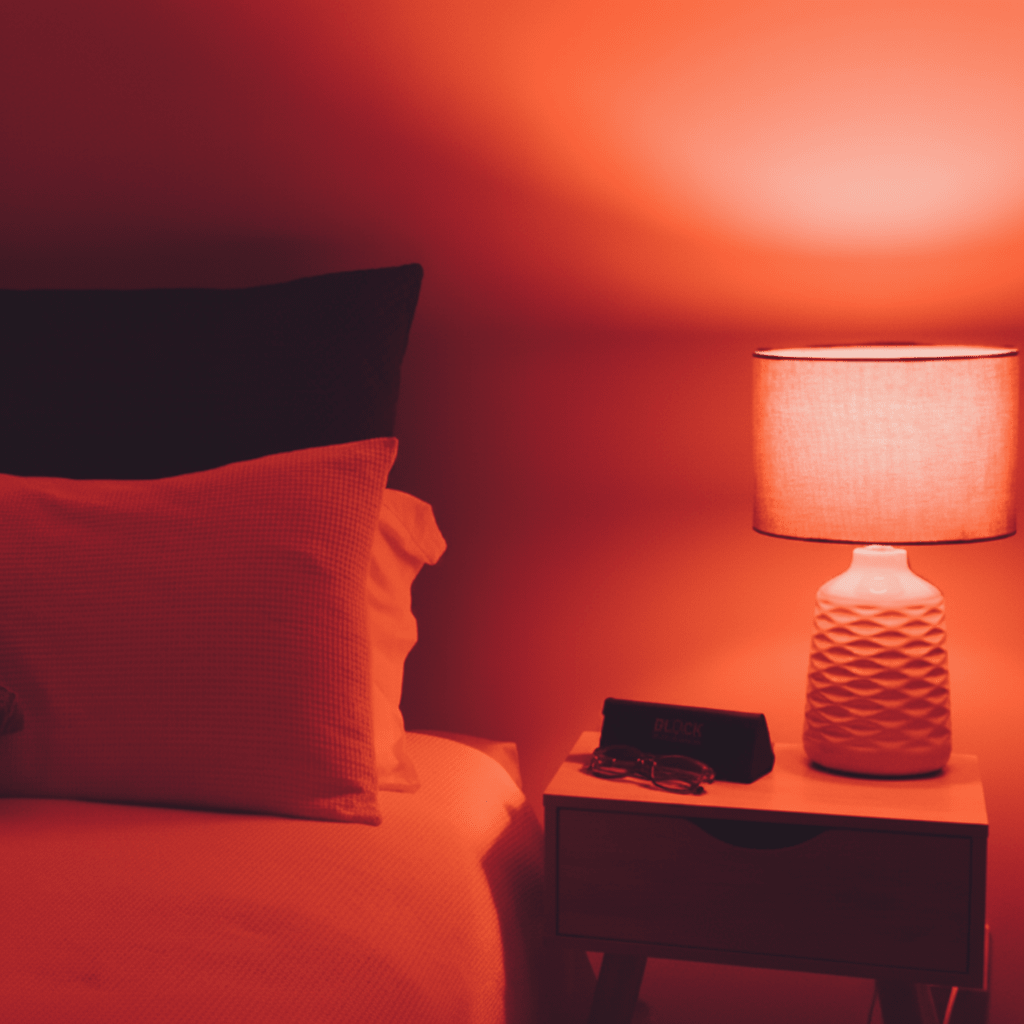
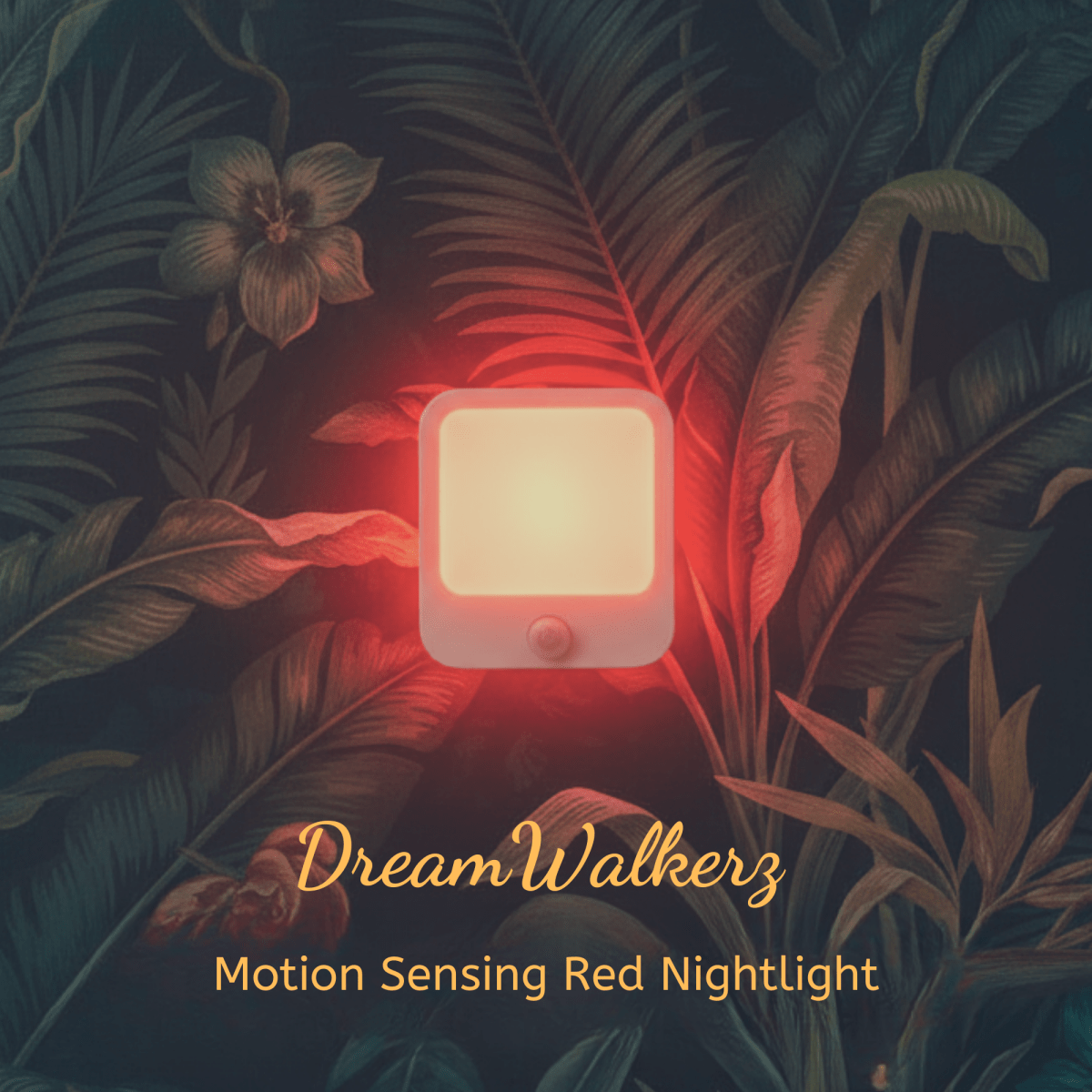
For nighttime hours—including middle-of-the-night bathroom trips or checking on children—red light (above 630nm) has minimal impact on melatonin production. This allows you to see what you need to without disrupting your sleep hormones.
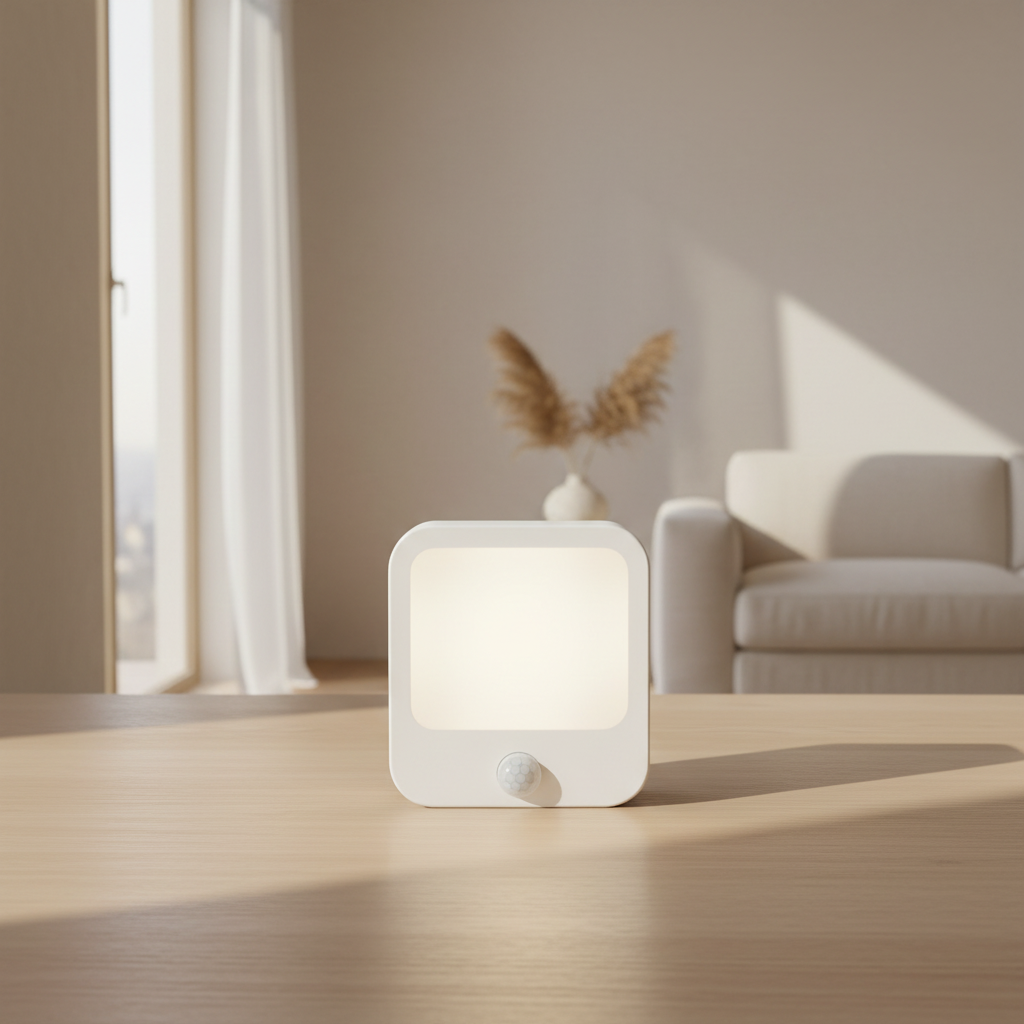
The MoonNest Circadian-Friendly Lamp is specifically designed for nurseries and bedrooms, providing gentle red-spectrum illumination that won't wake sleeping children or disrupt nighttime feedings.

Protecting Your Family from Screen Light
Screens are unavoidable in modern family life—homework, entertainment, communication, and work all happen on devices. The key is managing the light exposure from these screens, especially in the evening hours.
For Adults and Teens
The DreamWalkerz Nighttime Reader Sleep Glasses filter out blue and green light wavelengths, allowing you to use devices in the evening without suppressing melatonin. Perfect for evening work emails, reading on tablets, or watching shows as a family.

Stylish Protection for the Whole Family
The Dreamwave Tortoise Shell Sleep Glasses combine premium aesthetics with science-backed blue light filtering, making them perfect for family members who want effective protection without sacrificing style.

Your Family's Daily Light Schedule
Morning (6am-10am):
- Get outside for natural sunlight within 30 minutes of waking
- Use bright white lighting indoors
- Open curtains and blinds to maximize natural light
Daytime (10am-5pm):
- Continue with bright, natural or white lighting
- Encourage outdoor time during breaks
- Keep workspaces and study areas well-lit
Evening (5pm-9pm):
- Switch to warm amber lighting throughout the home
- Use blue light blocking glasses for screen time
- Dim overhead lights and use task lighting instead
Night (9pm-bedtime):
- Transition to red-spectrum lighting only
- Minimize all screen exposure
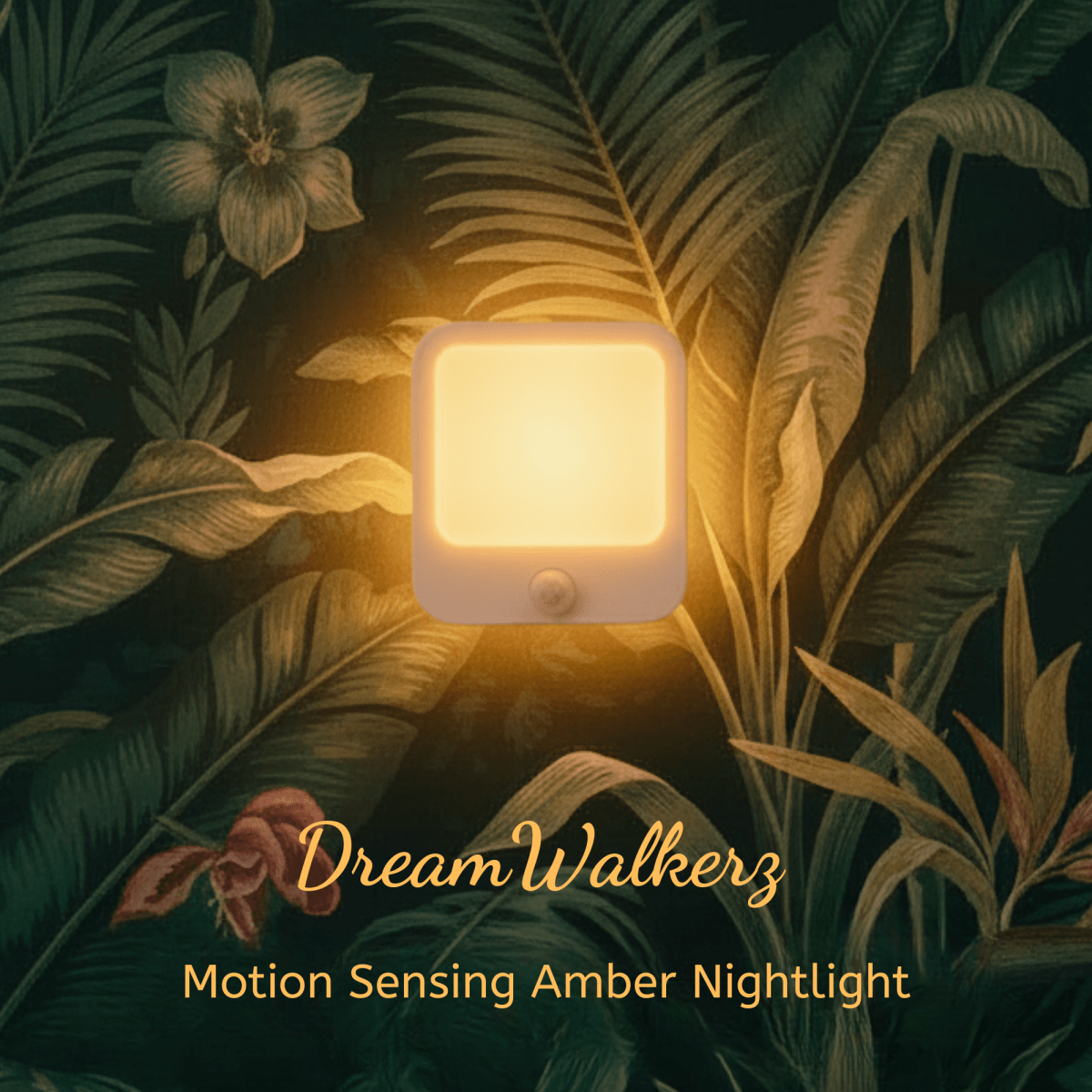
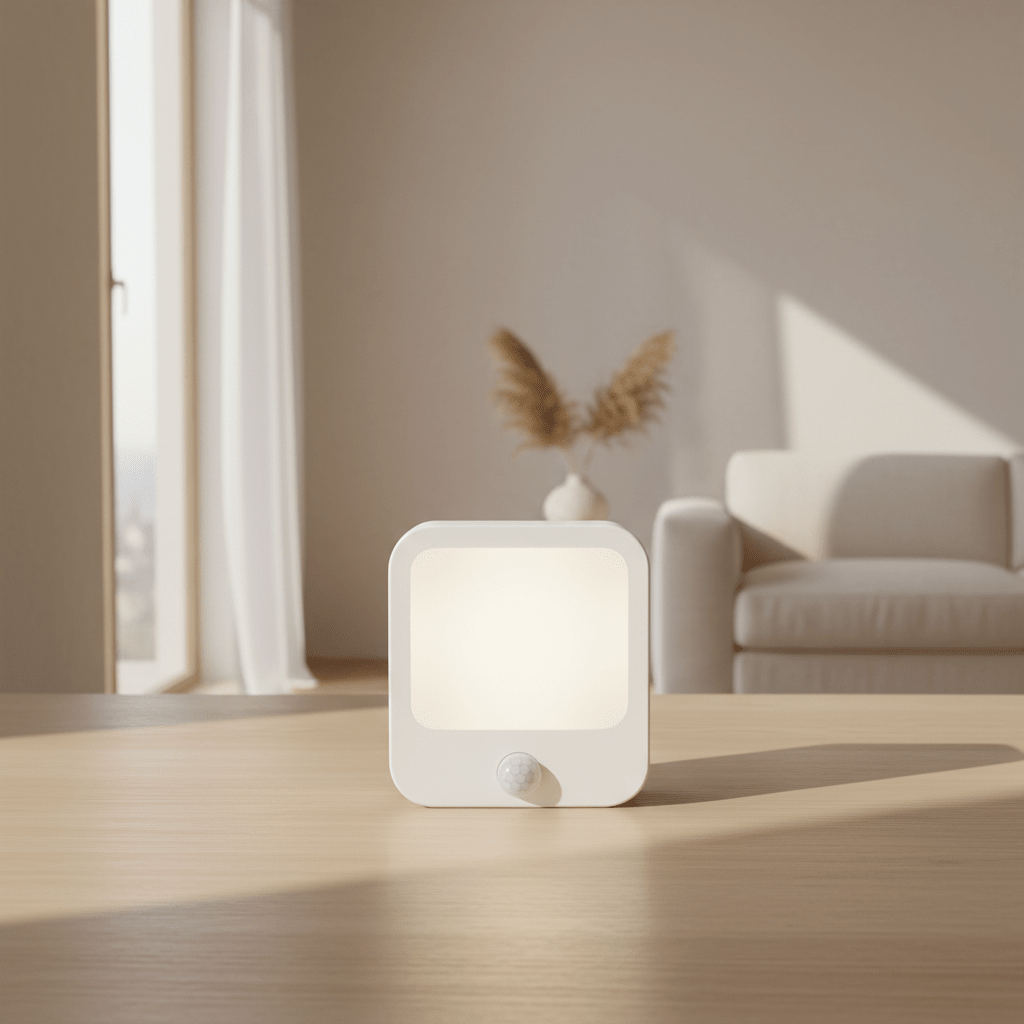
- Use circadian-friendly night lights in bathrooms and hallways
Special Considerations for Children
Children's circadian systems are more sensitive to light exposure than adults. Research shows that even small amounts of evening light can significantly delay children's natural sleep onset and reduce sleep quality.
Creating a consistent light schedule for your children—with bright mornings, dimmer evenings, and screen-free time before bed—can improve sleep duration, reduce bedtime resistance, and support better mood and behavior during the day.
The Dreamwalkerz Mission: Light Education for Families
Dreamwalkerz is a circadian-focused wellness brand designed specifically for women and families. Their mission centers on light education—helping families understand how light affects sleep, mood, and health, and providing practical solutions that integrate seamlessly into modern life.
Every Dreamwalkerz product is thoughtfully designed to support your family's natural circadian rhythm, from nursery lamps to sleep glasses to multi-mode bulbs that adapt throughout the day.
Start Small, See Big Results
You don't need to replace every light in your home overnight. Start with one room—perhaps the family room or your children's bedrooms—and notice the difference. Many families report that children fall asleep faster, wake less during the night, and have easier mornings when evening light exposure is managed properly.
Small changes to your family's light environment can create profound improvements in sleep quality, daytime energy, and overall wellness. By honoring your family's natural circadian rhythms, you're setting the foundation for healthier sleep patterns that will benefit everyone for years to come.
Ready to transform your family's sleep? Explore the complete Dreamwalkerz collection and discover circadian-friendly lighting solutions designed for modern families.