Myrrh, Copal, and Palo Santo: A Guide to Resin and Sacred Smoke Rituals
Before incense came in sticks, it came in chunks. Resin incense is one of the oldest forms of ritual burning in human history. Myrrh was traded across ancient trade routes. Copal was burned in Mesoamerican ceremony. Palo Santo has been used in South American healing traditions for centuries.
These are not trends. They are materials with deep roots, and they burn differently from stick incense in ways that matter.
Resin vs. Stick Incense: What Is the Difference?
Stick incense is convenient. You light it, set it in a holder, and it burns on its own. Resin incense requires more intention: a charcoal disc, a heat-safe burner, and a few minutes of setup. In return, you get a thicker, more complex smoke and a scent that is closer to the raw material.
Resin is generally considered more ceremonial. The process of preparing it is part of the ritual.
Myrrh Resin

Myrrh is warm, balsamic, and slightly bitter. It has been used in religious ceremony across Egypt, the Middle East, and Europe for millennia. In a modern home context, it is grounding and contemplative. It slows a room down.
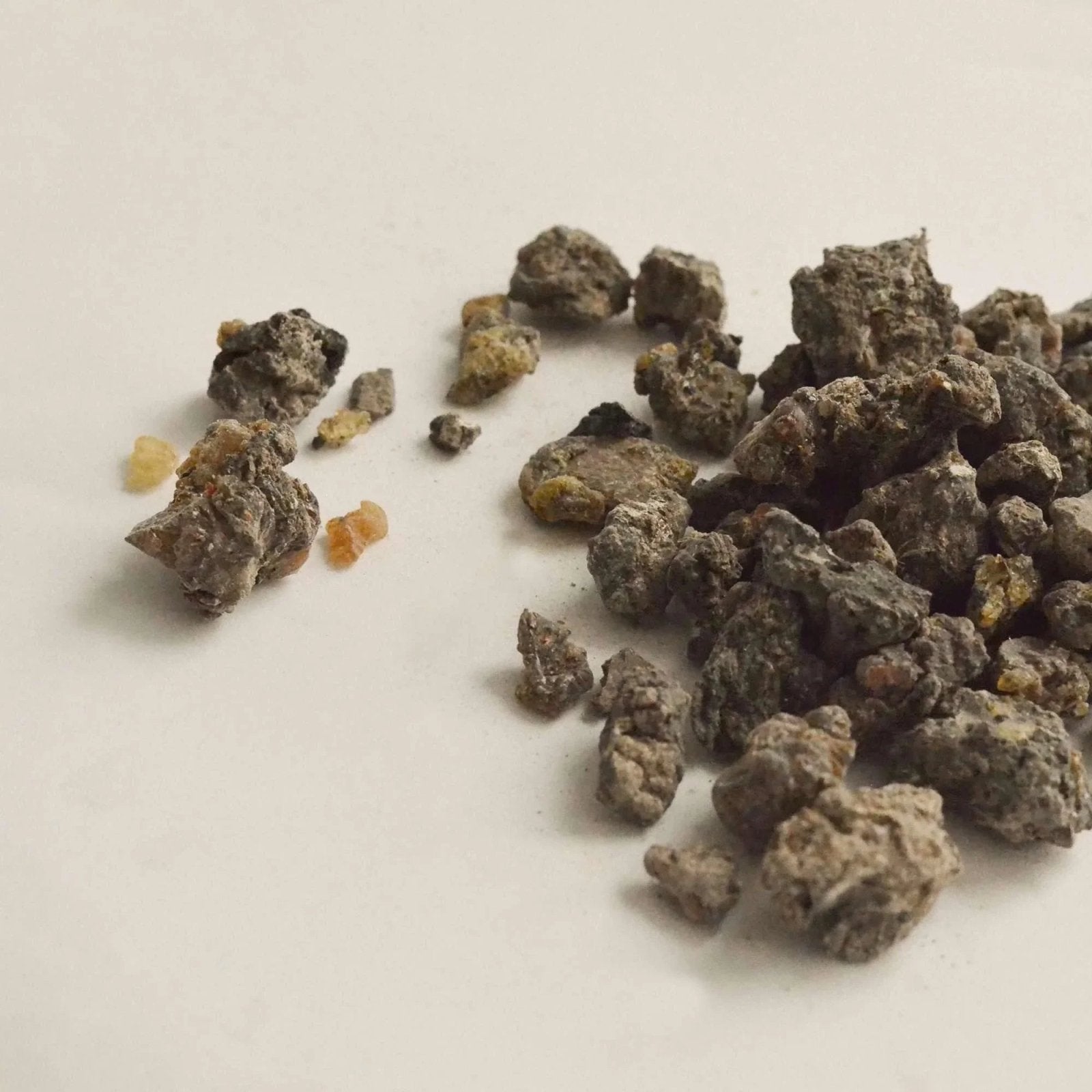
The Myrrh Resin 75g from Cedar and Myrrh is a generous quantity for regular use. Place a small piece on a lit charcoal disc and allow it to melt slowly. The scent builds over several minutes and lingers long after the resin is spent.
Black Copal Resin

Black copal is earthier and more resinous than white copal, with a deep, smoky quality that pairs well with myrrh. It originates in Mesoamerica and has long been used for purification and spiritual clearing.
The Black Copal Resin 75g can be burned alone or blended with myrrh on the same charcoal disc for a layered, complex smoke.
The Right Burner

Resin requires a heat-safe vessel. The Brass Resin Incense Burner is designed for this purpose, with enough depth to hold a charcoal disc safely and a form that looks considered on any surface. Use it with a pair of tongs to handle the charcoal disc once lit.
Palo Santo: The Stick That Burns Like Resin

Palo Santo occupies a middle ground between resin and stick incense. It is a wood, burned directly, and produces a sweet, citrusy smoke with a warmth that is immediately recognizable. It is lighter than myrrh or copal and works well as an opener to a ritual before moving to heavier resins.
The Peruvian Palo Santo Sticks from Cedar and Myrrh are sustainably sourced and naturally fallen, meaning no living trees are harvested.
For Travel and On-the-Go Ritual

If you want to bring a smudging ritual on the road, the Pure Vibes Travel Smudging Kit from Yogo is a compact, thoughtfully assembled option. Everything is sized for travel without sacrificing the integrity of the ritual.

The Sustainable Palo Santo Travel Smudging Kit is another Yogo option, focused specifically on Palo Santo and built around sustainable sourcing.
The Complete Ritual Kit

If you are new to resin and sacred smoke rituals and want a single starting point, the Sacred Burning Ritual Kit from Cedar and Myrrh brings together incense, Palo Santo, and sage in one package. It is a good introduction to the range of what smoke-based ritual can offer.
Pair Your Resin Practice with Hand-Rolled Stick Incense

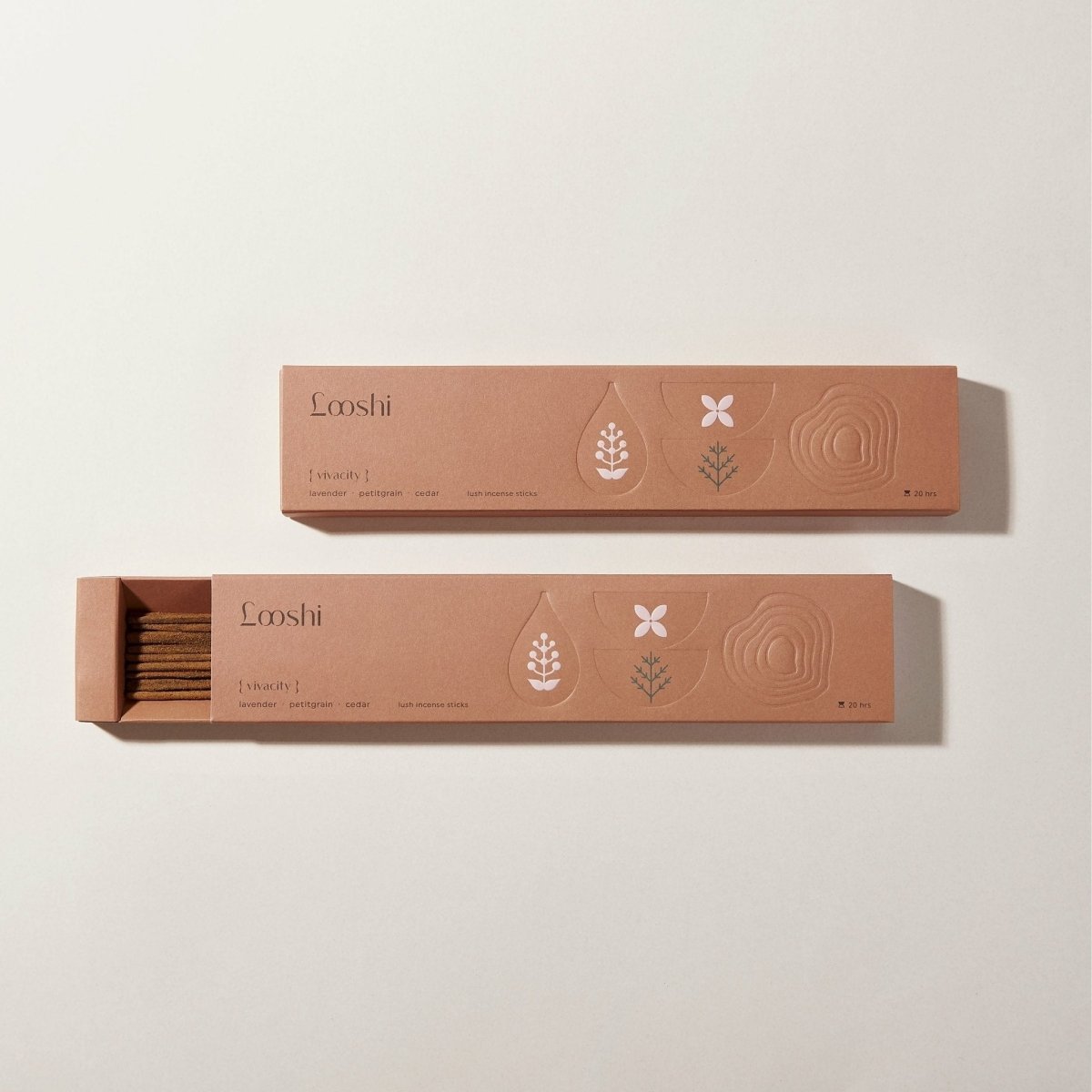
Resin rituals are immersive and deliberate. For days when you want the grounding quality of sacred smoke without the setup, Calm Incense Sticks by Looshi offer a lighter, more immediate alternative. Hand-rolled in Southern India using natural ingredients, they carry the same intention as resin in a format that takes seconds to light.

For something earthier, Rewild Incense Sticks by Looshi sit closest in character to copal and Palo Santo: forest-rooted, grounding, and alive. A natural companion to a resin practice.
Explore the full Looshi collection at Nanaka.
Frequently Asked Questions
What is the difference between myrrh resin and stick incense?
Resin is the raw, unprocessed form of the aromatic material. It requires a charcoal disc to burn and produces a thicker, more complex smoke. Stick incense is processed and convenient, burning on its own with a lighter smoke.
How do you burn myrrh resin?
Light a charcoal disc, place it in a heat-safe burner, and allow it to ash over for a few minutes. Then place a small piece of myrrh resin on top. The heat will melt and vaporize the resin, releasing the scent.
What does copal smell like?
Black copal has a deep, earthy, resinous scent with a smoky quality. It is heavier and more grounding than white copal and pairs well with myrrh.
Is Palo Santo sustainable?
Sustainably sourced Palo Santo comes from naturally fallen trees, not harvested living wood. Look for products that specify sustainable or naturally fallen sourcing, as the Peruvian and Yogo options at Nanaka do.
Can you mix resins?
Yes. Myrrh and black copal work well together on the same charcoal disc, producing a layered, complex smoke. Start with small amounts of each and adjust to your preference.
What is Looshi incense?
Looshi is an artisan incense brand that hand-rolls sticks in Southern India using natural ingredients including raw honey, wood powders, and upcycled activated coconut charcoal. Their sticks are a natural complement to a resin practice.