The Science of PEMF, Infrared, and Red Light: Why Combining All Three Changes Everything
Most people discover red light therapy looking for one thing: less pain, faster recovery, better sleep, clearer skin. What they find, once they start researching, is that the most effective at-home devices don't rely on a single wavelength or a single technology. They stack multiple therapeutic modalities together, and there's a good reason for that.
This article breaks down what PEMF, infrared, and red light therapy each do on their own, why combining them produces results that none of them can achieve alone, and what to look for in a device that does all three well.
What Is Red Light Therapy?
Red light therapy uses specific wavelengths of visible red light, typically in the 630 to 660 nanometer range, to penetrate the skin and stimulate cellular activity. The primary mechanism is photobiomodulation: light energy is absorbed by mitochondria, which then produce more adenosine triphosphate (ATP), the molecule cells use for energy.
More cellular energy means faster tissue repair, reduced oxidative stress, and improved circulation. Research has linked red light therapy to benefits including reduced inflammation, accelerated wound healing, improved skin tone, and relief from musculoskeletal pain.
Red light works primarily at the surface and mid-tissue level. It's excellent for skin, joints close to the surface, and localized inflammation.
What Is Near-Infrared Therapy?
Near-infrared (NIR) light sits just beyond the visible spectrum, typically between 800 and 1000 nanometers. Because it has a longer wavelength than red light, it penetrates significantly deeper into tissue, reaching muscles, tendons, and even bone.
NIR therapy works through the same photobiomodulation pathway as red light, but its deeper reach makes it especially effective for muscle recovery, joint pain, and systemic inflammation. Many high-quality devices combine red and near-infrared wavelengths to address both surface and deep tissue simultaneously.
Far infrared goes even further. Rather than stimulating cells directly with light, far infrared generates gentle heat that penetrates deep into the body, promoting circulation, lymphatic drainage, and detoxification. This is the technology behind infrared saunas.
What Is PEMF Therapy?
Pulsed electromagnetic field (PEMF) therapy uses low-frequency electromagnetic pulses to interact with the body's own electrical systems. Every cell in the body has an electrical charge, and that charge can become disrupted by injury, chronic stress, or inflammation.
PEMF therapy works by delivering precisely calibrated electromagnetic pulses that help restore healthy cellular voltage. Research has shown it can reduce pain and inflammation, improve circulation, support bone healing, and enhance the body's natural recovery processes.
Unlike red light and infrared, PEMF doesn't rely on heat or light. It works through electromagnetic resonance, which means it can reach areas that light-based therapies cannot, including deep joints, the spine, and internal organs.
Why Combining All Three Produces Better Results
Each of these technologies addresses recovery and healing through a different mechanism and at a different depth. That's exactly why combining them is so powerful.
Red light works at the cellular level near the surface. Near-infrared reaches deeper tissue. Far infrared generates therapeutic heat that improves circulation and supports detoxification throughout the body. PEMF restores cellular electrical balance and reaches areas that light cannot.
When you use all three together, you're addressing inflammation, circulation, cellular energy, and electromagnetic balance simultaneously. The result is a more complete recovery environment than any single modality can create.
Think of it this way: red light and NIR are like targeted cellular repair tools. Far infrared is like a deep-tissue warm bath that opens circulation. PEMF is like a reset signal for cells that have lost their healthy charge. Together, they work on the same problem from multiple angles at once.
What to Look for in a Multi-Modality Device
Not all combination devices are created equal. Here's what matters:
Wavelength specificity. Look for devices that specify their red light (630-660nm) and near-infrared (800-1000nm) wavelengths. Vague claims about "infrared" without wavelength data are a red flag.
PEMF frequency range. Therapeutic PEMF typically operates between 1 and 100 Hz. Devices that offer multiple frequency settings give you more flexibility to target different conditions.
Gemstone or crystal layers. Some advanced pads incorporate natural gemstones like amethyst, jade, tourmaline, and rose quartz. These materials are known to enhance infrared absorption and emit negative ions, which may amplify the therapeutic effect of the infrared layer.
Coverage area. A device that covers your full back, or your entire body, delivers a fundamentally different experience than a small targeted panel. For systemic recovery, size matters.
Build quality and controls. A device you'll use daily needs to be durable, easy to operate, and precise enough to let you adjust intensity and frequency independently.
Two Devices That Get This Right
If you're looking for a multi-modality device that combines all three technologies, here are two of the most well-regarded options available.
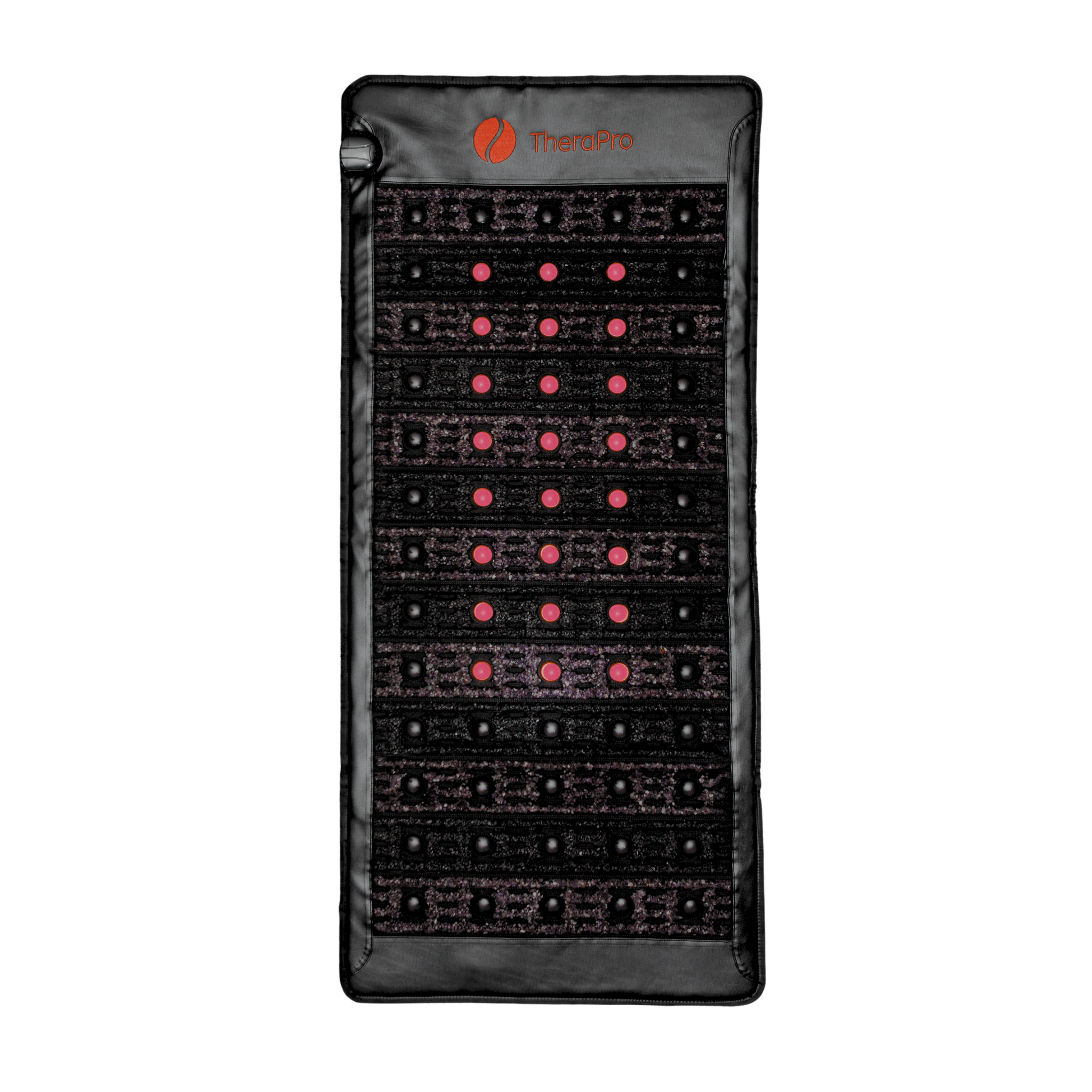
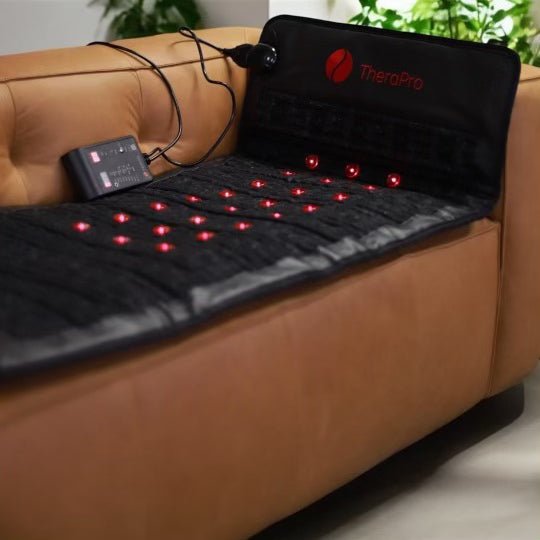
Therasage TheraPro PEMF, Infrared and Red Light Therapy Recovery Pad
The Therasage TheraPro combines full-spectrum infrared (near and far), red light therapy, PEMF with nine selectable healing frequencies, a TENS unit, and a gemstone layer of rose quartz, amethyst, jade, tourmaline, and shungite crystals. The result is one of the most layered recovery pads available for home use.

It's available in a regular size for targeted use on the back, abdomen, or legs, and a large size for full-body coverage. The controls let you adjust heat, PEMF frequency, and red light independently, so you can tailor each session to what your body needs.
HigherDOSE Infrared PEMF Pro Mat
The HigherDOSE Infrared PEMF Pro Mat takes a sleeker, more design-forward approach to the same concept. It combines infrared heat with PEMF therapy and a crystal layer, and has earned recognition from Goop, Esquire, and Women's Health for its performance and build quality.

It's a full-body mat designed for daily use, with a focus on recovery, stress reduction, and sleep quality. If you prefer a more minimal aesthetic and a brand with a strong wellness community following, the HigherDOSE mat is worth a close look.
Both devices are available in the red light therapy collection at nanaka.co.
Frequently Asked Questions
Can I use PEMF, infrared, and red light therapy at the same time?
Yes. Devices like the TheraPro and HigherDOSE PEMF Pro Mat are specifically designed to deliver multiple modalities simultaneously. Using them together is safe and is the intended use case.
How long should a session be?
Most manufacturers recommend sessions of 20 to 40 minutes. Starting with shorter sessions and gradually increasing duration is a good approach, especially if you're new to any of these modalities.
Is PEMF therapy safe?
PEMF therapy has been studied extensively and is considered safe for most people. Those with pacemakers, implanted electrical devices, or who are pregnant should consult a healthcare provider before use.
What's the difference between near-infrared and far-infrared?
Near-infrared penetrates deeper into tissue and works primarily through photobiomodulation. Far infrared generates therapeutic heat and is better known for its detoxification and circulation benefits. The most effective devices use both.
Do gemstones actually enhance infrared therapy?
Certain gemstones, particularly tourmaline and amethyst, are known to emit far-infrared radiation naturally when heated. Incorporating them into a therapy pad can enhance and sustain the infrared output. They also emit negative ions, which some research associates with improved mood and reduced oxidative stress.
What is the difference between the TheraPro and the HigherDOSE PEMF Pro Mat?
The TheraPro includes more modalities (red light, full-spectrum infrared, PEMF, TENS, and a gemstone layer) with granular independent controls, making it the more clinical of the two. The HigherDOSE mat prioritizes design and ease of use, with a strong focus on infrared and PEMF for daily wellness routines. Both are excellent, and the right choice depends on how hands-on you want to be with your sessions.