What Is Red Light Therapy? A Complete Guide to At-Home Red Light Devices
Red light therapy has moved from dermatology offices and pro locker rooms into the home, and the science behind it is more established than most wellness trends. Whether you are focused on skin radiance, thinning hair, muscle recovery, or joint pain, red and near-infrared light offer a non-invasive, drug-free way to support your body at the cellular level. Here is everything you need to know before you buy.
What Is Red Light Therapy?
Red light therapy (also called low-level light therapy, LLLT, or photobiomodulation) uses specific wavelengths of red and near-infrared light to stimulate activity inside your cells. Unlike UV light, it does not damage the skin. Instead, the light is absorbed by the mitochondria, the energy engines of your cells, where it helps increase the production of ATP, the molecule your cells run on.
More cellular energy means cells can repair, regenerate, and do their jobs more efficiently. That single mechanism is why one technology shows up in so many different routines, from skincare to athletic recovery.
What Does Red Light Therapy Help With?
Research and clinical use point to a wide range of applications:
- Skin and collagen: supports collagen production, skin tone, and the appearance of fine lines and wrinkles
- Hair growth: red light around 650nm is used to stimulate follicles and support thicker-looking hair
- Muscle recovery: reduces soreness and supports faster recovery after training
- Joint and pain relief: near-infrared penetrates deeper to reach inflamed joints and connective tissue
- Skin healing: supports the skin's natural repair process
- Circulation: encourages blood flow to the treated area

Understanding Wavelengths: Red vs. Near-Infrared
Not all red light is the same, and wavelength is what determines how deep the light travels and what it treats. Quality devices list their output in nanometers (nm):
- Red light (630 to 660nm): works at the surface. Best for skin tone, collagen, redness, and complexion
- Near-infrared (810 to 850nm): invisible to the eye and penetrates deeper into muscle, joints, and tissue. Best for recovery and pain
The strongest devices combine both, so you get surface skin benefits and deeper recovery in a single session. When you compare devices, look for the exact wavelengths listed. A device that hides its specs is usually one to skip.
Red Light Therapy at Home: What to Look For
- Published wavelengths: the maker should tell you the exact nm ranges, ideally both red and near-infrared
- Irradiance: the power density (measured in mW/cm2) determines how long your sessions need to be
- Treatment area: a face mask, a targeted joint device, and a full-body panel solve very different problems
- Hands-free design: the device you can wear while doing something else is the one you will actually use every day
- Established maker: buy from brands that publish testing and stand behind their claims
The Best At-Home Red Light Devices
The right device depends on what you are treating. Here are the pieces we recommend, from an easy entry point to full-body recovery.
TheraSculpt Facial Device: the most accessible way to start. A handheld red light and facial sculpting tool for tone, circulation, and lymphatic drainage. Ideal if you want to try red light on the skin without a large commitment.
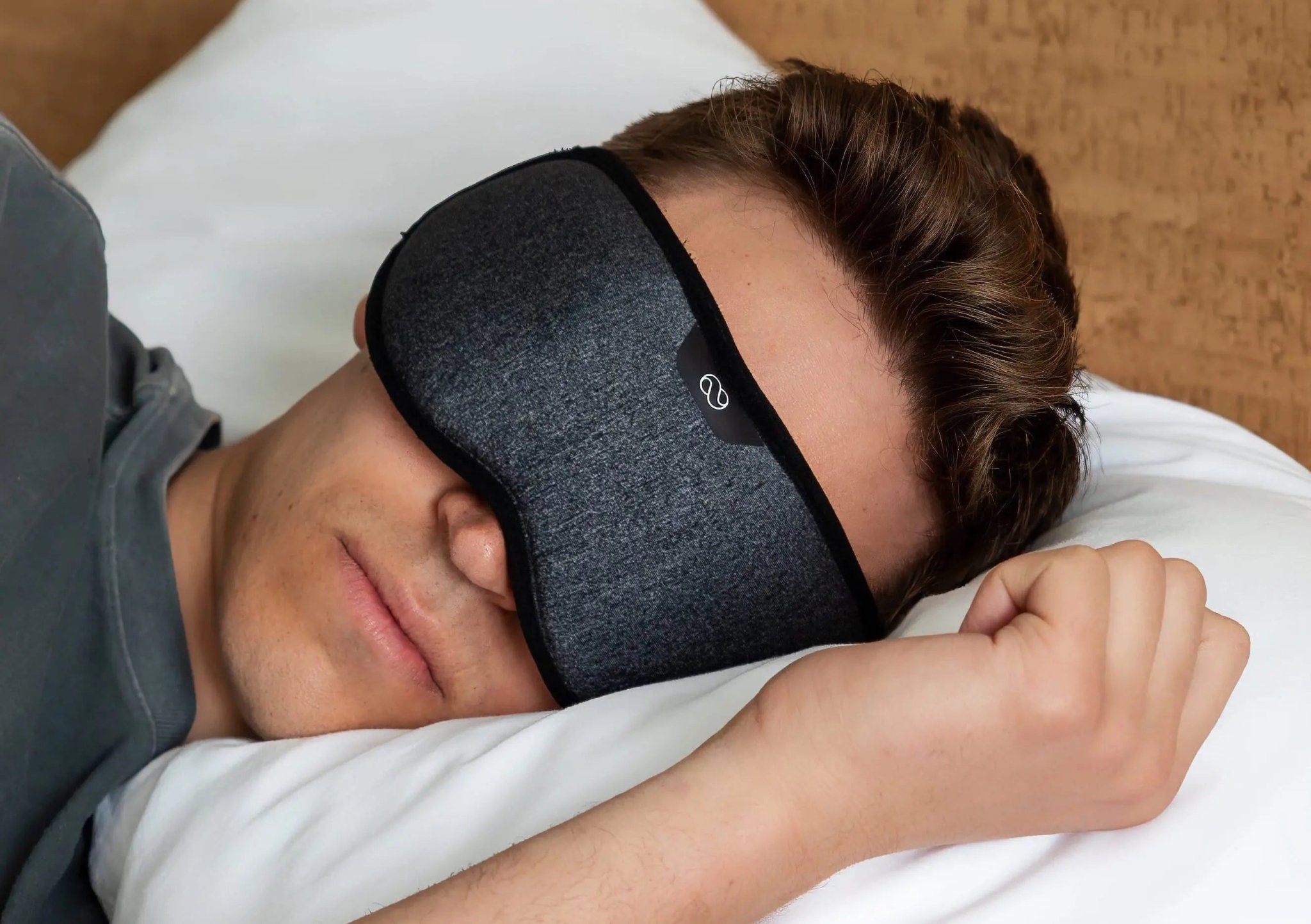
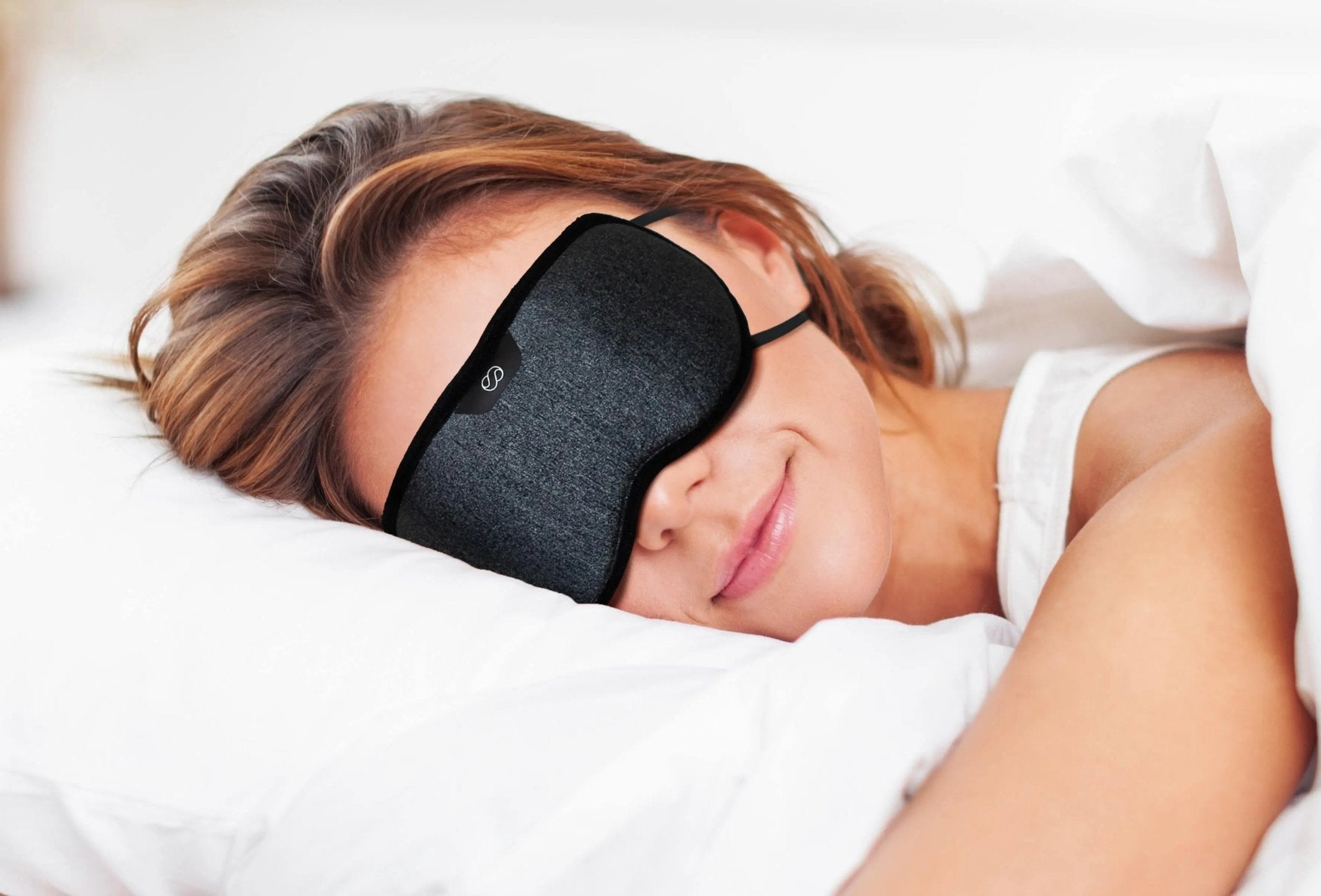
Novaa Glow Therapy Mask: a hands-free, medical-grade LED mask for the whole face. Wear it for a few minutes while you get ready. Best for consistent, no-effort skin sessions.
The Mask by Renew Red Light: a full-face red and near-infrared mask for radiance and a firmer-looking complexion. Best for the buyer who wants a premium, clinically focused mask at the same price point as the category leaders.
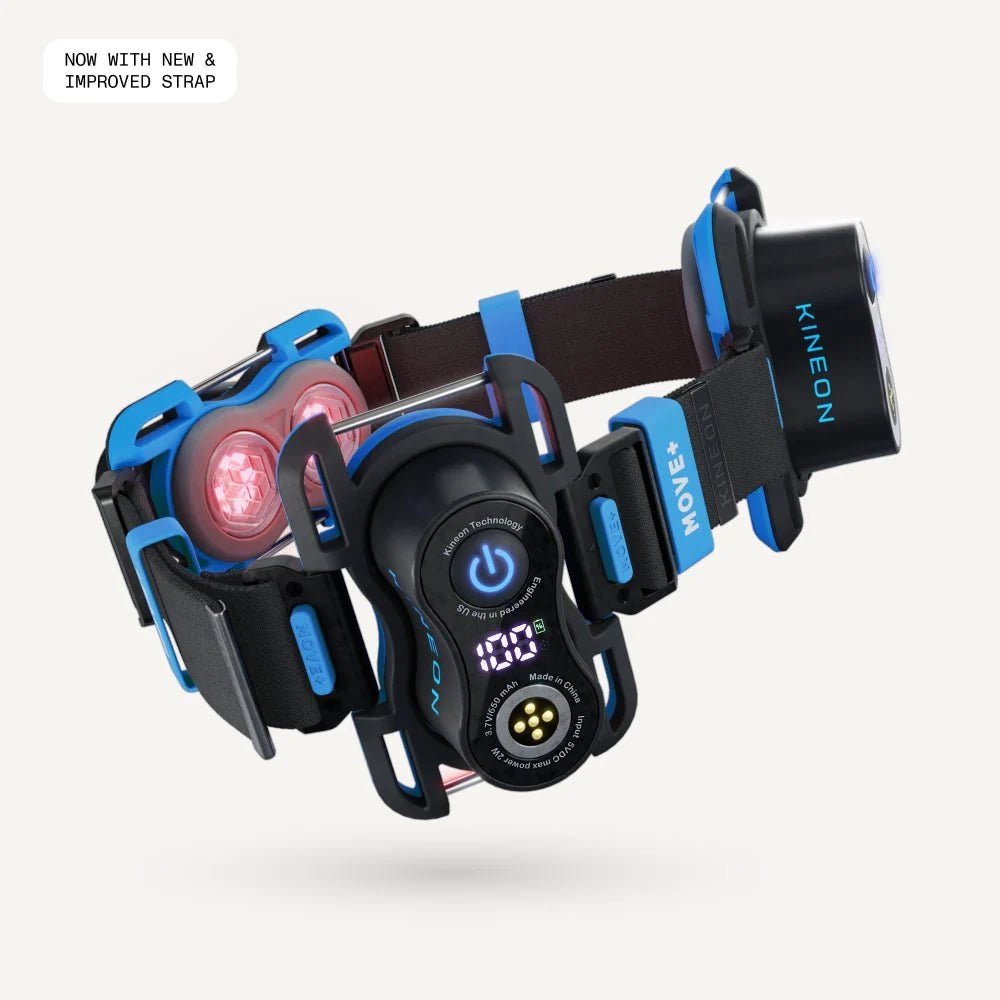
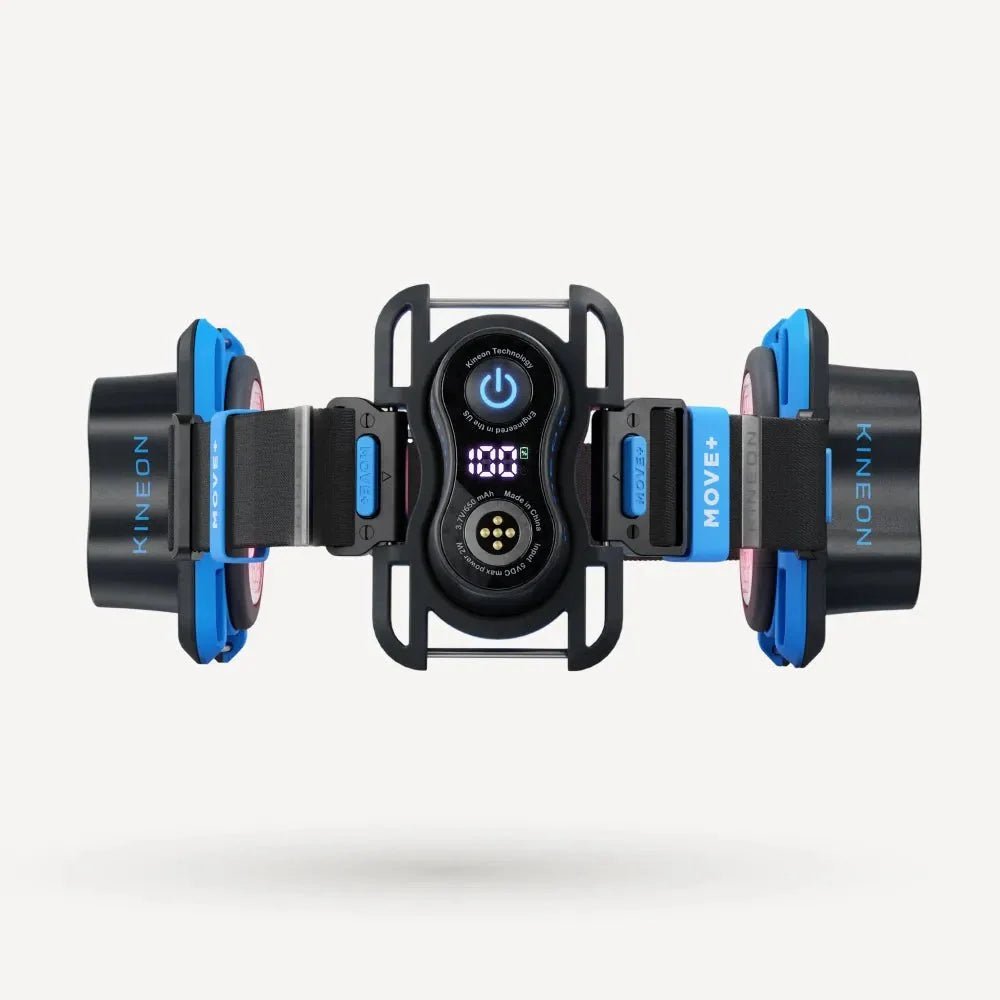
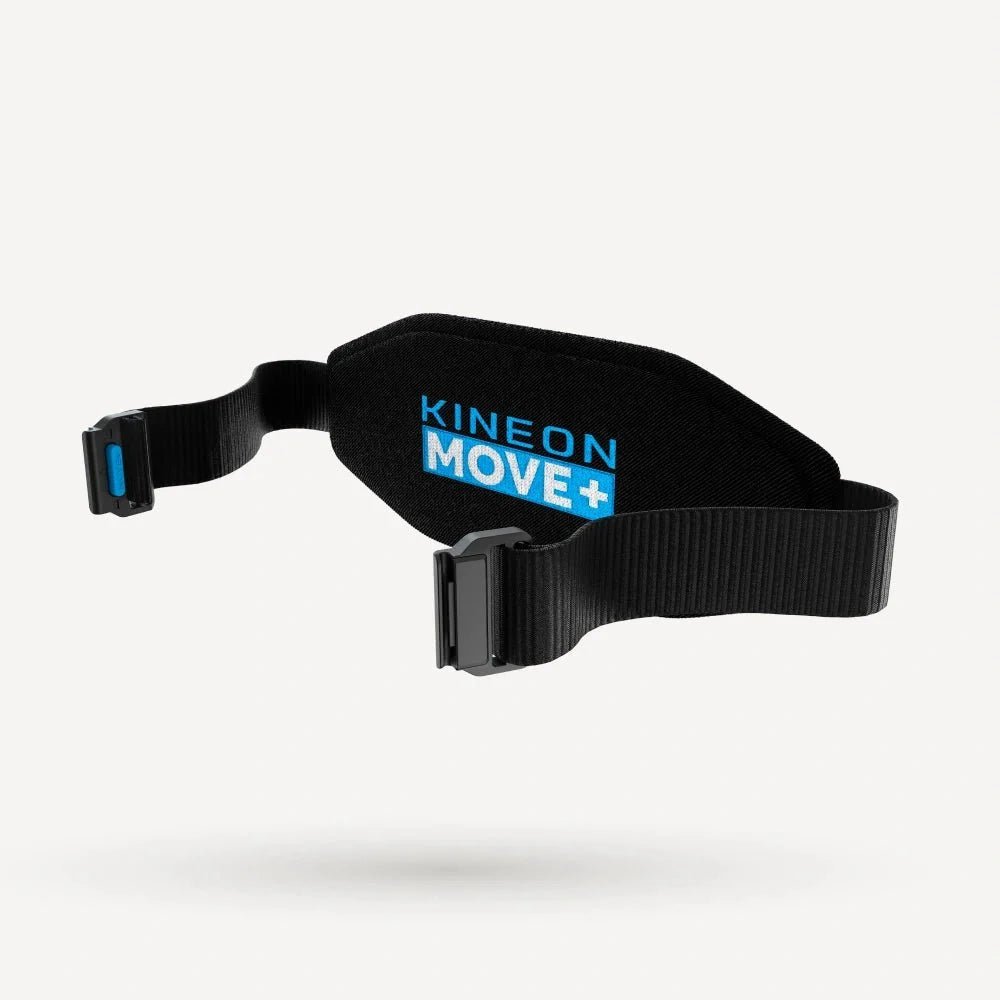
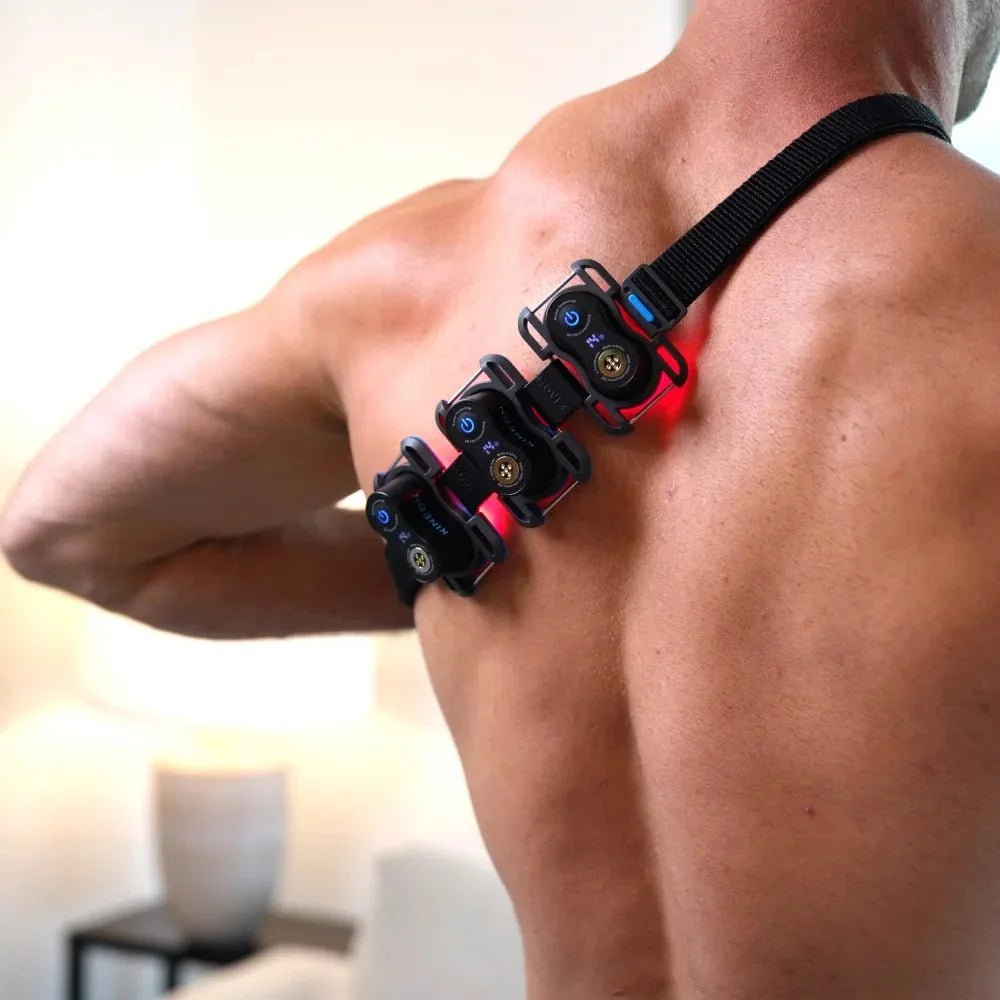
The MOVE+ by Kineon: a targeted red and laser light device built for joints, delivering deeper light to knees, backs, and problem areas. FDA-registered. Best for pain and recovery.
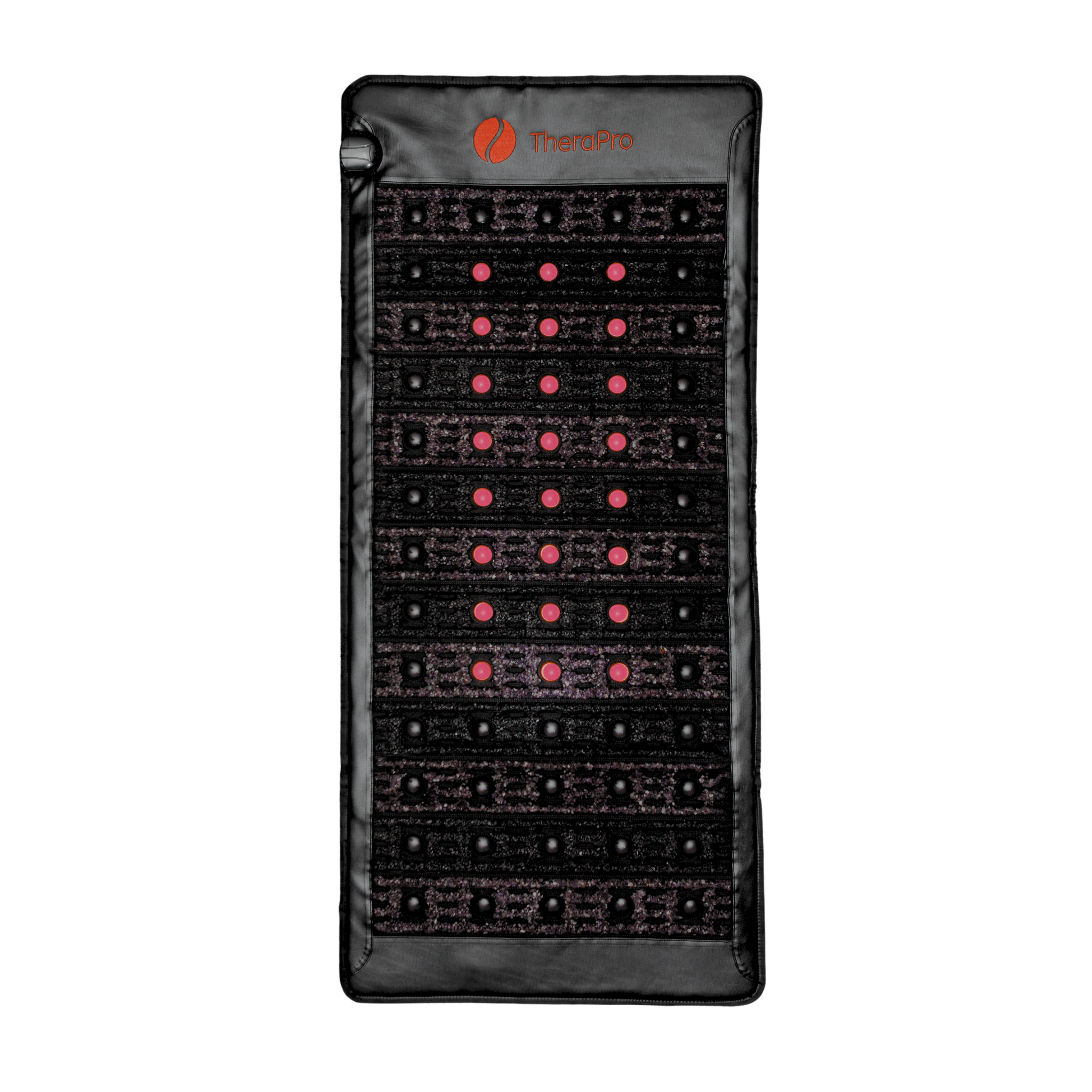
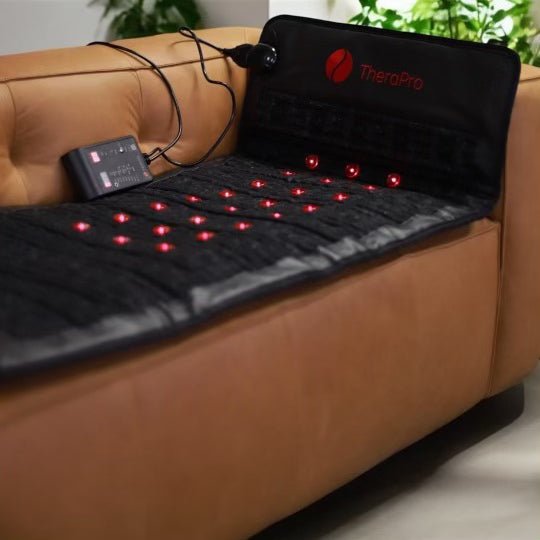
Novaa Recovery Pod: a full-body red light therapy blanket for whole-body recovery, circulation, and pain. Best for the serious practitioner who wants to treat everything at once.
How to Use Red Light Therapy
Most sessions run 10 to 20 minutes, depending on the device's irradiance. Keep the light close to bare skin, follow the manufacturer's recommended distance and time, and treat the same area consistently. Many people fit red light into the morning while getting ready, or into the evening as part of a wind-down.
Consistency matters more than any single session. Most users report visible changes after 4 to 8 weeks of near-daily use.
Is Red Light Therapy Safe?
Red light therapy is considered safe and well-tolerated for most people. It contains no UV rays and does not tan or burn the skin. Use the eye protection your device recommends, and talk to your doctor if you are pregnant, taking photosensitizing medication, or managing a medical condition.
The Bottom Line
Red light therapy is one of the most research-backed tools in home wellness, and the devices available now make daily treatment realistic for skin, hair, and recovery alike. Start with the area you care about most, choose a device that publishes its wavelengths, and stay consistent.
Explore the full Red Light Therapy collection at Nanaka and find the right device for your routine.