Why Beeswax Candles Are Better for Your Home (And the Science to Back It Up)
Most candles are made from paraffin wax, a petroleum byproduct that releases benzene and toluene when burned. Both are known carcinogens. Most people burning candles in their homes have no idea.
Beeswax is different. It's one of the oldest candle materials in the world, used for thousands of years in temples, homes, and healing spaces. And unlike paraffin or even soy, the science behind why it burns better is genuinely interesting.
What Happens When a Beeswax Candle Burns
Beeswax has the highest melting point of any natural wax, around 145°F, which is why beeswax candles burn slower and last significantly longer than paraffin or soy alternatives of the same size. A beeswax candle that costs more upfront often costs less per hour of burn time.
The more compelling property is ionization. Beeswax candles emit negative ions when burned. Dust, pollen, mold, and other airborne pollutants carry a positive charge. Negative ions bind to these particles, causing them to drop out of the air rather than stay suspended. This is the same principle behind air ionizers sold as air purifiers.
The research on this is modest but consistent: beeswax candles appear to reduce airborne particulates in enclosed spaces. They don't replace an air purifier, but they're not just decorative either.
What Beeswax Candles Don't Do
They don't have synthetic fragrance. This is a feature, not a bug. Most scented candles use synthetic fragrance oils that release volatile organic compounds (VOCs) when heated. Beeswax candles have a natural, faint honey scent from the wax itself, subtle enough that it doesn't compete with food, other scents in the room, or people with fragrance sensitivities.
If you've ever gotten a headache from a heavily scented candle, you've experienced VOC sensitivity firsthand.
Not All Beeswax Candles Are Equal
The beeswax candle market has a labeling problem. A candle can legally be called a "beeswax candle" if it contains as little as 51% beeswax. The rest can be paraffin. Look for candles that specify 100% pure beeswax.

Happy Organics is a California-based, family-run operation. Three generations of beekeepers who use 100% pure beeswax from their own hives. No blending, no paraffin, no synthetic fragrance. The wax comes from bees they keep themselves, which means they control quality from hive to finished candle.
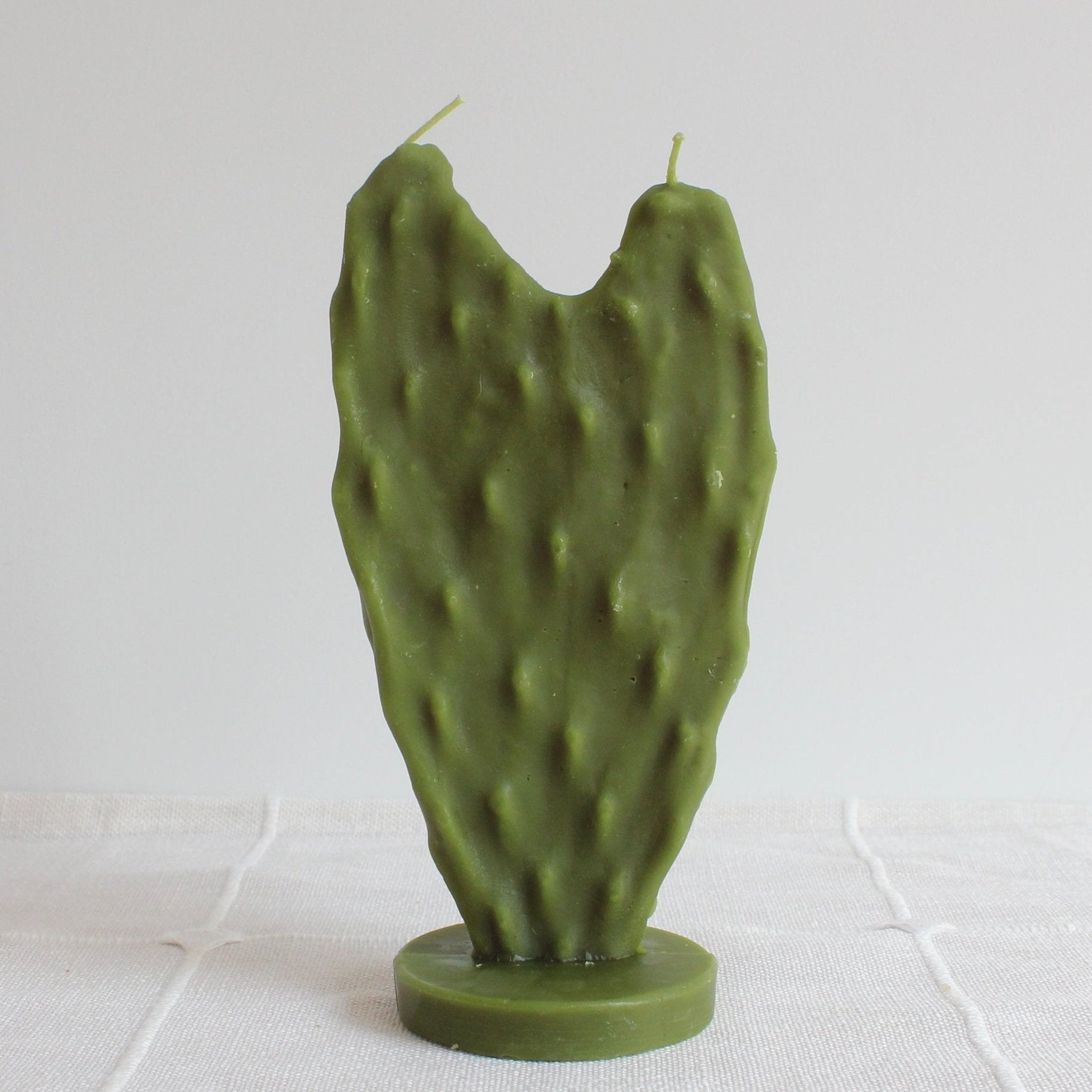
Their bestselling Heart Nopal Cactus candle is a good place to start. It's sculptural enough to display before you burn it, and the nopal shape is specific enough that people ask about it. That's the thing about Happy Organics: the candles look like objects, not candles.

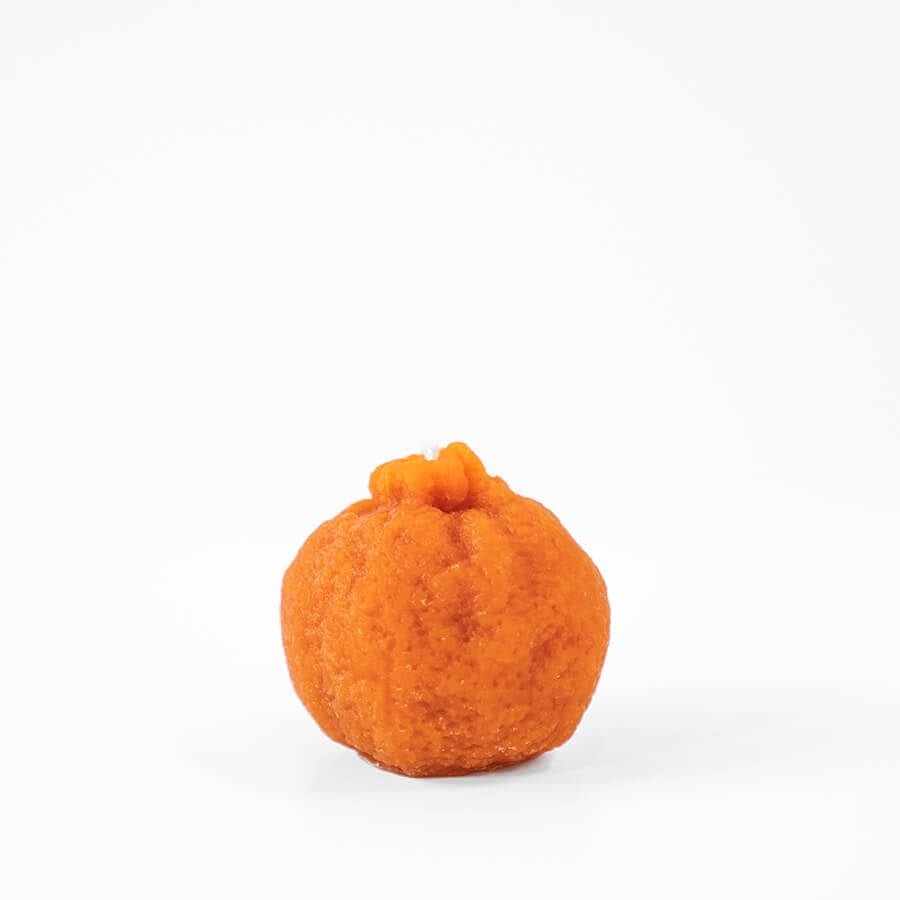
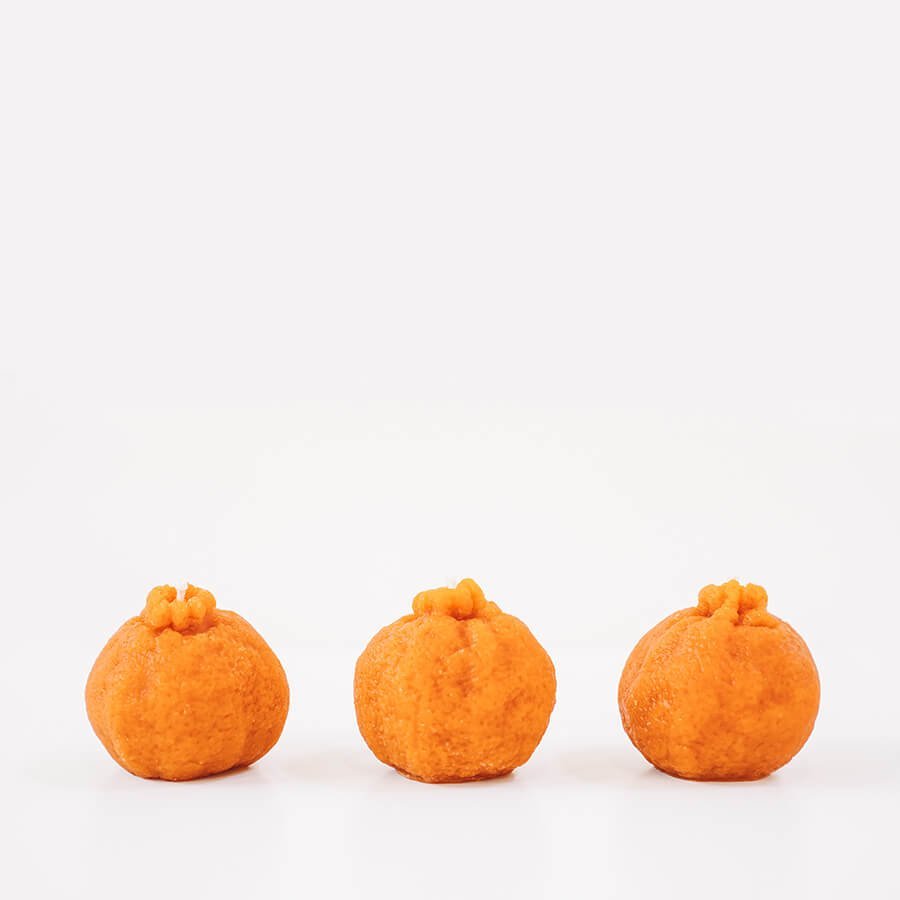
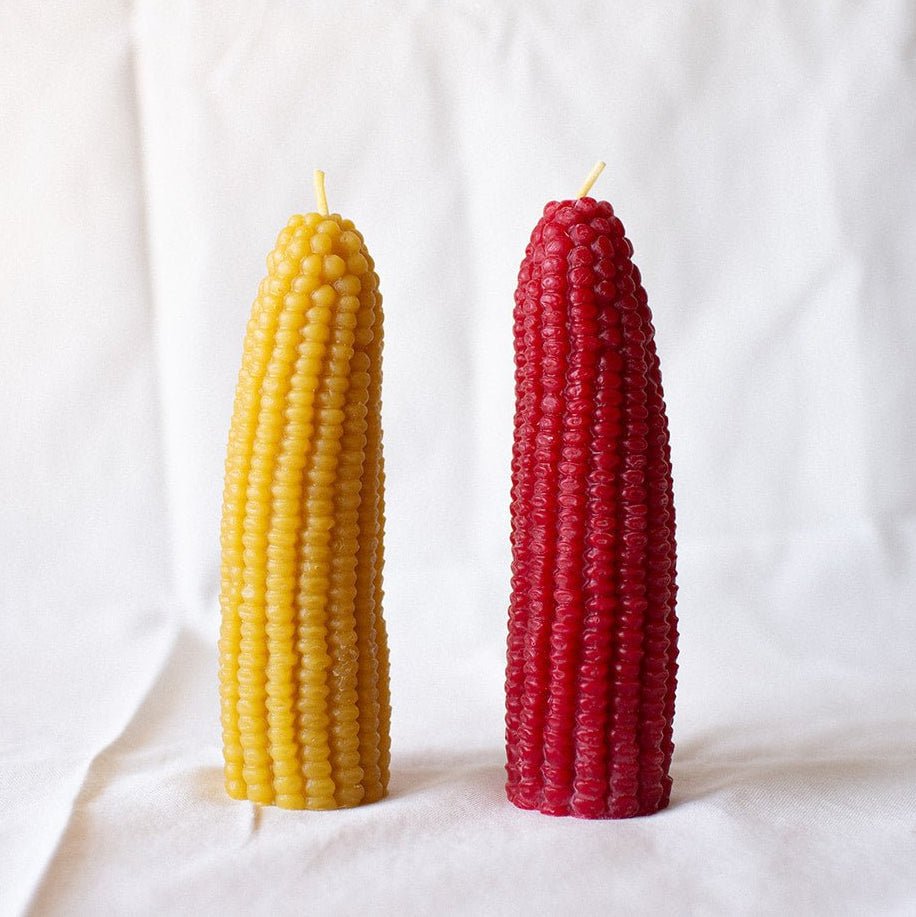
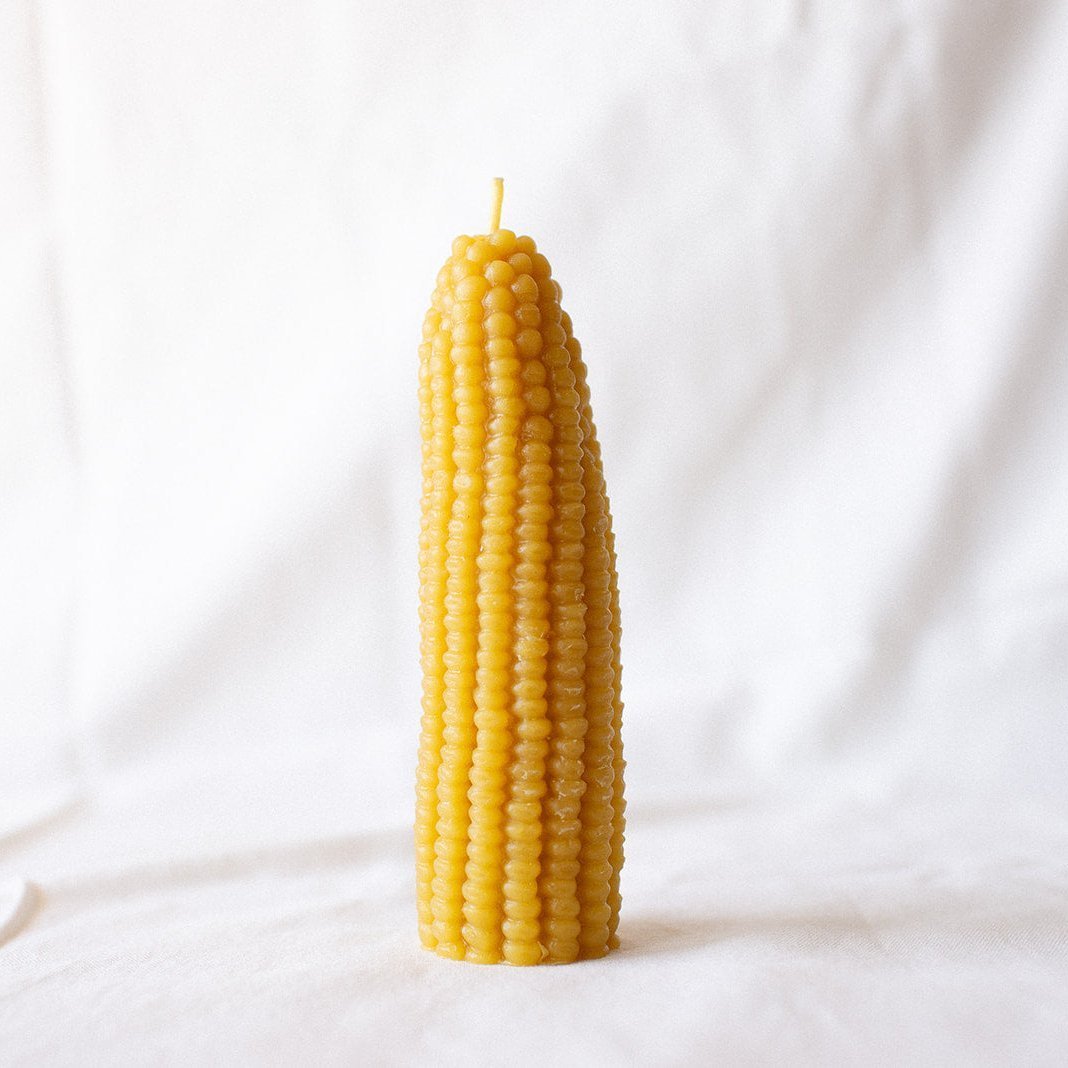
The Corn candle and Mandarin Orange follow the same logic: botanically accurate shapes cast in warm, natural beeswax. On a kitchen counter or a dining table, they read as intentional. The kind of thing guests notice and ask about.
Where Beeswax Candles Make the Most Sense
Bedrooms. You're breathing the air in your bedroom for 7 to 8 hours a night. Burning a paraffin candle before sleep and then closing the door is the worst possible scenario for air quality. A beeswax candle burned for 30 minutes before bed, then extinguished, is a meaningfully different choice.
Small spaces. The ionization effect is most pronounced in enclosed rooms: a bathroom, a home office, a reading nook. The smaller the space, the more impact a single candle has on air quality.
Homes with kids, pets, or anyone with respiratory sensitivities. No synthetic fragrance, no petroleum byproducts, no VOCs. The cleanest burn of any candle material.
Dining tables. Beeswax tapers burn without dripping when the wick is properly trimmed, a practical advantage over paraffin tapers that pool and drip onto tablecloths.

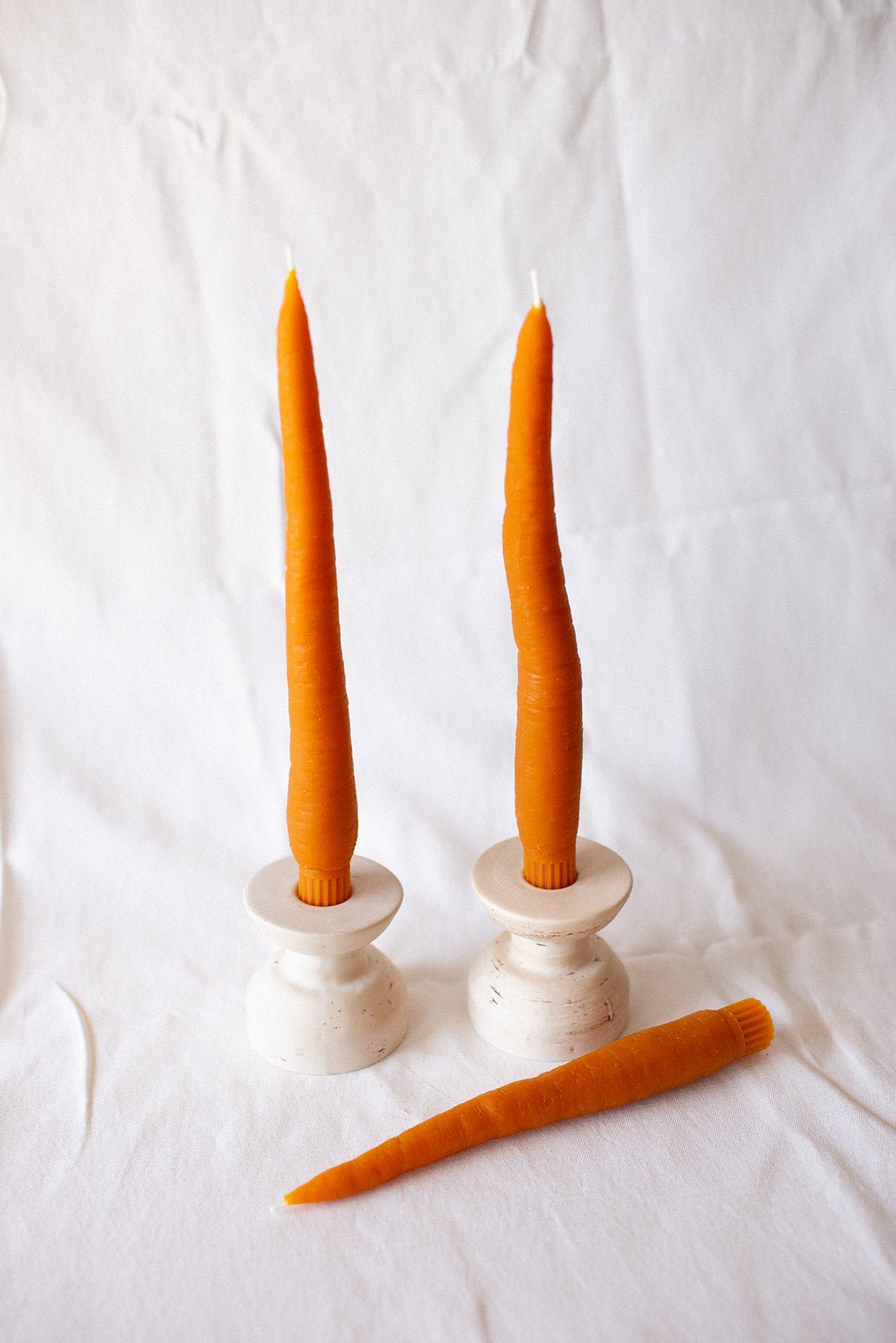
The Asparagus tapers and Carrot tapers are the table candle version of the same idea. They're tapers that actually look good in the daytime, which is most of the time.
How to Get the Most Out of a Beeswax Candle
Trim the wick to 1/4 inch before every burn. A long wick causes mushrooming, excess smoke, and uneven burning. This applies to all candles but matters more with beeswax because the wax is denser and the flame needs to be controlled.
On the first burn, let the wax pool reach the edges of the candle before extinguishing. This prevents tunneling, where the candle burns straight down the center and wastes the wax on the sides. With beeswax, the first burn sets the memory of the candle.
Store beeswax candles away from direct sunlight. The natural wax can develop a white film called bloom, a harmless natural process that can be buffed off with a soft cloth if you prefer the original finish.
The Bottom Line
Beeswax candles cost more than paraffin. They burn longer, cleaner, and without synthetic fragrance. For anyone who burns candles regularly, especially in bedrooms or small spaces, the switch is worth making once and not thinking about again.