Why Every Successful Guy I Know Is Weird About Sleep
This Father's Day, we're thinking about one obsession that seems to find almost every high performer eventually: sleep.
A few years ago, successful people compared watches.
Now they compare sleep scores.
Not publicly, of course. Nobody walks into a dinner party and announces they got eight hours and twenty-three minutes of deep sleep. But spend enough time around founders, executives, creatives, athletes, or anyone juggling a lot, and you'll notice something. They all become weird about sleep.
At first it seems a little excessive. They're talking about blue light. Room temperature. Blackout curtains. Eye masks. Alarm clocks. Recovery routines. Sleep supplements.
Then you realize they're not treating sleep as rest. They're treating it as infrastructure. Because everything gets harder when you're tired. And everything gets a little easier when you're not.
The First Thing They Become Weird About: Light
The people who care most about sleep eventually arrive at the same conclusion: sleep doesn't start when your head hits the pillow. It starts hours earlier.
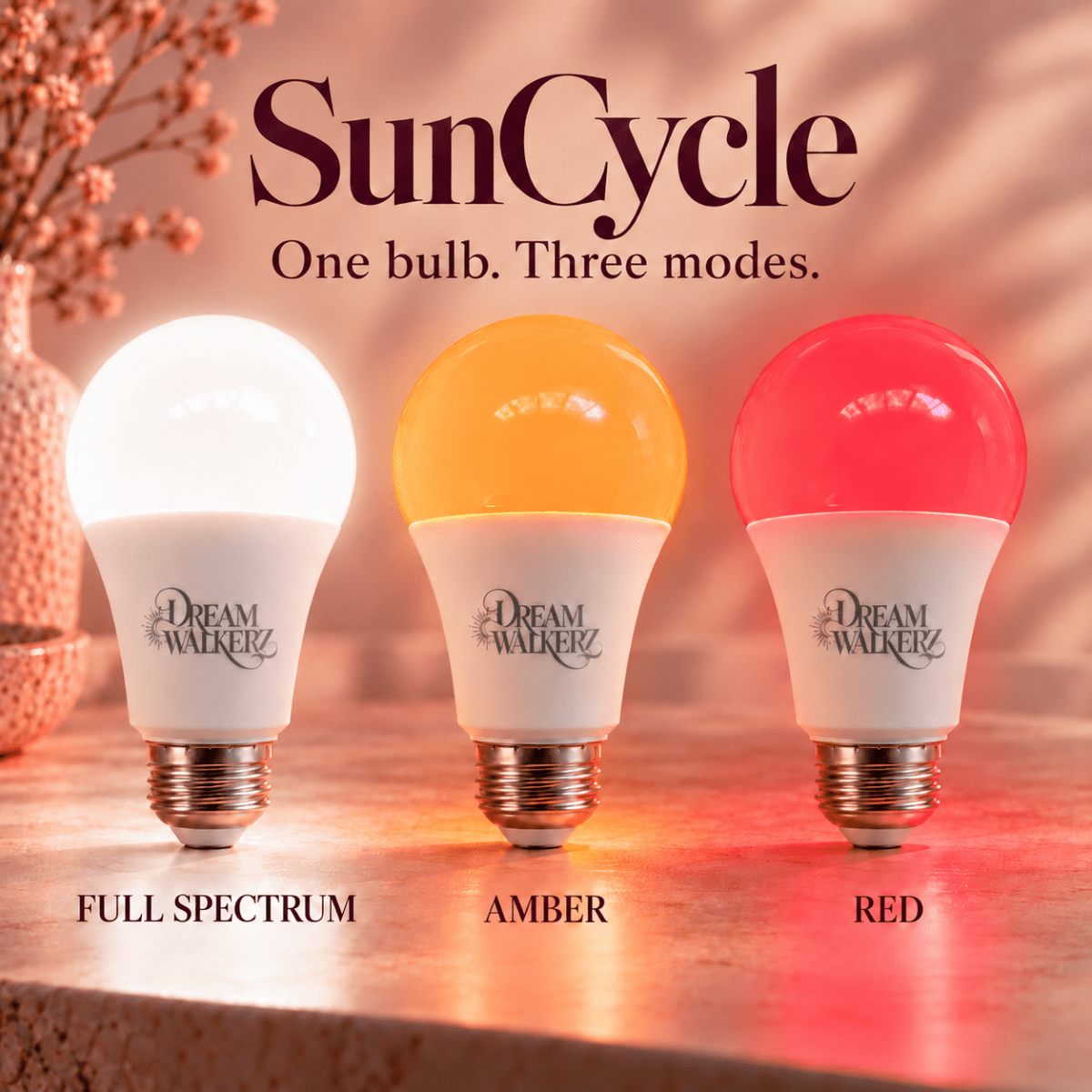
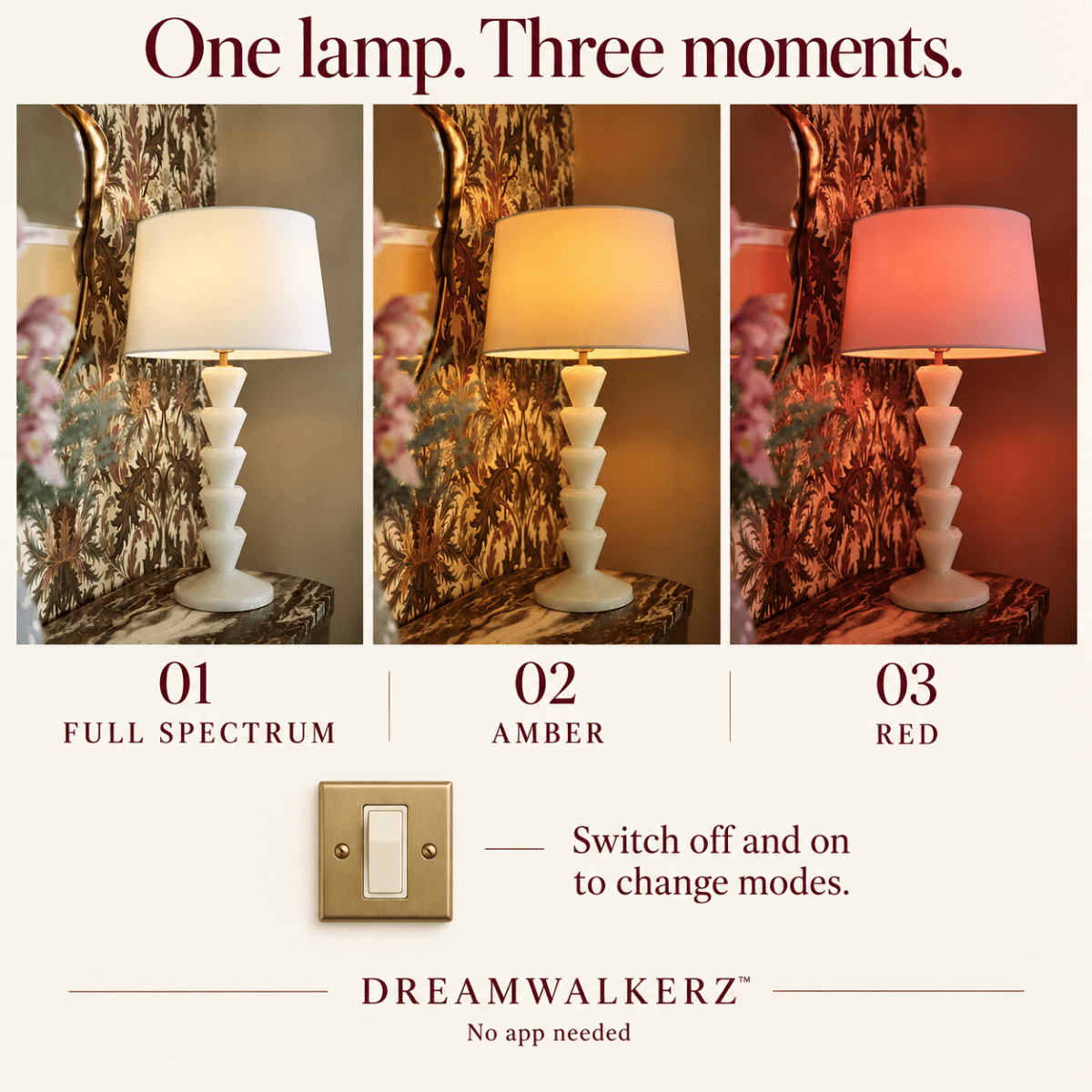
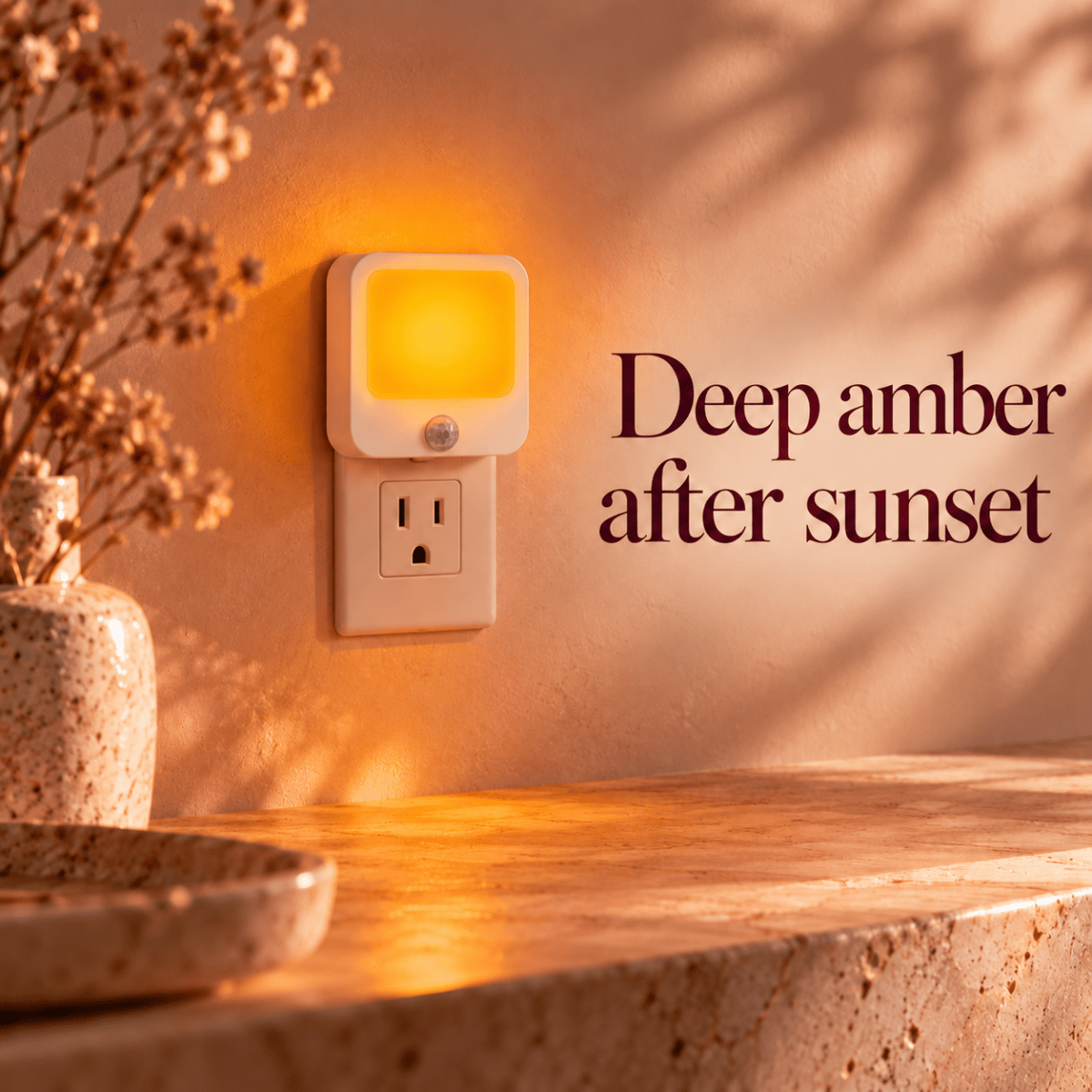
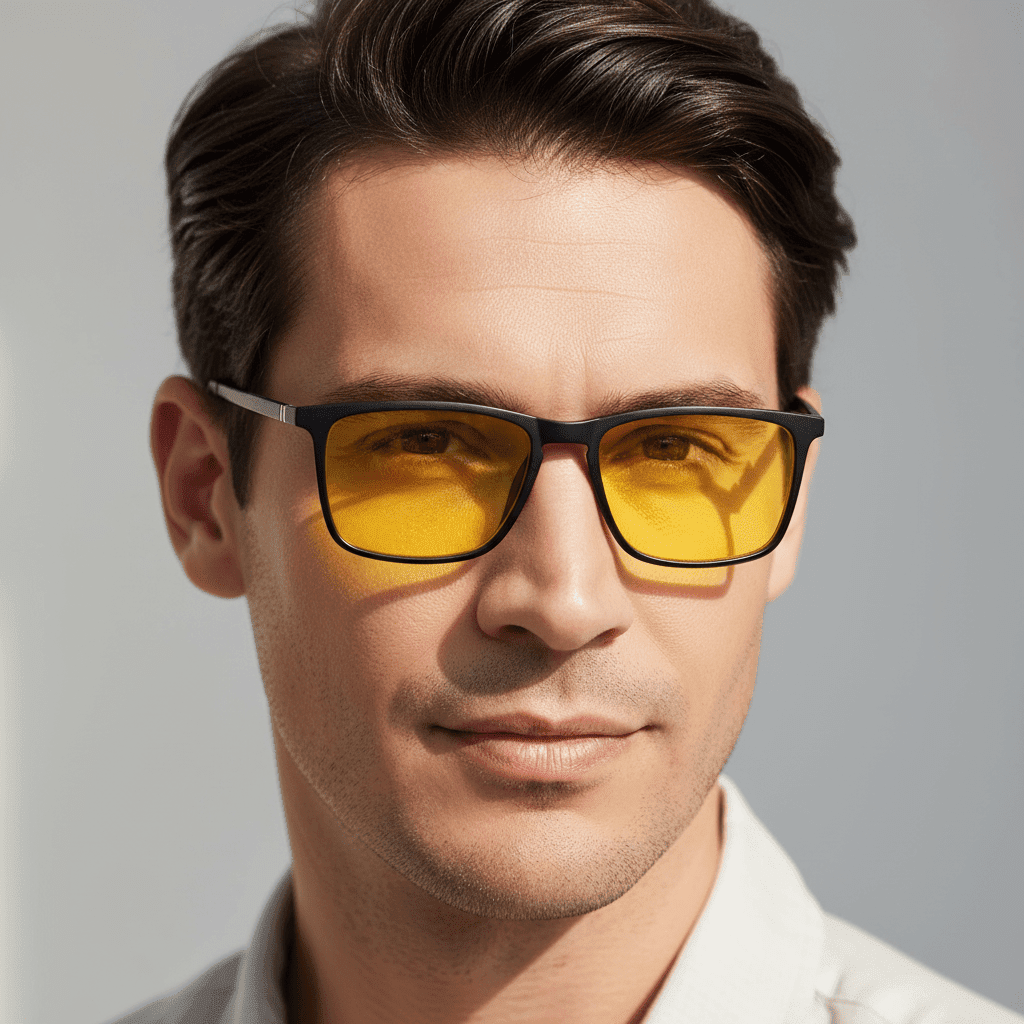
That's why blue light blocking glasses have quietly gone from niche wellness accessory to nightly ritual for a surprising number of people. The same thing is happening with circadian lighting. Instead of blasting bright overhead LEDs until midnight, people are swapping bulbs and creating a softer evening environment that actually supports winding down.
It's not flashy. It's not exciting. But neither is getting a full night of sleep. Until you start doing it consistently.

The DreamWalkerz Moonwalkerz Sleep Glasses block the wavelengths of light most disruptive to melatonin production. The Men in Black Daytime glasses filter blue light during screen hours without distorting color. For the lighting itself, the DreamWalkerz Circadian Friendly Red Bulb and BlockBlueLight Sweet Dreams Sleep Bulb replace standard overhead bulbs with warm, low-frequency light that doesn't interfere with the body's wind-down process.
Then They Upgrade Their Sleep Environment
Something interesting happens when people start prioritizing sleep. The bedroom becomes a project. Not because they're trying to create the perfect Instagram bedroom. Because they're trying to remove friction.
Tiny annoyances suddenly matter. A blinking light. An uncomfortable alarm. A room that's too bright. A sleep mask that never stays in place. This is where people start investing in tools that make falling asleep and staying asleep feel easier.

The Loftie Clock is designed specifically to replace the phone on the nightstand. It has a two-phase alarm, white noise, and breathing exercises built in. No notifications. No doom scrolling at 2am. The Loftie Lamp pairs with it: warm light in the evening, a gradual sunrise simulation in the morning.

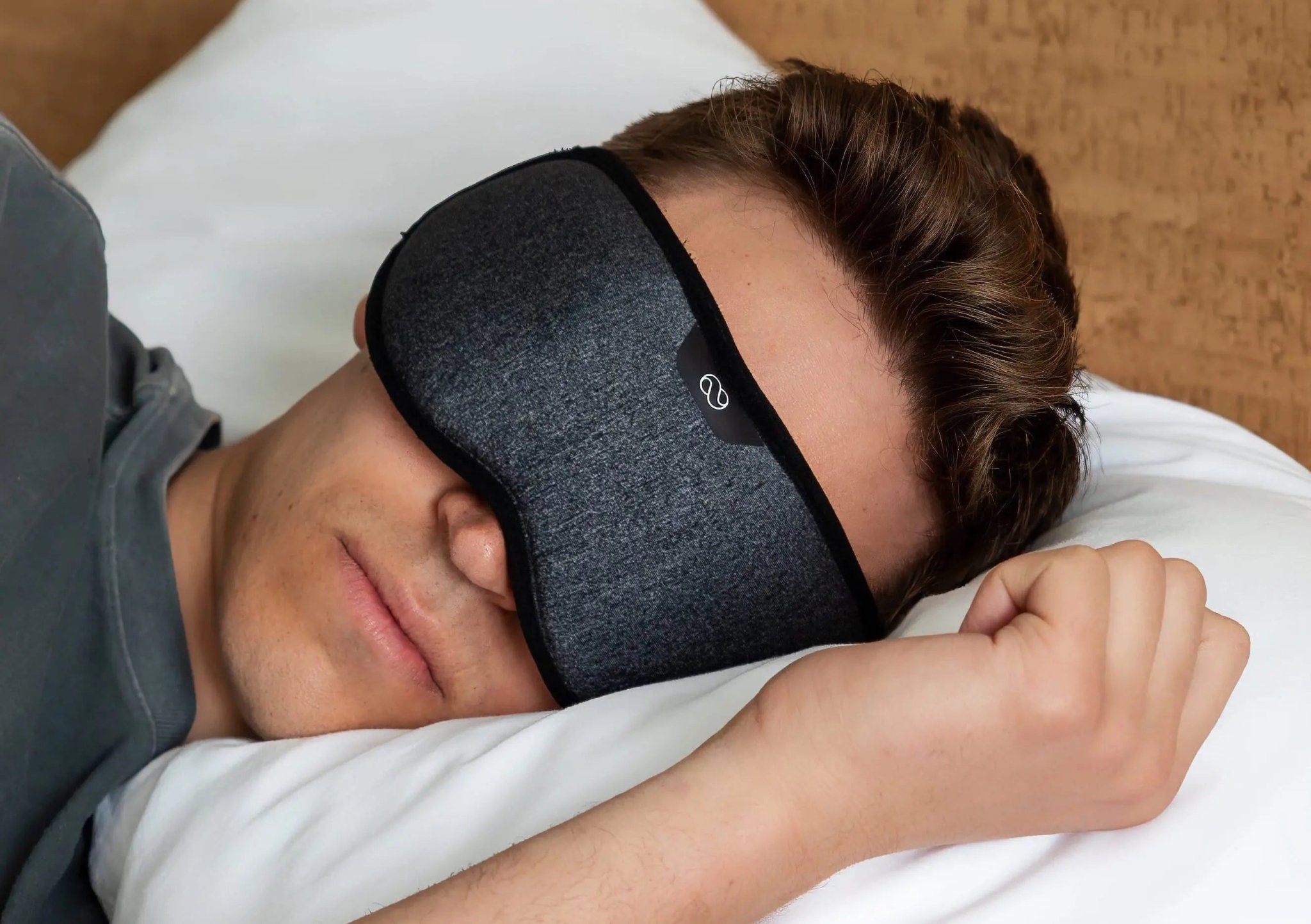
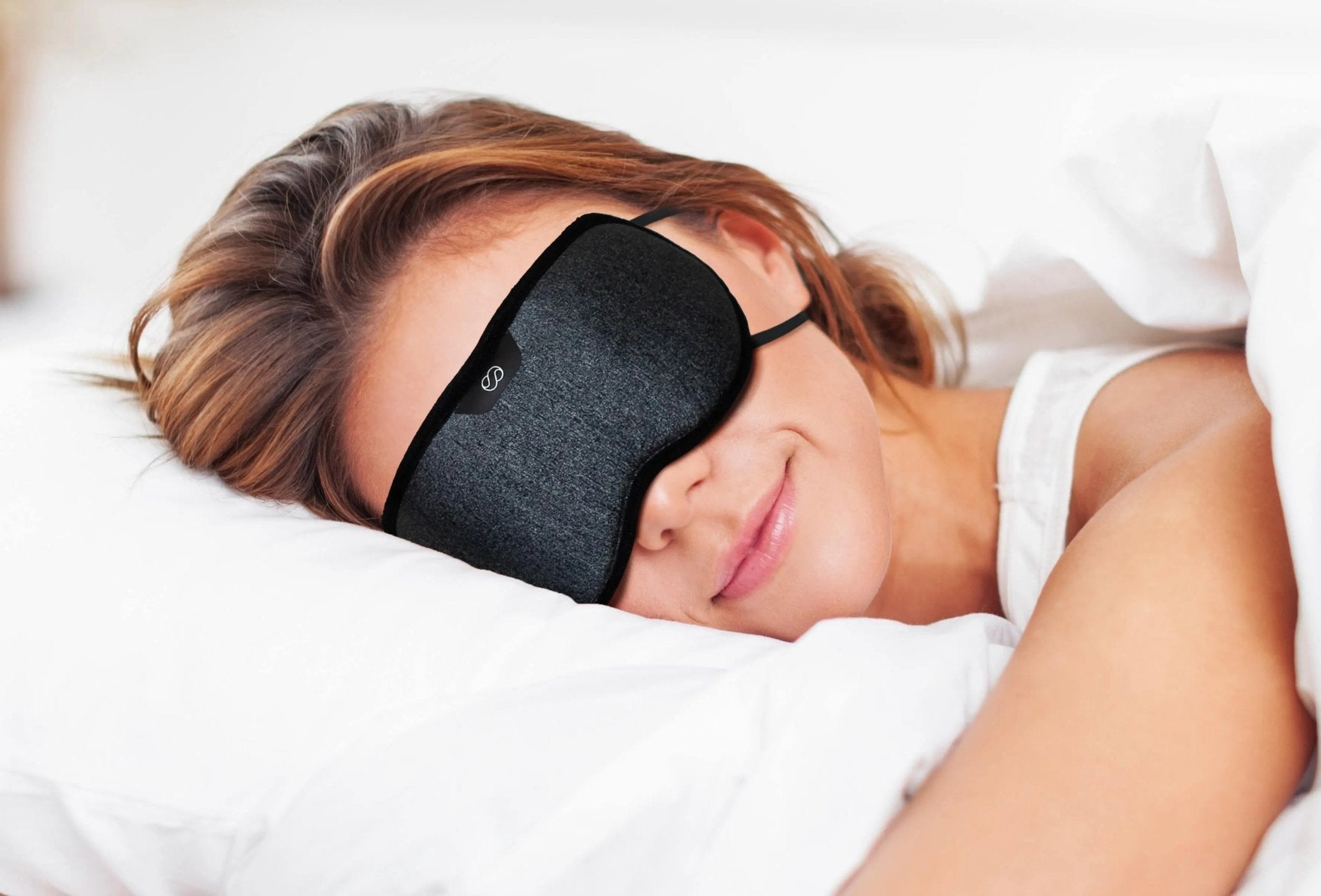
The Lumos Smart Sleep Mask goes further. It uses light pulses during sleep to shift circadian rhythm, which is useful for travel, jet lag, or anyone whose schedule doesn't align with natural light cycles. For a simpler option, the Lumos Blue Blocker is a well-made pair of evening glasses that does exactly what it says.
Eventually Recovery Becomes Part of the Conversation
The people who care about sleep rarely stop at sleep. They start paying attention to recovery. Stress. Travel. Workouts. How quickly they bounce back. How much energy they have the next day.
At some point, nearly every sleep-obsessed person develops an opinion about red light therapy. Not because they want another device cluttering up the house. Because they're looking for ways to feel better tomorrow than they do today. Sleep and recovery stop feeling like separate conversations. They become part of the same one.

HigherDOSE makes some of the most well-regarded recovery tools in this category. The Infrared Sauna Blanket uses far infrared heat to promote deep relaxation and recovery. The Infrared PEMF Go Mat combines infrared with pulsed electromagnetic field therapy, which supports cellular recovery and stress reduction. The PEMF Pro Mat is the full-size version for anyone who wants a more complete setup.
NovaaLab approaches recovery from a clinical angle. The Novaa Recovery Pod delivers targeted red and near-infrared light therapy for muscle and joint recovery. The Deep Healing Pad XL covers larger areas. The Extra-Strength Healing Laser is for more precise, localized treatment. Therasage rounds out the recovery category with the TheraPro Multi-Modality Pad, which combines PEMF, infrared, and red light in a single device.
Then They Discover Supplements
Most people don't start with supplements. They arrive there eventually. After they've adjusted their lighting. After they've upgraded their sleep environment. After they've paid attention to recovery. Then they start asking: is there anything else that might help?

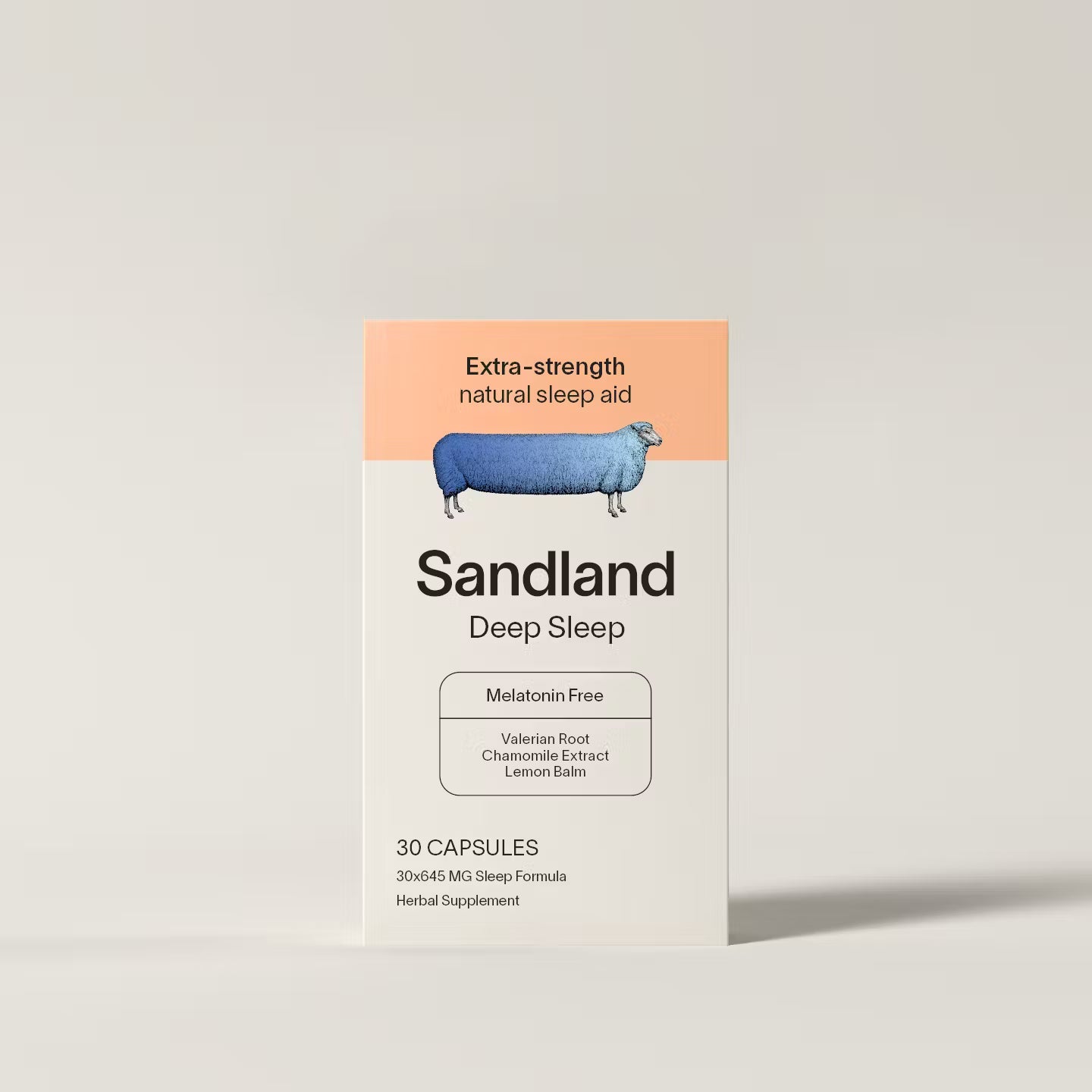
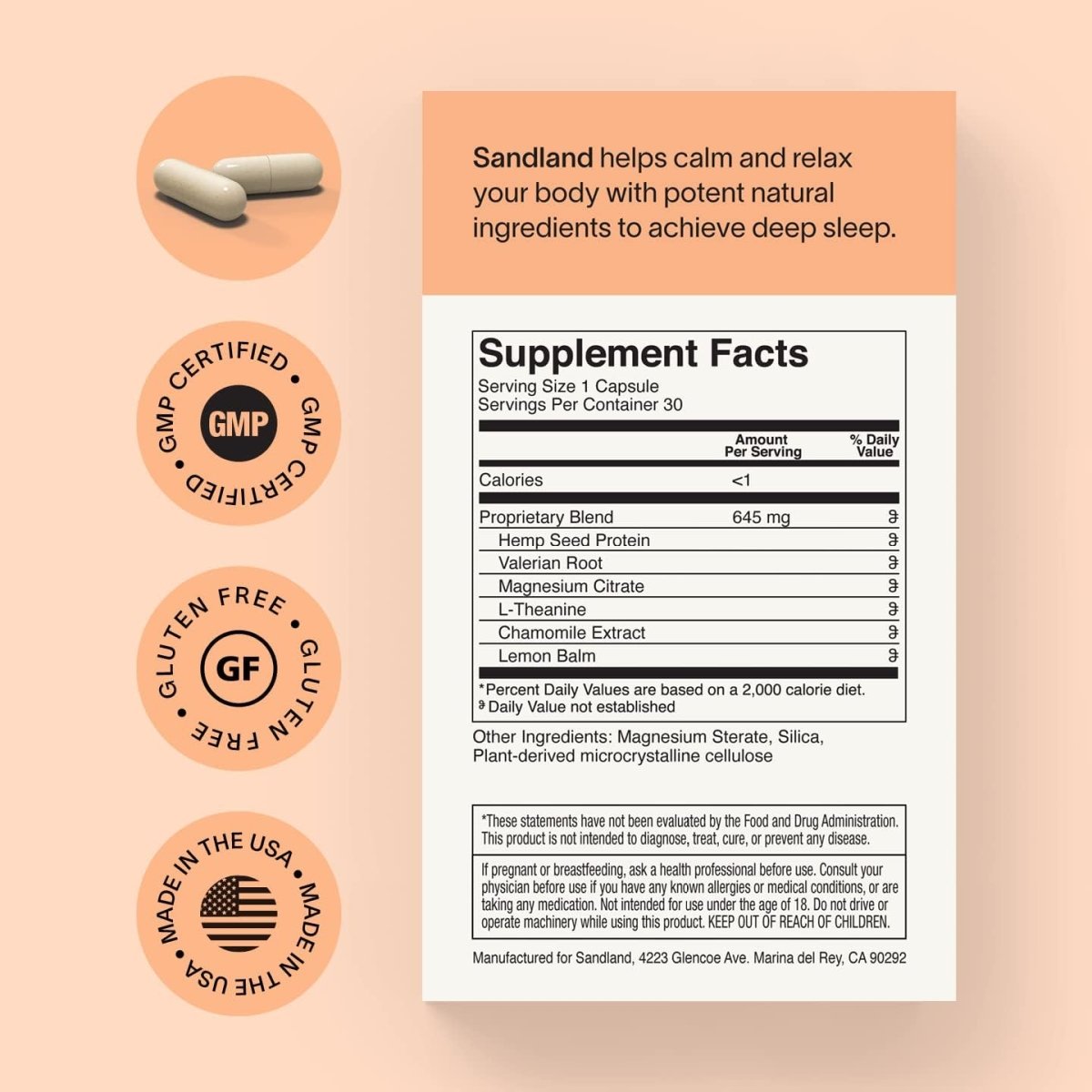
Sandland Sleep makes two formulas worth knowing about. Deep Sleep is designed to help you fall asleep faster and stay in deeper sleep longer. Stay Asleep targets the middle-of-the-night waking that disrupts recovery without the grogginess of heavier sleep aids. Both use clean, low-dose ingredients. Neither is a magic solution. They're one more piece of a much larger routine.
So Why Are Successful People So Weird About Sleep?
Because eventually they realize something simple. Sleep isn't separate from performance. Sleep is performance. It's focus. Patience. Decision-making. Recovery. Mood. Creativity. Energy.
The people who seem the most obsessed with sleep aren't trying to become wellness experts. They're trying to show up better for the things they care about. And once you notice that, all the blue light glasses, eye masks, sleep clocks, recovery tools, and supplements start making a lot more sense.
A few years ago, successful people compared watches. Now they compare sleep scores. Honestly, that seems like progress.