Frequently Asked Questions About NovaaLab
What wavelengths does NovaaLab use?
NovaaLab devices use red light (typically 630nm to 660nm) and near-infrared light (typically 810nm to 850nm) — the two wavelength ranges with the strongest clinical evidence for pain relief, tissue repair, and cellular energy production.
How often should you use red light therapy?
Most protocols recommend 10 to 20 minute sessions daily or near-daily for best results. NovaaLab devices are designed for consistent home use. For a deeper look at protocols and the research behind them, read our complete guide to red light therapy research.
Is NovaaLab red light therapy safe?
Yes. Red light therapy at the wavelengths used by NovaaLab is non-thermal, non-invasive, and has a strong safety profile across thousands of clinical studies. Always follow device instructions and avoid direct eye exposure during sessions.
What is the difference between red light and near-infrared light therapy?
Red light (630nm to 660nm) works primarily at the skin surface, supporting collagen, wound healing, and skin tone. Near-infrared light (810nm to 850nm) penetrates deeper into muscle, joint, and nerve tissue, making it more effective for pain and recovery applications. The most effective devices combine both wavelengths.
Which NovaaLab device should I start with?
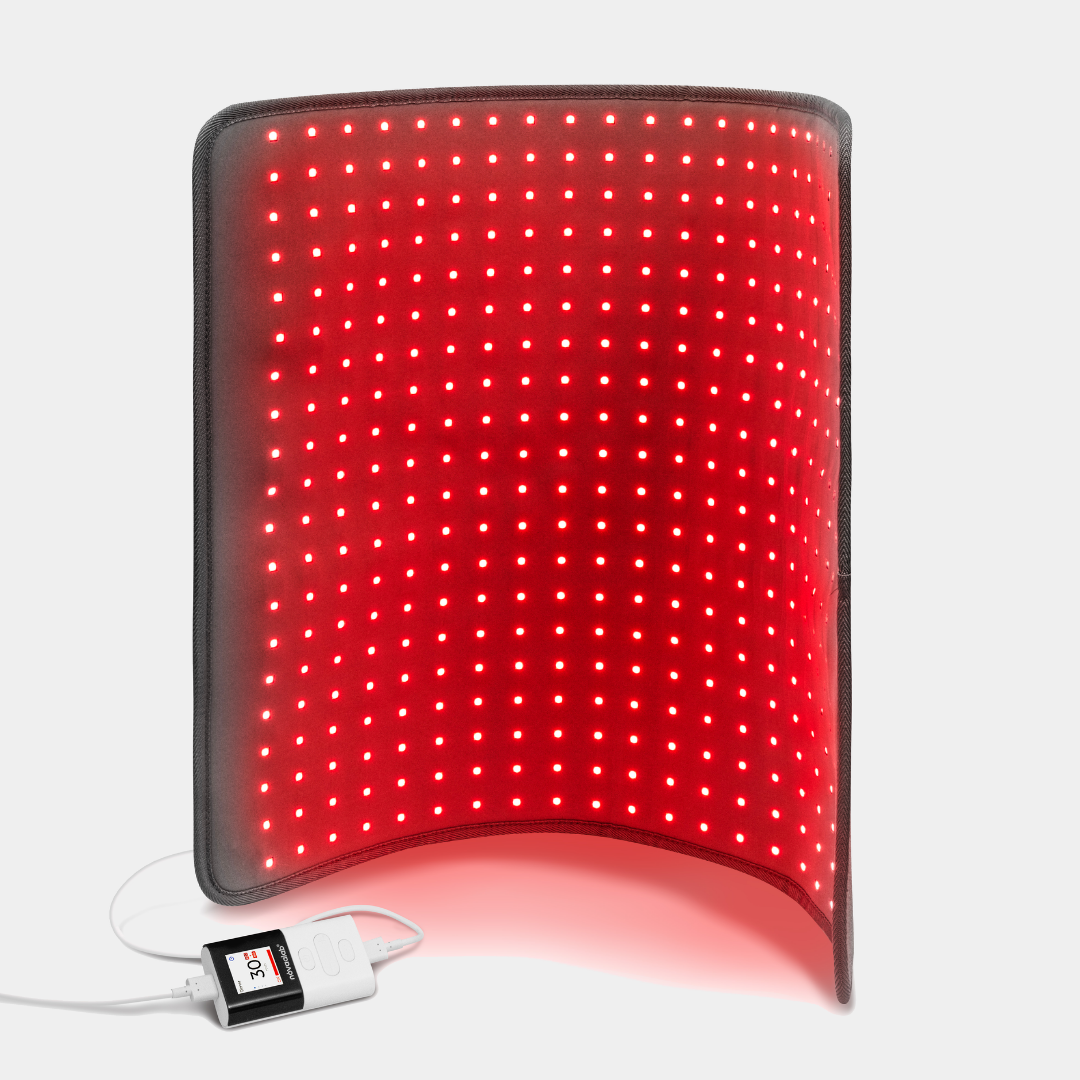
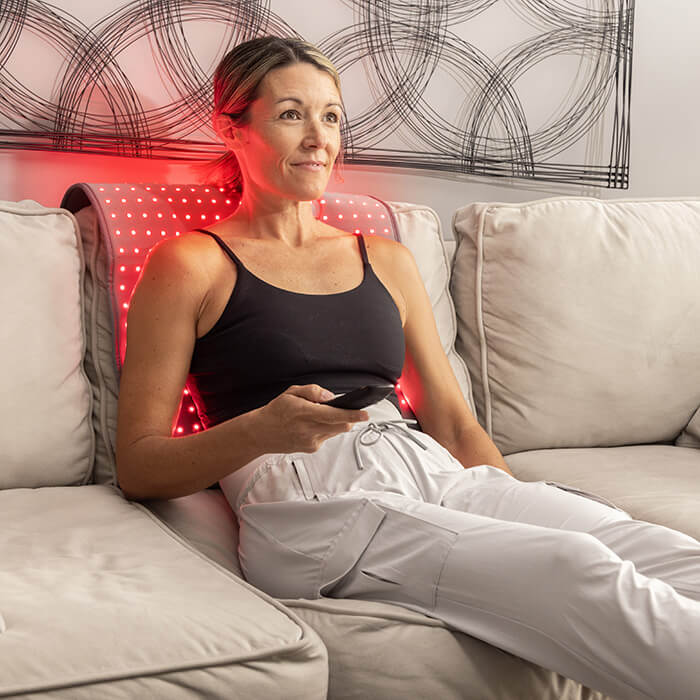
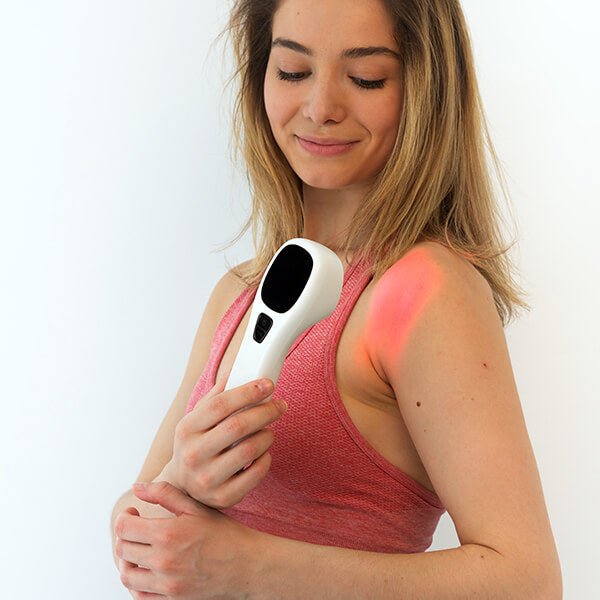
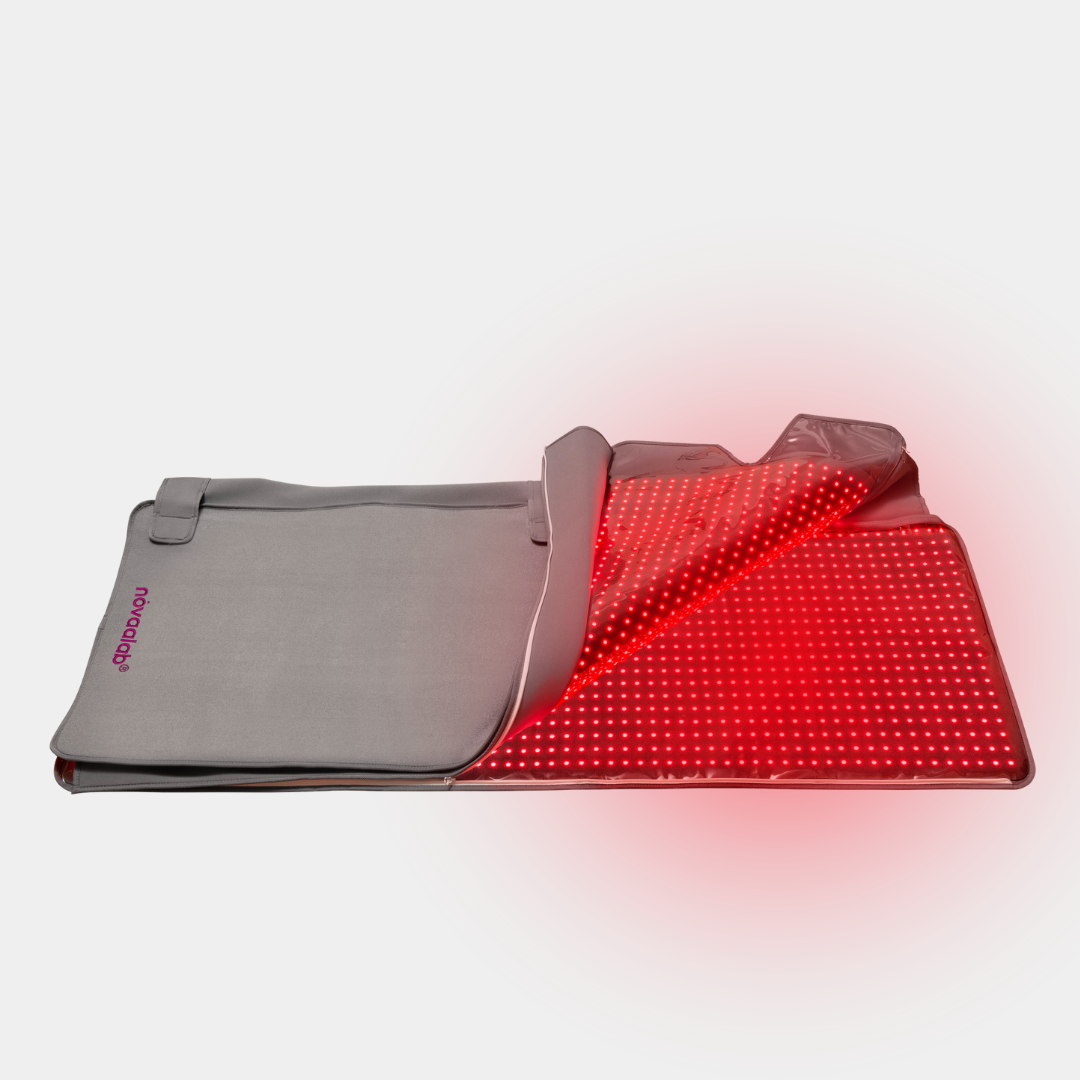
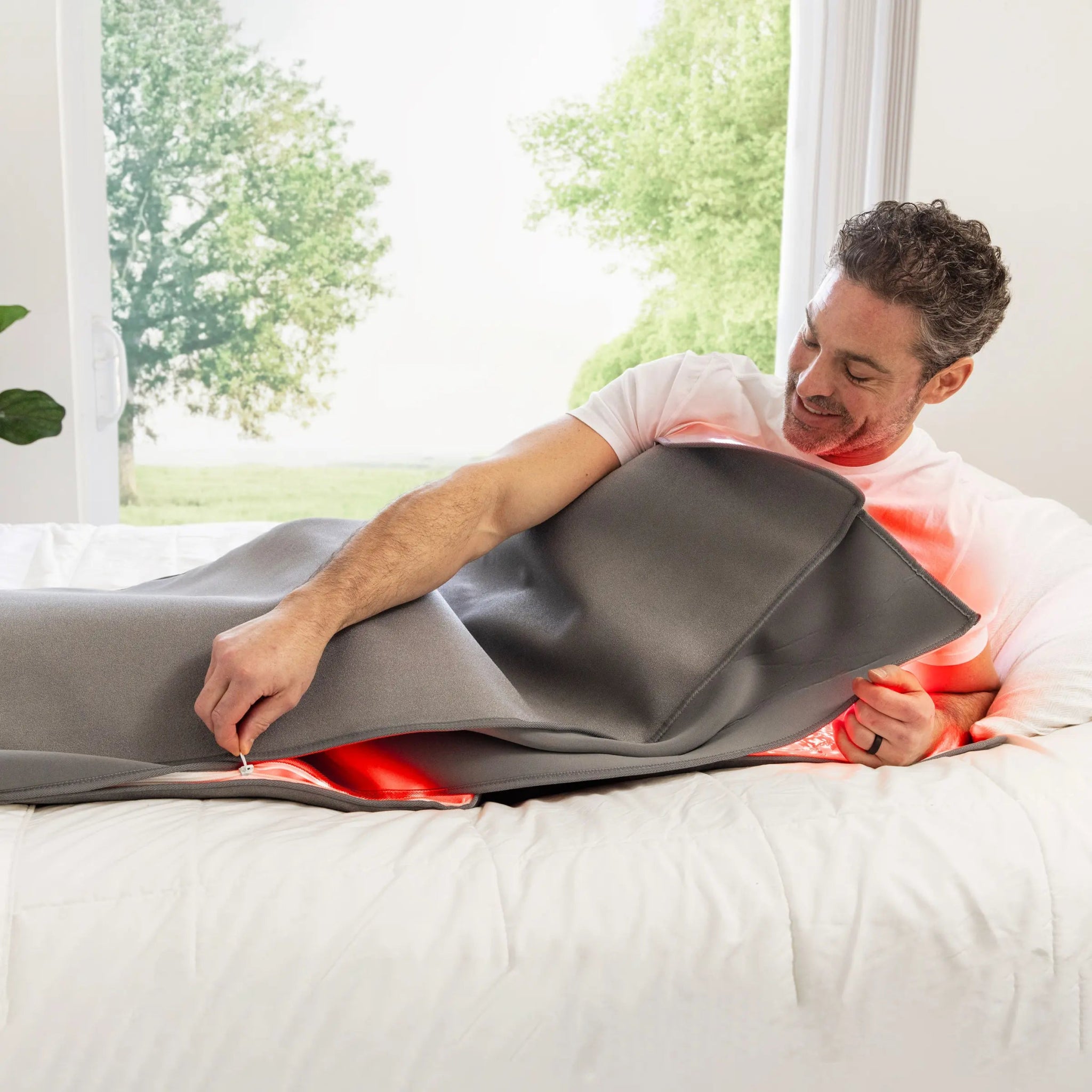
For most people, the Deep Healing Pad XL is the best starting point — versatile, large enough for back and leg coverage, and effective for both pain relief and recovery. For targeted chronic pain, the Extra-Strength Healing Laser delivers more concentrated therapy to a specific area. Read our full NovaaLab Buyer's Guide to compare all devices by use case.
What makes NovaaLab different from other red light therapy brands?
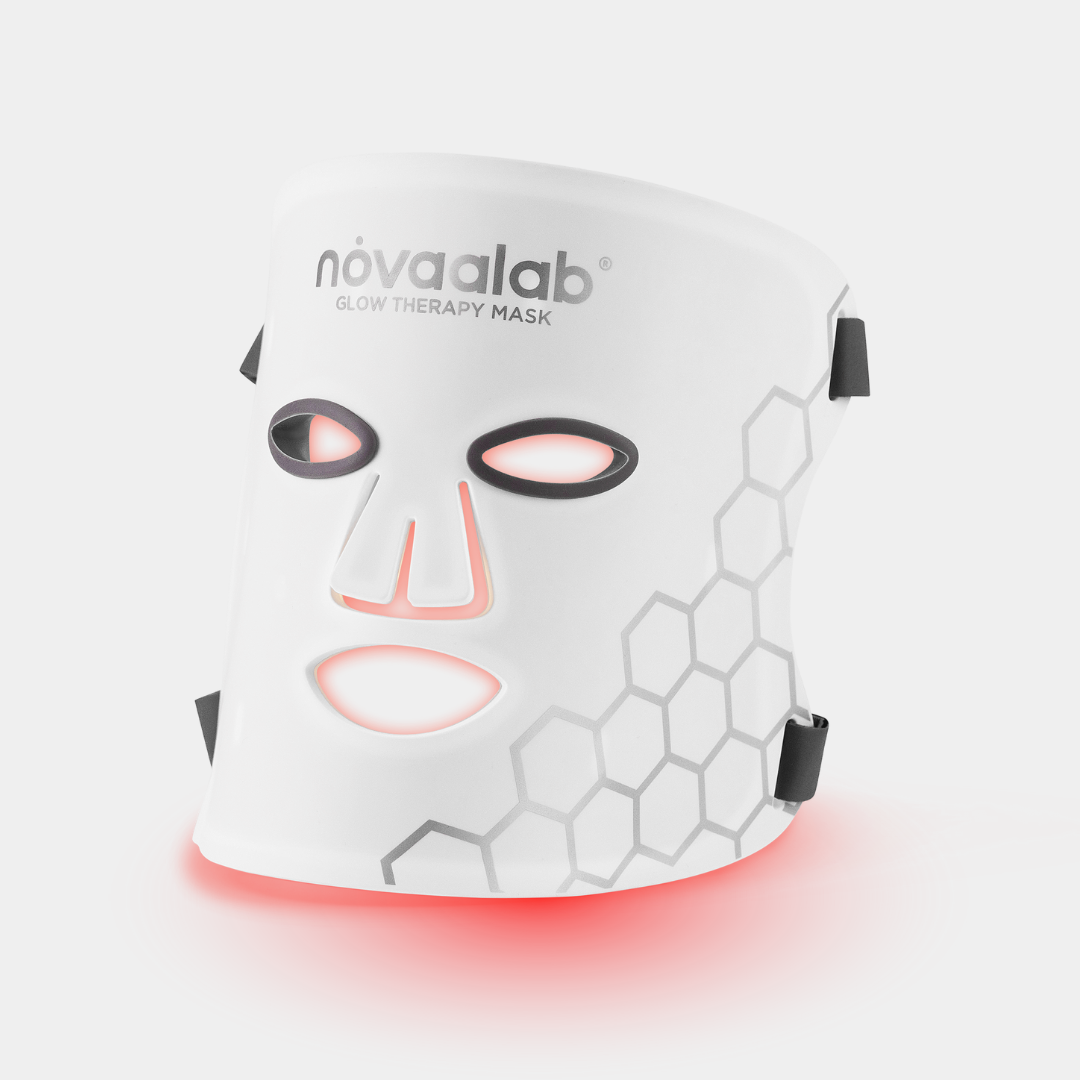
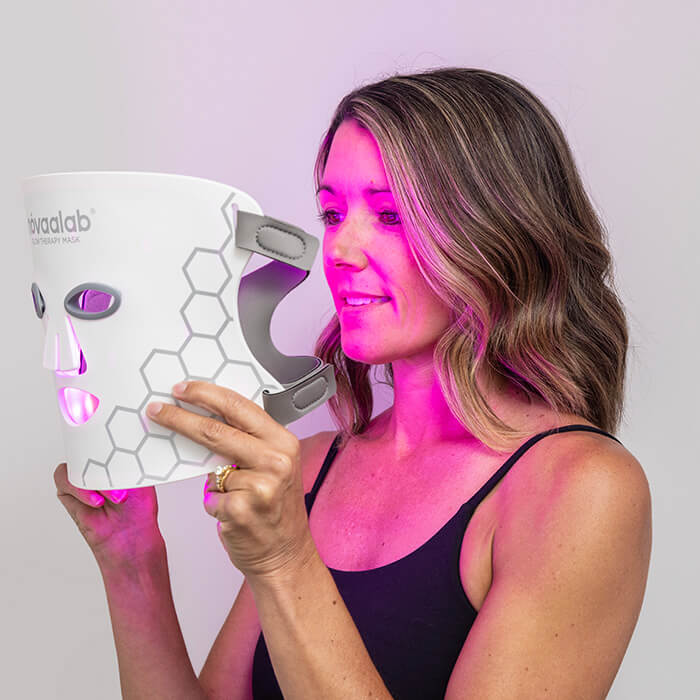
NovaaLab designs application-specific devices — a laser for targeted therapy, a pod for full-body recovery, a pad for large-area treatment, and a mask for facial applications — each built to the clinical specifications the photobiomodulation research supports. Learn more about what makes NovaaLab science-backed.