Bienestar circadiano: Por qué la hora es importante para la salud de la mujer
Más allá del sueño: cómo tu ritmo circadiano afecta cada aspecto de la salud femenina
Cuando la mayoría de la gente piensa en el ritmo circadiano, piensa en el sueño. Pero el reloj interno de 24 horas de tu cuerpo influye en mucho más que solo cuando te sientes cansada. Para las mujeres, el ritmo circadiano afecta la producción hormonal, el metabolismo, la función inmunológica, la regulación del estado de ánimo, el rendimiento cognitivo e incluso la salud reproductiva.
Comprender cómo el tiempo impacta tu bienestar, y aprender a trabajar con tus ritmos naturales en lugar de contra ellos, puede transformar no solo tu sueño, sino tu salud general y calidad de vida.
¿Qué es el ritmo circadiano?
Tu ritmo circadiano es un sistema biológico complejo que regula casi todos los procesos de tu cuerpo en un ciclo de aproximadamente 24 horas. Este reloj interno está controlado por un marcapasos maestro en tu cerebro llamado núcleo supraquiasmático (NSQ), que recibe información directa de las células sensibles a la luz en tus ojos.
El NSQ coordina miles de relojes más pequeños en todo tu cuerpo (en tu hígado, músculos, tejido adiposo, corazón y órganos reproductivos) creando una sinfonía sincronizada de procesos biológicos que aumentan y disminuyen a lo largo del día y la noche.
Cómo la alteración circadiana afecta de forma única a las mujeres
Los sistemas circadianos de las mujeres son más sensibles y más complejos que los de los hombres. Las investigaciones demuestran que los relojes internos de las mujeres son aproximadamente 6 minutos más cortos en promedio, lo que significa que las mujeres naturalmente quieren acostarse más temprano y despertarse más temprano. Las mujeres también experimentan una mayor alteración circadiana debido al trabajo por turnos, el jet lag y los horarios de sueño irregulares.
Esta mayor sensibilidad significa que cuando tu ritmo circadiano se altera, los efectos se extienden a múltiples sistemas corporales de maneras particularmente impactantes para la salud de las mujeres.
Ritmo circadiano y hormonas femeninas
Hormonas reproductivas
Tu ciclo menstrual y tu ritmo circadiano están íntimamente conectados. La alteración del ritmo circadiano puede afectar:
- Producción de estrógeno y progesterona: Estas hormonas siguen patrones circadianos y son sensibles a la exposición a la luz
- Momento de la ovulación: Los patrones de sueño irregulares pueden alterar la ovulación y la regularidad del ciclo
- Fertilidad: La alteración circadiana crónica se asocia con una fertilidad reducida y un tiempo más largo para la concepción
- Síntomas del síndrome premenstrual: Una mala alineación circadiana puede empeorar los cambios de humor, la fatiga y otros síntomas premenstruales
Hormonas del estrés
El cortisol, tu principal hormona del estrés, sigue un fuerte patrón circadiano: más alto por la mañana para ayudarte a despertar, más bajo por la noche para permitir el sueño. Cuando este ritmo se altera por la falta de sueño, la exposición a la luz nocturna o los horarios irregulares, los patrones de cortisol se aplanan, lo que lleva a:
- Dificultad para despertarse por la mañana
- Caídas de energía por la tarde
- Ansiedad nocturna o sensación de "cansado pero con energía"
- Aumento de peso, especialmente alrededor del abdomen
- Función inmunológica debilitada
Melatonina: la hormona circadiana
La melatonina es la principal señal circadiana de tu cuerpo, aumenta por la noche para promover el sueño y disminuye por la mañana para apoyar el estado de alerta. La exposición nocturna a la luz azul (de pantallas, bombillas LED y luces de techo) suprime la producción de melatonina, retrasando el inicio del sueño y reduciendo la calidad del sueño.
Proteger tu ritmo de melatonina con una gestión adecuada de la luz es una de las intervenciones más poderosas para la salud circadiana.
Soluciones prácticas para el apoyo circadiano
Gestionar la exposición a la luz nocturna
Las Gafas de sueño DreamWalkerz Nighttime Reader filtran las longitudes de onda de luz azul y verde que suprimen la melatonina, permitiéndote usar dispositivos por la noche sin alterar tu ritmo circadiano.

Para una opción elegante que funciona desde la oficina en casa hasta la relajación nocturna, las Gafas de sueño Dreamwave Tortoise Shell brindan la misma protección respaldada por la ciencia con una estética premium.

Crear iluminación alineada con el ritmo circadiano
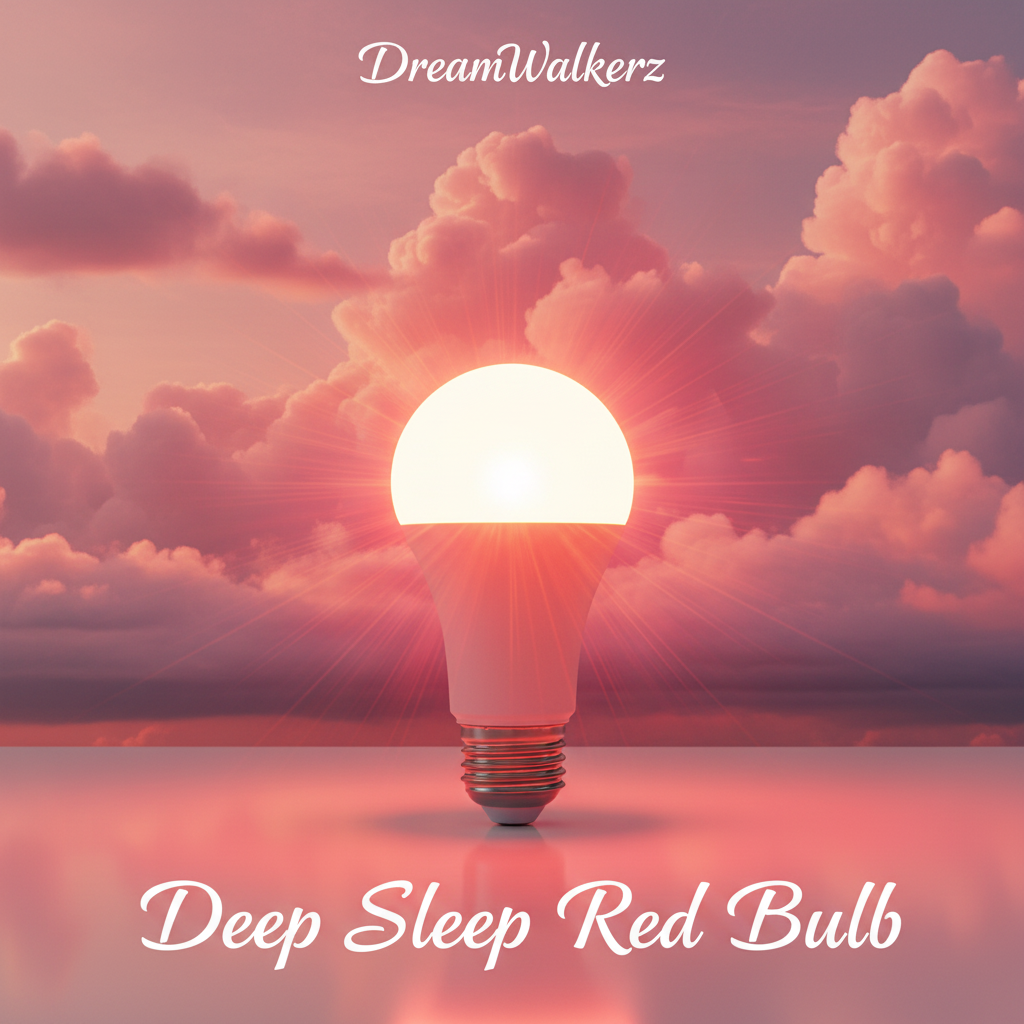
La Bombilla circadiana SunCycle de 3 modos te permite adaptar tu iluminación a tu ritmo natural: blanco brillante para el estado de alerta matutino, ámbar cálido para relajarse por la noche y rojo intenso para la noche, lo que favorece la producción saludable de hormonas durante todo el día.

Optimiza tu ambiente de sueño
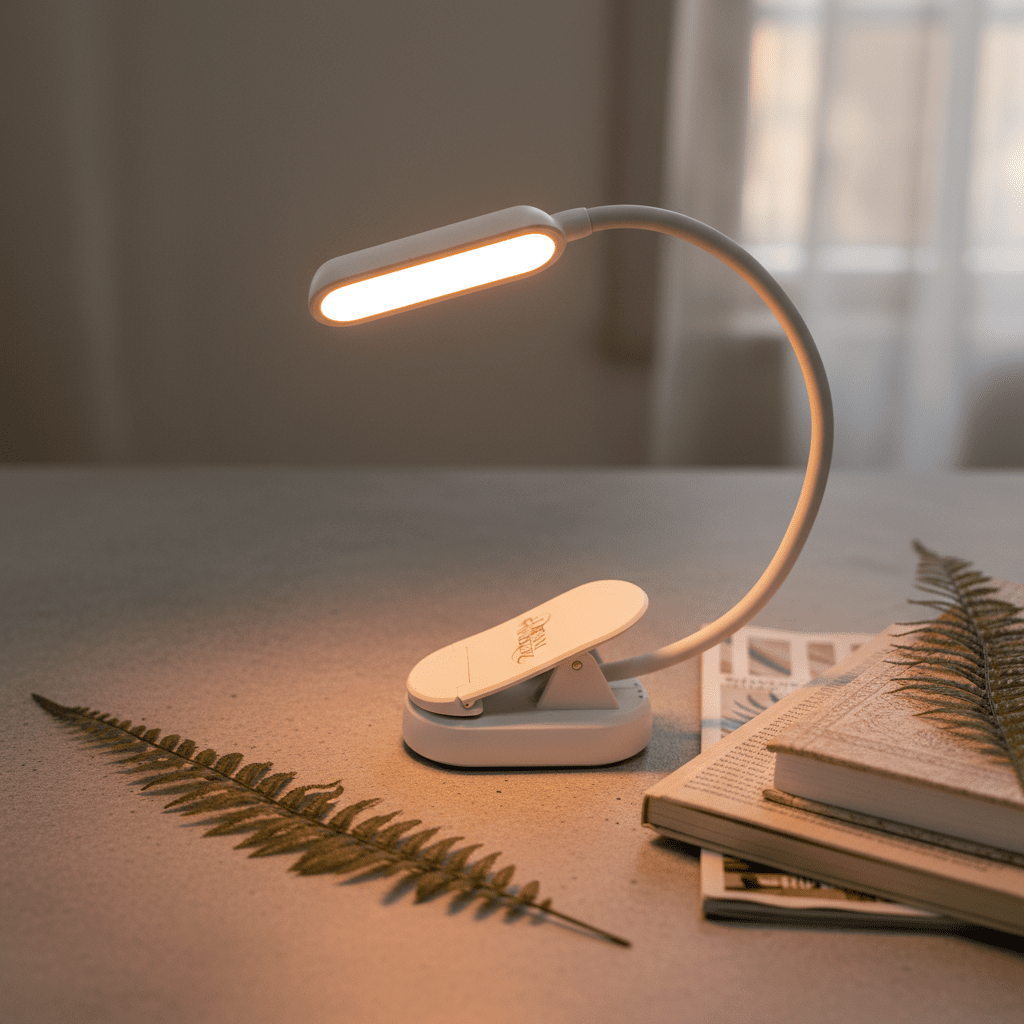
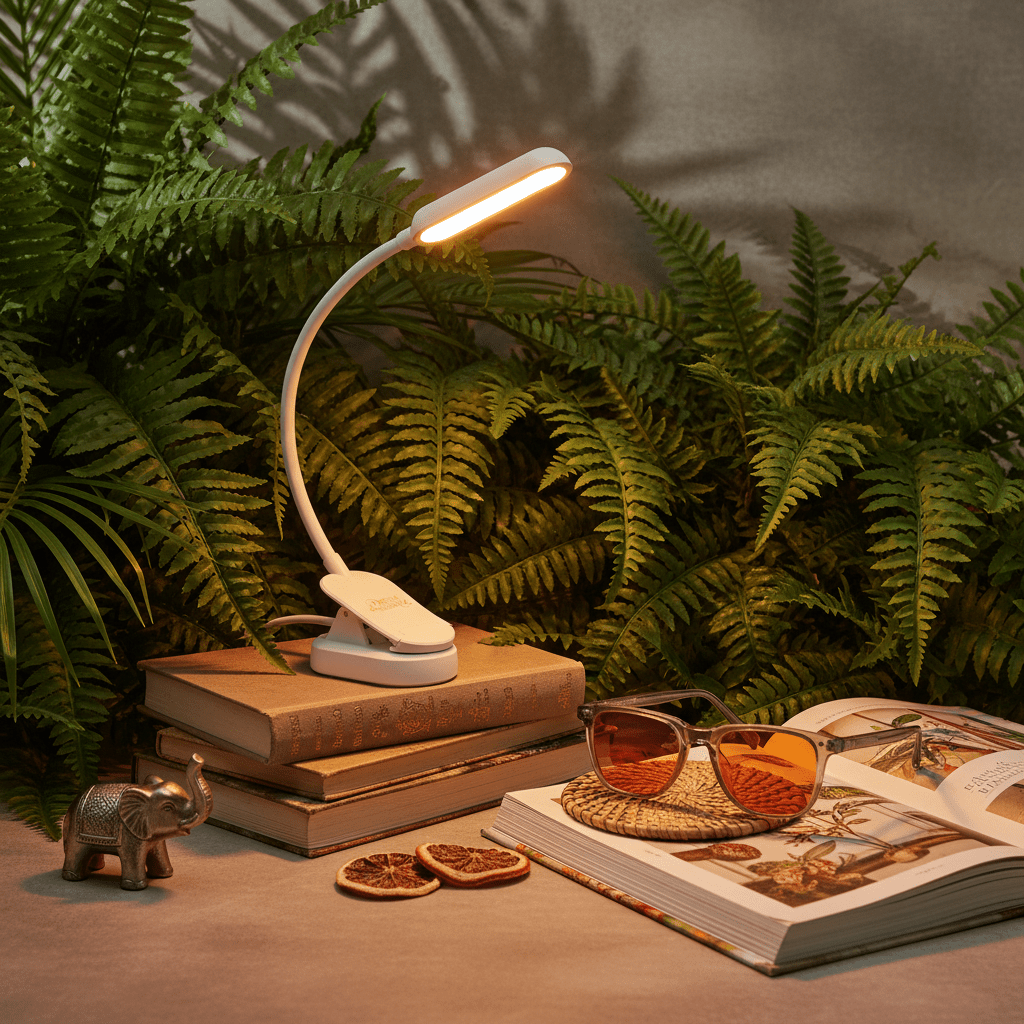
La Lámpara de lectura Lumina Circadian Friendly proporciona una luz ámbar cálida para la lectura nocturna o las rutinas antes de acostarse que no suprimirá la melatonina ni alterará tus hormonas del sueño.

Ritmo circadiano y metabolismo
Tu metabolismo sigue un fuerte patrón circadiano. La sensibilidad a la insulina, la tolerancia a la glucosa y la quema de grasa varían a lo largo del día. Cuándo comes es casi tan importante como lo que comes.
Alimentación alineada con el ritmo circadiano:
- Come tus comidas más grandes temprano en el día cuando la sensibilidad a la insulina es más alta
- Termina de comer 2-3 horas antes de acostarte para permitir una digestión adecuada
- Mantén horarios de comidas consistentes para reforzar los ritmos circadianos
- Evita los refrigerios nocturnos, que alteran los patrones de las hormonas metabólicas
Las mujeres que comen en armonía con su ritmo circadiano a menudo experimentan mejores niveles de energía, un manejo más fácil del peso y niveles de azúcar en la sangre más estables durante todo el día.
Ritmo circadiano y salud mental
Tu estado de ánimo, regulación emocional y función cognitiva están regidos por el ritmo circadiano. Los ritmos circadianos alterados están fuertemente asociados con:
- Depresión y ansiedad
- Trastorno afectivo estacional (TAE)
- Trastorno bipolar
- Deterioro cognitivo
- Reducción de la resiliencia al estrés
Apoyar tu ritmo circadiano a través de una exposición adecuada a la luz, un horario de sueño constante y rutinas diarias alineadas puede mejorar significativamente la estabilidad del estado de ánimo y la claridad mental.
Consideraciones especiales en las etapas de la vida de la mujer
Años reproductivos
La salud circadiana favorece ciclos menstruales regulares, fertilidad óptima y una concepción más sencilla. Las mujeres que intentan concebir deben priorizar horarios de sueño constantes y una gestión adecuada de la luz por la noche.
Embarazo y posparto
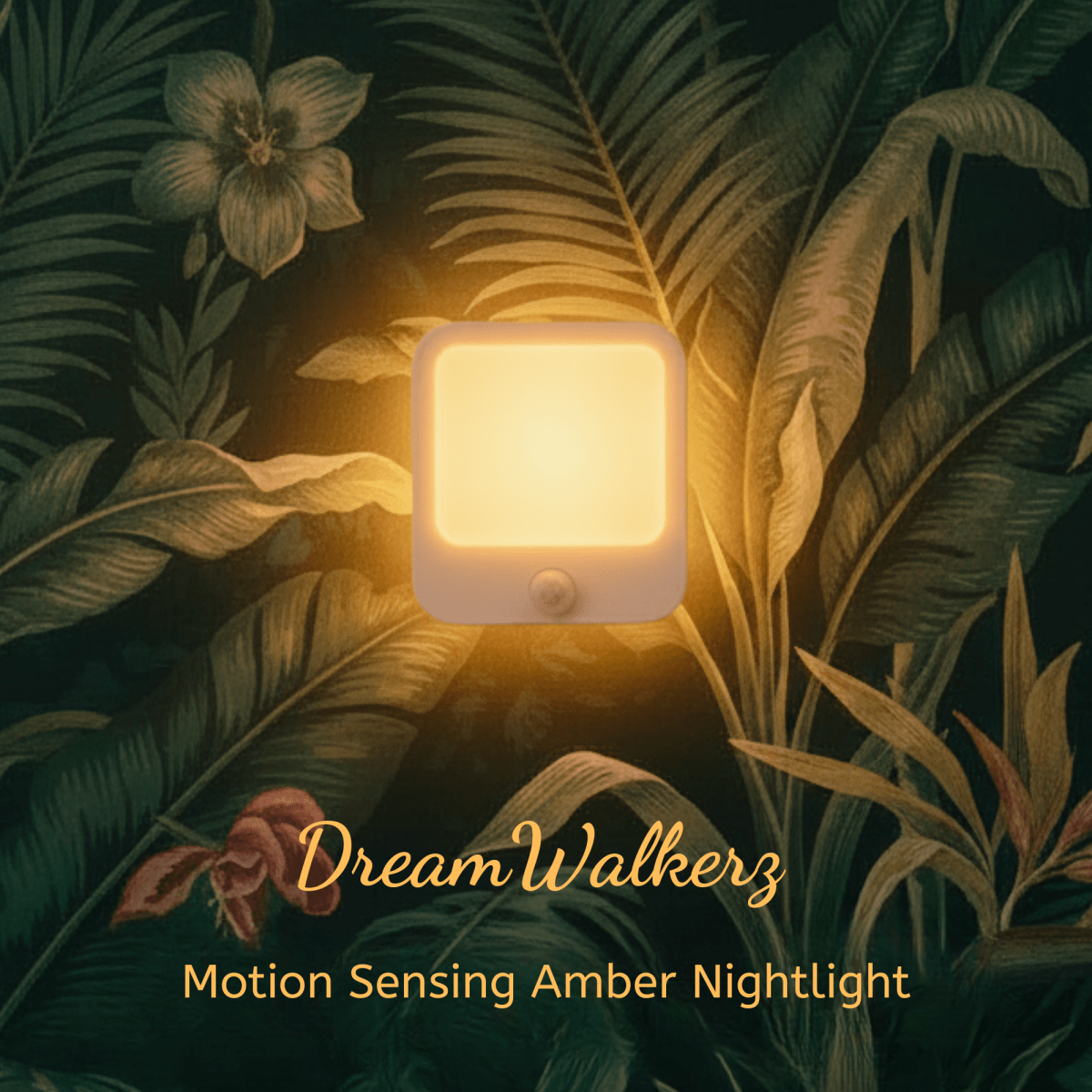
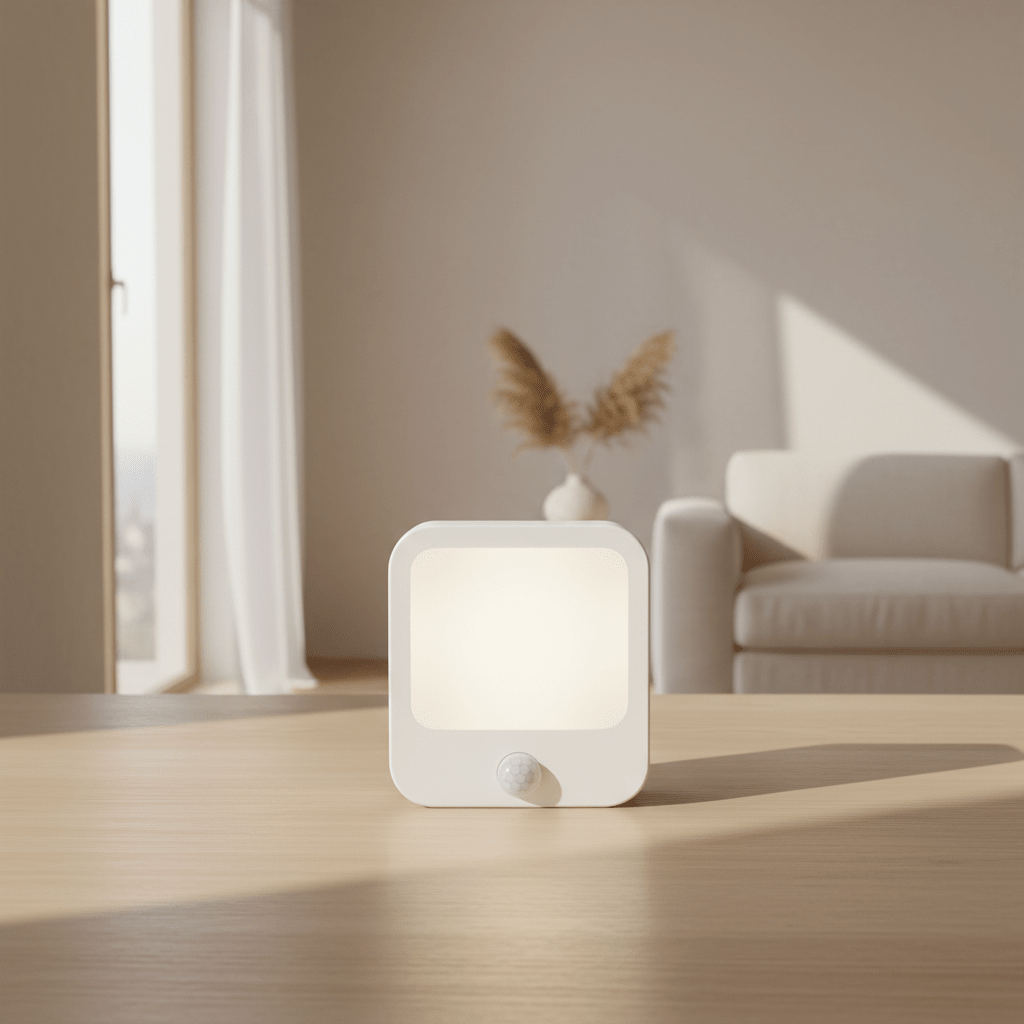
Los cambios hormonales durante el embarazo alteran naturalmente el sueño, pero mantener una exposición a la luz que apoye el ritmo circadiano puede minimizar el impacto. La Lámpara MoonNest compatible con el ritmo circadiano es perfecta para las tomas nocturnas y los cambios de pañal sin despertarte completamente a ti o alterar el ritmo circadiano en desarrollo de tu bebé.

Perimenopausia y menopausia
La disminución de estrógeno y progesterona puede fragmentar el sueño y debilitar los ritmos circadianos. Si bien el manejo de la luz no reemplazará las hormonas, puede mejorar significativamente la calidad del sueño y reducir la gravedad de síntomas como los sofocos, los cambios de humor y el insomnio.
Construyendo tu rutina diaria de apoyo circadiano
Mañana (6 a.m. - 10 a.m.):
- Recibe exposición a luz brillante dentro de los 30 minutos de despertarte (la luz solar es ideal)
- Desayuna rico en proteínas para mantener estables los niveles de azúcar en la sangre
- Haz ejercicio o mueve tu cuerpo para reforzar las señales de vigilia
- Establece una hora de despertar constante, incluso los fines de semana
Día (10 a.m. - 5 p.m.):
- Mantén una iluminación brillante en los espacios de trabajo y de vida
- Toma descansos al aire libre cuando sea posible
- Come tu comida más grande al mediodía cuando el metabolismo esté más activo
- Mantente físicamente activa durante todo el día
Tarde (5 p.m. - 9 p.m.):
- Cambia a una iluminación ámbar cálida al anochecer
- Ponte gafas que bloqueen la luz azul para cualquier tiempo de pantalla
- Cena más ligero 2-3 horas antes de acostarte
- Comienza a relajarte con actividades relajantes
Noche (9 p.m. - hora de acostarse):
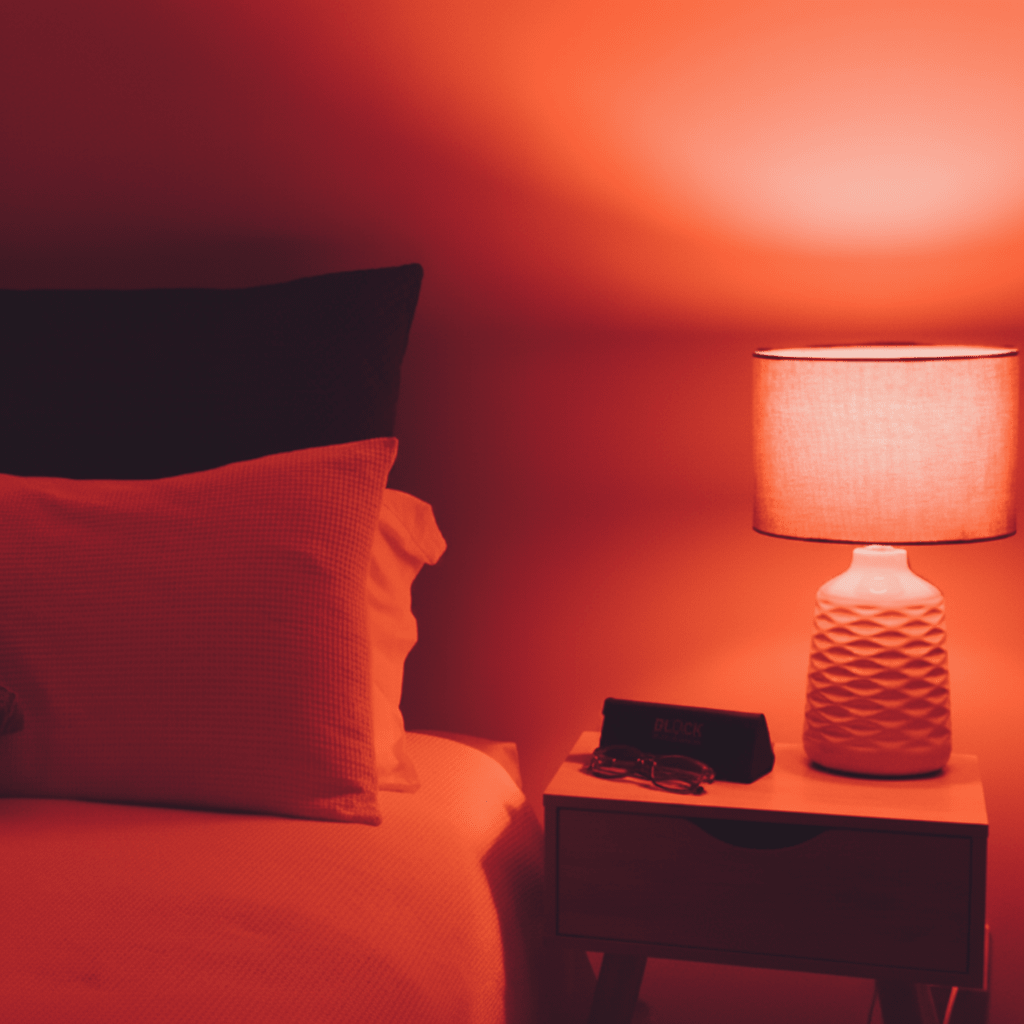
- Usa solo luz roja o ámbar intenso
- Minimiza toda exposición a pantallas
- Mantén tu dormitorio fresco, oscuro y silencioso
- Mantén una hora de acostarse consistente
La misión de Dreamwalkerz: bienestar femenino a través de la educación lumínica
Dreamwalkerz es una marca de bienestar centrada en el ritmo circadiano, diseñada específicamente pensando en las mujeres. Su misión se centra en la educación sobre la luz, ayudando a las mujeres a comprender cómo la exposición a la luz afecta sus hormonas, sueño, estado de ánimo y salud en general, y brindando soluciones hermosas y prácticas que se integran a la perfección en la vida moderna.
Cada producto de Dreamwalkerz está cuidadosamente diseñado para satisfacer las necesidades circadianas únicas de las mujeres, desde gafas de sueño que protegen la producción de melatonina por la noche hasta lámparas que se adaptan durante todo el día para que coincidan con su ritmo natural.
Pequeños cambios, grandes beneficios para la salud
No necesitas cambiar toda tu vida para apoyar tu ritmo circadiano. Empieza con un cambio, quizás controlando la exposición a la luz nocturna con gafas para dormir o estableciendo una hora de despertar constante. Observa cómo responde tu cuerpo.
Muchas mujeres reportan mejoras en solo unas pocas semanas:
- Dormirse 20-30 minutos más rápido
- Despertarse sintiéndose más descansada
- Más energía estable durante todo el día
- Mejora del estado de ánimo y la resiliencia emocional
- Mejor regularidad del ciclo menstrual
- Manejo del peso más fácil
- Reducción de los síntomas del síndrome premenstrual o perimenopáusicos
Tu ritmo circadiano es la base de tu salud. Al honrar el ritmo natural de tu cuerpo a través de una exposición adecuada a la luz, rutinas constantes y hábitos diarios alineados, estás apoyando no solo un mejor sueño, sino también una función hormonal óptima, el metabolismo, el estado de ánimo y el bienestar general.
¿Lista para alinear tu salud con tu ritmo natural? Explora la colección completa de Dreamwalkerz y descubre soluciones compatibles con el ritmo circadiano diseñadas para el bienestar femenino.