Cómo la luz azul afecta los ciclos de sueño de las mujeres
El impacto oculto de la luz azul en la salud de la mujer
El cuerpo de la mujer es excepcionalmente sensible a la exposición a la luz, con ritmos circadianos que influyen no solo en el sueño, sino también en la producción hormonal, la regulación del estado de ánimo, el metabolismo y la salud reproductiva. Sin embargo, la mayoría de las mujeres están expuestas a la luz azul, que altera el sueño, durante horas cada noche (a través de teléfonos, ordenadores portátiles, tabletas e iluminación cenital) sin darse cuenta del profundo impacto que tiene en su bienestar.
Comprender cómo la luz azul afecta tus ciclos de sueño es el primer paso para recuperar un descanso reparador y apoyar los ritmos naturales de tu cuerpo.
Por qué los ritmos circadianos de las mujeres son diferentes
Las investigaciones demuestran que los ritmos circadianos de las mujeres son ligeramente más cortos que los de los hombres, aproximadamente 6 minutos más cortos en promedio. Esto significa que los relojes internos de las mujeres naturalmente quieren acostarse más temprano y despertarse más temprano. Sin embargo, la vida moderna, con el tiempo frente a la pantalla hasta altas horas de la noche, la iluminación artificial y los horarios exigentes, a menudo obliga a las mujeres a quedarse despiertas más tarde de lo que su biología prefiere.
Esta desalineación entre tu ritmo natural y tu horario de sueño real crea lo que los investigadores llaman "jet lag social", y las mujeres lo experimentan de forma más aguda que los hombres. ¿El resultado? Dificultad para conciliar el sueño, sueño fragmentado, aturdimiento matutino y fatiga diurna.
Cómo la luz azul altera tus hormonas del sueño
Las longitudes de onda de la luz azul (450-480 nm) son los supresores más potentes de la melatonina, la hormona que le indica a tu cuerpo que es hora de dormir. Cuando te expones a la luz azul por la noche, ya sea de pantallas, bombillas LED o iluminación fluorescente, tu cerebro la interpreta como luz diurna y retrasa la producción de melatonina.
El efecto cascada
- Retraso en el inicio de la melatonina: Tu cuerpo no comienza a producir hormonas del sueño cuando debería
- Mayor tiempo para conciliar el sueño: Permaneces despierto incluso cuando te sientes cansado
- Reducción de la calidad del sueño: Menos tiempo en etapas de sueño profundo y reparador
- Aturdimiento matutino: Tu cuerpo todavía está produciendo melatonina cuando necesitas despertarte
- Fatiga diurna: La falta de sueño profundo te deja exhausto al día siguiente
Para las mujeres, esta interrupción también puede afectar la producción de estrógeno y progesterona, lo que podría repercutir en los ciclos menstruales, la fertilidad, la estabilidad del estado de ánimo y los síntomas perimenopáusicos.
Fuentes comunes de exposición a la luz azul por la noche
La mayoría de las mujeres están expuestas a la luz azul de múltiples fuentes durante toda la noche:
- Smartphones y tabletas (consultar mensajes, redes sociales, leer)
- Ordenadores portátiles y de sobremesa (correos electrónicos de trabajo, compras en línea, streaming)
- Pantallas de televisión (entretenimiento nocturno)
- Iluminación LED cenital (cocina, baño, dormitorio)
- Iluminación fluorescente (oficinas en casa, baños)
Incluso una breve exposición, de solo 10 a 15 minutos de luz azul brillante, puede suprimir la producción de melatonina durante más de una hora.
Protegiendo tus ciclos de sueño: soluciones prácticas
1. Filtra la luz azul de las pantallas
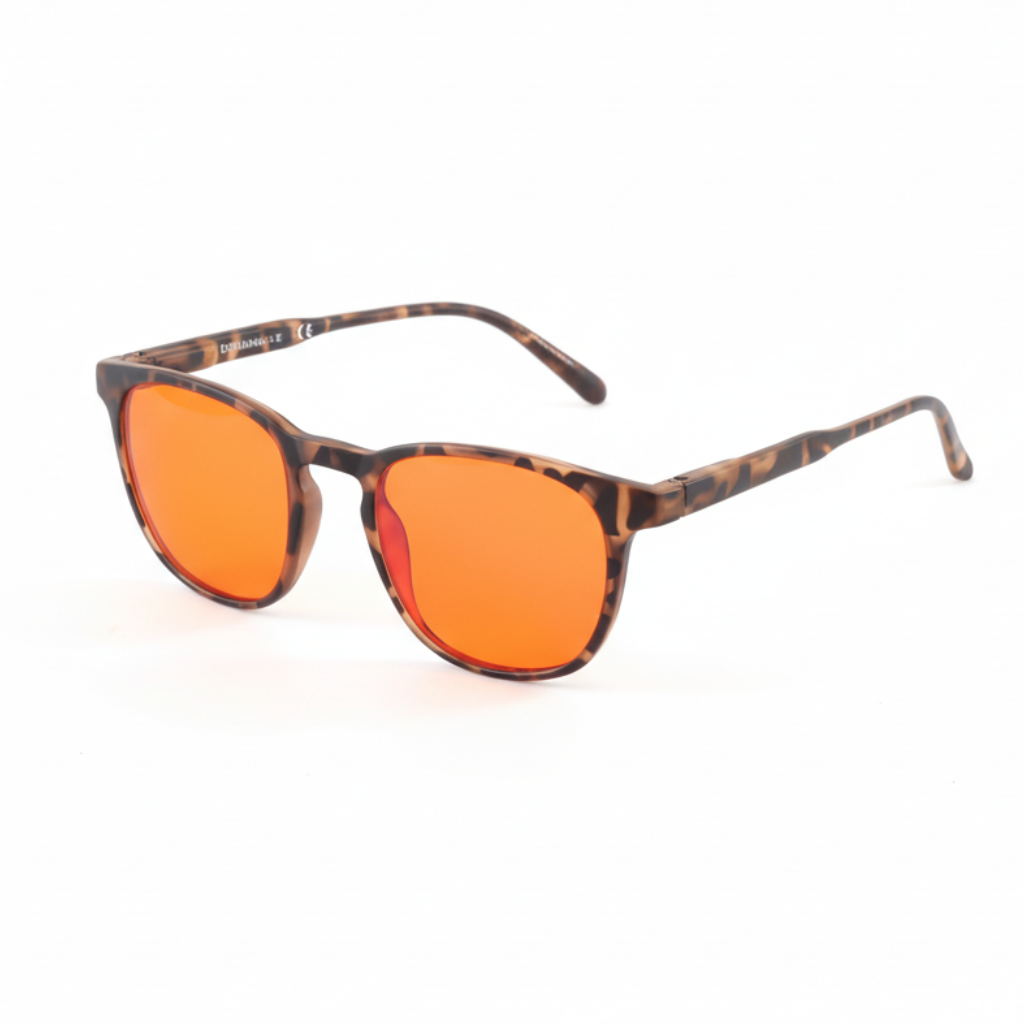
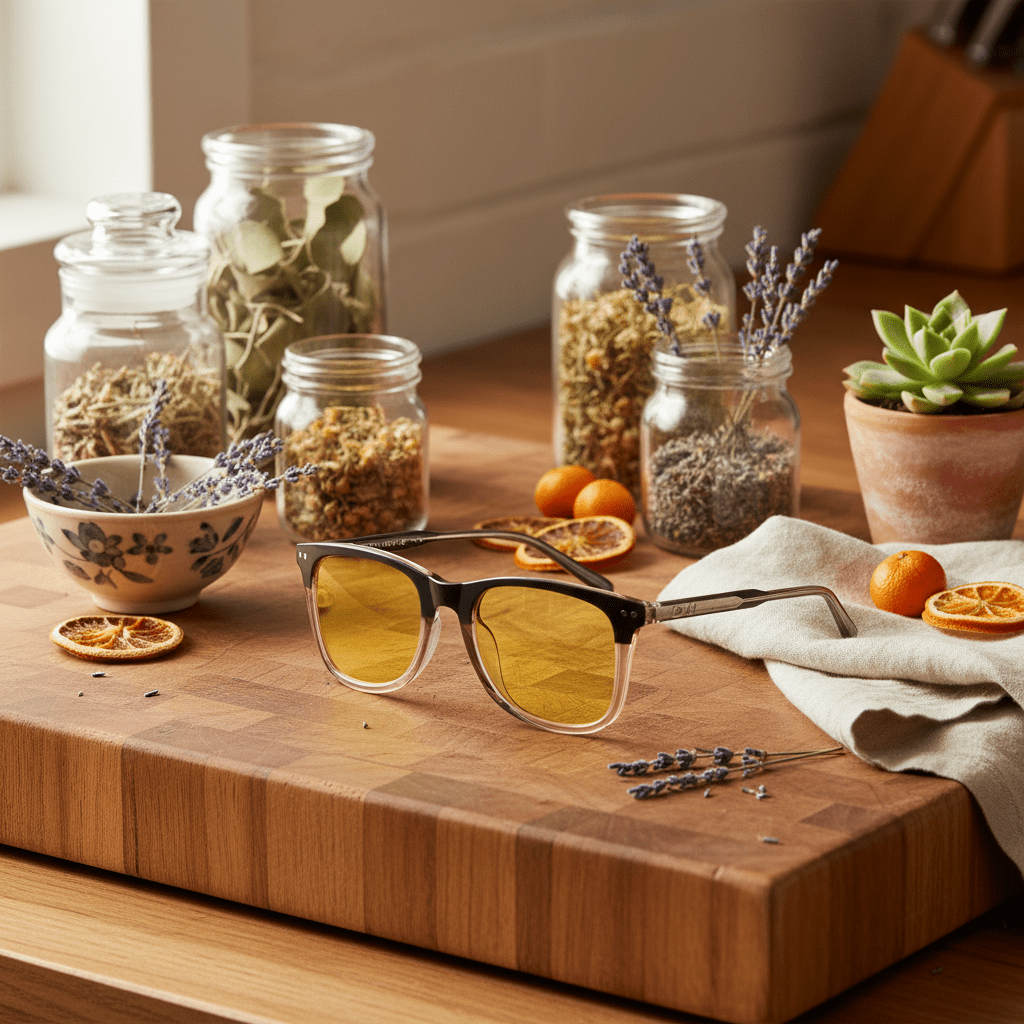
Las gafas de lectura nocturnas DreamWalkerz están específicamente diseñadas para filtrar las longitudes de onda de luz azul y verde, al mismo tiempo que te permiten ver las pantallas con claridad. Perfectas para leer, navegar o ponerte al día con el trabajo por la noche sin comprometer tu producción de melatonina.

Para una opción elegante que funciona a la perfección tanto si trabajas desde casa como si te relajas por la noche, las gafas Dreamwave Tortoise Shell Sleep Glasses combinan una estética premium con una protección científicamente probada.

2. Sustituye la iluminación nocturna por opciones compatibles con el ritmo circadiano
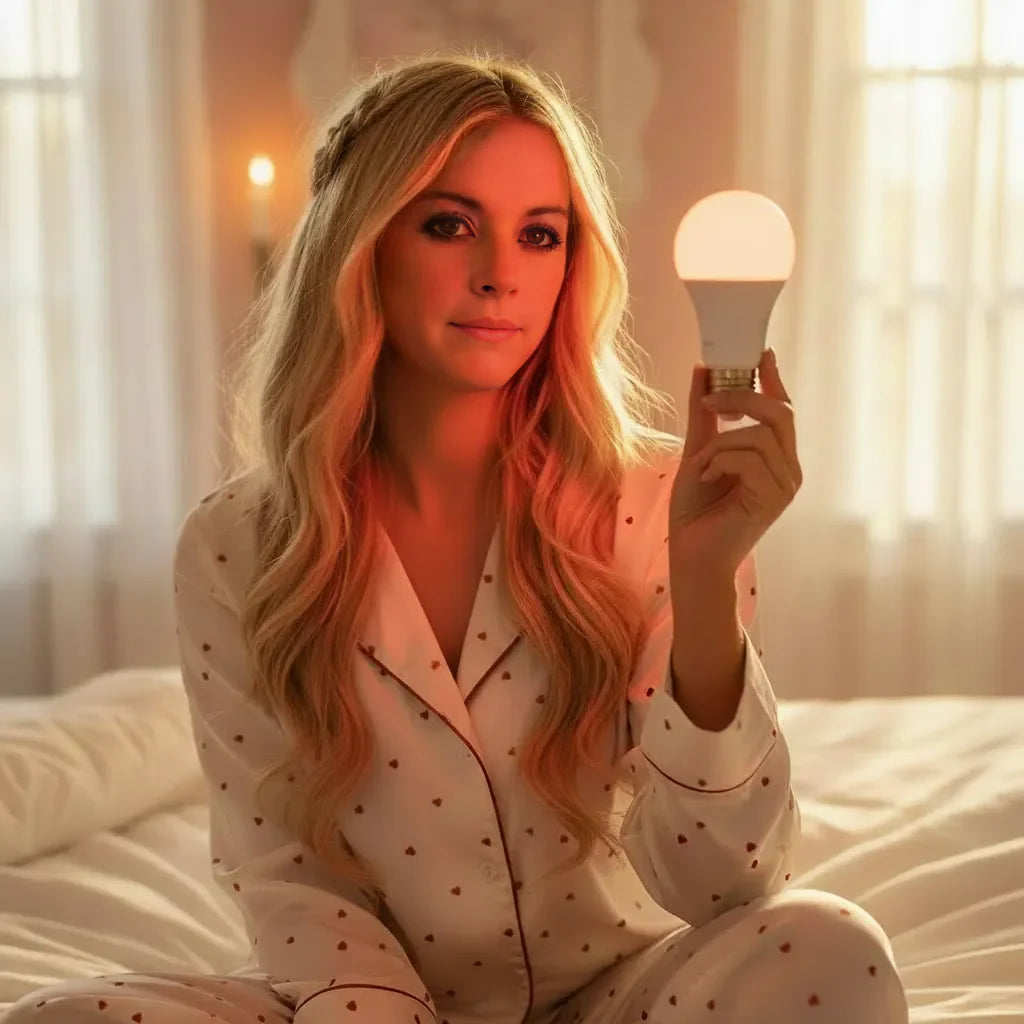
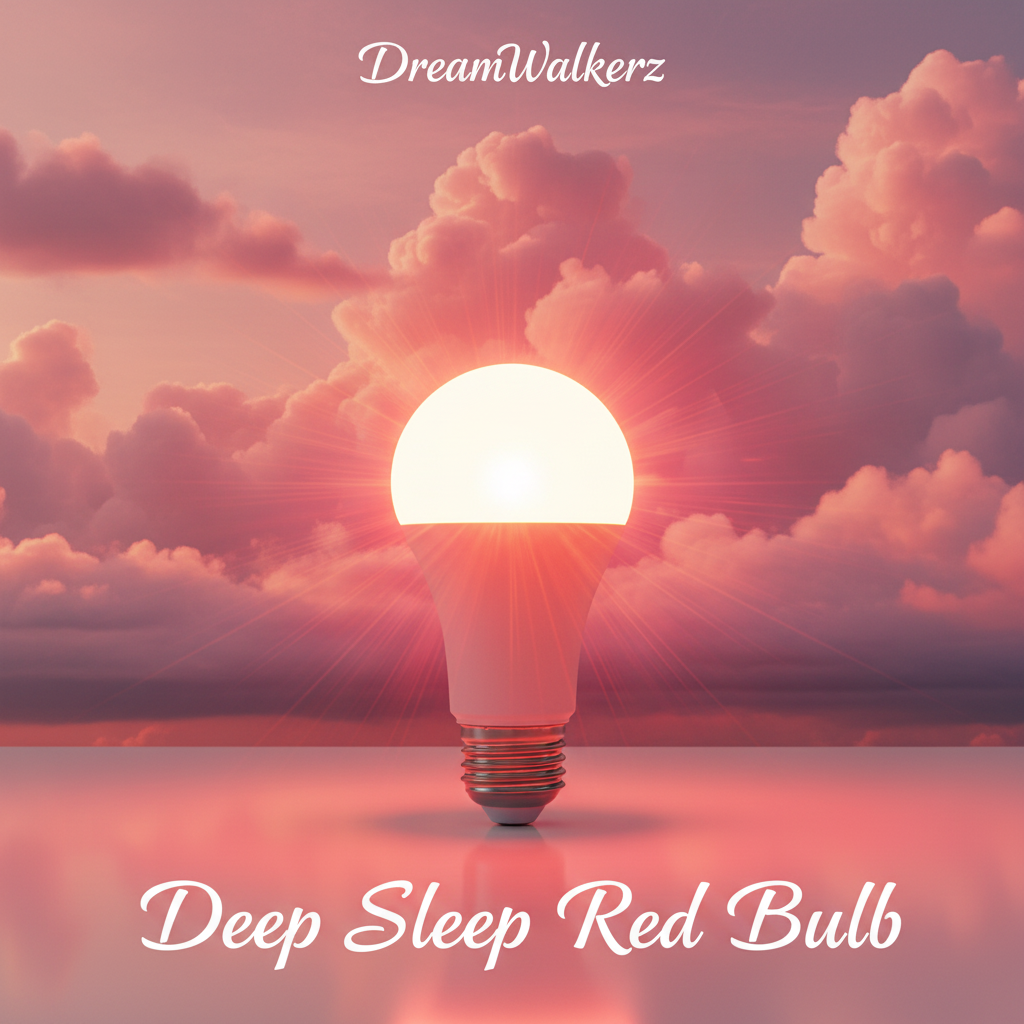
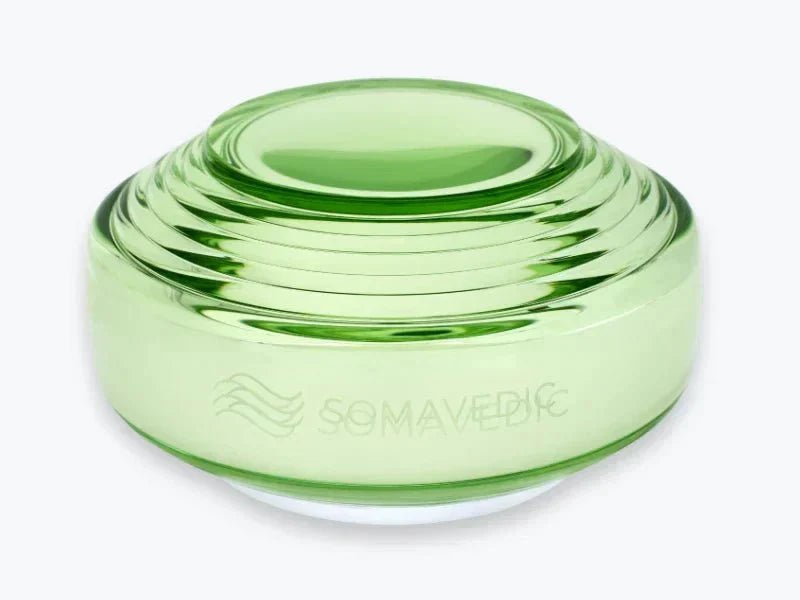
La bombilla circadiana SunCycle de 3 modos te permite ajustar la iluminación a lo largo del día: blanco brillante para la energía matutina, ámbar cálido para la relajación vespertina y rojo intenso para la noche, apoyando tu ritmo natural desde el amanecer hasta la hora de acostarse.

3. Crea un ambiente en la mesita de noche que favorezca el sueño
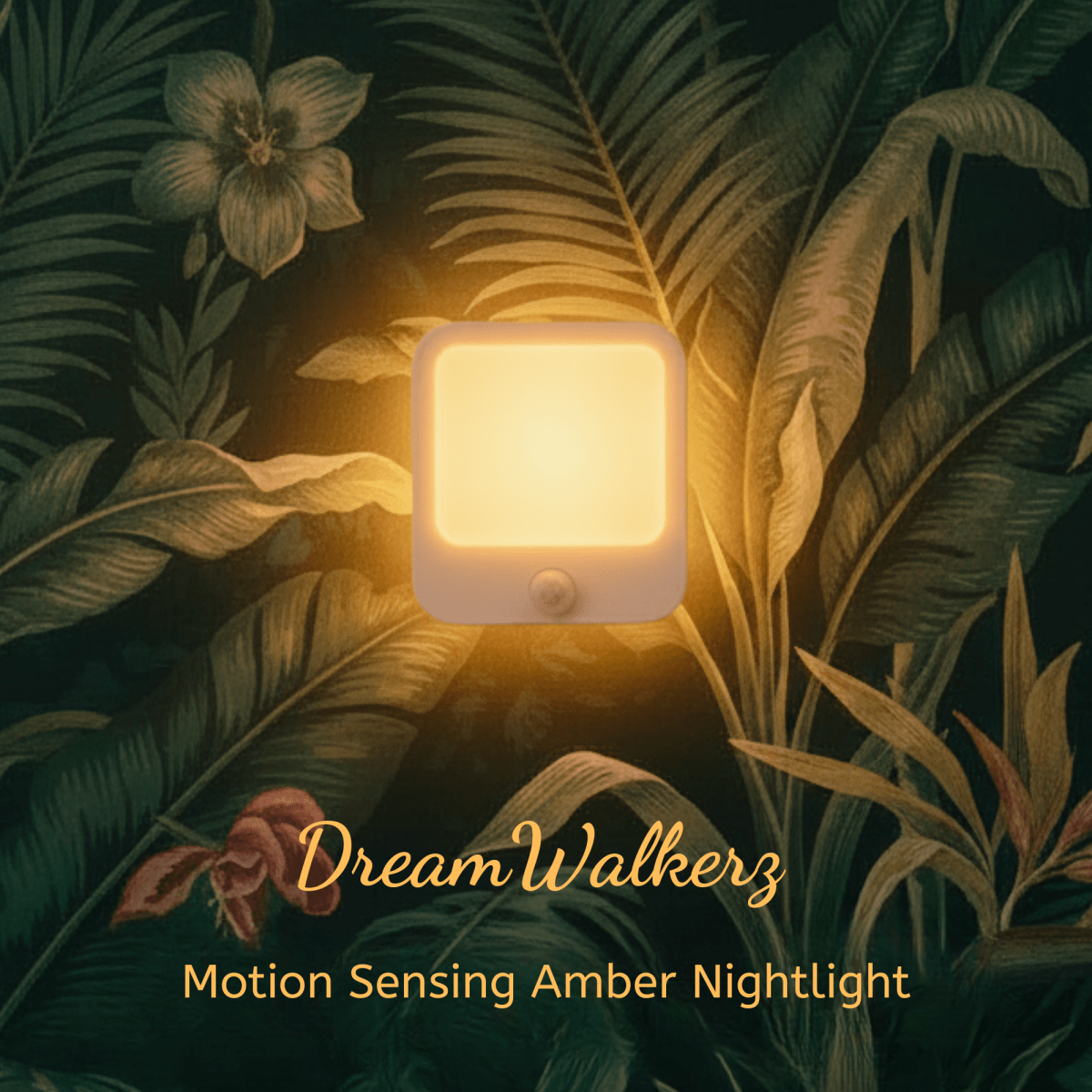
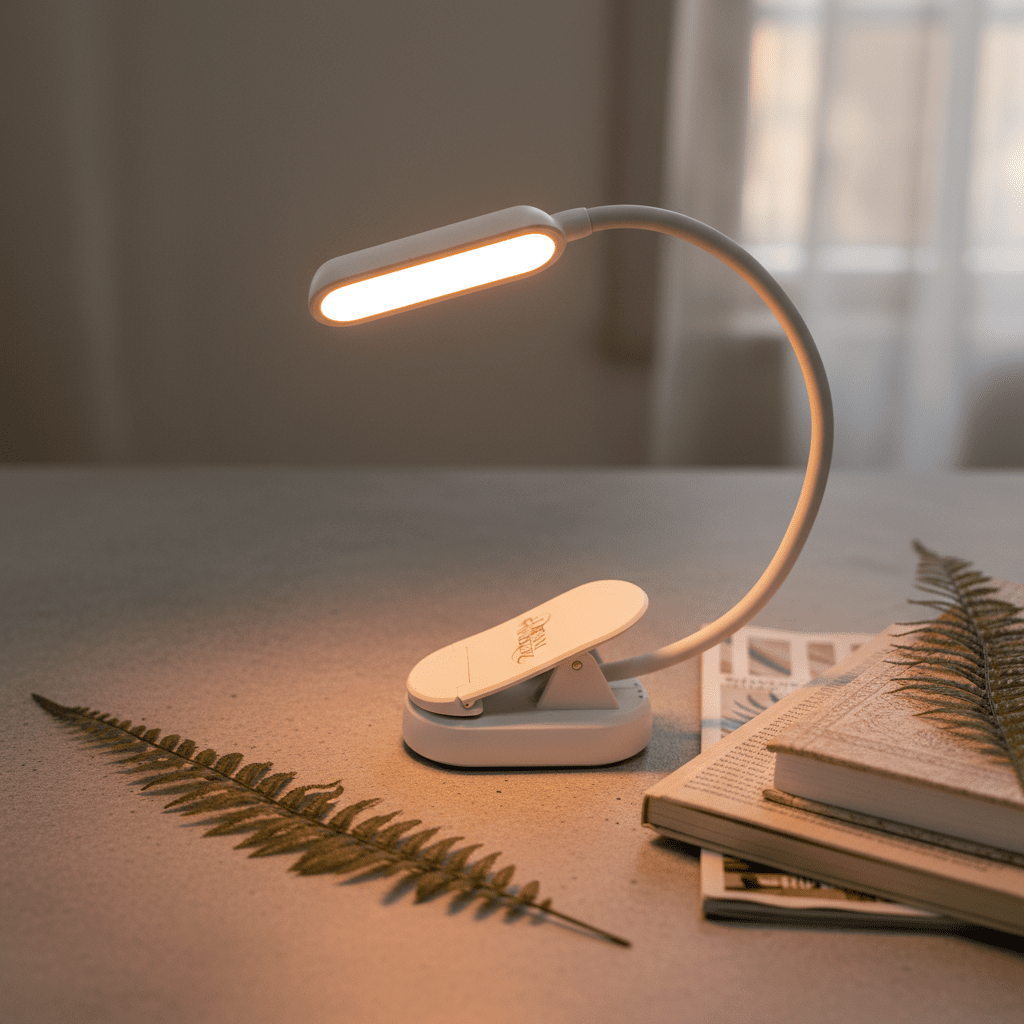
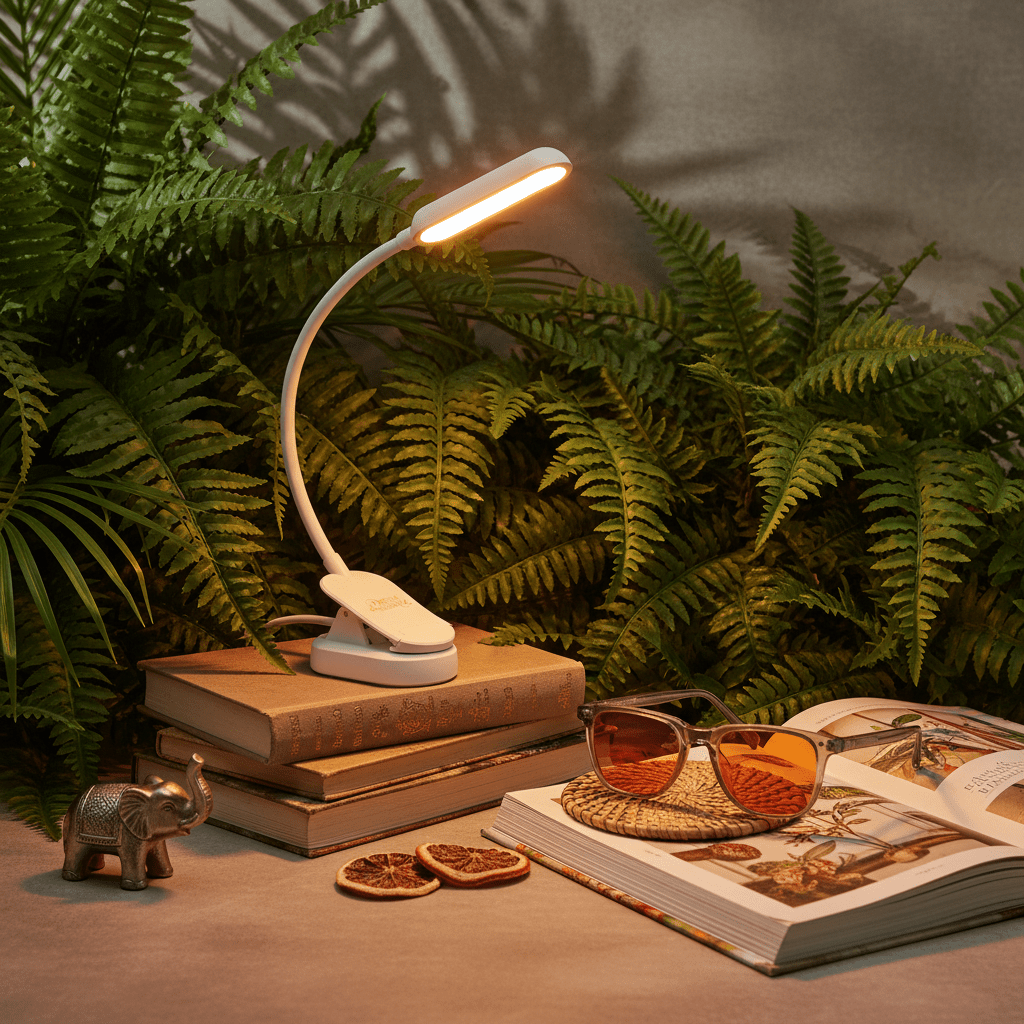
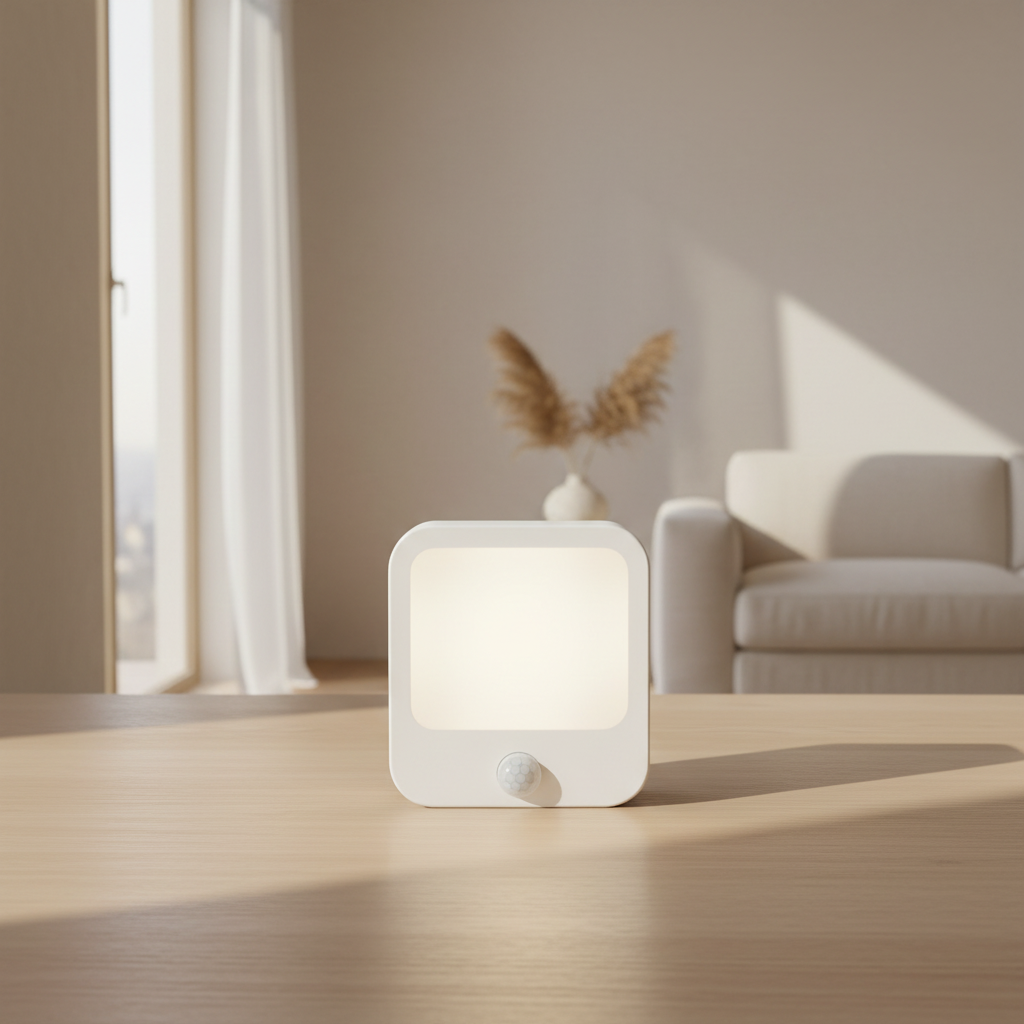
Para la lectura nocturna o para despertarse en mitad de la noche, la lámpara de lectura Lumina Circadian Friendly Reading Lamp proporciona una luz ámbar cálida que te permite ver con claridad sin interrumpir tus hormonas del sueño.

Tu rutina nocturna para dormir mejor
3 horas antes de acostarse:
- Cambia a iluminación ámbar cálida en tus espacios principales
- Ponte gafas que bloqueen la luz azul si usas pantallas
- Atenúa las luces del techo y usa lámparas en su lugar
2 horas antes de acostarse:
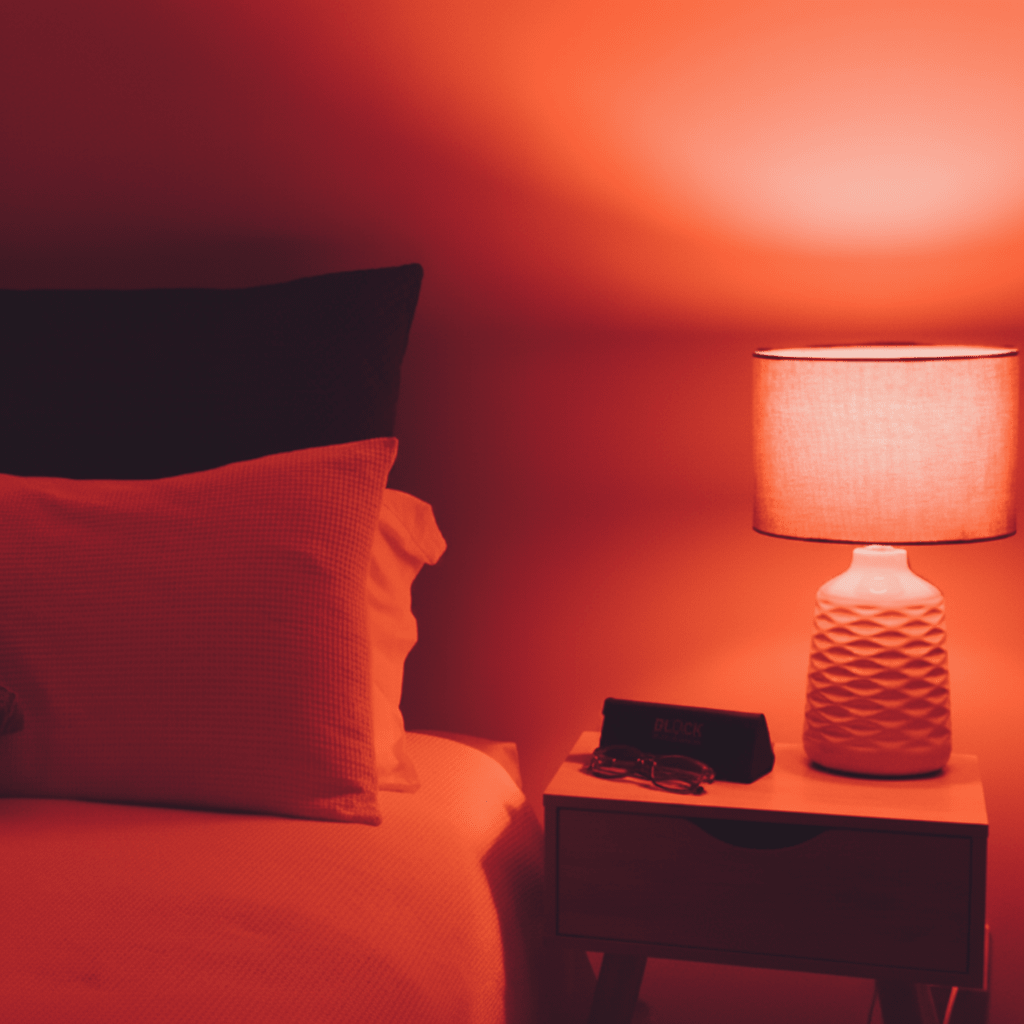
- Pasa a iluminación de espectro rojo en tu dormitorio
- Reduce el brillo de la pantalla a la configuración mínima
- Evita la iluminación brillante del baño; usa una pequeña lámpara ámbar
1 hora antes de acostarse:
- Minimiza toda la exposición a la pantalla
- Usa solo luz roja o ámbar intenso
- Crea un ritual de relajación constante con poca luz
Consideraciones especiales para las mujeres
Durante tu ciclo menstrual
La calidad del sueño fluctúa naturalmente a lo largo de tu ciclo. Durante la fase lútea (después de la ovulación), la progesterona puede hacer que te sientas con más sueño antes. Apoyar esta tendencia natural con una gestión adecuada de la luz por la noche puede mejorar tanto la calidad del sueño como los síntomas del síndrome premenstrual.
Durante el embarazo y el posparto
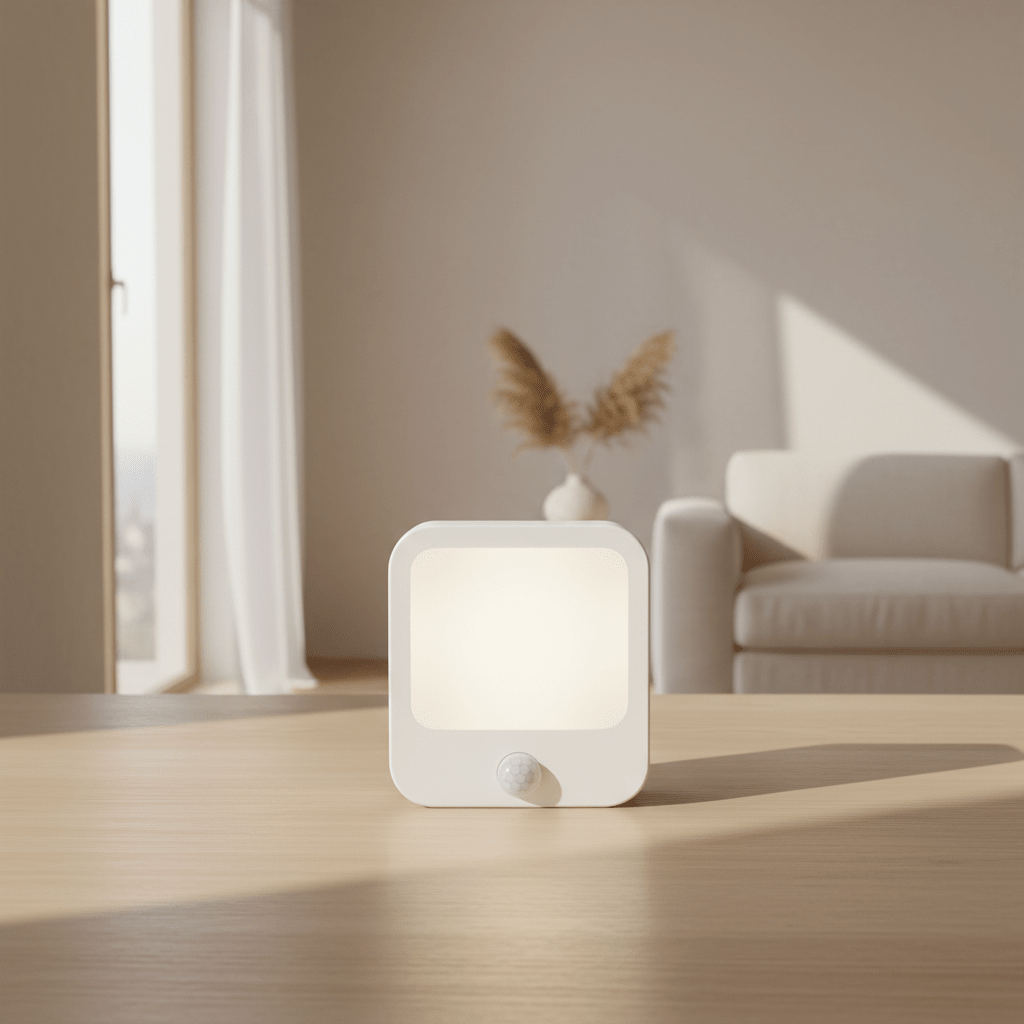
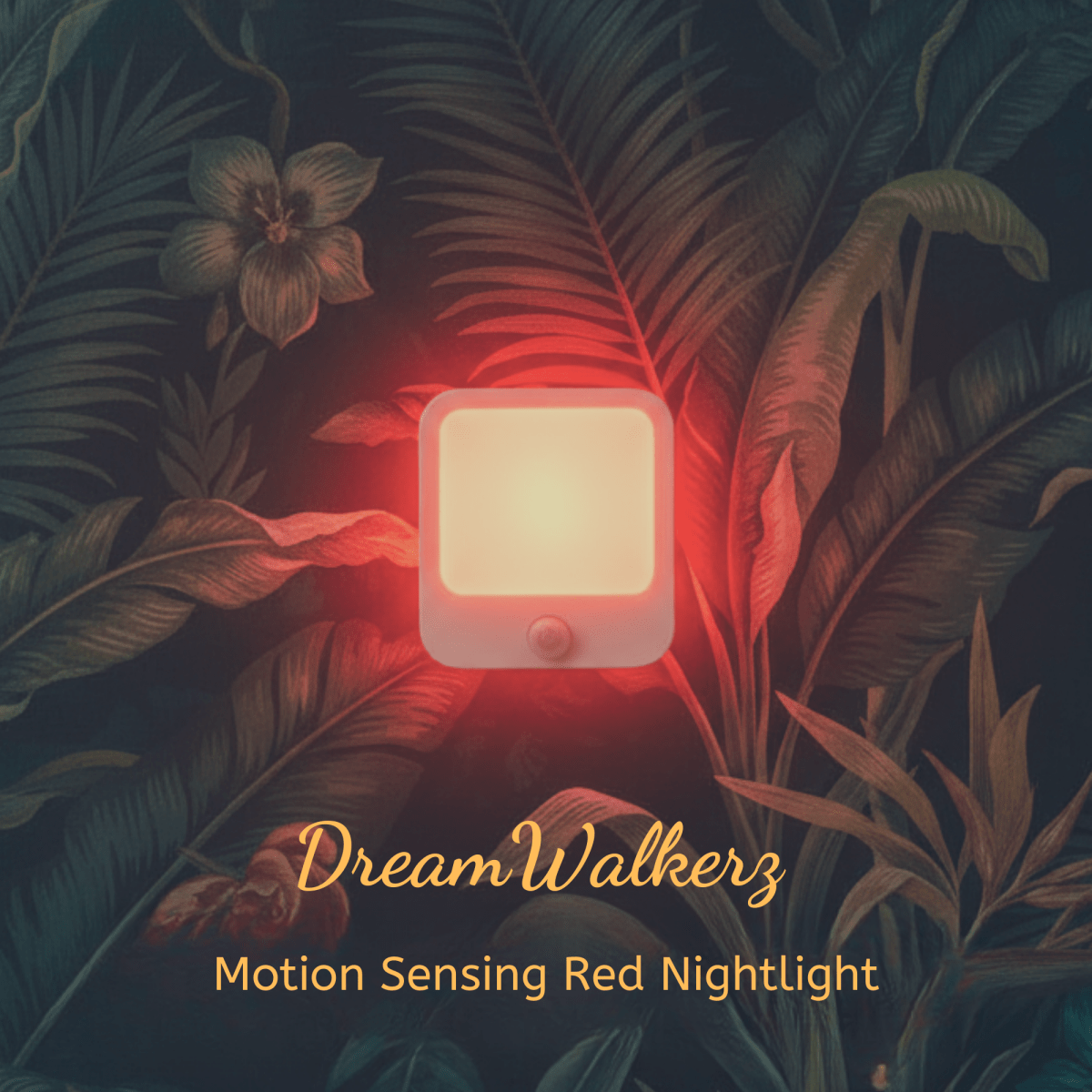
Los cambios hormonales durante el embarazo y el posparto ya pueden alterar el sueño. Proteger tu ritmo circadiano mediante una exposición adecuada a la luz se vuelve aún más crítico durante este tiempo. La lámpara MoonNest Circadian-Friendly Lamp es perfecta para las tomas nocturnas y los cambios de pañal sin despertarte completamente a ti o a tu bebé.

Durante la perimenopausia y la menopausia
La disminución de estrógenos y progesterona puede fragmentar el sueño y empeorar el insomnio. Aunque la gestión de la luz no sustituirá a las hormonas, puede mejorar significativamente la calidad del sueño al apoyar las señales circadianas restantes de tu cuerpo.
La diferencia de Dreamwalkerz: diseñado para mujeres
Dreamwalkerz es una marca de bienestar centrada en el ritmo circadiano, diseñada específicamente pensando en las mujeres. Su misión se centra en la educación sobre la luz y en ayudar a las mujeres a crear entornos nocturnos más saludables que respeten sus necesidades biológicas únicas.
Cada producto está cuidadosamente diseñado para integrarse a la perfección en tu vida, desde elegantes gafas para dormir que realmente querrás usar, hasta lámparas elegantes que complementan la estética de tu hogar, y bombillas versátiles que se adaptan a lo largo de tu día.
Pequeños cambios, resultados profundos
No necesitas eliminar las pantallas ni vivir a la luz de las velas. Comienza con un cambio simple: quizás un par de gafas para dormir para el tiempo frente a la pantalla por la noche, o cambiar la bombilla de tu lámpara de noche por una opción compatible con el ritmo circadiano. Observa cómo responde tu cuerpo.
Muchas mujeres informan que se duermen entre 20 y 30 minutos más rápido, se despiertan menos durante la noche y se sienten más descansadas por la mañana cuando gestionan la exposición a la luz azul por la noche. Un mejor sueño apoya todo lo demás: tu estado de ánimo, tu energía, tu productividad, tus relaciones y tu salud en general.
Tu cuerpo está diseñado para dormir bien cuando se le dan las señales ambientales adecuadas. Al protegerte de la luz azul por la noche, estás honrando tu biología natural y dándote el regalo de un descanso reparador.
¿Lista para recuperar tu sueño? Explora la colección completa de Dreamwalkerz y descubre soluciones compatibles con el ritmo circadiano diseñadas para el bienestar de la mujer.