Wearable Laser Therapy vs. LED Red Light: What Makes the Kineon MOVE+ Different
If you've been researching red light therapy devices, you've probably noticed that most of them use LED lights. Panels, masks, pads, belts, wearables. LED is the dominant technology. So when a device like the Kineon MOVE+ leads with "laser," it's worth understanding what that distinction actually means and why it matters for your joints.
LED vs. Laser: The Core Difference
Both LED and laser deliver photobiomodulation. They use specific wavelengths of light to stimulate cellular energy production, reduce inflammation, and support tissue repair. The underlying biology is the same. What differs is how the light behaves.
LED light is incoherent. It spreads in multiple directions, covers a wide surface area, and is excellent at treating large zones of the body. That's why LED panels and full-body mats are so effective for skin rejuvenation, general recovery, and whole-body sessions.
Laser light is coherent. The photons travel in the same direction, at the same wavelength, in phase with each other. This coherence allows laser energy to penetrate more deeply and deliver a more concentrated dose of photons to a specific target, like a joint, a tendon, or deep connective tissue.
For surface-level goals like collagen stimulation or broad muscle recovery, LED is highly effective and practical. For deep, joint-specific therapeutic targets, laser delivers energy where LED simply cannot reach at the same intensity.
Why Joints Are Different
Joints are surrounded by bone, cartilage, synovial fluid, and dense connective tissue. Getting therapeutic light energy to the structures inside a joint, like the synovial membrane, ligaments, and subchondral bone, requires depth that most LED devices can't reliably achieve.
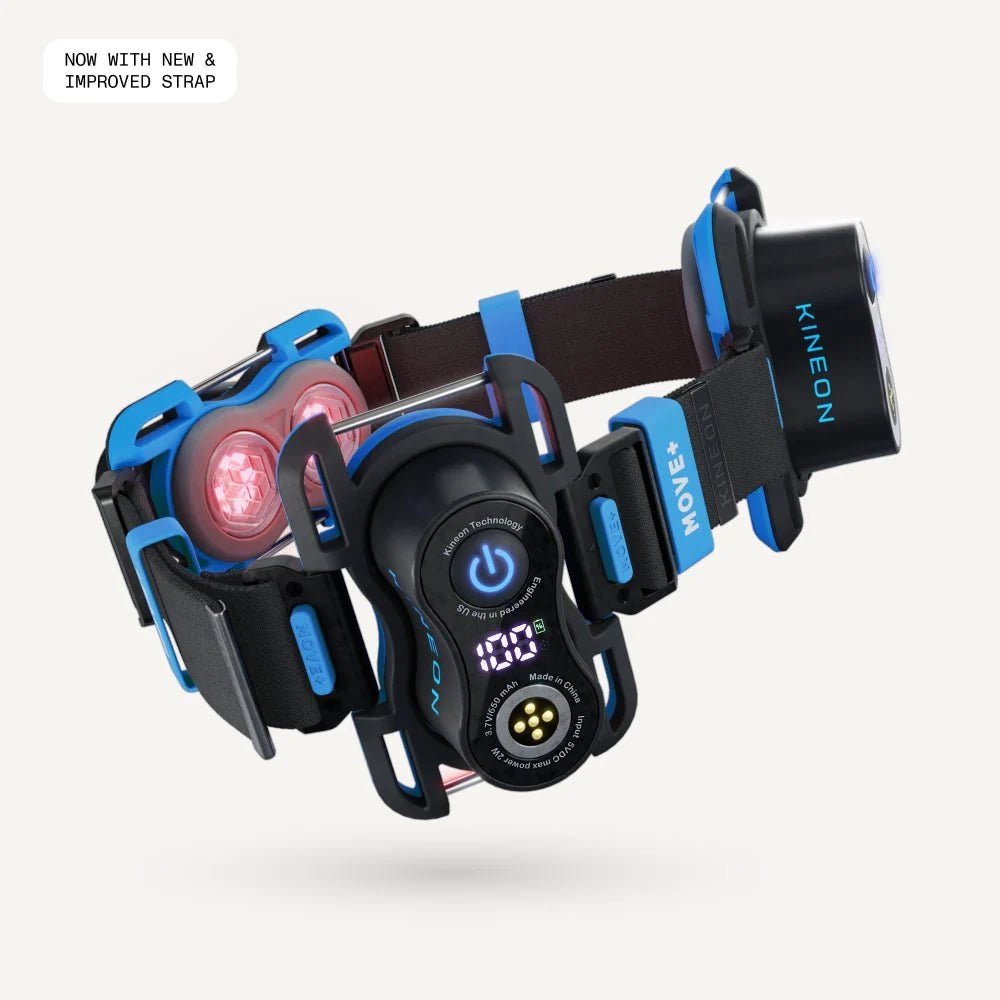
This is the problem Kineon was built to solve. Rather than designing another panel or pad, Kineon built a wearable device that combines medical-grade lasers with LEDs and places the light source directly against the joint. The result is focused, deep-penetrating energy delivered exactly where inflammation and damage occur.
The Kineon MOVE+
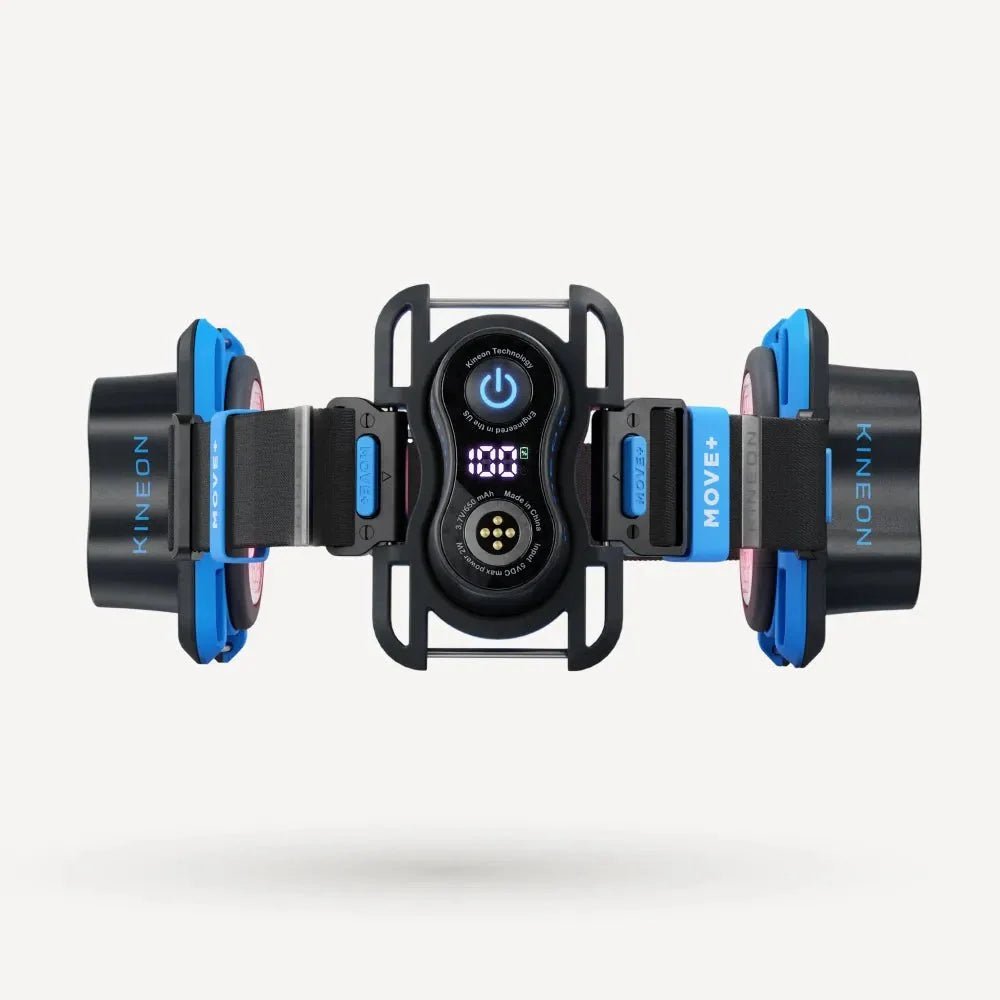
The MOVE+ is a wearable therapeutic laser device designed specifically for joint pain, inflammation, and recovery. It wraps around the joint, knee, shoulder, elbow, ankle, hip, and delivers a combination of 808nm near-infrared laser and 630nm red LED light in direct contact with the skin.
Key design principles behind the MOVE+:
- Medical-grade laser diodes - not consumer LEDs relabeled as laser. The MOVE+ uses the same class of laser technology used in clinical low-level laser therapy (LLLT) research and practice.
- Wearable, hands-free design - wraps securely around the joint so you can use it while resting, working, or going about your day. Sessions are typically 15 minutes.
- Direct contact application - placing the light source against the skin eliminates the distance penalty that affects panels and pads, maximizing energy delivery at the target tissue.
- 808nm near-infrared laser - this wavelength has one of the strongest evidence bases in LLLT research for joint inflammation, cartilage support, and pain modulation.
- 630nm red LED - complements the laser with surface-level support for circulation and local tissue health.
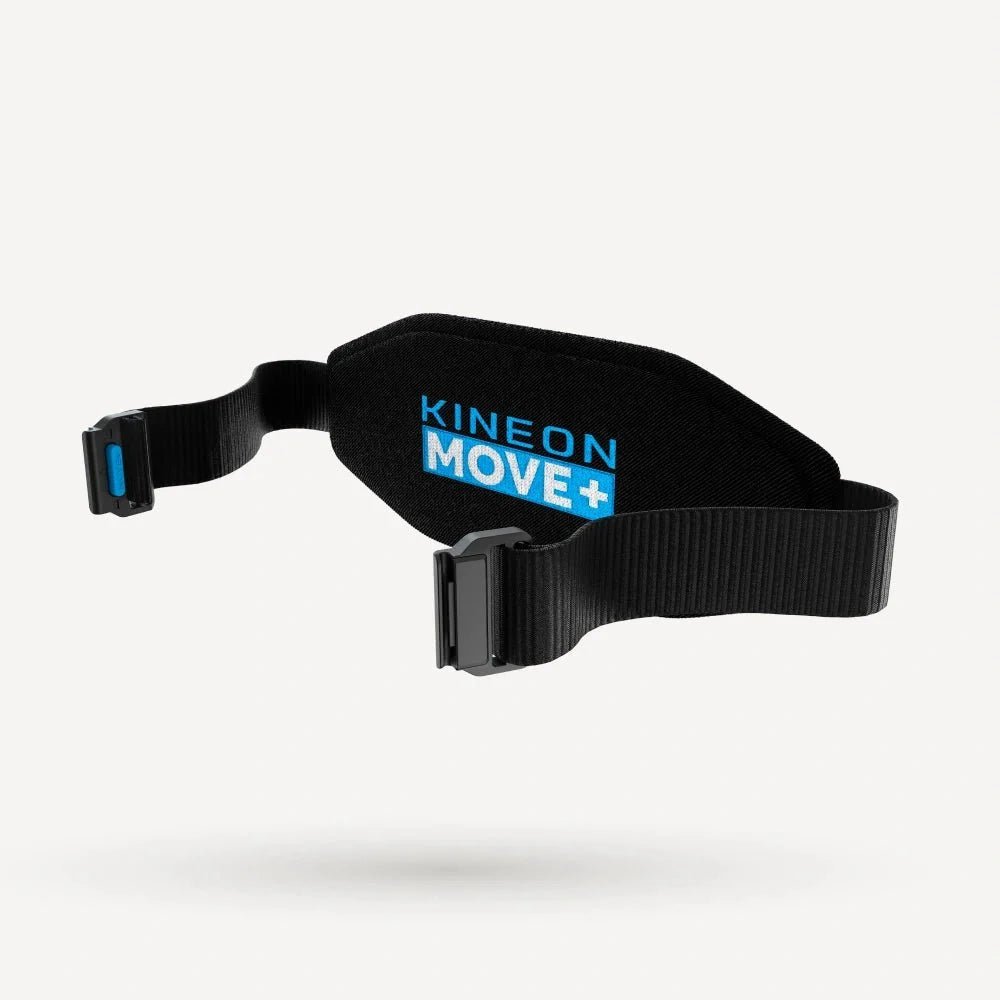
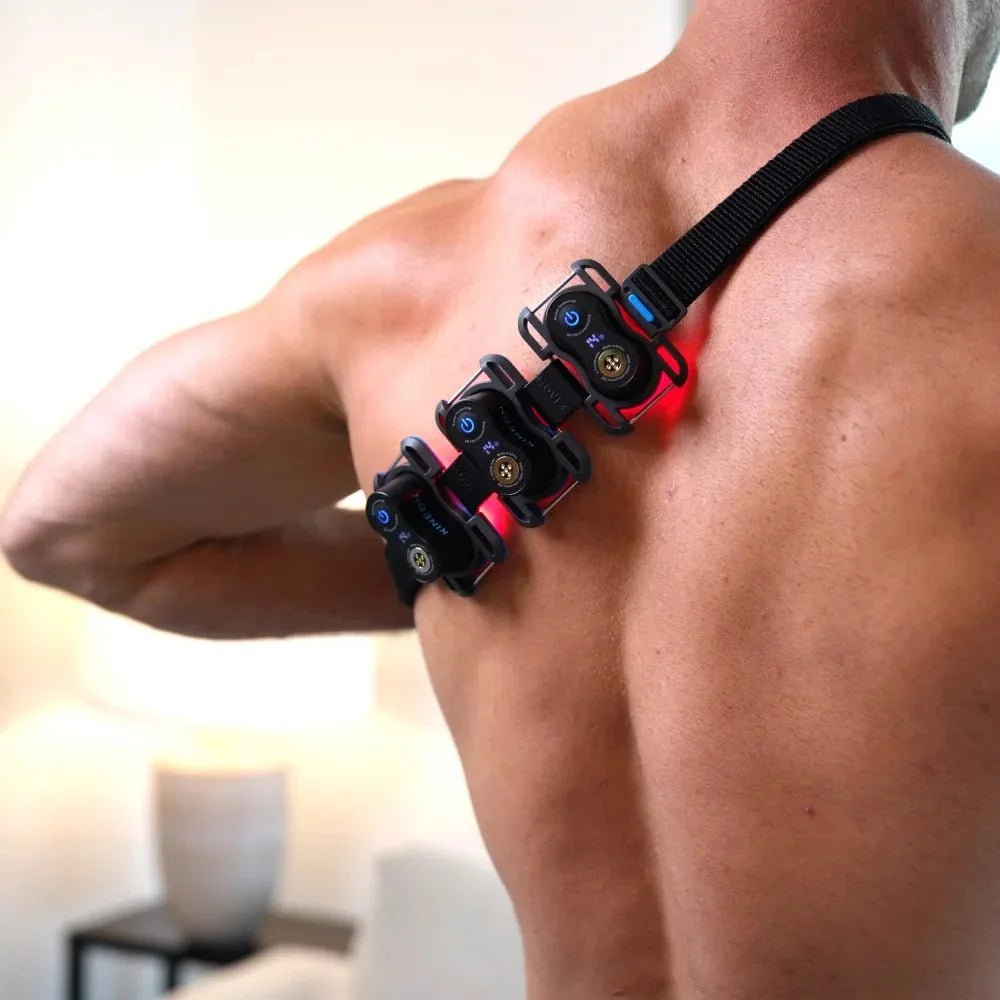
The MOVE+ Extender Strap is available separately for use on larger areas like the back, hip, and abdomen, extending the device's reach beyond the standard joint wrap configuration.
The Kineon RELIEF+
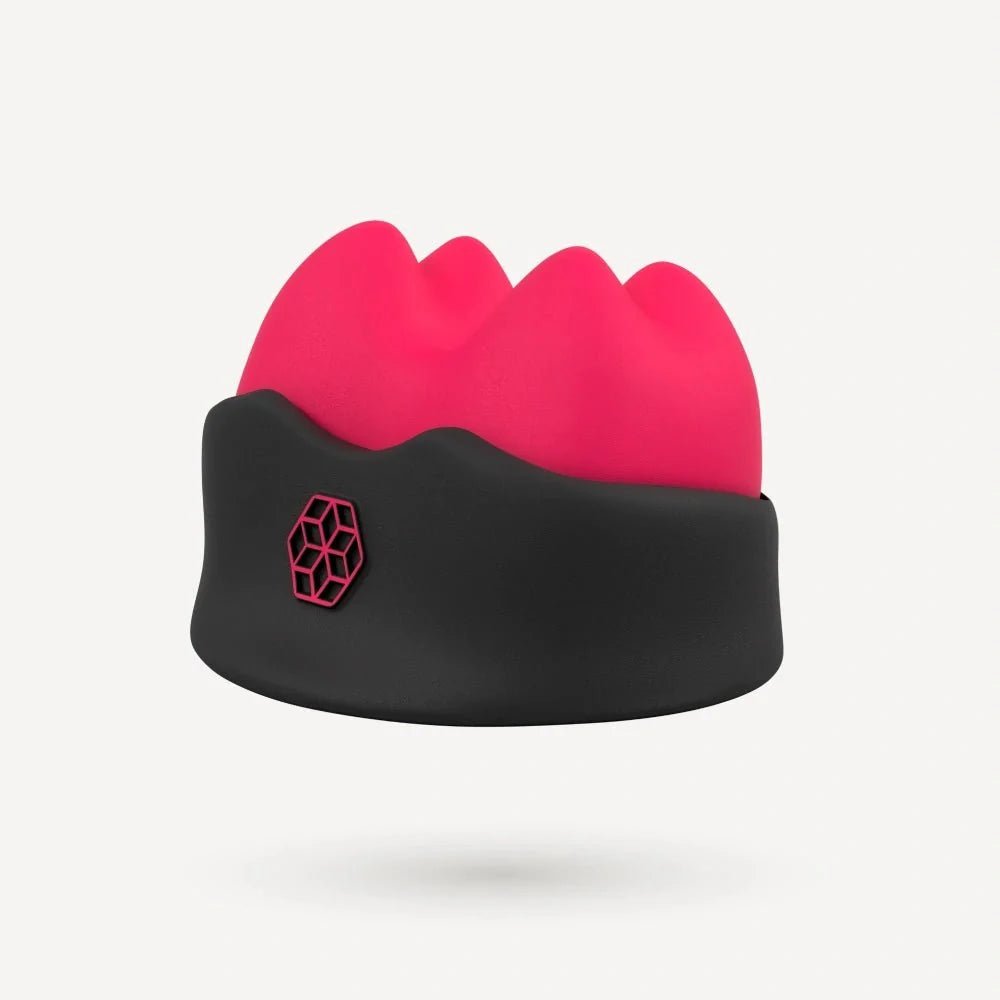
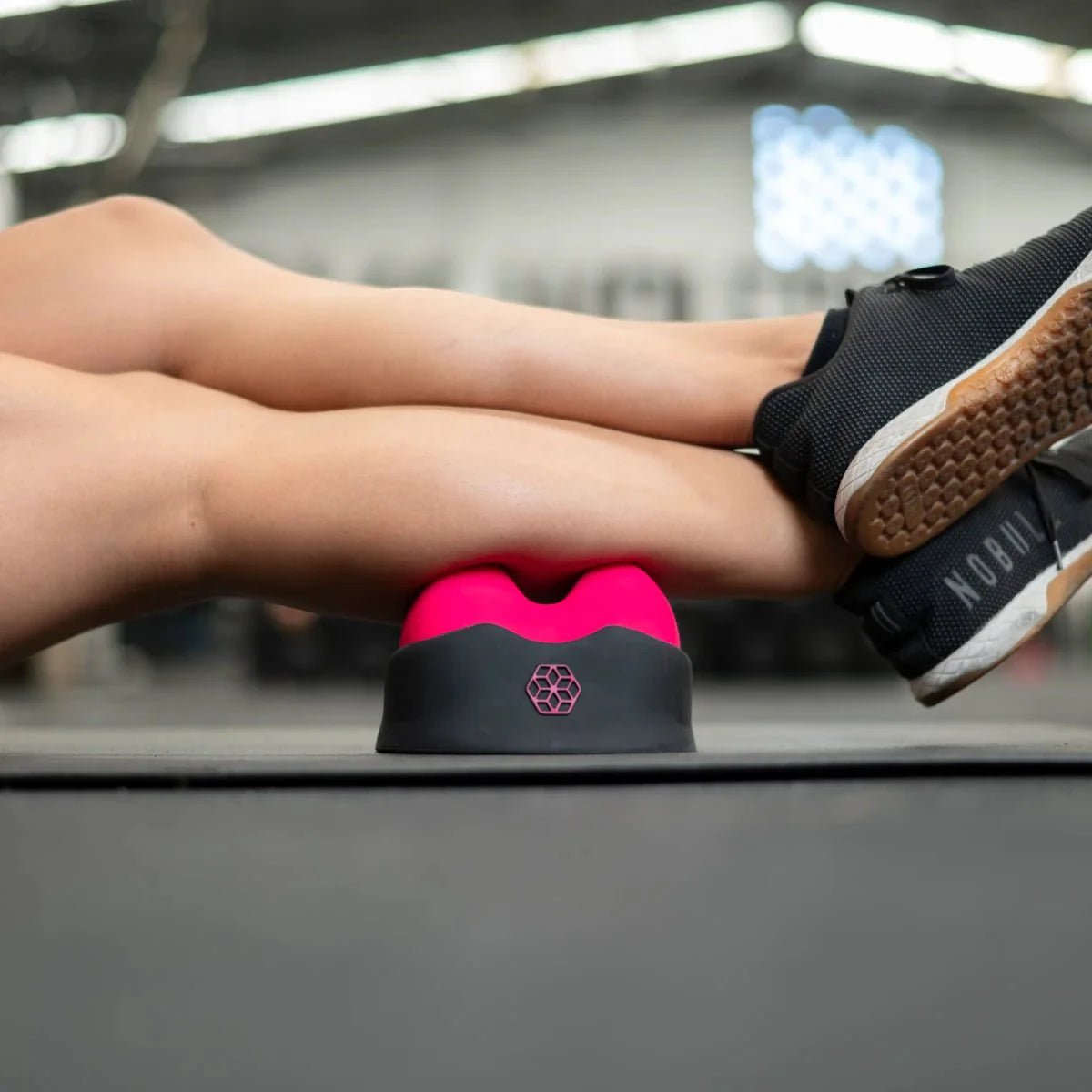
The RELIEF+ is Kineon's targeted soft tissue device, a compact tool designed for muscle knots, trigger points, and localized tension. Its ergonomic four-hump design targets key tension areas across the neck, shoulders, back, and more.
Where the MOVE+ is optimized for joint structures and chronic inflammation, the RELIEF+ is designed for acute tension, muscle recovery, and everyday aches. Together they cover the full spectrum of musculoskeletal support, from deep joint therapy to surface soft tissue relief.
How to Stack MOVE+ and RELIEF+
Many Kineon users use both devices as a layered recovery protocol:
- Post-workout - MOVE+ on the primary joint that bore the load (knee after squats, shoulder after pressing), RELIEF+ on the surrounding muscle groups while the MOVE+ session runs.
- Chronic joint management - daily MOVE+ sessions on the affected joint as the primary protocol, RELIEF+ as needed for muscle tension and compensation patterns.
- Recovery wind-down - 15 minutes of MOVE+ in the evening while reading or watching TV, followed by a short RELIEF+ session on tight areas before sleep.
Consistency is the variable that matters most. Research on low-level laser therapy consistently shows that cumulative sessions over weeks produce more meaningful results than occasional use. Building MOVE+ into a daily routine, even on low-symptom days, is how most users report the best long-term outcomes.
Who the MOVE+ Is For
The Kineon MOVE+ is a strong fit for:
- Athletes managing chronic joint pain from high-impact or repetitive training
- Anyone dealing with knee, shoulder, elbow, or hip inflammation that hasn't responded well to surface-level modalities
- People exploring non-pharmaceutical options for joint discomfort and mobility
- Biohackers and serious wellness practitioners who want clinical-grade laser technology in a home-use format
- Anyone who has tried LED red light therapy with modest results on joint-specific issues and wants to understand why laser penetrates differently
Frequently Asked Questions
What is the difference between laser and LED red light therapy?
LED light is incoherent and spreads across a wide area, making it ideal for surface-level skin and muscle treatment. Laser light is coherent, meaning it travels in a focused beam that penetrates more deeply into tissue. For joint-specific therapy, laser delivers more concentrated energy to deeper structures that LED cannot reliably reach at the same intensity.
Is the Kineon MOVE+ safe for home use?
Yes. The MOVE+ uses low-level laser therapy (LLLT), also called photobiomodulation, which is non-thermal at the intensities used and has been studied extensively in clinical settings. It is not a cutting or surgical laser. Always follow the included guidance and avoid directing the device at the eyes.
How long are MOVE+ sessions?
Sessions are 15 minutes. The device is wearable and hands-free, so most users run sessions while resting, reading, or doing light activity.
Can you use the MOVE+ on joints other than the knee?
Yes. The MOVE+ is designed for any accessible joint, including knee, shoulder, elbow, ankle, wrist, and hip. The Extender Strap accessory allows use on larger areas like the back and hip where the standard wrap doesn't fit.
How is the MOVE+ different from a red light therapy panel?
Panels use LEDs and are excellent for broad surface coverage, including skin, large muscle groups, and whole-body sessions. The MOVE+ uses medical-grade lasers applied directly to the joint in a wearable format, delivering focused energy to deep tissue structures that panels cannot target at the same penetration depth. The two devices serve complementary, not competing, purposes.
How long before you notice results with the MOVE+?
Individual results vary. Many users report noticeable changes in comfort and mobility within 2 to 4 weeks of daily use. Low-level laser therapy research generally supports cumulative protocols of 4 to 8 weeks for meaningful outcomes in joint pain and inflammation.
Can the MOVE+ and RELIEF+ be used together?
Yes. They are designed to complement each other. The MOVE+ addresses deep joint structures; the RELIEF+ addresses surrounding soft tissue and muscle tension. Many users run both as part of a single recovery session.
Shop the full Kineon lineup on our Kineon collection page.