Wearable Red Light Therapy for Joint Pain: How Targeted Laser Therapy Works
Joint pain is one of the most common reasons people turn to red light therapy. Knees, shoulders, hips, ankles, wrists — chronic pain in these areas is often driven by inflammation, reduced circulation, and tissue damage that conventional approaches address slowly if at all. Red light therapy offers a different mechanism: delivering light energy directly into the affected tissue to stimulate cellular repair at the source.
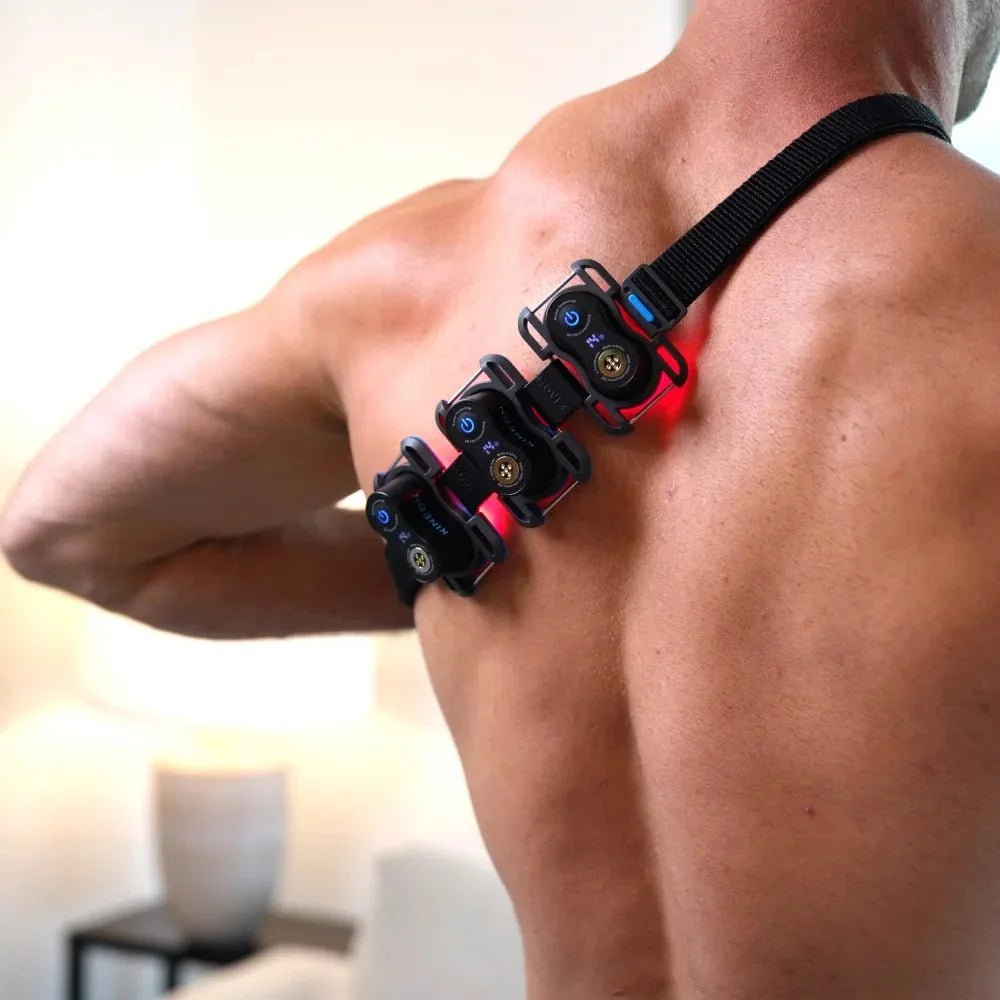
Wearable red light therapy devices take this a step further. Rather than holding a panel near a joint or positioning a pad over it, a wearable wraps directly around the target area and delivers continuous, hands-free treatment. This guide covers how the technology works, what makes laser-based devices different from LED panels, and what to look for in a wearable designed for joint pain.
How Red Light Therapy Addresses Joint Pain
The mechanism behind red light therapy for joint pain is photobiomodulation. When red and near-infrared light penetrates tissue, it's absorbed by mitochondria in cells, triggering increased production of adenosine triphosphate (ATP). More cellular energy accelerates tissue repair, reduces inflammatory signaling, and improves local circulation.
For joints specifically, this translates to reduced swelling, decreased pain signaling, and faster recovery of damaged cartilage, tendons, and surrounding soft tissue. Research has shown photobiomodulation to be effective for conditions including osteoarthritis, tendinopathy, bursitis, and post-surgical recovery.
The key variable is whether enough light energy actually reaches the target tissue. Joints are surrounded by skin, fat, and muscle, which absorb and scatter light before it reaches the joint capsule. This is where the distinction between LED and laser technology becomes important.
Laser Diodes vs. LEDs: Why It Matters for Joint Therapy
Most consumer red light therapy devices use LEDs. LEDs are effective for surface-level applications like skin therapy, wound healing, and muscle recovery in areas close to the skin. They emit light in a broad, diffuse pattern that spreads across a wide area.
Laser diodes emit coherent, focused light. Because the light waves are aligned rather than scattered, laser energy penetrates significantly deeper into tissue at the same power output. For joints, which sit beneath multiple layers of tissue, this depth of penetration is the difference between reaching the target and not.
Clinical photobiomodulation research has historically used laser devices precisely because of this penetration advantage. Wearable devices that incorporate laser diodes bring that clinical-grade depth of treatment into a format you can use at home, on your own schedule.
What to Look for in a Wearable Joint Therapy Device
Laser diodes, not just LEDs. For deep joint therapy, laser diodes are meaningfully more effective. Look for devices that specify laser diode technology and provide wavelength data (typically 630-660nm for red light and 800-850nm for near-infrared).
Secure, hands-free fit. A wearable that stays in place during movement lets you treat a joint while going about your day rather than sitting still for a session. Look for adjustable straps and a design that works with your anatomy.
Dual wavelength output. Red light addresses surface tissue and inflammation. Near-infrared reaches deeper into the joint. Devices that combine both wavelengths treat the full depth of the target area.
Clinical evidence. The best devices in this category are backed by published research or clinical trials. Look for brands that cite specific studies rather than making general claims about red light therapy.
The Kineon MOVE+: Wearable Laser Therapy for Joints
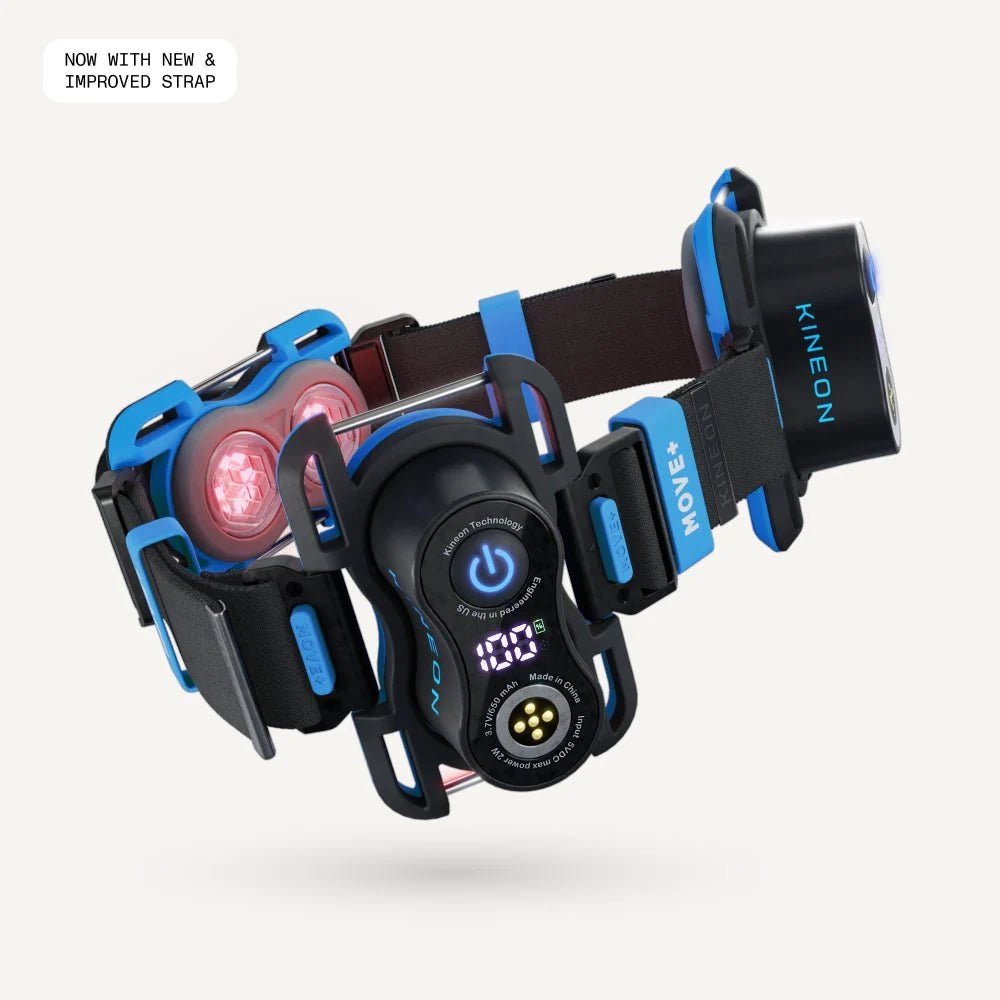
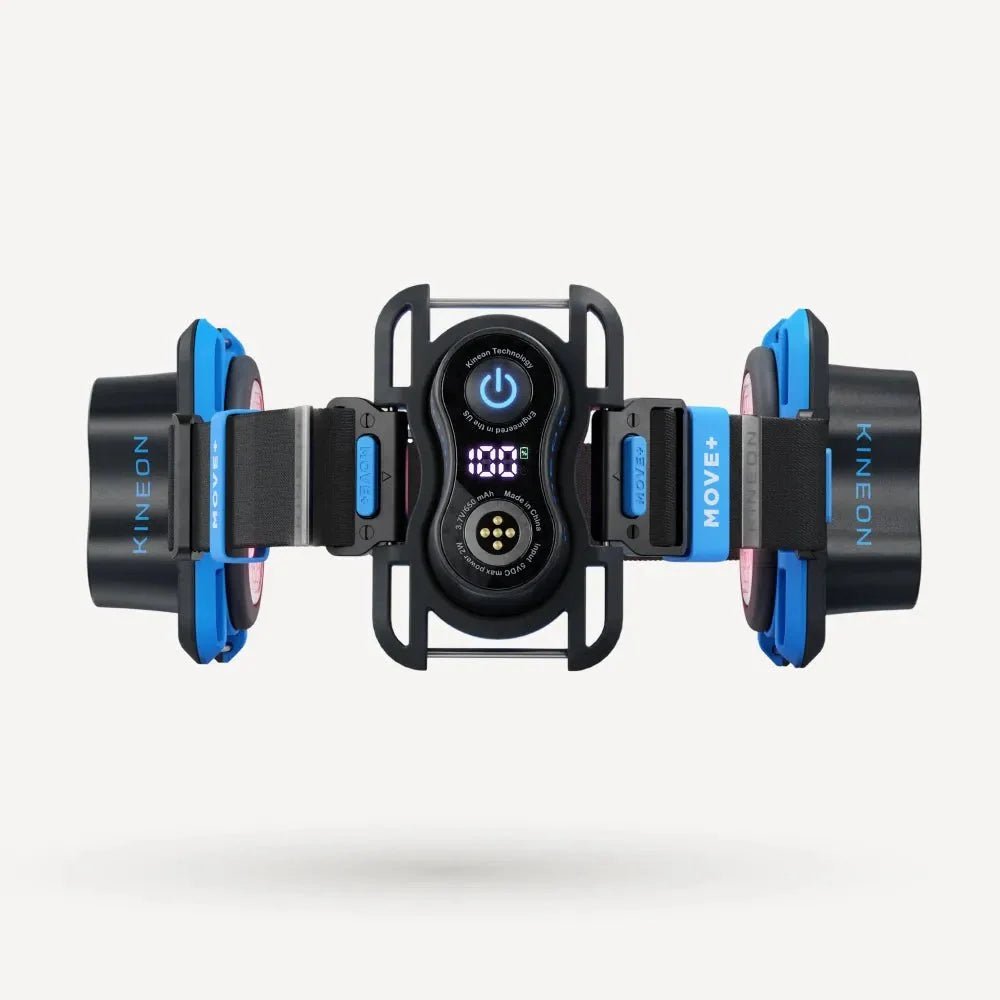
The Kineon MOVE+ is a wearable red light therapy device built specifically for joint pain. It combines laser diodes and LEDs to deliver both red and near-infrared light directly to the target joint, with a flexible strap system that fits knees, shoulders, hips, ankles, elbows, and wrists.

Kineon developed the MOVE+ with input from clinical researchers and has published data on its effectiveness for knee osteoarthritis, one of the most common and difficult-to-treat joint conditions. The device is designed to be worn during light activity, making it practical for daily use without requiring dedicated session time.
What distinguishes the MOVE+ from most consumer red light devices is the combination of true laser diodes for deep penetration and a wearable format that keeps the light source in direct contact with the skin over the joint. This contact delivery eliminates the distance loss that occurs when using a panel held away from the body.
Explore the full Kineon collection at nanaka.co for the complete range of wearable laser therapy devices.
Frequently Asked Questions
Can wearable red light therapy replace other joint pain treatments?
Red light therapy works best as part of a broader approach to joint health that may include physical therapy, appropriate exercise, and other interventions. It's a powerful tool for reducing inflammation and accelerating tissue repair, but it's not a substitute for addressing the underlying causes of joint pain.
How long does it take to see results?
Most people notice reduced pain and improved mobility within two to four weeks of consistent daily use. Acute inflammation often responds faster than chronic conditions. Consistency matters more than session length.
Is it safe to use a laser therapy device at home?
Yes, when used as directed. The MOVE+ uses laser diodes at therapeutic intensities that are safe for skin contact. Avoid directing the device at your eyes. People with photosensitive conditions or who take medications that increase light sensitivity should consult a healthcare provider before use.
Which joints can the MOVE+ be used on?
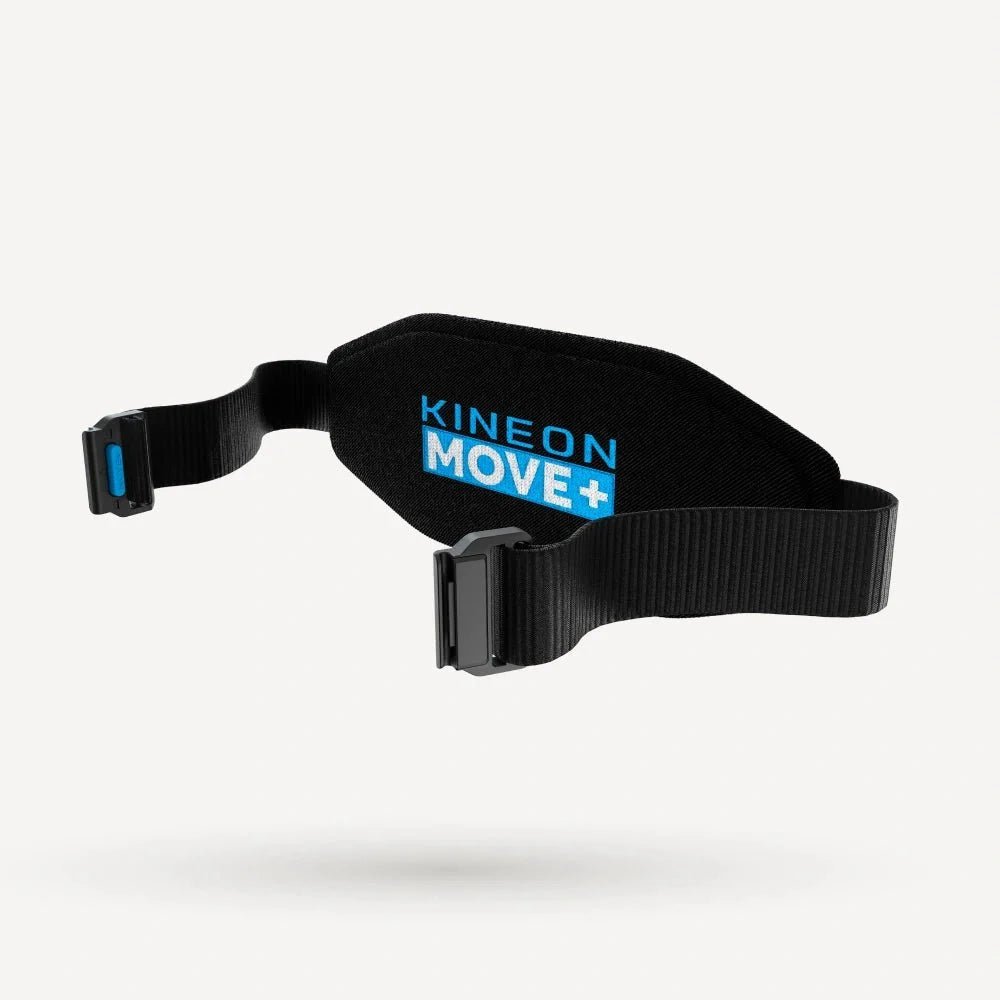
The MOVE+ is designed to fit knees, shoulders, hips, ankles, elbows, and wrists. The flexible strap system accommodates different body sizes and joint geometries.
How does the MOVE+ differ from a standard red light panel for joint pain?
A panel emits diffuse LED light from a distance, which loses intensity as it travels through air and tissue. The MOVE+ uses laser diodes in direct skin contact, delivering more concentrated energy to the target joint with significantly better depth of penetration. For deep joints like the knee or hip, this difference is clinically meaningful.
How often should I use it?
Daily use is recommended for best results. Sessions typically run 10 to 20 minutes per joint. The hands-free design makes it easy to wear during reading, working, or light movement, so daily use doesn't require setting aside dedicated time.