¿Sientes el arrastre del horario de verano? Cómo recuperarse del cambio de hora
Si estás leyendo esto el lunes por la mañana sintiéndote aturdido y desincronizado, no estás solo. El horario de verano comenzó ayer (domingo 8 de marzo a las 2:00 AM), y millones de personas están ahora navegando por esa familiar niebla post-cambio de hora.
El "adelanto de la primavera" puede habernos dado más luz diurna por la noche, pero también interrumpió tu ritmo circadiano, el reloj interno de tu cuerpo que regula los ciclos de sueño-vigilia. Las investigaciones muestran que el lunes después del horario de verano se produce un aumento de los accidentes laborales, los ataques cardíacos y la fatiga general a medida que nuestros cuerpos luchan por ajustarse.
¿La buena noticia? Puedes acelerar tu recuperación y volver a tener un sueño de calidad con las estrategias y herramientas de bienestar adecuadas.
Por qué estás teniendo problemas ahora mismo
Tu ritmo circadiano está regulado principalmente por la exposición a la luz. Cuando cambiamos repentinamente nuestros horarios en una hora, este delicado sistema se desequilibra. Tu cuerpo sigue funcionando con el "horario antiguo", por lo que las 7:00 AM se sienten como las 6:00 AM, y por eso probablemente estés luchando contra la necesidad de posponer la alarma.
La mayoría de las personas tardan entre 3 y 7 días en ajustarse completamente, pero puedes acortar ese período con prácticas de recuperación intencionadas.
Tu plan de recuperación (a partir de hoy)
1. Obtén exposición a luz brillante inmediatamente al despertar
Esta es la herramienta más poderosa para restablecer tu ritmo circadiano. Abre las cortinas, sal a la calle durante 10-15 minutos o usa iluminación circadiana para indicarle a tu cuerpo que es hora de estar alerta.
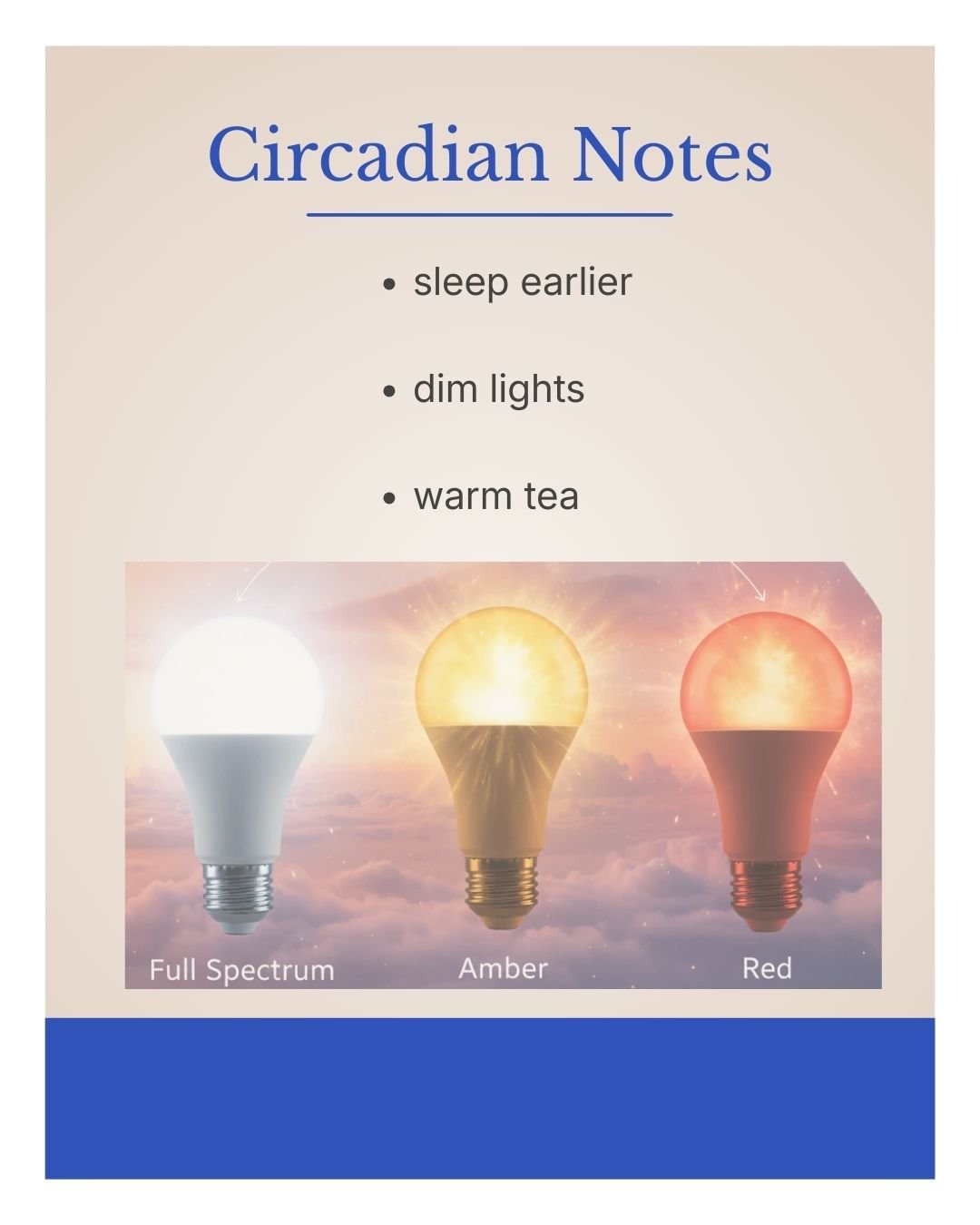
Nuestra Bombilla Circadiana de 3 Modos SunCycle está diseñada específicamente para este propósito: proporciona luz brillante energizante por la mañana para ayudar a adelantar tu reloj interno, luego pasa a tonos más cálidos por la noche para apoyar la producción natural de melatonina.

2. Protege tu relajación nocturna
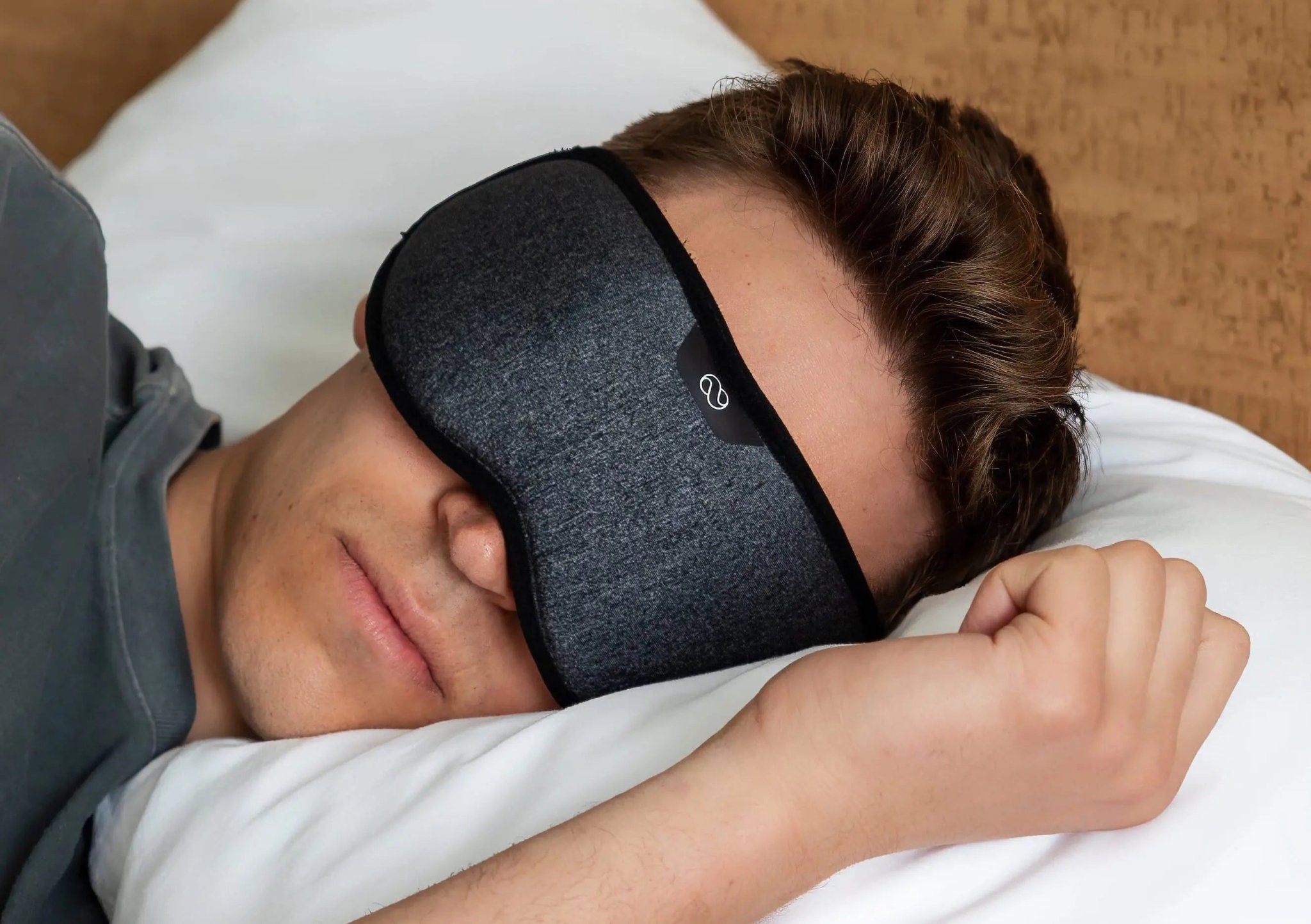
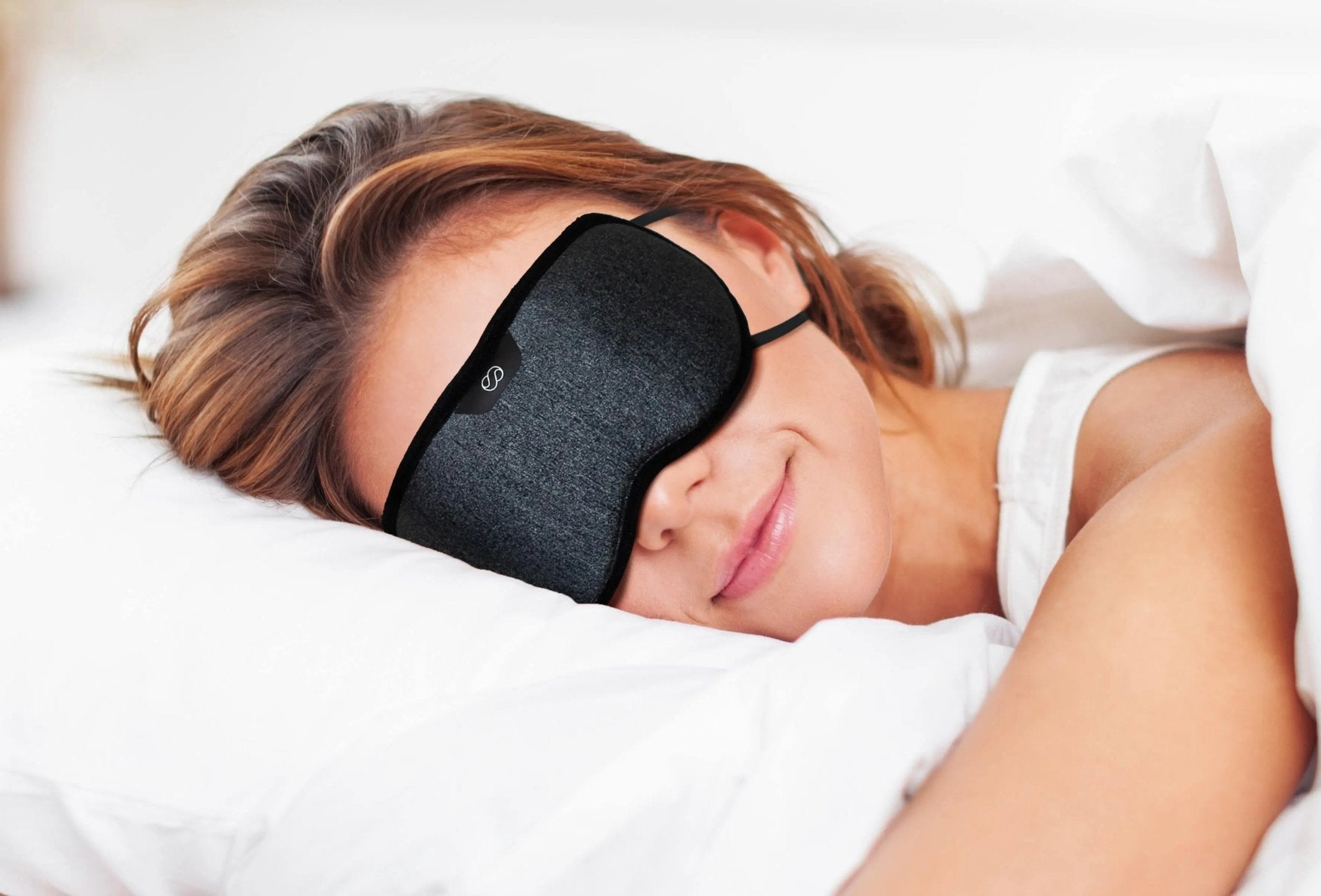
Por las noches, debes hacer lo contrario: reducir la exposición a la luz, especialmente la luz azul de las pantallas. Aquí es donde las gafas de sueño con bloqueo de luz azul se vuelven esenciales. Filtran las longitudes de onda que suprimen la producción de melatonina, lo que permite que tu cuerpo se prepare naturalmente para dormir incluso si estás trabajando o leyendo.
Prueba nuestras Gafas de Sueño Moonwalkerz para uso general, o explora nuestra Colección de Cristales DreamWalkerz para una opción premium. Las lentes de color ámbar bloquean la luz azul mientras mantienen la claridad visual.

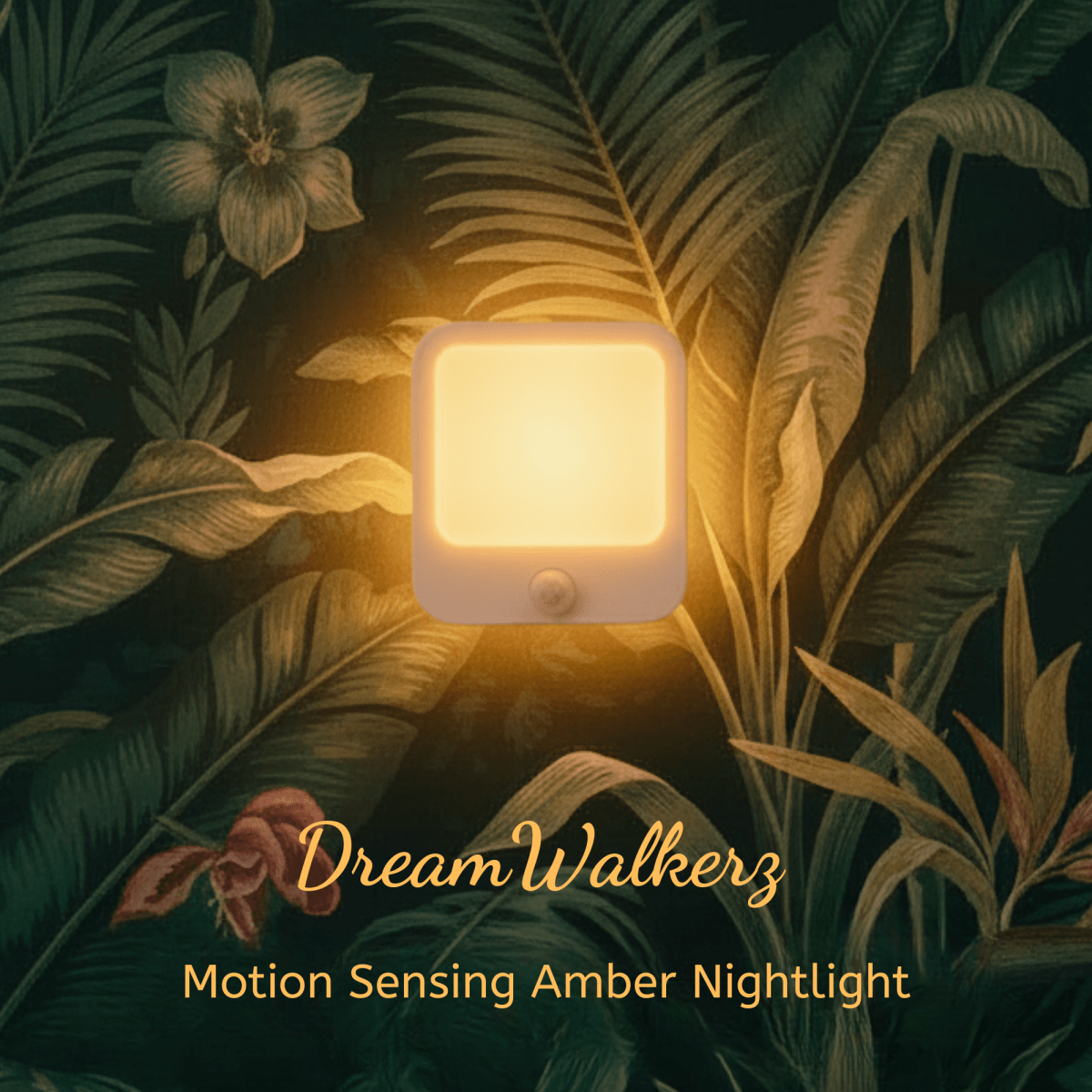
Combina tu rutina nocturna con luz roja circadiana de la Bombilla de Luz Roja Circadiana Amigable. Las longitudes de onda rojas no suprimen la melatonina, lo que las hace ideales para leer por la noche o para la iluminación del baño.

3. Crea un ritual de relajación constante
Indícale a tu cuerpo que se acerca el sueño con una rutina vespertina relajante. Usa el Spray Ambiental Deep Breath Wellness con sus notas cítricas, amaderadas y terrosas para crear un cambio sensorial inmediato en el ambiente de tu dormitorio.

La constancia es clave: realiza la misma rutina a la misma hora (según el nuevo reloj) cada noche para reforzar el nuevo horario de tu cuerpo.
4. Considera el apoyo natural para el sueño
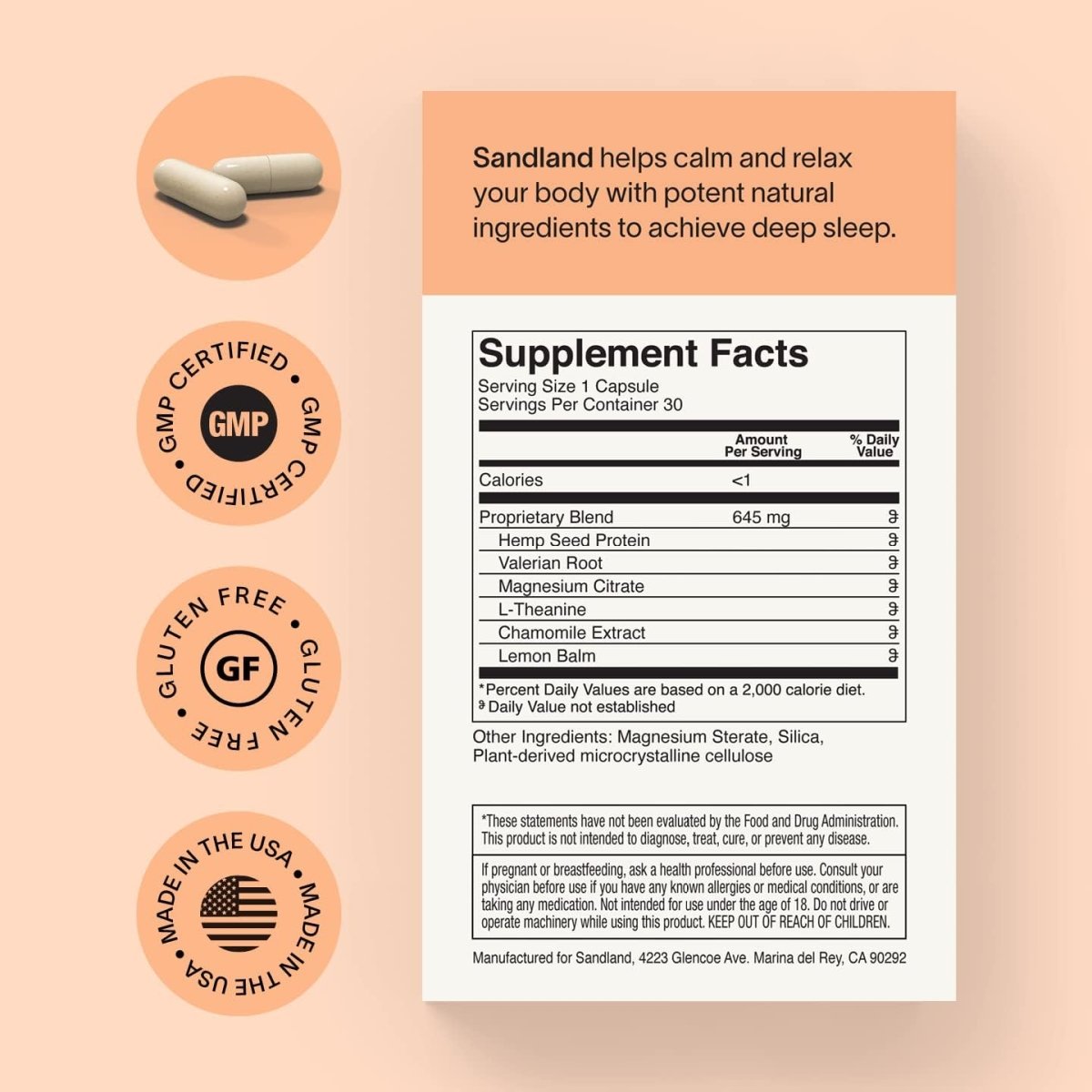
Si tienes problemas para conciliar el sueño a tu nueva hora de acostarte, los suplementos naturales para el sueño pueden ayudarte a cerrar la brecha. Nuestro Deep Sleep con melatonina proporciona un apoyo suave para conciliar el sueño más rápido, mientras que Deep Sleep (sin melatonina) ofrece una alternativa no hormonal para mantener la calidad del sueño.

Utilízalos estratégicamente durante las primeras noches y luego disminuye su uso a medida que tu cuerpo se adapta.
Esta noche: optimiza tu entorno para dormir
Haz que esta noche cuente creando condiciones ideales para dormir:
- Mantén tu habitación fresca (entre 18 y 20°C es ideal)
- Usa cortinas opacas o elimina por completo la contaminación lumínica
- Cambia a bombillas de luz roja en tu dormitorio y baño
- Elimina las interrupciones de ruido con ruido blanco o tapones para los oídos
- Evita la cafeína después de las 2 PM
- Resiste la tentación de echar una siesta, hará que el sueño de esta noche sea más difícil
Esta semana: mantén la constancia
Los próximos días son cruciales. Mantén la misma hora de despertarte y de acostarte (según el nuevo horario) todos los días, incluso los fines de semana. Tu ritmo circadiano se nutre de la constancia.
Continúa usando tus gafas con bloqueo de luz azul por la noche, usa tu bombilla SunCycle para obtener luz brillante por la mañana, mantén tu rutina de relajación y sé paciente contigo mismo. Al final de la semana, deberías sentirte significativamente más alineado con el nuevo horario.
Tu kit de recuperación del horario de verano
Para apoyar tu adaptación esta semana:
- Terapia de luz matutina con la Bombilla Circadiana de 3 Modos SunCycle
- Gafas con bloqueo de luz azul para el tiempo frente a la pantalla por la noche (Moonwalkerz, St. Croix Topaz o Dreamwave Tortoise Shell)
- Luz roja para las noches con Bombillas Rojas Circadianas Amigables
- Aromaterapia para señalar la hora de relajarse (Spray Ambiental Deep Breath o Spray Ambiental Mantra)
- Apoyo natural para el sueño durante el período de transición (Deep Sleep con melatonina o Deep Sleep)
El lado positivo
Aunque el horario de verano es una interrupción temporal, es una excelente oportunidad para evaluar y mejorar tus prácticas generales de sueño. Un sueño de calidad no es un lujo, es la base de la salud física, la claridad mental y la resiliencia emocional.
Usa esta semana como un reinicio. Los hábitos que construyas ahora (horarios de sueño constantes, gestión estratégica de la luz con bombillas circadianas, gafas con bloqueo de luz azul y rituales de relajación) te servirán mucho después de que te hayas adaptado al nuevo horario.
Puedes hacerlo. Para esta misma semana que viene, estarás completamente adaptado y durmiendo profundamente de nuevo.