Cómo Crear el Entorno de Sueño Perfecto: La Guía Completa para la Configuración de la Habitación
Tu dormitorio está saboteando tu sueño
Puedes tener una higiene del sueño perfecta, tomar todos los suplementos adecuados y practicar todas las técnicas de relajación, pero si el ambiente de tu dormitorio no está optimizado para dormir, seguirás teniendo problemas. Tu entorno de sueño afecta a todos los aspectos de la calidad del sueño, desde la rapidez con la que te duermes hasta la profundidad con la que descansas y lo fresco que te sientes por la mañana.
Esta guía completa te lleva a través de la creación del santuario de sueño ideal, abordando la temperatura, la luz, el sonido, la calidad del aire y los factores electromagnéticos que la mayoría de la gente pasa por alto.
Paso 1: Optimizar la temperatura (el factor más importante)
La ciencia
La temperatura central de tu cuerpo debe descender 2-3 grados Fahrenheit para iniciar y mantener el sueño. Un dormitorio demasiado cálido impide este descenso de temperatura, lo que dificulta conciliar el sueño y provoca frecuentes despertares nocturnos.
El rango de temperatura perfecto
Temperatura ideal del dormitorio: 15-19°C (60-67°F)
La mayoría de la gente duerme mejor a: 18-20°C (65-68°F)
Si eres caluroso: Apunta a 15-18°C (60-65°F)
Si eres friolero: Apunta a 19-21°C (67-70°F) pero usa ropa de cama transpirable
Cómo conseguirlo
Usa un termostato programable: Configúralo para que baje la temperatura 2 horas antes de acostarte y la suba 30 minutos antes de levantarte
Dirección del ventilador de techo: Configúralo en sentido antihorario en verano (empuja el aire hacia abajo), en sentido horario en invierno (empuja el aire caliente hacia arriba)
Ropa de cama transpirable: Las fibras naturales (algodón, lino, bambú) regulan mejor la temperatura que las sintéticas
Cubrecolchón refrescante: Si eres caluroso, invierte en un cubrecolchón o almohadilla refrescante
Mantén las extremidades calientes: Ponte calcetines si tienes los pies fríos, esto ayuda al flujo sanguíneo y a la regulación de la temperatura
Errores comunes
Poner el termostato demasiado alto porque sientes frío cuando estás despierto (te calentarás bajo las sábanas)
Usar edredones pesados durante todo el año (en su lugar, usa capas de mantas más ligeras)
Ignorar la humedad (lo ideal es 30-50%, demasiado seco o húmedo interrumpe el sueño)
Paso 2: Eliminar todas las fuentes de luz
La ciencia
Incluso pequeñas cantidades de exposición a la luz durante el sueño suprimen la producción de melatonina e interrumpen la arquitectura del sueño. Tu piel contiene fotorreceptores que detectan la luz incluso cuando tus ojos están cerrados, indicando a tu cerebro que se despierte.
El objetivo: Oscuridad total
Tu dormitorio debe estar tan oscuro que no puedas ver tu mano delante de tu cara. Este nivel de oscuridad maximiza la producción de melatonina y favorece un sueño profundo y reparador.

Cómo conseguirlo
Cortinas o persianas opacas: Instala tratamientos de ventana que oscurezcan la habitación y bloqueen el 100% de la luz exterior
Cubre o retira las luces LED: Usa cinta aislante negra para cubrir las luces indicadoras de los aparatos electrónicos, despertadores, cargadores
Bloqueador de huecos de puerta: Usa un tope de corriente o una toalla para bloquear la luz que entra por debajo de la puerta
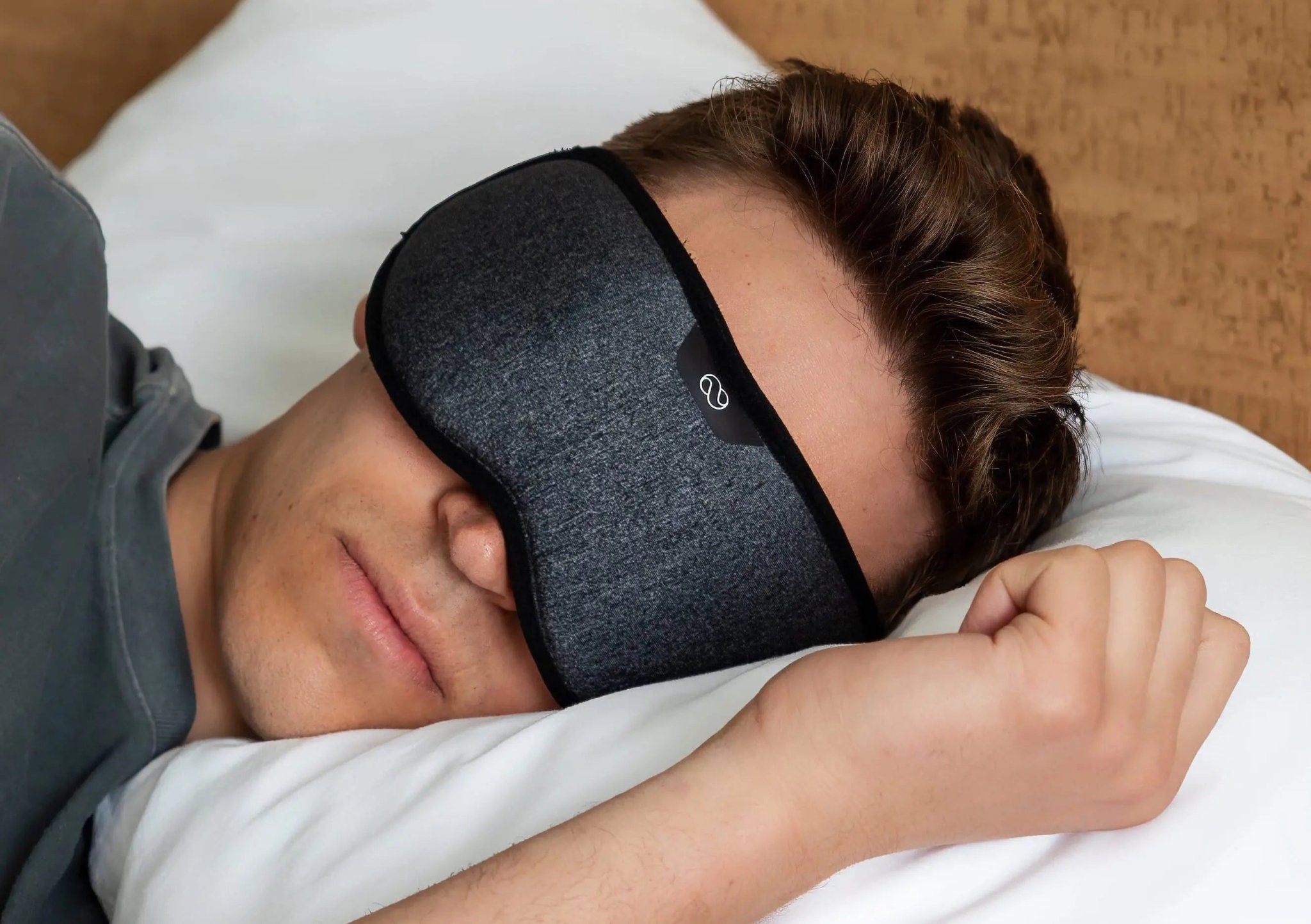
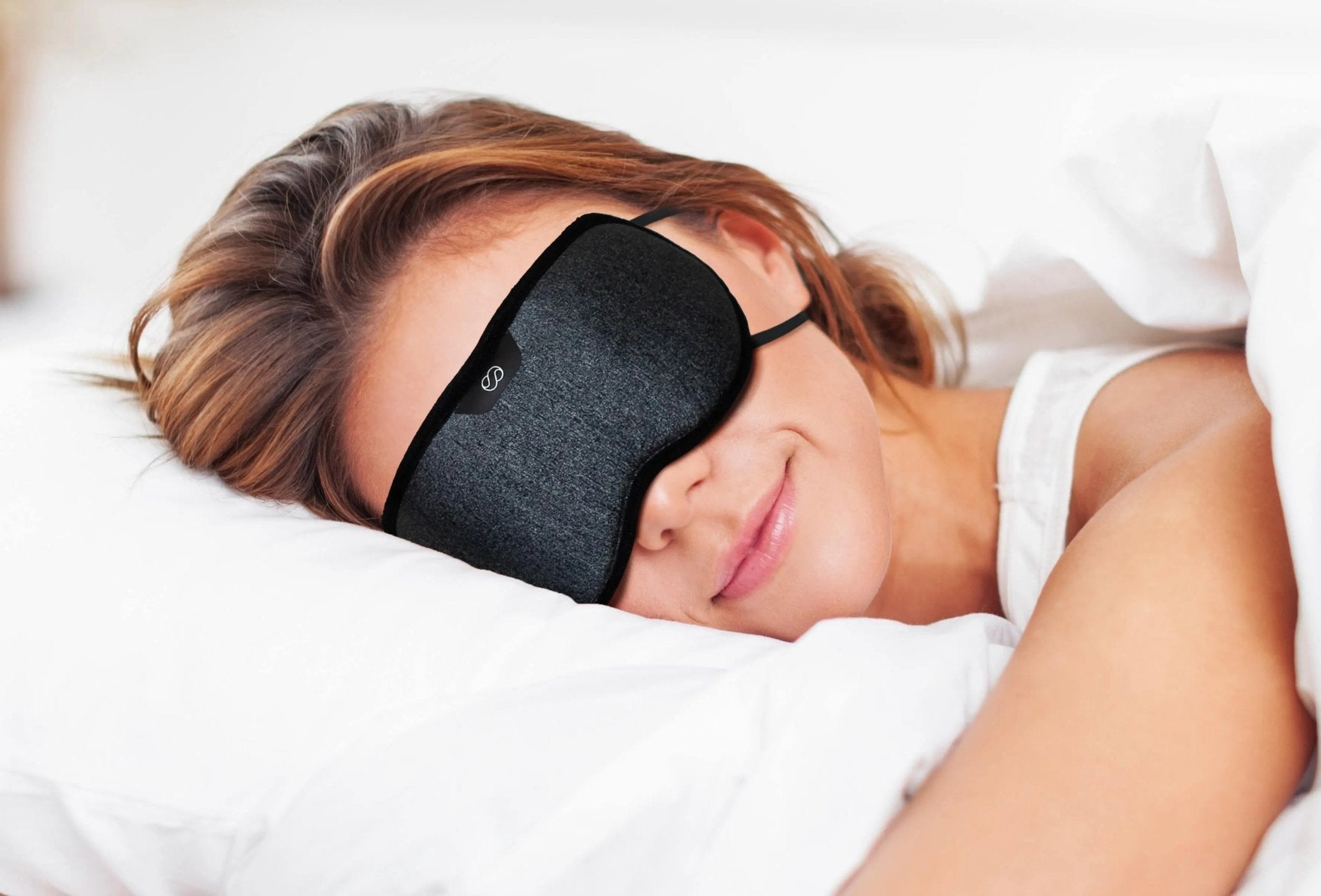
Antifaz para dormir: Si la oscuridad total no es posible, usa un antifaz de seda para dormir que bloquee el 100% de la luz sin presionar los ojos
Antifaz inteligente para dormir: El antifaz inteligente Lumos no solo bloquea la luz, sino que utiliza la exposición a la luz temporizada para optimizar tu ritmo circadiano
Retira los relojes digitales: O gíralos para que no estén a la vista para evitar la ansiedad de mirar el reloj
Estrategia para el baño nocturno
Si necesitas usar el baño por la noche:
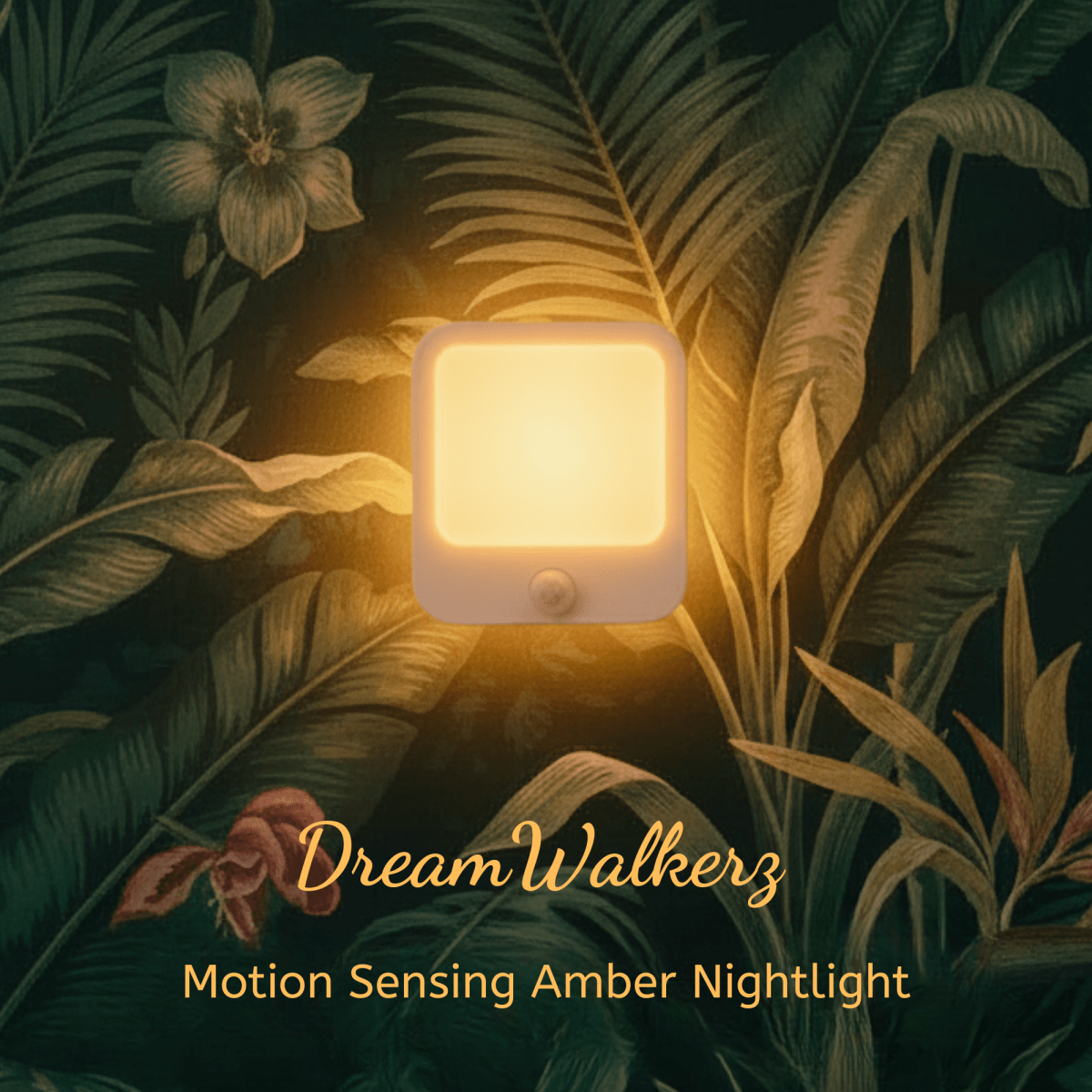
- Usa luces nocturnas tenues de color rojo (las longitudes de onda rojas no suprimen la melatonina)
- Nunca enciendas las luces brillantes del techo
- Ten una pequeña linterna roja junto a tu cama
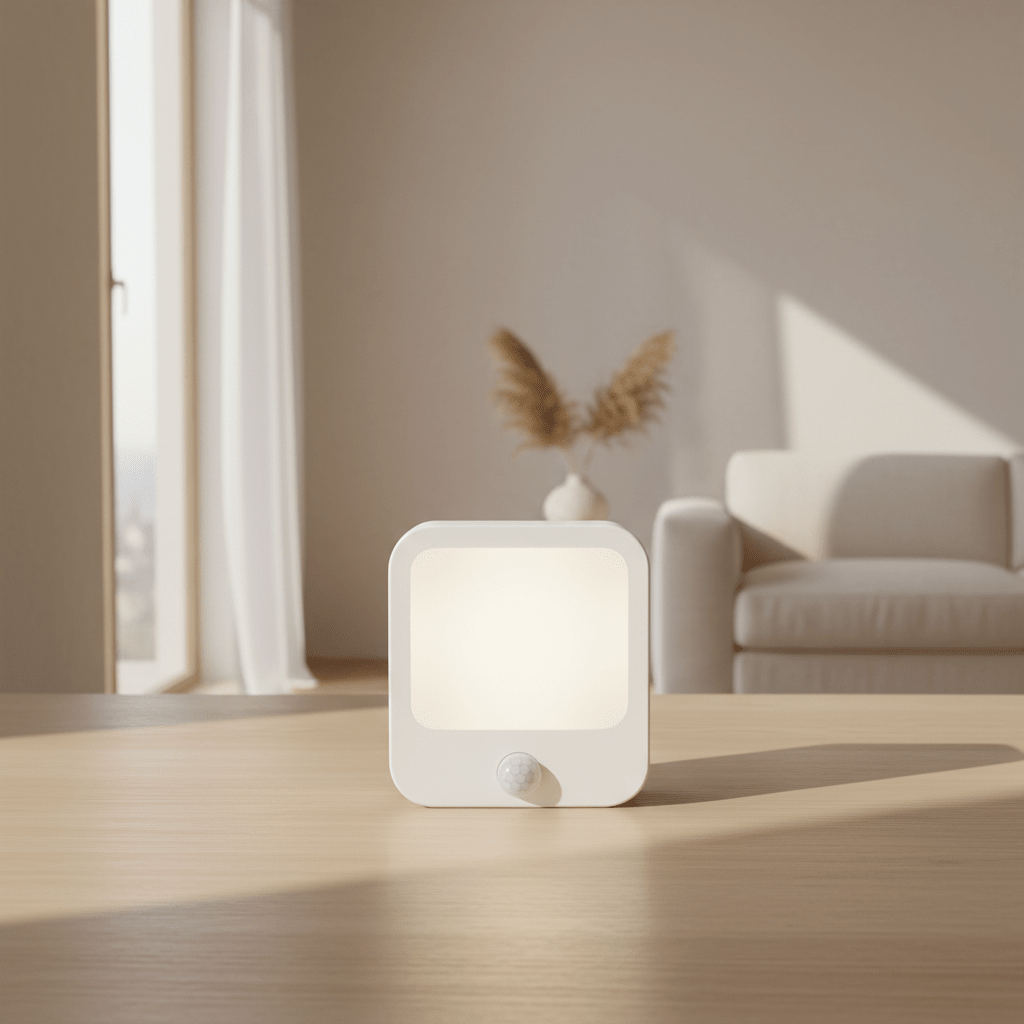
- Considera las luces nocturnas rojas con sensor de movimiento en los pasillos
Comprar antifaces de seda para dormir
Paso 3: Controlar el sonido y el ruido
La ciencia
Los ruidos repentinos y los niveles de sonido inconsistentes fragmentan el sueño, incluso si no te despiertas conscientemente. Tu cerebro continúa procesando sonidos durante el sueño, y los ruidos inesperados desencadenan respuestas de estrés que reducen la calidad del sueño.
El objetivo: Sonido consistente y de bajo nivel
El silencio total no siempre es ideal porque te hace más sensible a los ruidos repentinos. Un sonido de fondo neutro y consistente (ruido blanco, ruido rosa o ruido marrón) enmascara los sonidos disruptivos y crea consistencia acústica.
Cómo conseguirlo
Máquina de ruido blanco: Produce un sonido consistente que enmascara el tráfico, los vecinos, las mascotas y otras interrupciones
Ventilador: Proporciona ruido blanco y circulación de aire (extra: ayuda con la regulación de la temperatura)
Tapones para los oídos: Los tapones para los oídos de alta fidelidad reducen el ruido sin un silencio total (útiles para personas con sueño ligero o ambientes ruidosos)
Aislamiento acústico: Para problemas de ruido extremos, considera burletes en las puertas, paneles acústicos o cortinas pesadas que absorban el sonido
Preferencias de sonido
Ruido blanco: Intensidad igual en todas las frecuencias, suena como estática
Ruido rosa: Frecuencias más bajas enfatizadas, suena como lluvia o susurro de hojas (muchos lo encuentran más relajante que el ruido blanco)
Ruido marrón: Frecuencias aún más bajas, suena como truenos u olas del océano (ideal para bloquear sonidos de baja frecuencia como el tráfico)
Qué evitar
Música con letras o tempo variable (activa tu cerebro)
Podcasts o audiolibros (a menos que estén específicamente diseñados para dormir)
Sonidos inconsistentes (relojes que hacen tictac, grifos que gotean)
Paso 4: Optimizar la calidad del aire
La mala calidad del aire, los alérgenos y la ventilación inadecuada reducen la calidad del sueño y pueden causar despertares nocturnos, congestión y dolores de cabeza matutinos. Tu cuerpo requiere oxígeno adecuado durante el sueño para la reparación y restauración celular.
Cómo conseguirlo
Purificador de aire con filtro HEPA: Elimina el polvo, los alérgenos, la caspa de mascotas y los contaminantes
Mantener la humedad entre el 30 y el 50%: Usa un humidificador en climas secos o en invierno, un deshumidificador en ambientes húmedos
Circulación de aire fresco: Abre una ventana ligeramente si la calidad del aire exterior es buena, o usa un ventilador para hacer circular el aire
Elimina las fuentes de alérgenos: Lava la ropa de cama semanalmente con agua caliente, aspira regularmente, mantén a las mascotas fuera del dormitorio si las alergias son un problema
Plantas (opcional): Algunas plantas (sansevieria, planta araña) mejoran la calidad del aire, aunque el efecto es modesto
Sin olores fuertes: Evita los ambientadores, perfumes fuertes o velas perfumadas en el dormitorio (la aromaterapia ligera está bien)
Señales de mala calidad del aire
- Despertarse con congestión o garganta seca
- Dolores de cabeza matutinos
- Aumento de los síntomas de alergia por la noche
- Sentirse congestionado o incapaz de respirar profundamente
Paso 5: Minimizar la exposición a los campos electromagnéticos (CEM)
La ciencia
Aunque la investigación sobre los campos electromagnéticos (CEM) y el sueño está en curso, muchas personas informan de una mejora en la calidad del sueño al reducir la exposición a los CEM en el dormitorio. Los CEM de los routers Wi-Fi, los teléfonos móviles y los dispositivos electrónicos pueden interferir con la producción de melatonina y la arquitectura del sueño.

Cómo conseguirlo
Apaga el Wi-Fi por la noche: Usa un temporizador para desactivar automáticamente tu router durante las horas de sueño
Mantén los teléfonos fuera del dormitorio: O, como mínimo, ponlos en modo avión y colócalos al otro lado de la habitación
Desenchufa los aparatos electrónicos innecesarios: Retira o desenchufa los dispositivos que no necesites en el dormitorio
Usa un despertador a pilas: En lugar del teléfono o un radio reloj eléctrico
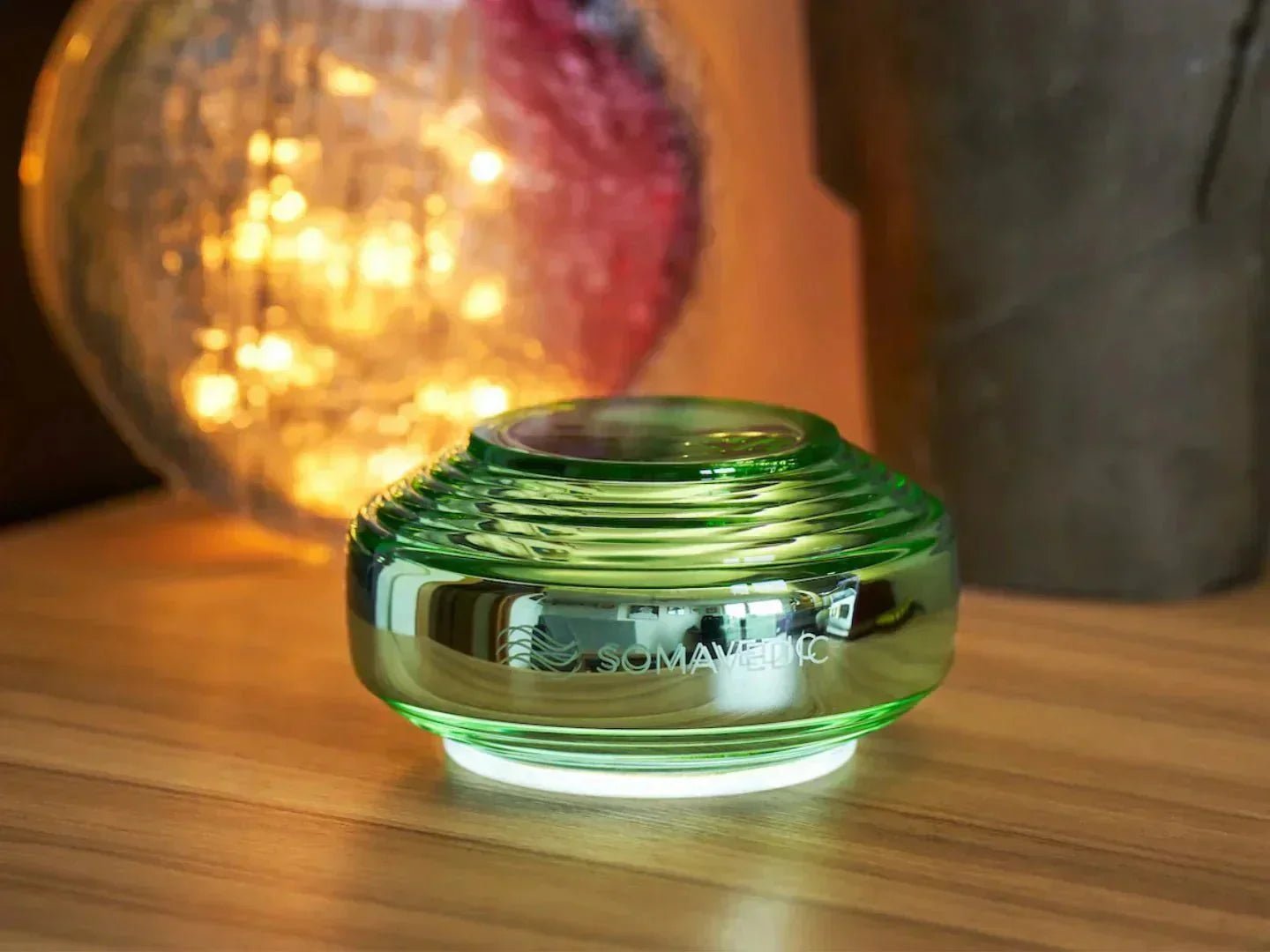
Armonización de CEM: El Somavedic Rosalin está específicamente diseñado para su uso en el dormitorio, armonizando los CEM mientras apoya el ritmo circadiano con una suave terapia de luz roja
Mantén los aparatos electrónicos a más de 90 cm de la cama: La distancia reduce significativamente la exposición a los CEM
Auditoría de aparatos electrónicos en el dormitorio
Retira o reubica:
- Televisores (ver la televisión en la cama asocia la cama con la vigilia)
- Ordenadores y portátiles
- Estaciones de carga cerca de la cama
- Mantas eléctricas (úsala para calentar la cama, luego desenchufa antes de dormir)
Paso 6: Elegir la ropa de cama adecuada
Consideraciones sobre el colchón
Reemplázalo cada 7-10 años: Incluso los colchones de calidad pierden su soporte con el tiempo
Firmeza: La firmeza media funciona para la mayoría de las personas, pero la preferencia personal y la posición para dormir importan
Materiales: El látex natural, la espuma viscoelástica o los colchones híbridos tienen sus beneficios (prueba antes de comprar)
Selección de almohadas
Durmientes de lado: Almohada más firme y alta para mantener la columna vertebral alineada
Durmientes de espalda: Almohada de altura media que soporte la curva natural del cuello
Durmientes de estómago: Almohada fina y suave o sin almohada para evitar la tensión en el cuello
Reemplázalas cada 1-2 años: Las almohadas acumulan ácaros del polvo y pierden soporte
Sábanas y ropa de cama
Fibras naturales: El algodón, el lino, el bambú o el Tencel regulan la temperatura mejor que el poliéster
Recuento de hilos: 300-500 es ideal (más alto no siempre es mejor)
Lavar semanalmente: Con agua caliente para matar los ácaros del polvo y eliminar los alérgenos
Capas de mantas: Múltiples capas más ligeras permiten una mejor regulación de la temperatura que un edredón pesado
Paso 7: Optimizar los colores y la decoración del dormitorio
La ciencia
Los colores afectan el estado de ánimo y los niveles de excitación. Tu dormitorio debe promover la calma y la relajación, no la estimulación o el estrés.
Los mejores colores para dormir
Azules: El color más relajante, asociado con una menor frecuencia cardíaca y presión arterial
Verdes: Calmantes, inspirados en la naturaleza, promueven la relajación
Grises suaves: Neutros, calmantes, no estimulantes
Tonos tierra apagados: Beige, topo, marrones suaves crean un ambiente tranquilo
Colores a evitar
Rojos brillantes: Estimulantes, aumentan la frecuencia cardíaca
Naranjas y amarillos brillantes: Energizantes en lugar de relajantes
Blanco puro: Puede sentirse clínico y frío
Principios de decoración
Minimiza el desorden: El caos visual crea estrés mental
Elimina los objetos relacionados con el trabajo: Sin escritorios, papeles o recordatorios de tareas
Obras de arte relajantes: Escenas de la naturaleza, arte abstracto en colores suaves
Muebles mínimos: Solo cama, mesitas de noche, cómoda (el dormitorio es para dormir, no para almacenar)
Paso 8: Crear zonas funcionales
La cama es solo para dormir y para la intimidad
Tu cerebro crea asociaciones con tu cama. Si trabajas, miras televisión, navegas por las redes sociales o comes en la cama, tu cerebro asocia la cama con la vigilia y la actividad en lugar de con el sueño.
La regla
Solo métete en la cama cuando estés listo para dormir. Si no puedes conciliar el sueño después de 20 minutos, levántate de la cama y ve a otra habitación hasta que sientas sueño.
Crea una zona pre-sueño
Si tu dormitorio es lo suficientemente grande, crea una pequeña zona de asientos separada de la cama donde puedas:
- Leer antes de acostarte
- Practicar meditación o ejercicios de respiración
- Hacer estiramientos suaves
- Escribir un diario o planificar el día siguiente
Esto te permite relajarte en tu dormitorio sin asociar la cama con la vigilia.
La lista de control completa del entorno del sueño
Temperatura
- ☐ Temperatura del dormitorio 15-19°C
- ☐ Ropa de cama transpirable de fibra natural
- ☐ Humedad 30-50%
- ☐ Circulación de aire adecuada
Luz
- ☐ Cortinas o persianas opacas instaladas
- ☐ Todas las luces LED cubiertas o retiradas
- ☐ Antifaz para dormir si es necesario
- ☐ Luces nocturnas rojas para ir al baño
- ☐ No usar pantallas 1-2 horas antes de acostarse
Sonido
- ☐ Máquina de ruido blanco o ventilador
- ☐ Tapones para los oídos si es necesario
- ☐ Sin relojes que hacen tictac o sonidos inconsistentes
Calidad del aire
- ☐ Purificador de aire con filtro HEPA
- ☐ Ropa de cama lavada semanalmente
- ☐ Ventilación adecuada
- ☐ Sin olores fuertes ni alérgenos
CEM
- ☐ Wi-Fi apagado o con temporizador
- ☐ Teléfono en modo avión o fuera de la habitación
- ☐ Aparatos electrónicos desenchufados o a más de 90 cm de la cama
- ☐ Dispositivo de armonización de CEM si se desea
Ropa de cama
- ☐ Colchón de apoyo (menos de 10 años)
- ☐ Almohada adecuada para la posición de sueño
- ☐ Sábanas y mantas de fibra natural
- ☐ Ropa de cama en capas para el control de la temperatura
Ambiente
- ☐ Colores relajantes (azules, verdes, grises suaves)
- ☐ Mínimo desorden
- ☐ Sin objetos relacionados con el trabajo visibles
- ☐ Cama utilizada solo para dormir e intimidad
Optimización económica vs. premium
Mejoras gratuitas o de bajo coste
- Bajar el termostato por la noche (gratis)
- Cubrir las luces LED con cinta ($5)
- Usar toallas para bloquear los huecos de las puertas (gratis)
- Apagar el Wi-Fi por la noche (gratis)
- Retirar los aparatos electrónicos del dormitorio (gratis)
- Desordenar y reorganizar (gratis)
Inversiones de gama media (50-200 $)
- Cortinas opacas (50-100 $)
- Máquina de ruido blanco (30-80 $)
- Antifaz de seda para dormir de calidad (30-50 $)
- Purificador de aire (80-150 $)
- Almohadas nuevas (40-100 $)
Actualizaciones premium (más de 200 $)
- Colchón nuevo (500-2000 $)
- Antifaz inteligente para dormir (200-300 $)
- Somavedic Rosalin para la armonización de CEM y el apoyo circadiano (600-800 $)
- Cubrecolchón refrescante (150-400 $)
- Insonorización profesional (más de 500 $)
Solución de problemas comunes
Problema: La pareja tiene diferentes preferencias de temperatura
Solución: Usar mantas separadas, cubrecolchón de refrigeración/calefacción solo en un lado, o control de clima de doble zona
Problema: No se puede controlar el ruido (apartamento, vida en la ciudad)
Solución: Combinar máquina de ruido blanco con tapones para los oídos, añadir cortinas insonorizantes, considerar antifaz inteligente para dormir con sonido incorporado
Problema: Necesidad de tener el teléfono cerca para emergencias
Solución: Usar modo avión, colocar al otro lado de la habitación o usar No molestar con contactos de emergencia permitidos
Problema: La habitación recibe demasiada luz matutina
Solución: Colocar cortinas opacas con persianas opacas, usar antifaz para dormir o instalar película opaca en las ventanas
Ajustes estacionales
Verano
- Bajar aún más el termostato (15-18°C)
- Usar ropa de cama más ligera (sábanas de algodón, manta ligera)
- Considerar un cubrecolchón refrescante
- Aumentar la circulación de aire con ventiladores
Invierno
- Mantener la habitación fresca pero añadir capas (pijama abrigado, manta extra)
- Usar humidificador (la calefacción seca el aire)
- Calentar la cama antes de acostarse, luego bajar la calefacción
- Mantener las extremidades calientes con calcetines
Tu plan de acción
No intentes optimizar todo a la vez. Prioriza según tus mayores disruptores del sueño:
Semana 1: Aborda la temperatura y la luz (factores de mayor impacto)
Semana 2: Optimiza el sonido y retira los aparatos electrónicos
Semana 3: Mejora la calidad del aire y la ropa de cama
Semana 4: Ajusta los colores, la decoración y crea zonas funcionales
Registra la calidad de tu sueño cada semana para identificar qué cambios producen las mejoras más notables para tu situación particular.
Crea tu santuario de sueño perfecto con un ambiente optimizado y productos de apoyo al sueño específicos.