Cómo Dormirse Más Rápido: 7 Técnicas Científicamente Comprobadas Que Realmente Funcionan
El problema: por qué no puedes conciliar el sueño
Estás exhausto. Llevas todo el día esperando la cama. Sin embargo, en el momento en que tu cabeza toca la almohada, tu cerebro se enciende como si alguien hubiera pulsado un interruptor. Te das vueltas, compruebas el reloj y ves cómo el precioso tiempo de sueño se escapa. ¿Te suena familiar?
La dificultad para conciliar el sueño afecta a millones de personas, y no solo es frustrante, sino que afecta tu salud, tu estado de ánimo, tu productividad y tu calidad de vida. ¿La buena noticia? La ciencia ha identificado técnicas específicas y accionables que te ayudan a conciliar el sueño más rápido sin depender de medicamentos recetados.
Esta guía desglosa siete métodos basados en la evidencia que abordan las causas principales del insomnio de inicio del sueño, ayudándote a conciliar el sueño en 15 minutos o menos.
Técnica 1: El método de respiración 4-7-8
Cómo funciona
Desarrollada por el Dr. Andrew Weil, la técnica de respiración 4-7-8 activa tu sistema nervioso parasimpático, cambiando tu cuerpo del modo de estrés (simpático) al modo de descanso (parasimpático). Este cambio fisiológico disminuye la frecuencia cardíaca, reduce el cortisol y prepara tu cuerpo para el sueño.
Instrucciones paso a paso
1. Exhala completamente por la boca, haciendo un sonido de "silbido"
2. Cierra la boca e inhala silenciosamente por la nariz durante 4 tiempos
3. Mantén la respiración durante 7 tiempos
4. Exhala completamente por la boca durante 8 tiempos, haciendo un sonido de "silbido"
5. Repite este ciclo 3-4 veces
Por qué funciona
La exhalación prolongada (8 tiempos) activa el nervio vago, que le indica a tu cerebro que libere neurotransmisores calmantes. La retención de la respiración aumenta el dióxido de carbono en tu sangre, lo que paradójicamente te relaja y te provoca un ligero adormecimiento.
Ideal para
Pensamientos acelerados, insomnio relacionado con la ansiedad, estrés del día que impide el inicio del sueño
Técnica 2: Relajación muscular progresiva (RMP)
Cómo funciona
La relajación muscular progresiva tensa y relaja sistemáticamente los grupos musculares de todo tu cuerpo, liberando tensiones físicas que ni siquiera sabías que tenías. Esta técnica fue desarrollada en la década de 1920 y sigue siendo una de las intervenciones no farmacéuticas más efectivas para el sueño.
Instrucciones paso a paso
1. Acuéstate cómodamente en la cama, con los ojos cerrados
2. Comenzando por los dedos de los pies, tensa los músculos tan fuerte como sea posible durante 5 segundos
3. Suelta completamente y nota la sensación de relajación durante 10 segundos
4. Sube a los pies, luego a las pantorrillas, los muslos, los glúteos, el abdomen, el pecho, las manos, los brazos, los hombros, el cuello y la cara
5. Tensa y relaja cada grupo muscular, moviéndote sistemáticamente por tu cuerpo
Por qué funciona
La tensión física mantiene tu sistema nervioso activado. Al tensar y luego relajar deliberadamente los músculos, creas un contraste que ayuda a tu cerebro a reconocer y liberar la tensión crónica. Esto también le da a tu mente algo en qué enfocarse además de los pensamientos ansiosos.
Ideal para
Tensión física, tensión muscular relacionada con el estrés, personas que tienen dificultades con la meditación o la atención plena
Técnica 3: La mezcla cognitiva (distracción mental)
Cómo funciona
Tu cerebro no puede participar simultáneamente en la resolución lógica de problemas y conciliar el sueño. La técnica de mezcla cognitiva ocupa tu mente con pensamientos aleatorios y no amenazantes que evitan la rumiación mientras permiten que el sueño ocurra de forma natural.
Instrucciones paso a paso
1. Elige una palabra aleatoria, emocionalmente neutral (ejemplo: "hora de dormir")
2. Por cada letra de esa palabra, piensa en tantas palabras como sea posible que comiencen con esa letra
3. Visualiza cada palabra con la mayor viveza posible (para "H": hogar, hola, hielo, etc.)
4. Cuando te quedes sin palabras para esa letra, pasa a la siguiente letra
5. Continúa hasta que te duermas (normalmente en 10-15 minutos)
Por qué funciona
Esta técnica evita que tu cerebro se involucre en los patrones de pensamiento lógicos y de resolución de problemas que te mantienen despierto. La naturaleza aleatoria y aburrida de la tarea permite que tu cerebro se desvincule de la vigilia sin desencadenar ansiedad o estrés.
Ideal para
Pensar demasiado, rumiar, personas cuyas mentes corren con listas de tareas pendientes o preocupaciones
Técnica 4: Optimización de la temperatura
Cómo funciona
La temperatura central de tu cuerpo disminuye naturalmente a medida que te preparas para dormir. Esta disminución de la temperatura le indica a tu cerebro que libere melatonina. Al manipular tu entorno y la temperatura corporal, puedes acelerar este proceso natural.
Instrucciones paso a paso
1. Ajusta la temperatura de tu dormitorio entre 15 y 19 °C (60 y 67 °F), el rango óptimo para dormir
2. Toma un baño o ducha caliente 60-90 minutos antes de acostarte
3. Cuando salgas del agua caliente, la temperatura de tu cuerpo baja rápidamente, provocando somnolencia
4. Utiliza ropa de cama transpirable de fibras naturales que no retenga el calor
5. Mantén tus manos y pies ligeramente calientes (usa calcetines si es necesario) mientras mantienes tu torso fresco
Por qué funciona
El baño caliente dilata los vasos sanguíneos, llevando sangre a tus extremidades. Cuando sales del baño, el calor se disipa rápidamente de tu torso, imitando la caída natural de la temperatura que ocurre antes de dormir. Esta señal fisiológica le dice a tu cerebro que es hora de dormir.
Ideal para
Personas que duermen con calor, aquellos con fase de sueño retrasada, cualquiera que tenga problemas con la producción natural de melatonina
Técnica 5: Bloqueo de luz azul y gestión de la luz
Las longitudes de onda de luz azul (460-480nm) suprimen la producción de melatonina más que cualquier otra longitud de onda. Incluso pequeñas cantidades de exposición a la luz azul por la noche pueden retrasar el inicio del sueño en 1-3 horas.

Instrucciones paso a paso
1. Deja de usar pantallas 2 horas antes de acostarte (ideal) o al menos 1 hora
2. Si debes usar pantallas, usa gafas que bloqueen la luz azul que filtren el 100% de la luz azul
3. Atenúa todas las luces de tu casa 2-3 horas antes de acostarte
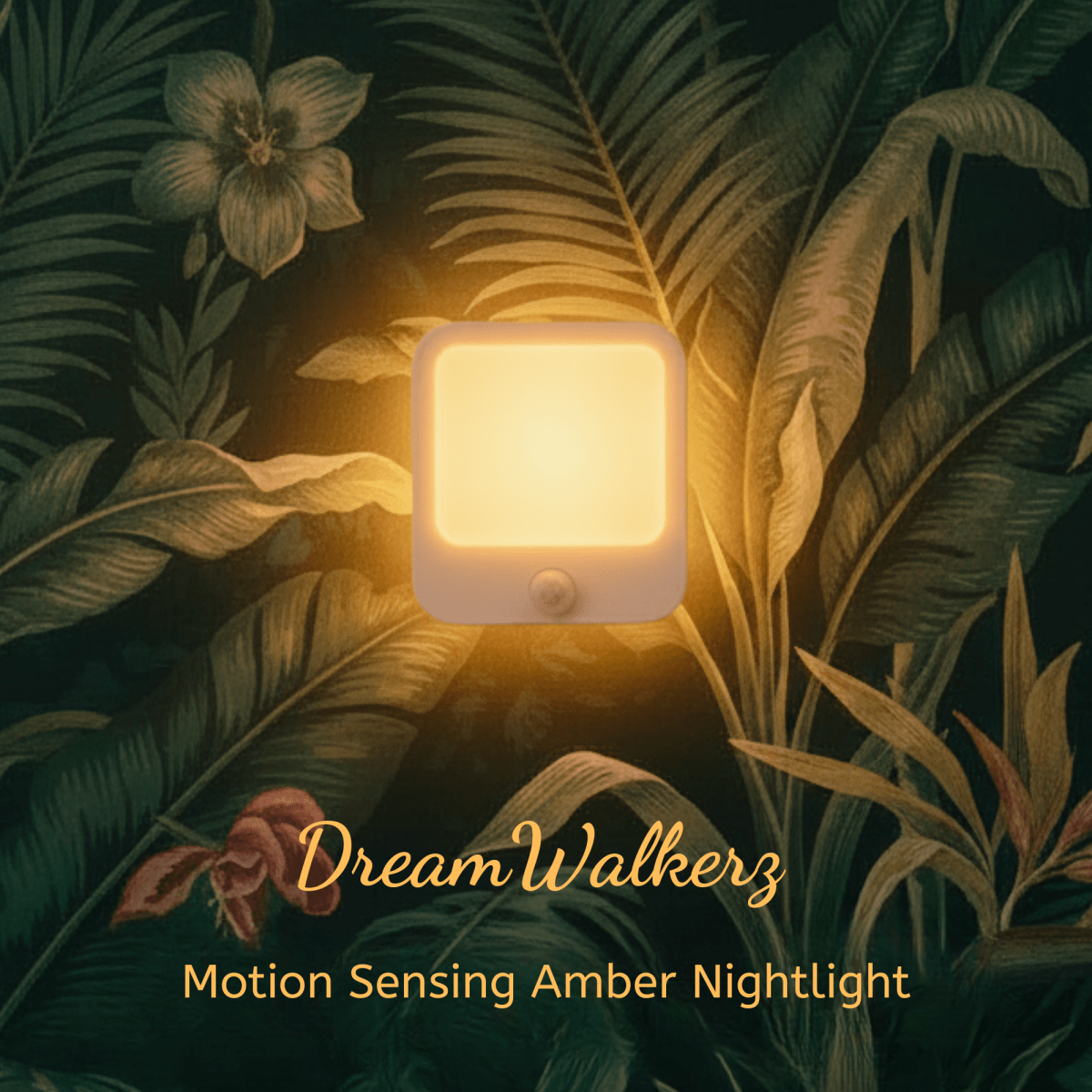
4. Utiliza bombillas de tono cálido (2700K o menos) en los espacios nocturnos
5. Asegúrate de que haya oscuridad total en tu dormitorio (cortinas opacas, cubre las luces LED)
Por qué funciona
Tus ojos contienen fotorreceptores llamados células de melanopsina que detectan la luz azul y le indican a tu cerebro que suprima la melatonina. Al bloquear la luz azul por la noche, permites que la producción natural de melatonina ocurra a tiempo.
Ideal para
Personas que usan pantallas por la noche, trabajadores por turnos, cualquiera con síndrome de fase de sueño retrasada
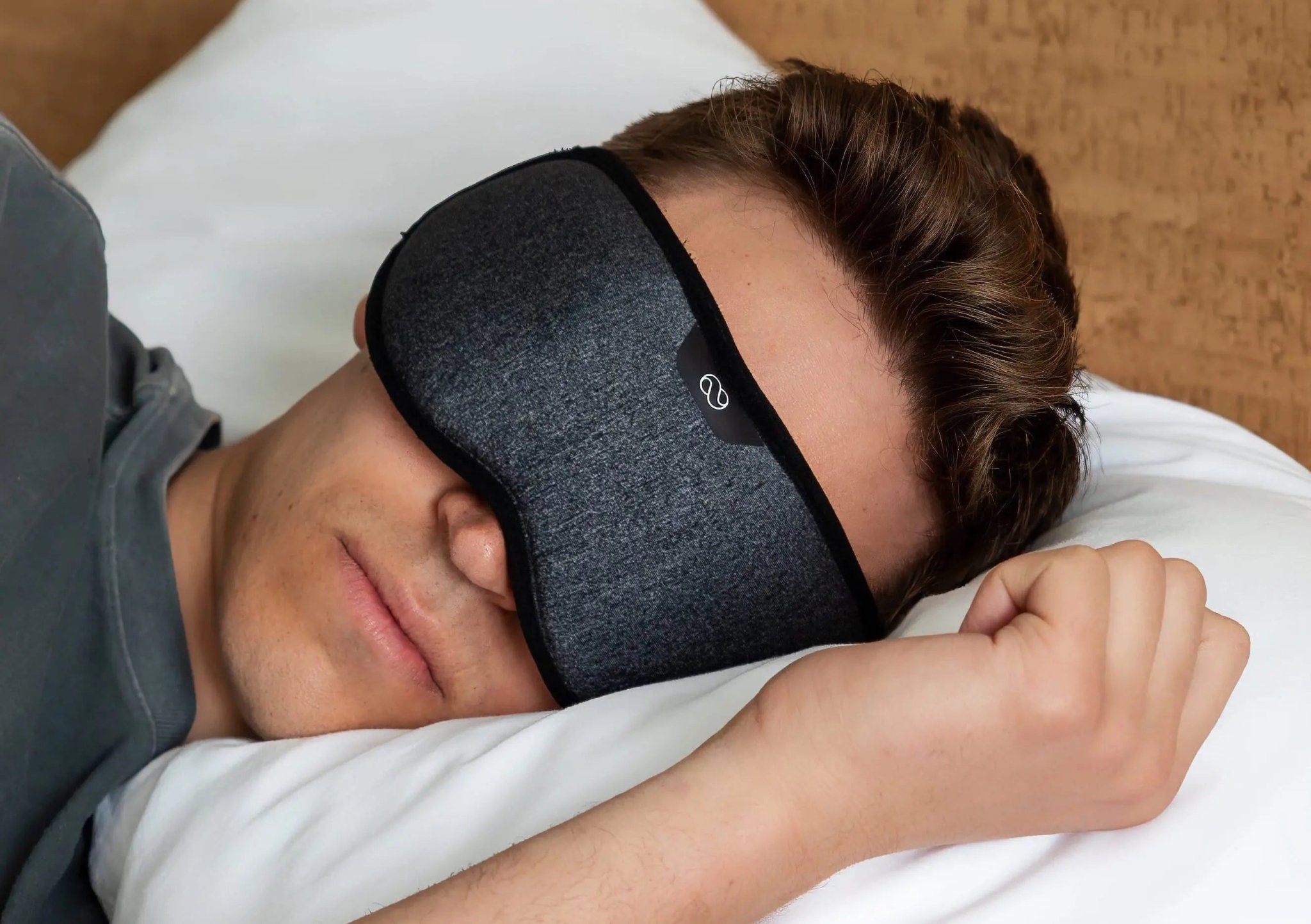
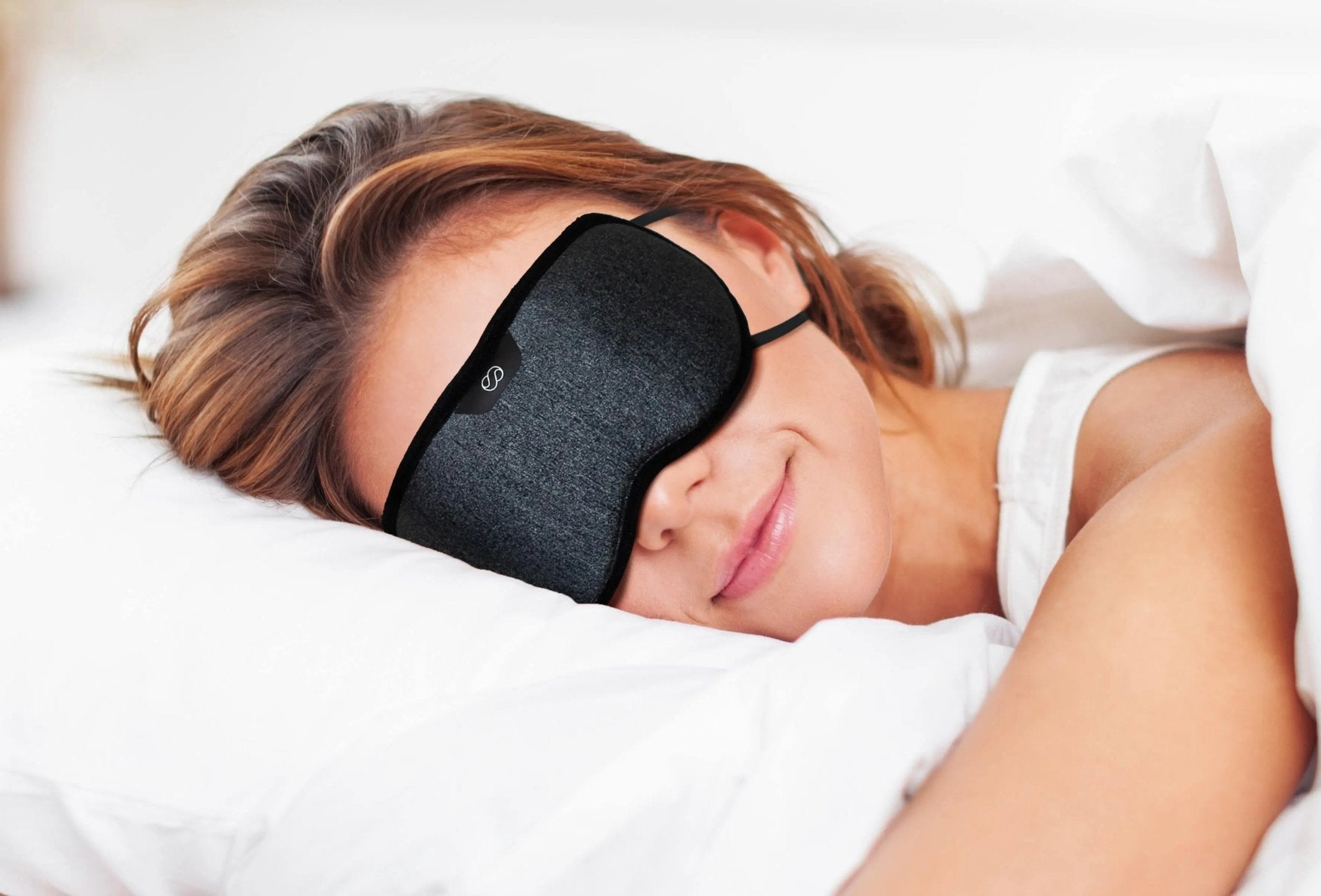
Comprar gafas para dormir con bloqueo de luz azul
Técnica 6: Suplementos de magnesio
El magnesio es esencial para la producción de GABA, el neurotransmisor que promueve la relajación y el sueño. Hasta el 75% de las personas tienen deficiencia de magnesio, lo que afecta directamente la calidad del sueño y el tiempo de inicio.

Instrucciones paso a paso
1. Toma 200-400 mg de glicinato de magnesio o citrato de magnesio 30-60 minutos antes de acostarte
2. El polvo de magnesio Rest & Restore combina magnesio con L-teanina para un apoyo mejorado del sueño
3. Comienza con una dosis más baja y aumenta gradualmente para evaluar la tolerancia
4. Tómalo de forma constante durante 2-4 semanas para experimentar todos los beneficios
5. Evita el óxido de magnesio, que tiene una mala absorción
Por qué funciona
El magnesio regula los neurotransmisores que calman el sistema nervioso, se une a los receptores GABA (de forma similar a como funcionan los medicamentos para dormir, pero de forma natural) y ayuda a regular tu ritmo circadiano al influir en la producción de melatonina.
Ideal para
Tensión muscular que impide el sueño, piernas inquietas, insomnio relacionado con la ansiedad, deficiencia de magnesio
Comprar polvo de magnesio Rest & Restore
Técnica 7: Suplementos específicos para el sueño
Aunque no es un enfoque de primera línea, los suplementos para el sueño respaldados por la ciencia pueden ayudar a reeducar tu ciclo de sueño-vigilia cuando las técnicas conductuales por sí solas no son suficientes. La clave es elegir fórmulas con ingredientes basados en la evidencia en dosis terapéuticas.

Instrucciones paso a paso
1. Elige una fórmula diseñada específicamente para el inicio del sueño (conciliar el sueño) en lugar de para el mantenimiento del sueño (mantenerse dormido)
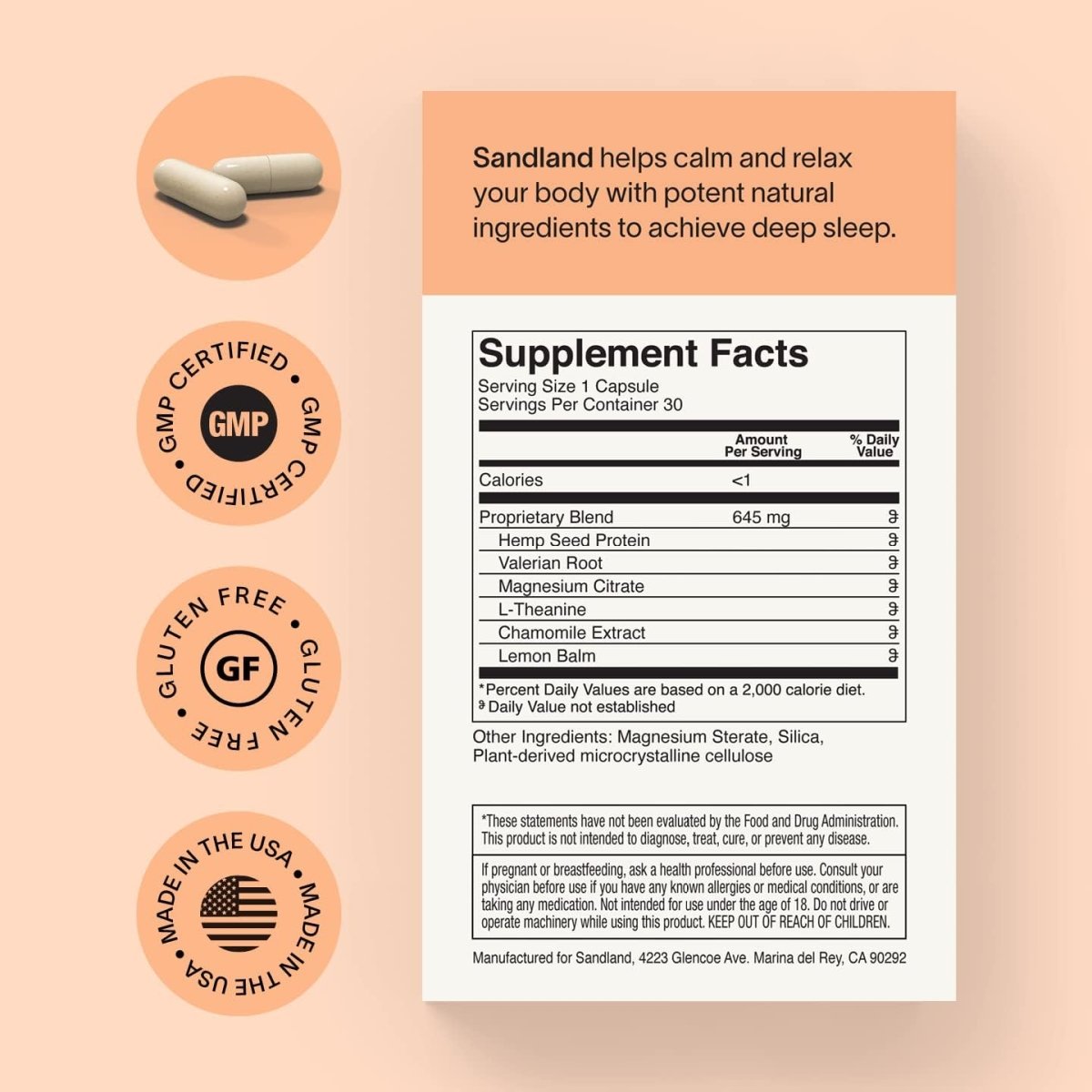
2. Sandland Deep Sleep combina botánicos calmantes y aminoácidos sin melatonina para un apoyo del sueño que no crea hábito
3. Tómalo 30-60 minutos antes de la hora deseada para dormir
4. Comienza con la dosis efectiva más baja
5. Úsalo de forma constante durante 2-4 semanas, luego evalúa si puedes reducir la frecuencia
Por qué funciona
Los suplementos de sueño de calidad actúan a través de múltiples mecanismos: apoyando la producción de GABA, reduciendo el cortisol, promoviendo la relajación y, en algunos casos (fórmulas de melatonina), indicando directamente a tu cerebro que es hora de dormir.
Ideal para
Insomnio crónico de inicio del sueño, viajes/jet lag, trabajo por turnos, reeducación de tu ciclo de sueño-vigilia
Comprar fórmula de sueño profundo
Técnica adicional: Aromaterapia para el sueño
Ciertos aromas, particularmente la lavanda, han demostrado en estudios clínicos reducir la ansiedad, disminuir la frecuencia cardíaca y mejorar la calidad del sueño. El sistema olfativo tiene conexiones directas con el sistema límbico (centro emocional) y puede desencadenar respuestas de relajación.

Instrucciones paso a paso
1. Usa una vela para dormir verificada por neurocientíficos o un difusor de aceites esenciales en tu dormitorio
2. Enciende la vela o inicia el difusor 30-60 minutos antes de acostarte
3. Apaga la vela antes de acostarte (nunca duermas con velas encendidas)
4. El aroma persistente seguirá favoreciendo la relajación mientras te duermes
Por qué funciona
La lavanda y otros aromas calmantes aumentan la actividad de las ondas alfa en el cerebro, el mismo patrón de ondas cerebrales asociado con la relajación y el sueño ligero. Esto crea las condiciones ideales para conciliar el sueño.
Comprar vela Nidra para dormir
Cómo combinar estas técnicas
El protocolo completo de sueño rápido
2 horas antes de acostarse:
- Ponte unas gafas que bloqueen la luz azul si usas pantallas
- Atenúa todas las luces de tu casa
- Enciende tu vela para dormir
90 minutos antes de acostarse:
- Toma un baño o ducha caliente
- Baja la temperatura de la habitación a 15-19 °C
30-60 minutos antes de acostarse:
- Toma el suplemento de magnesio
- Toma la fórmula para dormir si es necesario
- Apaga todas las pantallas
En la cama:
- Practica la respiración 4-7-8 (4 ciclos)
- Si sigues despierto después de 10 minutos, haz relajación muscular progresiva
- Si sigues despierto después de 20 minutos, prueba la mezcla cognitiva
Qué hacer si sigues despierto después de 20 minutos
Si has probado estas técnicas y sigues despierto después de 20 minutos, levántate de la cama. Permanecer en la cama despierto entrena a tu cerebro para asociar tu cama con la vigilia en lugar de con el sueño.
En su lugar:
- Ve a otra habitación con poca luz
- Haz una actividad tranquila y no estimulante (leer, estiramientos suaves)
- Vuelve a la cama solo cuando te sientas realmente somnoliento
- Repite la respiración 4-7-8 cuando vuelvas a la cama
Errores comunes que impiden un rápido inicio del sueño
Mirar el reloj: Esto genera ansiedad por el tiempo de sueño perdido. Gira los relojes para que no estén a la vista.
Esforzarse demasiado por dormir: El esfuerzo en sí mismo es estimulante. Concéntrate en la relajación, no en el sueño.
Horario de sueño inconsistente: Acostarse a horas muy diferentes confunde tu ritmo circadiano.
Cafeína después de las 2 PM: La cafeína tiene una vida media de 6 horas. Ese café de la tarde todavía está en tu sistema a la hora de acostarse.
Alcohol como ayuda para dormir: Aunque puede ayudarte a conciliar el sueño inicialmente, altera la arquitectura del sueño y provoca despertares en mitad de la noche.
Cuándo buscar ayuda profesional
Si has aplicado estas técnicas de forma constante durante 4-6 semanas y sigues teniendo dificultades para conciliar el sueño en 30 minutos, consulta a un profesional de la salud. Es posible que tengas:
- Apnea del sueño u otros trastornos del sueño
- Ansiedad o depresión subyacentes
- Trastornos del ritmo circadiano
- Efectos secundarios de medicamentos que afectan el sueño
Un especialista del sueño puede proporcionar intervenciones específicas, incluida la terapia cognitivo-conductual para el insomnio (TCC-I), el tratamiento no farmacéutico estándar de oro.
Tu plan de acción
No intentes implementar las siete técnicas a la vez. En su lugar:
Semana 1: Concéntrate en la gestión de la luz y la optimización de la temperatura
Semana 2: Añade la respiración 4-7-8 y la relajación muscular progresiva
Semana 3: Introduce los suplementos de magnesio
Semana 4: Añade la mezcla cognitiva si es necesario, considera una fórmula para dormir para casos persistentes
Registra el tiempo que tardas en conciliar el sueño cada noche para identificar qué técnicas funcionan mejor para tu fisiología única.
Empieza a conciliar el sueño más rápido esta noche con técnicas respaldadas por la ciencia y productos de apoyo al sueño específicos.