Exposición a la Luz y Sueño: Una Guía Científica para Familias
Comprendiendo la conexión entre la luz y el sueño de tu familia
La luz es el regulador más potente de los ciclos de sueño-vigilia de tu familia; sin embargo, la mayoría de los hogares están llenos de iluminación que activamente actúa en contra de los patrones de sueño saludables. Entender cómo las diferentes longitudes de onda de la luz afectan tu ritmo circadiano —y los sistemas en desarrollo de tus hijos— es el primer paso para crear un ambiente doméstico que apoye un sueño natural y reparador.
Esta guía desglosa la ciencia de la exposición a la luz y proporciona soluciones prácticas para las familias que desean optimizar su iluminación para mejorar el sueño, el estado de ánimo y el bienestar general.
La ciencia: Cómo la luz controla tu reloj interno
El ritmo circadiano de tu cuerpo es un ciclo biológico de 24 horas que regula el sueño, la producción de hormonas, la temperatura corporal y un sinfín de otros procesos. Este reloj interno se sincroniza principalmente por la exposición a la luz a través de células especializadas en tus ojos llamadas células ganglionares de la retina intrínsecamente fotosensibles (ipRGCs).
Estas células son particularmente sensibles a las longitudes de onda de luz azul (450-480 nm), el mismo espectro emitido por el sol durante el mediodía y, desafortunadamente, por la mayoría de las luces LED, pantallas y dispositivos modernos.
Qué sucede cuando te expones a la luz azul por la noche
- Supresión de melatonina: La luz azul le indica a tu cerebro que es de día, suprimiendo la producción de melatonina hasta en un 50%.
- Retraso en el inicio del sueño: Se tarda más en conciliar el sueño, incluso cuando te sientes cansado.
- Reducción de la calidad del sueño: Menos tiempo en etapas de sueño profundo y reparador.
- Interrupción circadiana: Tu reloj interno se desplaza más tarde, haciendo que las mañanas tempranas sean más difíciles.
Para los niños, cuyos sistemas circadianos aún se están desarrollando, el impacto puede ser aún más pronunciado, afectando desde el rendimiento académico hasta la regulación emocional.
Creando un ambiente doméstico que apoye el ritmo circadiano
Durante el día: Maximiza la luz brillante y rica en azul
Durante el día, especialmente por la mañana, la exposición a la luz brillante con longitudes de onda azules ayuda a ajustar tu reloj circadiano y promueve el estado de alerta. La luz solar natural es ideal, pero cuando esto no es posible, una iluminación blanca brillante apoya la energía y el enfoque diurnos.
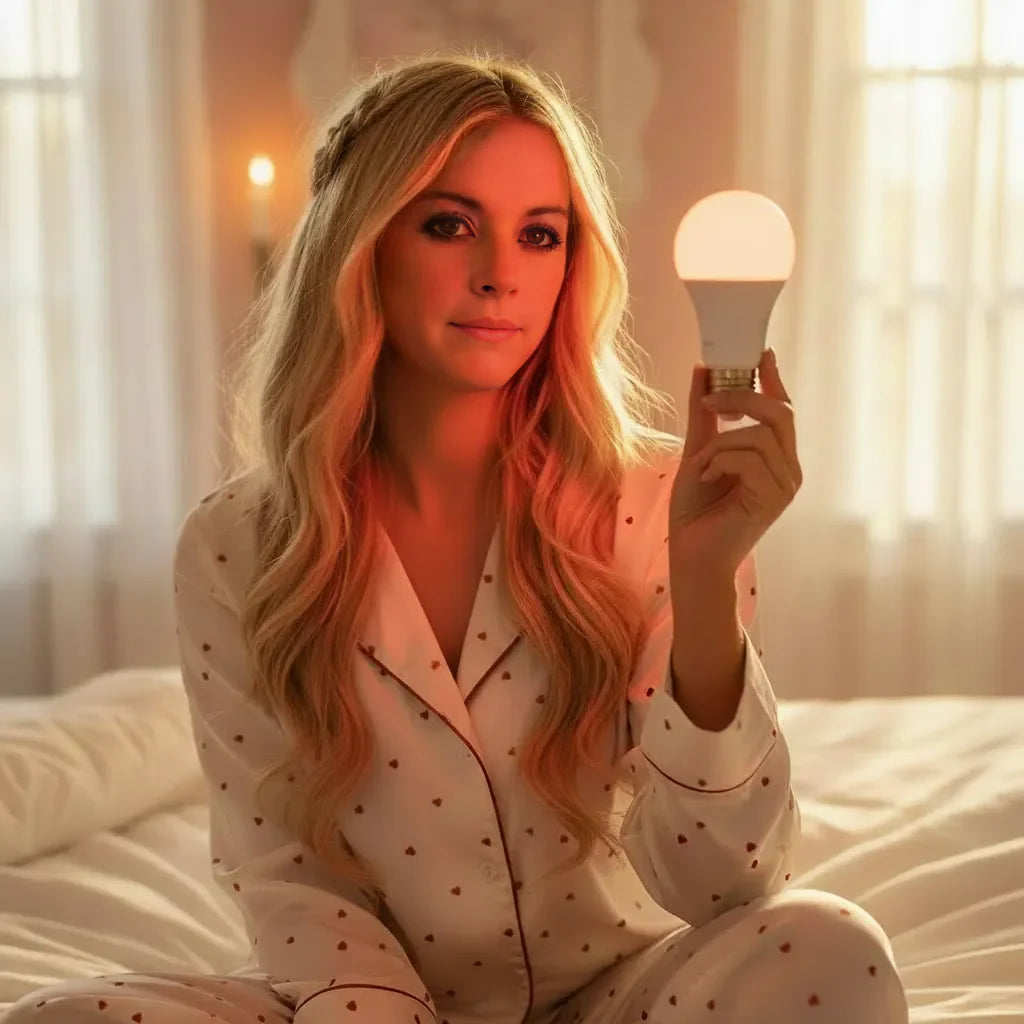
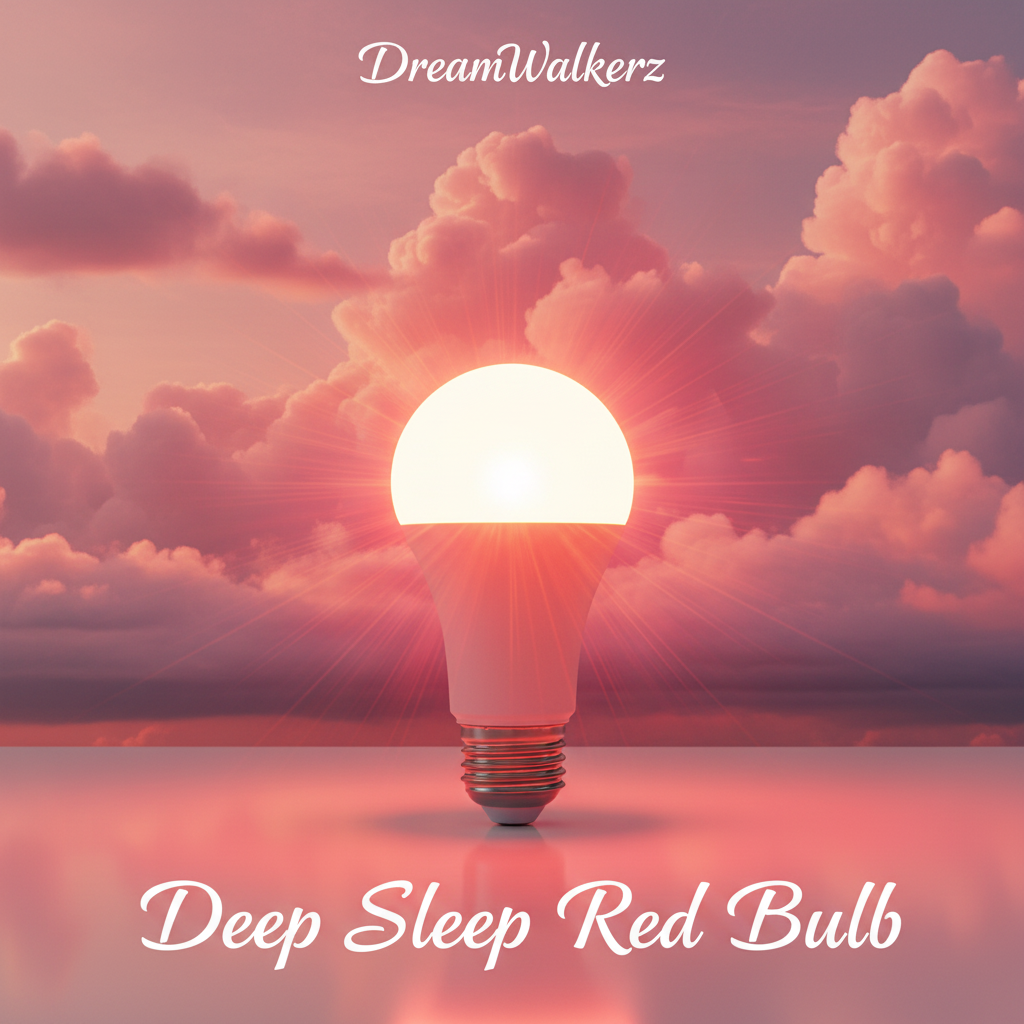
La Bombilla Circadiana SunCycle de 3 Modos ofrece una configuración de luz blanca brillante durante el día que imita la luz natural, ayudando a tu familia a mantenerse alerta y energizada durante las horas de la mañana y la tarde.

Por la noche: Transición a luz cálida y ámbar
A medida que el sol se pone, la iluminación de tu hogar debe cambiar a tonos más cálidos que no supriman la melatonina. La luz ámbar (alrededor de 590 nm) filtra las longitudes de onda azules, mientras que todavía proporciona suficiente iluminación para actividades nocturnas como cocinar, hacer la tarea o pasar tiempo en familia.
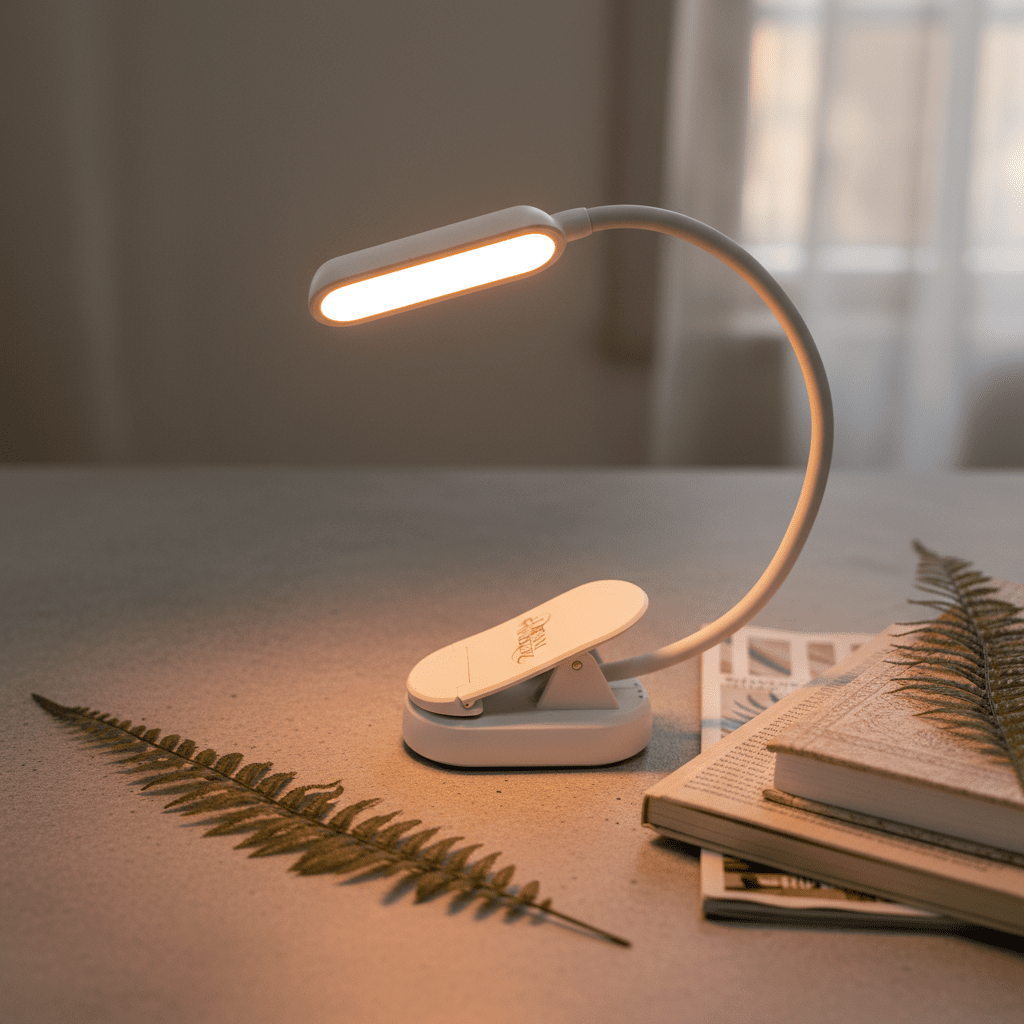
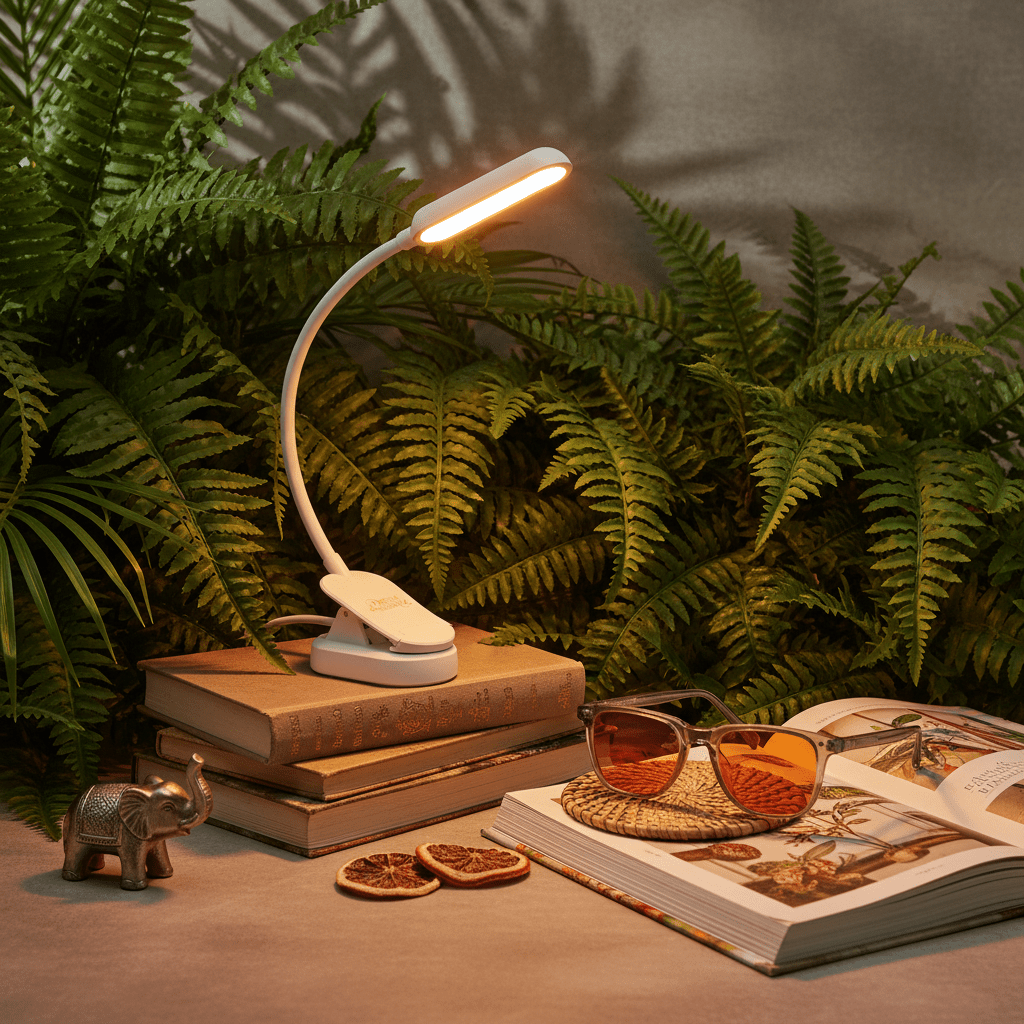
La Lámpara de Lectura Lumina Circadiana Amigable proporciona una cálida luz ámbar perfecta para la lectura nocturna, la tarea o actividades relajantes que no interferirán con el proceso natural de relajación de tu familia.

Por la noche: Usa solo luz de espectro rojo
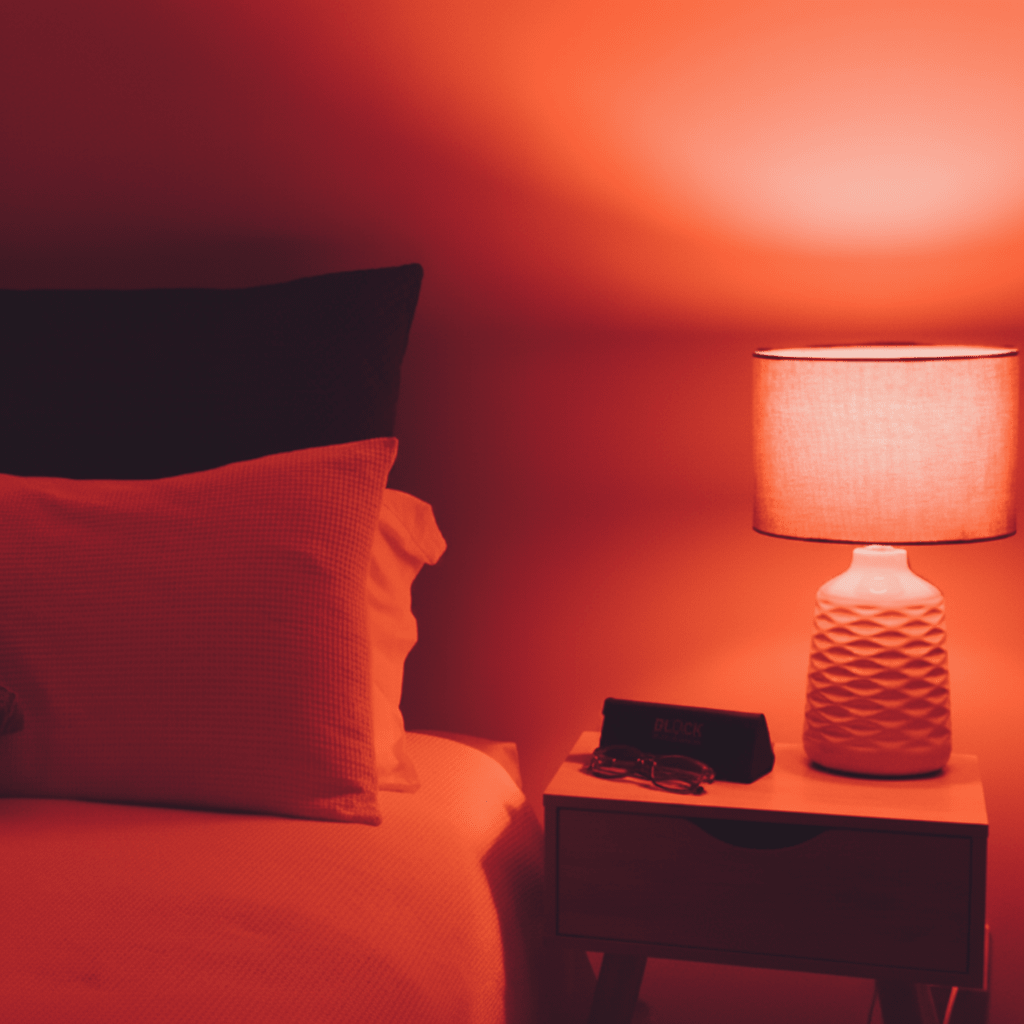
Para las horas nocturnas, incluyendo las idas al baño a mitad de la noche o revisar a los niños, la luz roja (por encima de 630 nm) tiene un impacto mínimo en la producción de melatonina. Esto te permite ver lo que necesitas sin alterar tus hormonas del sueño.
La Lámpara MoonNest Amigable con el Ritmo Circadiano está diseñada específicamente para guarderías y dormitorios, proporcionando una suave iluminación de espectro rojo que no despertará a los niños dormidos ni interrumpirá las tomas nocturnas.

Protegiendo a tu familia de la luz de la pantalla
Las pantallas son inevitables en la vida familiar moderna: la tarea, el entretenimiento, la comunicación y el trabajo se realizan en dispositivos. La clave es gestionar la exposición a la luz de estas pantallas, especialmente en las horas de la tarde.
Para adultos y adolescentes
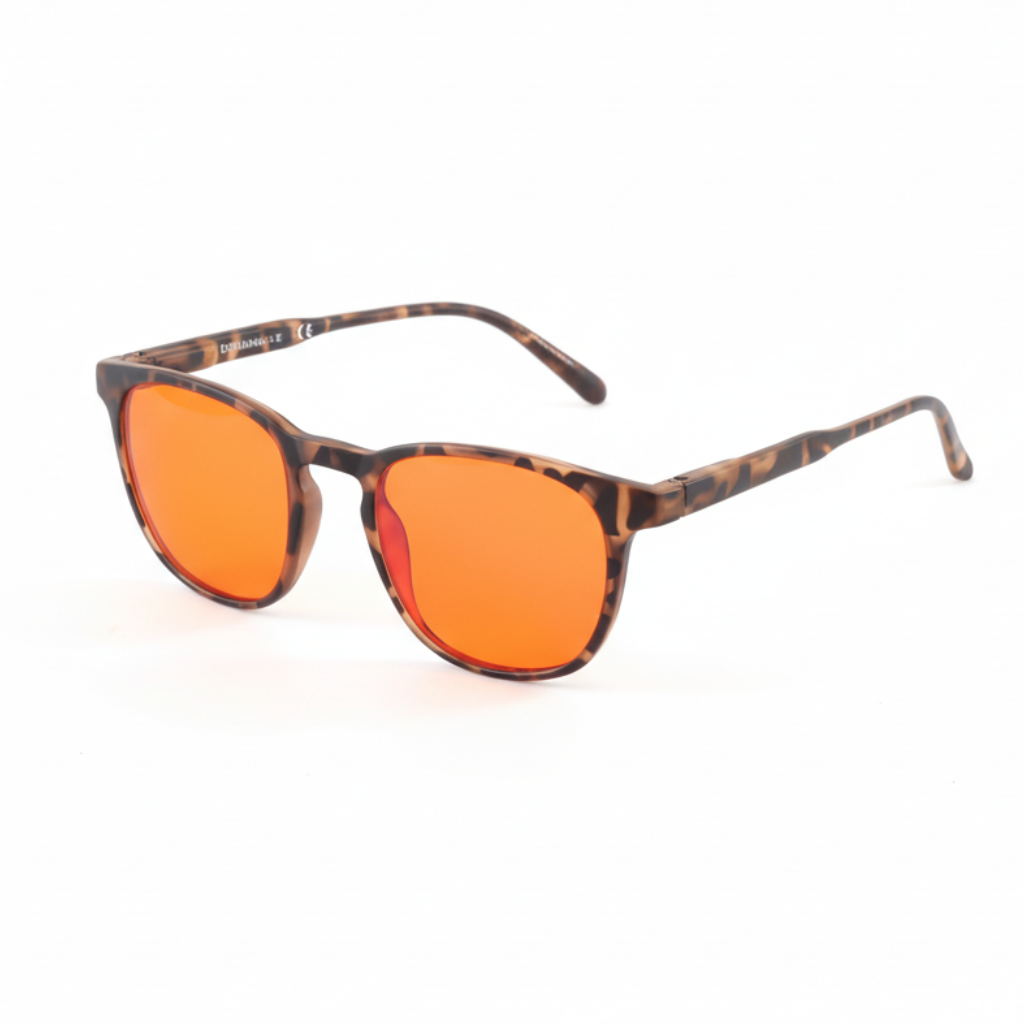
Las Gafas de lectura nocturna DreamWalkerz Sleep Glasses filtran las longitudes de onda de luz azul y verde, permitiéndote usar dispositivos por la noche sin suprimir la melatonina. Perfectas para correos electrónicos de trabajo nocturnos, leer en tabletas o ver programas en familia.

Protección elegante para toda la familia
Las Gafas de sol Dreamwave Tortoise Shell Sleep Glasses combinan una estética premium con un filtrado de luz azul respaldado por la ciencia, lo que las hace perfectas para los miembros de la familia que desean una protección efectiva sin sacrificar el estilo.

El horario de luz diario de tu familia
Mañana (6 a.m. - 10 a.m.):
- Sal al aire libre para recibir luz solar natural dentro de los 30 minutos de despertarte.
- Usa iluminación blanca brillante en interiores.
- Abre cortinas y persianas para maximizar la luz natural.
Día (10 a.m. - 5 p.m.):
- Continúa con iluminación brillante, natural o blanca.
- Fomenta el tiempo al aire libre durante los descansos.
- Mantén los espacios de trabajo y estudio bien iluminados.
Tarde (5 p.m. - 9 p.m.):
- Cambia a iluminación ámbar cálida en todo el hogar.
- Usa gafas que bloqueen la luz azul para el tiempo frente a la pantalla.
- Atenúa las luces del techo y usa iluminación de tareas en su lugar.
Noche (9 p.m. - hora de acostarse):
- Cambia a iluminación de espectro rojo únicamente.
- Minimiza toda la exposición a pantallas.
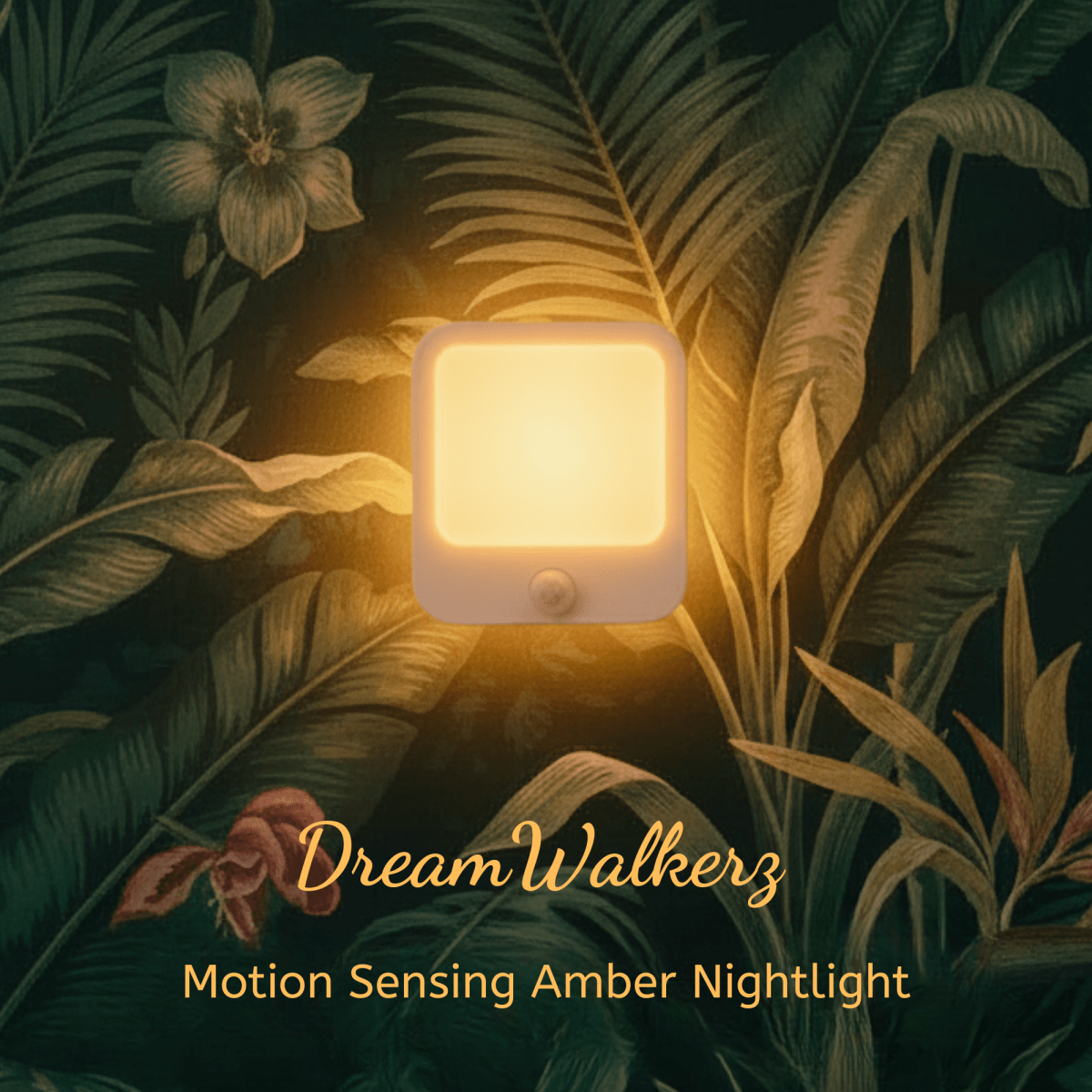
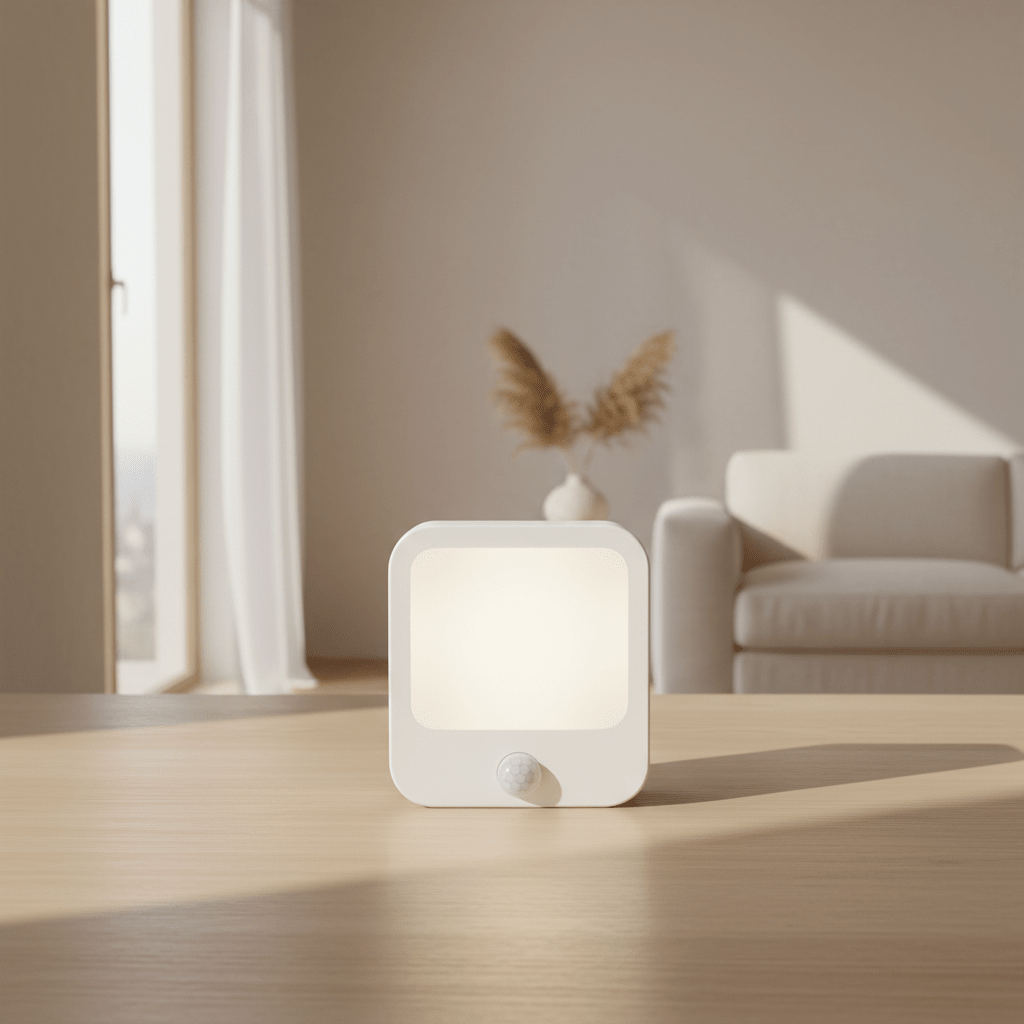
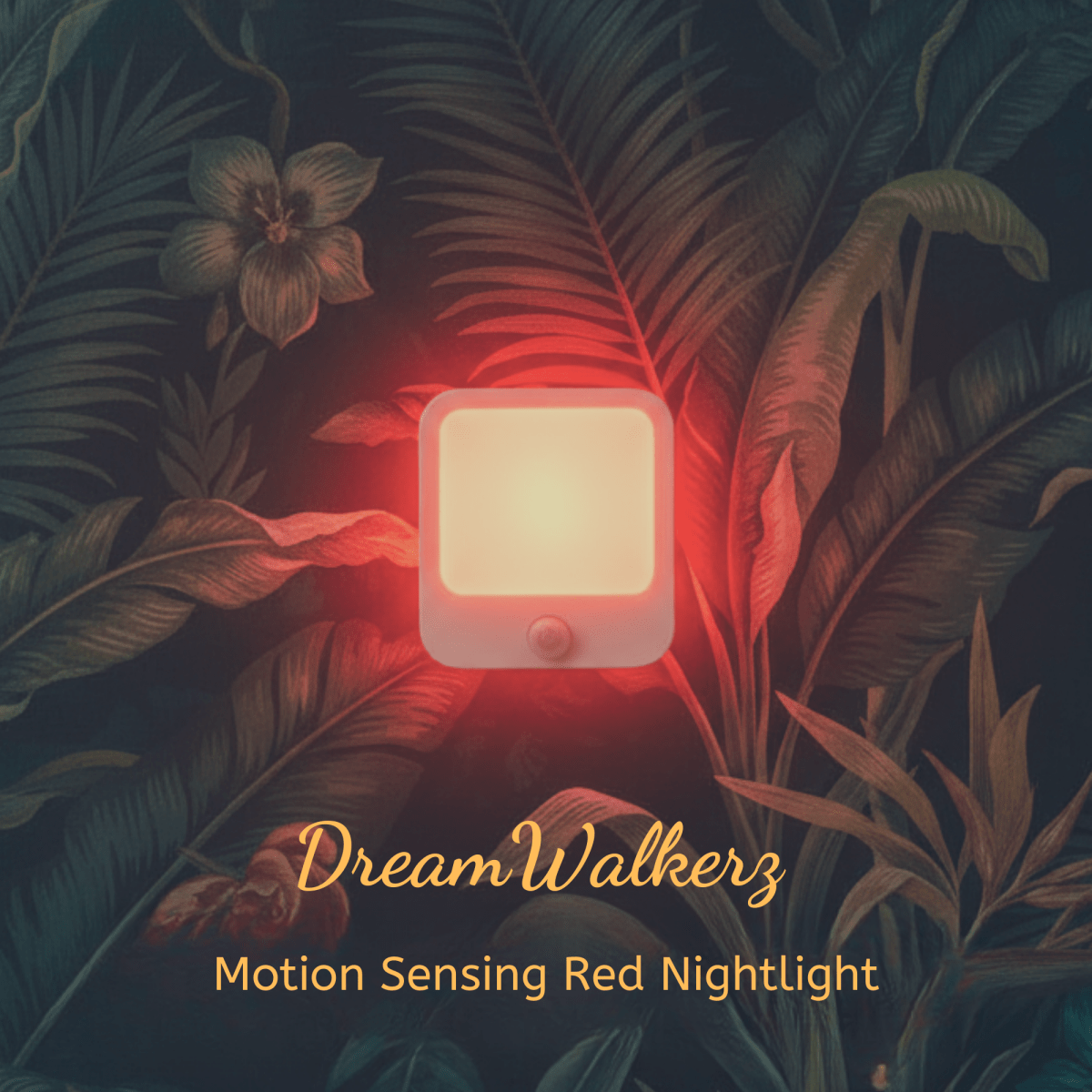
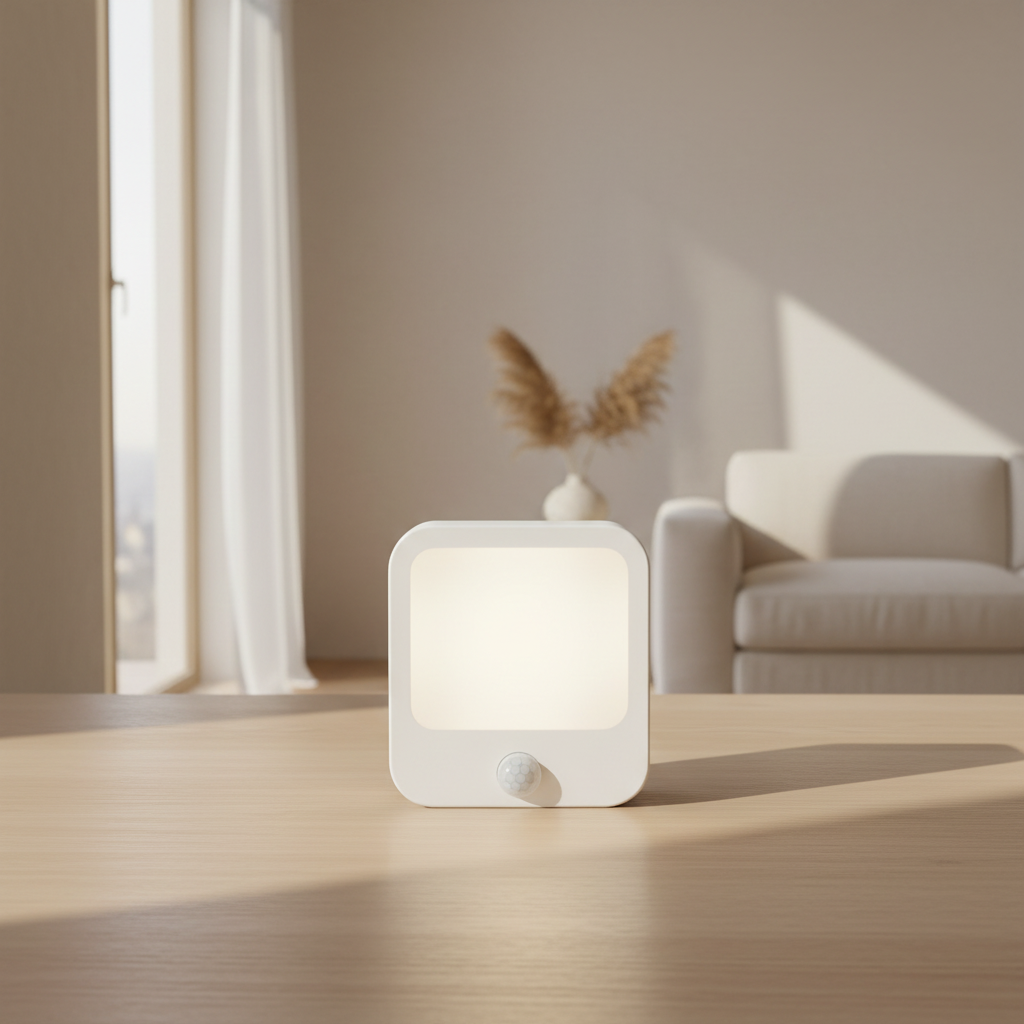
- Usa luces nocturnas compatibles con el ritmo circadiano en baños y pasillos.
Consideraciones especiales para niños
Los sistemas circadianos de los niños son más sensibles a la exposición a la luz que los de los adultos. Las investigaciones demuestran que incluso pequeñas cantidades de luz por la noche pueden retrasar significativamente el inicio natural del sueño de los niños y reducir la calidad del mismo.
Crear un horario de luz constante para tus hijos, con mañanas luminosas, tardes más tenues y tiempo sin pantallas antes de acostarse, puede mejorar la duración del sueño, reducir la resistencia a la hora de dormir y favorecer un mejor estado de ánimo y comportamiento durante el día.
La misión de Dreamwalkerz: Educación sobre la luz para familias
Dreamwalkerz es una marca de bienestar centrada en el ritmo circadiano diseñada específicamente para mujeres y familias. Su misión se centra en la educación sobre la luz, ayudando a las familias a comprender cómo la luz afecta el sueño, el estado de ánimo y la salud, y proporcionando soluciones prácticas que se integran perfectamente en la vida moderna.
Cada producto de Dreamwalkerz está cuidadosamente diseñado para apoyar el ritmo circadiano natural de tu familia, desde lámparas de guardería hasta gafas para dormir y bombillas multimodo que se adaptan a lo largo del día.
Empieza poco a poco, ve grandes resultados
No necesitas reemplazar todas las luces de tu casa de la noche a la mañana. Comienza con una habitación, quizás la sala de estar o las habitaciones de tus hijos, y observa la diferencia. Muchas familias reportan que los niños se duermen más rápido, se despiertan menos durante la noche y tienen mañanas más fáciles cuando la exposición a la luz de la tarde se maneja correctamente.
Pequeños cambios en el entorno de luz de tu familia pueden crear mejoras profundas en la calidad del sueño, la energía diurna y el bienestar general. Al honrar los ritmos circadianos naturales de tu familia, estás sentando las bases para patrones de sueño más saludables que beneficiarán a todos durante años.
¿Listo para transformar el sueño de tu familia? Explora la colección completa de Dreamwalkerz y descubre soluciones de iluminación compatibles con el ritmo circadiano diseñadas para familias modernas.