Terapia de luz roja para el dolor y la recuperación: lo que la investigación realmente dice
La terapia de luz roja ha pasado de ser una herramienta clínica de nicho a una categoría de bienestar principal en menos de una década. Con este crecimiento ha llegado mucho ruido: afirmaciones exageradas, dispositivos de baja potencia y marketing que supera a la ciencia.
Esta guía lo aclara. Esto es lo que la investigación realmente dice sobre la terapia de luz roja para el dolor y la recuperación, para qué condiciones es más efectiva y qué buscar en un dispositivo que realmente funcione.
¿Qué es la terapia de luz roja?
La terapia de luz roja, también llamada fotobiomodulación (FBM) o terapia con láser de baja intensidad (LLLT), utiliza longitudes de onda específicas de luz roja y luz infrarroja cercana para estimular procesos biológicos a nivel celular. Es no térmica en dosis terapéuticas, lo que significa que no funciona calentando el tejido como lo hace la terapia infrarroja. En cambio, funciona a través de un mecanismo fotoquímico: la energía lumínica es absorbida por fotorreceptores en las mitocondrias, lo que desencadena una cascada de respuestas celulares.
El objetivo principal es el citocromo c oxidasa, una enzima en la cadena respiratoria mitocondrial. Cuando se estimula con luz roja e infrarroja cercana, aumenta la producción de ATP (energía celular), reduce las especies reactivas de oxígeno (estrés oxidativo) y promueve la liberación de óxido nítrico, lo que mejora la circulación y reduce la inflamación.

Lo que dice la investigación: Alivio del dolor
El alivio del dolor es una de las aplicaciones más estudiadas de la terapia de luz roja, con un cuerpo sustancial de evidencia en múltiples condiciones de dolor:
- Dolor musculoesquelético — Múltiples revisiones sistemáticas y metaanálisis han encontrado que la fotobiomodulación reduce significativamente el dolor en condiciones que incluyen dolor de cuello, dolor lumbar y dolor de hombro en comparación con el placebo.
- Artritis — Estudios sobre osteoartritis y artritis reumatoide muestran reducciones significativas en el dolor y la rigidez con la terapia de luz roja regular, con efectos comparables a los AINE en algunos ensayos sin los efectos secundarios.
- Dolor neuropático — La luz infrarroja cercana ha mostrado promesa para reducir el dolor neuropático al apoyar la regeneración nerviosa y reducir la neuroinflamación.
- Dolor postquirúrgico — La terapia de luz roja aplicada a sitios quirúrgicos ha demostrado reducir el dolor postoperatorio y acelerar la curación en múltiples entornos clínicos.
La Asociación Mundial de Terapia Láser (WALT) ha publicado pautas de dosificación para la fotobiomodulación basadas en la evidencia clínica, proporcionando un marco para protocolos terapéuticos que los fabricantes de dispositivos como NovaaLab utilizan para informar las especificaciones de sus productos.
Lo que dice la investigación: Recuperación atlética
La recuperación es la otra aplicación principal basada en evidencia, y la investigación aquí es particularmente sólida:
- Recuperación muscular — Múltiples ensayos controlados aleatorios han demostrado que la terapia de luz roja antes y después del ejercicio reduce el dolor muscular de aparición tardía (DOMS), disminuye la creatina quinasa (un marcador de daño muscular) y mejora el tiempo de recuperación entre sesiones de entrenamiento.
- Mejora del rendimiento — La fotobiomodulación previa al ejercicio ha demostrado mejorar el rendimiento de resistencia, aumentar el tiempo hasta el agotamiento y reducir la fatiga tanto en atletas entrenados como en deportistas recreativos.
- Curación de lesiones — La terapia de luz roja acelera la curación de lesiones de tejidos blandos, incluidas tendinopatías, esguinces de ligamentos y distensiones musculares al estimular la actividad de fibroblastos y la síntesis de colágeno.

Lo que dice la investigación: Salud de la piel
La piel es uno de los objetivos más accesibles para la terapia de luz roja, ya que las longitudes de onda no necesitan penetrar profundamente para llegar a las células dérmicas:
- Producción de colágeno — La luz roja de 630-660 nm estimula a los fibroblastos para producir colágeno y elastina, con mejoras documentadas en la textura, firmeza de la piel y la apariencia de líneas finas.
- Acné — La luz azul (415 nm) combinada con la luz roja tiene una fuerte evidencia para la reducción del acné. La luz roja sola reduce la inflamación y apoya la curación de las lesiones existentes.
- Cicatrización de heridas — La terapia de luz roja acelera el cierre de heridas, reduce las cicatrices y mejora la calidad del tejido cicatrizado en múltiples tipos de heridas.
- Crecimiento del cabello — Se ha demostrado que la luz infrarroja cercana estimula la actividad del folículo piloso y mejora la densidad del cabello en la alopecia androgenética.
Lo que no funciona: El problema de la calidad del dispositivo
Aquí está la advertencia crítica: la investigación anterior se realizó con dispositivos que entregan las longitudes de onda correctas a niveles de irradiancia terapéuticamente significativos. Muchos dispositivos de terapia de luz roja para el consumidor en el mercado no cumplen con estas especificaciones.
Los dos modos de falla más comunes:
- Longitudes de onda incorrectas — La ventana terapéutica para la luz roja es estrecha. Los dispositivos que utilizan longitudes de onda fuera de los rangos de 630-670 nm (rojo) y 810-850 nm (infrarrojo cercano) tienen un efecto terapéutico significativamente reducido o nulo, independientemente de lo brillantes que parezcan.
- Irradiancia insuficiente — La fotobiomodulación terapéutica requiere una densidad de potencia mínima (irradiancia) para entregar una dosis efectiva al tejido objetivo. Los dispositivos de baja potencia pueden producir algunos efectos a nivel superficial, pero no penetrarán lo suficiente para aplicaciones musculoesqueléticas o de recuperación.
Por eso la selección del dispositivo importa tanto como la propia terapia. NovaaLab diseña sus dispositivos según las especificaciones que respalda la investigación: longitudes de onda correctas, irradiancia verificada y factores de forma específicos para cada aplicación.
Cómo usar la terapia de luz roja de manera efectiva
- La consistencia importa más que la intensidad — Las sesiones regulares (diarias o casi diarias) producen mejores resultados que las sesiones ocasionales de alta dosis. La mayoría de los protocolos de investigación implican de 10 a 20 minutos por área.
- La distancia afecta la dosis — La irradiancia disminuye significativamente con la distancia. Para la mayoría de las aplicaciones terapéuticas, los dispositivos deben usarse a la distancia recomendada por el fabricante, típicamente de 6 a 12 pulgadas de la piel.
- El contacto con la piel o el contacto cercano está bien — A diferencia de la luz UV, la luz roja e infrarroja cercana en dosis terapéuticas es segura para la exposición directa de la piel. Se recomienda protección ocular al tratar áreas cercanas a los ojos.
- Aplicación previa al ejercicio — Para el rendimiento y la recuperación atlética, la terapia de luz roja previa al ejercicio (de 10 a 15 minutos antes del entrenamiento) ha mostrado resultados particularmente sólidos en la literatura de investigación.
Compra NovaaLab en Nanaka

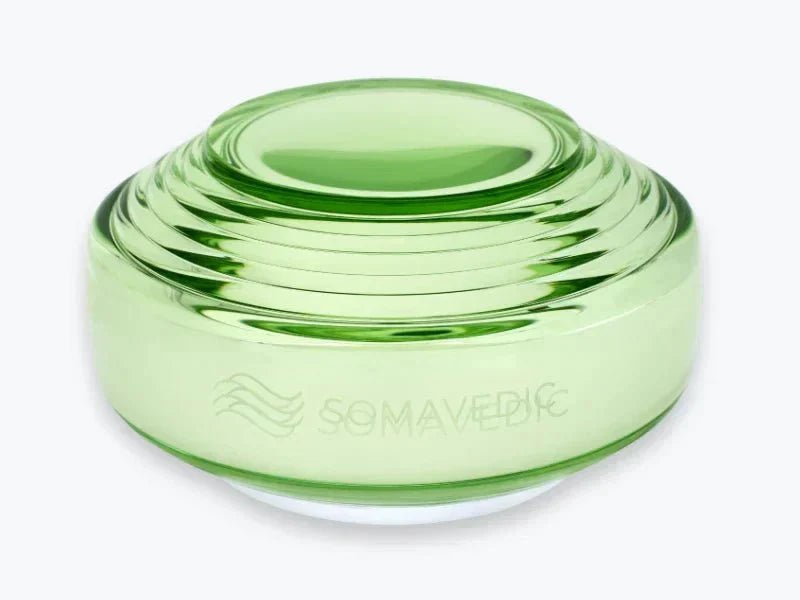
En Nanaka, tenemos la línea completa de NovaaLab, incluido su láser curativo de fuerza extra, Recovery Pod, Deep Healing Pad XL y Glow Therapy Mask. Cada dispositivo está diseñado para una aplicación específica y construido según las especificaciones clínicas que hacen que la terapia de luz roja realmente funcione. Compra la colección completa de NovaaLab aquí.
Preguntas frecuentes
¿Cuánto tiempo tarda en hacer efecto la terapia de luz roja?
Para el dolor agudo y la inflamación, algunas personas notan alivio en una sola sesión. Para afecciones crónicas, mejoras en la salud de la piel y beneficios de recuperación, el uso constante durante 4 a 8 semanas suele producir los resultados más significativos. La investigación generalmente muestra beneficios acumulativos que se construyen con el uso regular.
¿Es segura la terapia de luz roja?
Sí. La luz roja e infrarroja cercana en dosis terapéuticas no es ionizante y tiene un excelente perfil de seguridad en miles de estudios clínicos. No causa daño en el ADN como la radiación UV. La principal precaución es la protección ocular al tratar áreas cercanas a la cara, ya que la exposición directa a LED o láseres de alta intensidad puede causar fatiga ocular.
¿Se puede usar la terapia de luz roja con otros tratamientos?
Sí. La terapia de luz roja se usa comúnmente junto con fisioterapia, masajes, terapia infrarroja y otras modalidades de bienestar. Generalmente se considera complementaria en lugar de competitiva con otros tratamientos. Siempre consulte a un proveedor de atención médica si tiene una condición médica específica.
¿En qué se diferencia la terapia de luz roja de la terapia infrarroja?
La terapia de luz roja funciona a través de un mecanismo fotoquímico: la energía lumínica absorbida por los fotorreceptores celulares desencadena respuestas biológicas. La terapia infrarroja funciona principalmente a través del calor: las longitudes de onda infrarrojas penetran el tejido y elevan la temperatura local, mejorando la circulación y reduciendo la tensión muscular. Ambas son efectivas, y muchos dispositivos (incluidos algunos productos de Therasage) combinan ambas modalidades. Para una comparación más profunda, consulte nuestra guía de terapia infrarroja.
¿Cuál es la diferencia entre la luz roja y la luz infrarroja cercana?
La luz roja (630-700 nm) es visible y penetra la piel hasta una profundidad de unos pocos milímetros, lo que la hace más efectiva para aplicaciones a nivel superficial como la salud de la piel y la cicatrización de heridas. La luz infrarroja cercana (700-1100 nm) es invisible y penetra varios centímetros en el tejido, lo que la hace más efectiva para el dolor musculoesquelético, problemas articulares y recuperación de tejidos profundos. Los dispositivos más efectivos para aplicaciones de recuperación combinan ambas longitudes de onda.