Las mejores tecnologías para dormir de 2026: qué funciona (y qué no)
Si alguna vez te has encontrado frente a una pared de aparatos para dormir y te has preguntado cuáles funcionan realmente, no estás solo. El mercado de la tecnología del sueño ha explotado, y la mayor parte es ruido. Esta guía atraviesa el marketing para centrarse en los dispositivos con ciencia real detrás de ellos, los que abordan las causas fundamentales del mal sueño en lugar de solo medirlo.
La respuesta corta: la mejor tecnología del sueño en 2026 funciona regulando tu ritmo circadiano, reduciendo el estrés inflamatorio en tu cuerpo y protegiendo tu producción de melatonina por la noche. Todo lo demás es un lujo.
¿Qué hace que valga la pena comprar tecnología para el sueño?
Antes de gastar dinero, hazte una pregunta: ¿este dispositivo aborda la causa raíz de un mal sueño o solo rastrea un síntoma? Las categorías con más respaldo científico son la terapia de luz circadiana, la recuperación con infrarrojos y PEMF, y la protección contra la luz azul. Los dispositivos de estas categorías cuentan con décadas de investigación revisada por pares. Todo lo demás debe evaluarse con escepticismo.
Evaluamos cada producto a continuación según cuatro criterios: la solidez de la ciencia subyacente, la usabilidad en el mundo real, el valor en relación con el precio y si los clientes realmente lo compran y regresan a él.
La mejor tecnología del sueño de 2026, clasificada
1. Colchoneta profesional PEMF infrarroja: la mejor para un sueño de recuperación profunda
La HigherDOSE Infrared PEMF Pro Mat es la herramienta de recuperación del sueño más versátil de esta guía. La terapia PEMF (campo electromagnético pulsado) funciona al entregar pulsos electromagnéticos de baja frecuencia que apoyan la reparación celular, reducen el cortisol y promueven el estado del sistema nervioso parasimpático que su cuerpo necesita para entrar en un sueño profundo y reparador. Combinada con el calor infrarrojo lejano, que penetra los tejidos para relajar los músculos y mejorar la circulación, una sesión de 20 minutos antes de dormir en esta colchoneta es uno de los protocolos de relajación más efectivos disponibles.
Esta es la tecnología de bienestar más vendida de Nanaka por una buena razón. No es un truco. La combinación de PEMF e infrarrojos tiene una base sustancial de investigación clínica, y la retroalimentación de los clientes en el mundo real es consistente: mejor inicio del sueño, menos despertares nocturnos y una mejora notable en la recuperación matutina.

Lo mejor para: Cualquier persona que lidie con estrés crónico, tensión muscular o dificultad para alcanzar el sueño profundo. Considere también: La Infrared PEMF Go Mat para una opción más compacta y fácil de transportar a un precio más bajo.
2. Panel de terapia de luz roja Therasage Tri-Lite: el mejor para el anclaje circadiano
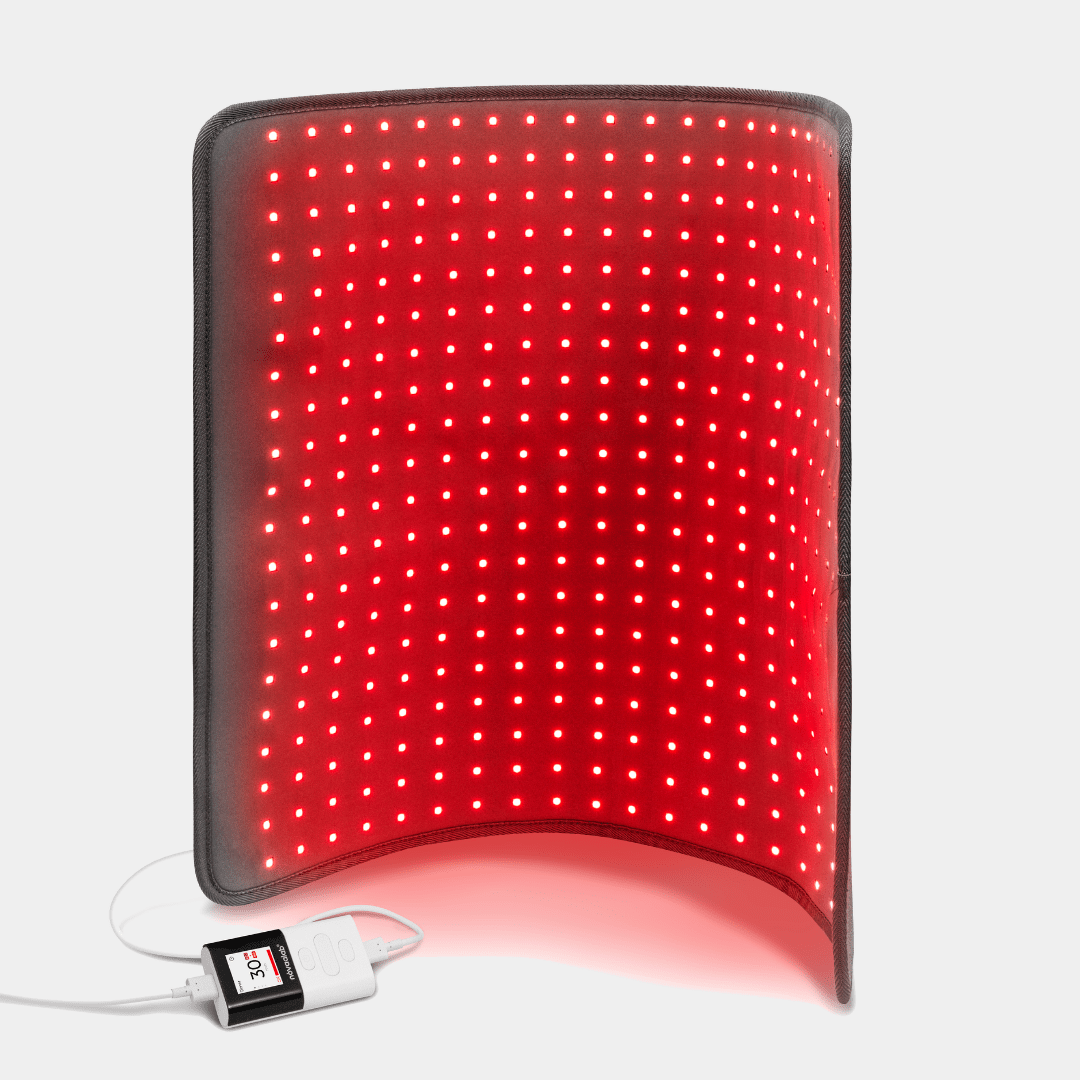
La terapia de luz roja matutina es una de las intervenciones de sueño más subestimadas disponibles, y el Therasage Tri-Lite Panel es un punto de entrada preciso y bien construido. Las longitudes de onda rojas y casi infrarrojas (630 a 850 nm) estimulan la citocromo c oxidasa en las mitocondrias, aumentando la energía celular y reforzando la respuesta de despertar del cortisol que establece su reloj circadiano para el día. Una sesión consistente de 10 minutos por la mañana dentro de los 30 minutos de despertarse produce mejoras medibles en la calidad del sueño dentro de una o dos semanas.
El Tri-Lite es lo suficientemente compacto como para montarse en la pared de un dormitorio o baño, lo que es importante para la consistencia. El mejor dispositivo para dormir es el que realmente usas todos los días.

Ideal para: Personas que se levantan adormiladas, luchan con un horario de sueño consistente o desean anclar su ritmo circadiano sin suplementos. Explore la colección completa de terapia infrarroja Therasage para opciones de paneles más grandes.
3. Panel de terapia de luz roja MitoMEGA 2.0: la mejor luz roja de cuerpo completo
Para aquellos que desean una cobertura más amplia, el MitoMEGA 2.0 ofrece terapia de luz roja y casi infrarroja de cuerpo completo en una sola sesión. Los paneles más grandes permiten la señalización circadiana de todo el cuerpo y efectos antiinflamatorios sistémicos que los dispositivos más pequeños no pueden igualar. Si se toma en serio la luz roja como práctica diaria, el MitoMEGA es la mejora que vale la pena hacer.

Ideal para: Biohackers, atletas y cualquier persona que desee una cobertura de luz roja de cuerpo completo. Alternativa económica: El MitoMIN 2.0 ofrece la misma calidad de longitud de onda en un formato más pequeño.
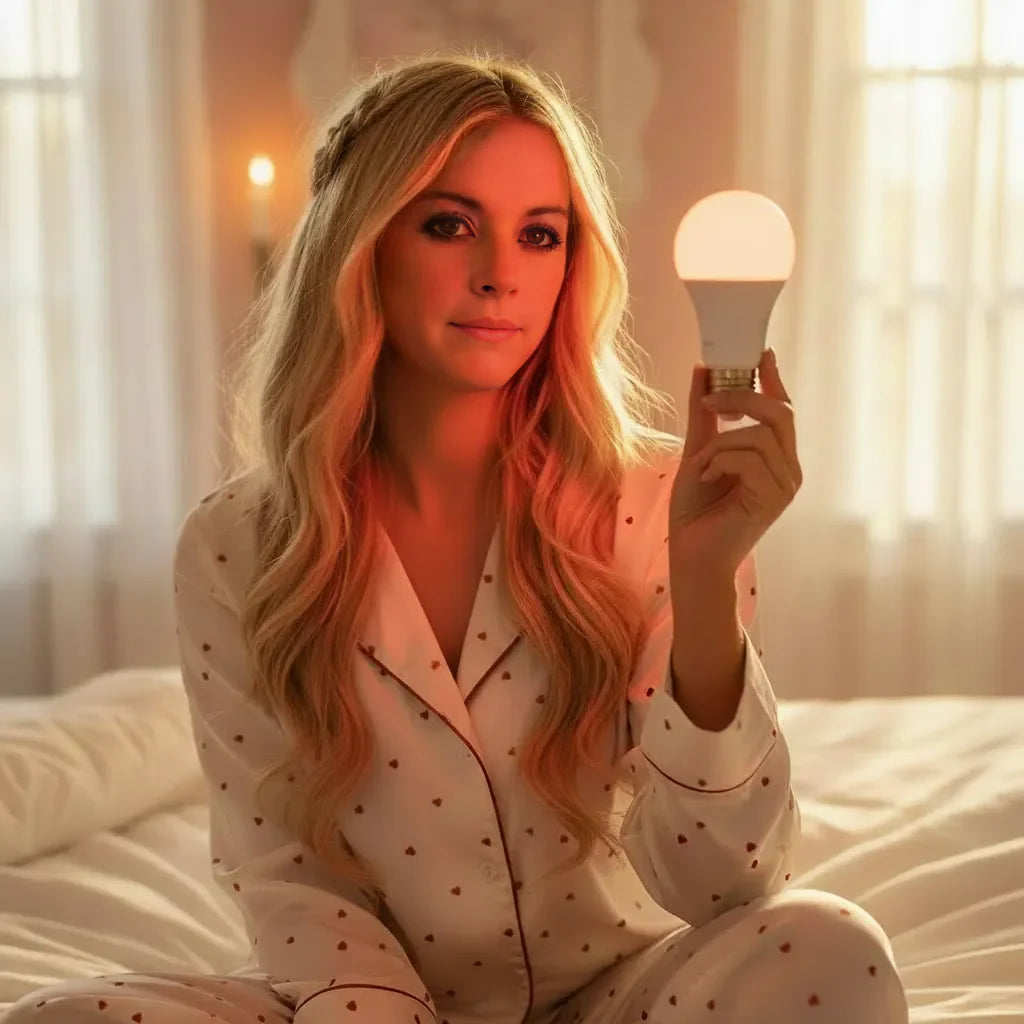
4. Bombilla circadiana SunCycle de 3 modos: la mejor mejora de iluminación para el sueño
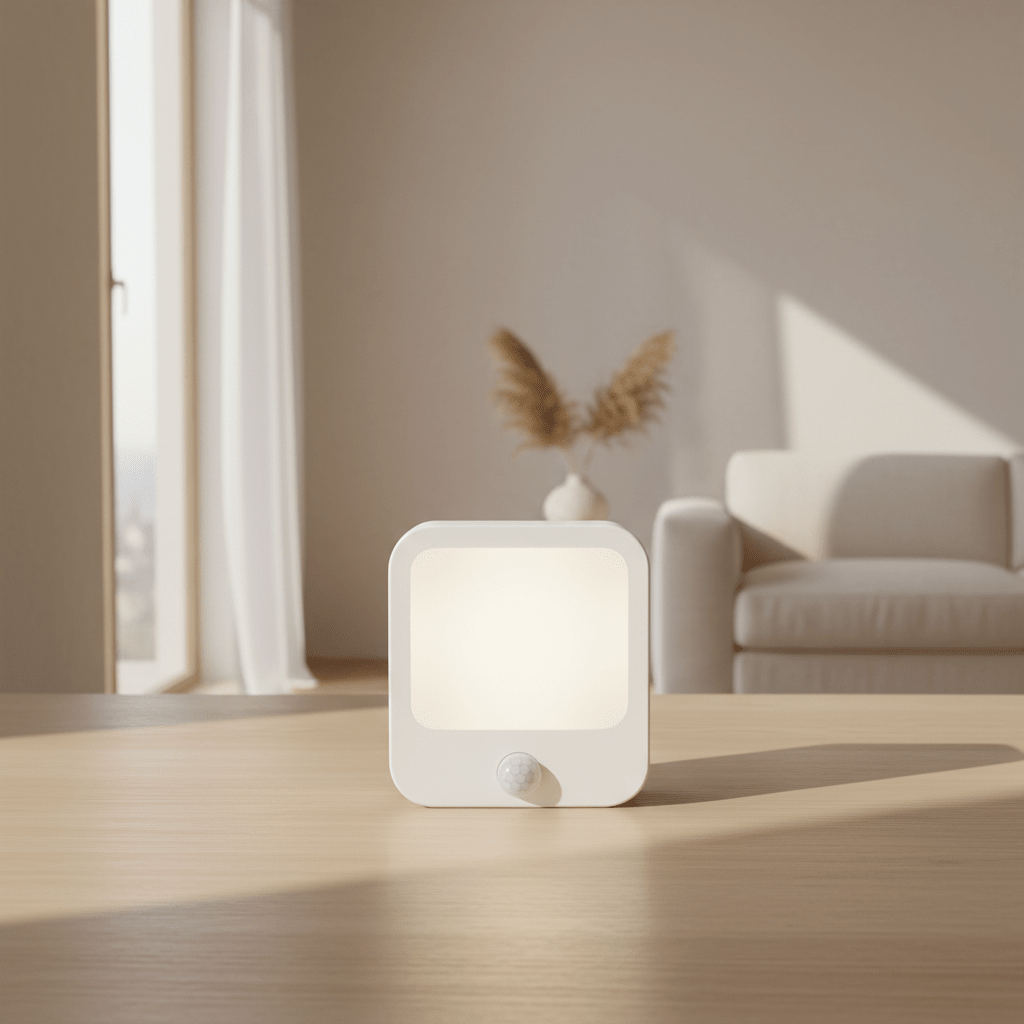
Tu entorno de iluminación es la variable más impactante y más pasada por alto en la calidad del sueño. La bombilla circadiana de 3 modos SunCycle cambia automáticamente entre tres temperaturas de color a lo largo del día, desde un modo de luz diurna brillante y energizante por la mañana hasta un ámbar cálido y seguro para la melatonina por la noche. Cambia las bombillas de tu dormitorio y sala de estar y habrás abordado una de las causas más comunes del retraso en el inicio del sueño sin cambiar un solo hábito.

Ideal para: Cualquier persona que use iluminación cenital por la noche. Esta es la mejora del sueño de mayor impacto y menor esfuerzo en esta lista.
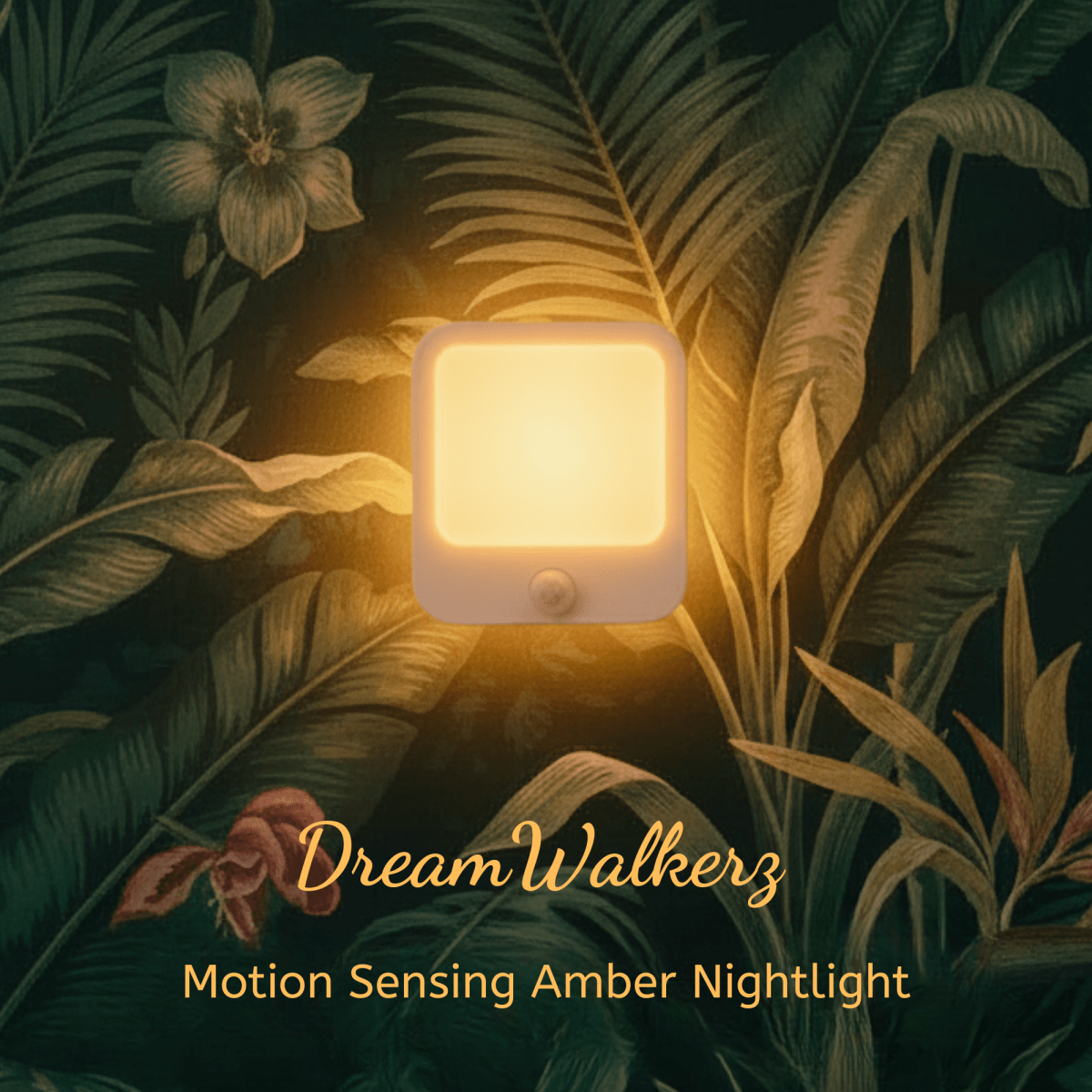
5. Gafas bloqueadoras de luz azul DreamWalkerz Rose Quartz: las mejores para usuarios de pantallas
Si usas un teléfono, tableta o computadora portátil en las dos horas antes de acostarte, estás suprimiendo la producción de melatonina todas las noches. Las gafas DreamWalkerz Rose Quartz Blue Light Blocking Glasses filtran las longitudes de onda de 400 a 500 nanómetros más responsables de la supresión de la melatonina, sin el aspecto clínico y poco favorecedor de la mayoría de los bloqueadores de luz azul. Úsalas constantemente desde dos horas antes de tu hora de acostarse deseada y la mayoría de las personas notan una reducción significativa en el tiempo de inicio del sueño dentro de la primera semana.

Ideal para: Cualquier persona que no pueda o no quiera dejar de usar pantallas antes de acostarse. Explora la colección completa de DreamWalkerz para ver estilos de monturas adicionales.
6. Manta de sauna infrarroja: la mejor para relajarse antes de dormir
La Manta de Sauna Infrarroja aprovecha un mecanismo fisiológico bien documentado: la temperatura corporal central disminuye después de una sesión de calor, y esa disminución es uno de los principales desencadenantes del inicio del sueño. Una sesión de 30 minutos que termine de 60 a 90 minutos antes de acostarse imita la disminución natural de la temperatura que su cuerpo utiliza para iniciar el sueño. También reduce la tensión muscular y el cortisol, lo que la convierte en uno de los rituales previos al sueño más efectivos disponibles en casa.

Ideal para: Personas que tienen dificultades para conciliar el sueño, sufren de tensión muscular crónica o desean un ritual de relajación de calidad de spa en casa.
Cómo construir un conjunto completo de tecnología para el sueño
El enfoque más eficaz superpone las intervenciones a lo largo de un ciclo completo de 24 horas en lugar de depender de un solo dispositivo a la hora de acostarse. Aquí hay un protocolo diario práctico y basado en evidencia utilizando los productos anteriores:
- Mañana (dentro de los 30 minutos de despertarse): 10 minutos de terapia de luz roja con el panel Therasage Tri-Lite o MitoMEGA para anclar su ritmo circadiano y aumentar la energía celular.
- Noche (2 horas antes de acostarse): Cambie toda la iluminación superior a la bombilla SunCycle en su configuración ámbar. Póngase sus gafas DreamWalkerz si está usando pantallas.
- Antes de dormir (60 a 90 minutos antes de acostarse): 20 a 30 minutos en la colchoneta profesional PEMF infrarroja o la manta de sauna infrarroja para reducir el cortisol, relajar los músculos y desencadenar la caída de temperatura que inicia el sueño.
Cada capa refuerza las demás. El efecto acumulativo en la calidad del sueño es significativamente mayor que el de cualquier intervención individual por sí sola.
Preguntas frecuentes
¿Cuál es la mejor tecnología del sueño para 2026?
La mejor tecnología del sueño aborda las causas fundamentales en lugar de los síntomas. Para la mayoría de las personas, el punto de partida de mayor impacto es una combinación de iluminación circadiana (bombilla SunCycle), gafas que bloquean la luz azul (DreamWalkerz) y una sesión de infrarrojos o PEMF antes de dormir (colchoneta profesional PEMF infrarroja o manta de sauna infrarroja). Los paneles de terapia de luz roja añaden un valor significativo para aquellos que también quieren optimizar su señal circadiana matutina.
¿Ayuda la terapia PEMF con el sueño?
Sí. La terapia PEMF a bajas frecuencias (rango delta, 0,5 a 4 Hz) ha demostrado en múltiples estudios que apoya las etapas más profundas del sueño, reduce el cortisol y promueve la actividad del sistema nervioso parasimpático. La HigherDOSE Infrared PEMF Pro Mat combina PEMF con calor infrarrojo lejano para un efecto pre-sueño compuesto.
¿La terapia de luz roja mejora la calidad del sueño?
Sí, cuando se usa correctamente. La terapia de luz roja matutina ancla el ritmo circadiano al reforzar la respuesta de despertar del cortisol, lo que a su vez facilita sentir genuinamente sueño a la hora apropiada por la noche. Un estudio de 2012 en el Journal of Athletic Training encontró mejoras significativas en la calidad del sueño y los niveles de melatonina después de dos semanas de sesiones consistentes de terapia de luz roja.
¿Son efectivas las gafas que bloquean la luz azul?
Para las personas que usan pantallas por la noche, sí. La luz azul en el rango de 400 a 500 nanómetros suprime la producción de melatonina al indicar al cerebro que todavía es de día. Las gafas que filtran estas longitudes de onda, usadas constantemente en las dos horas antes de acostarse, pueden reducir significativamente el tiempo de inicio del sueño.
¿Cuál es la mejor rutina previa al sueño para dormir mejor?
La rutina previa al sueño más respaldada por la evidencia combina la exposición al calor (manta de sauna infrarroja o colchoneta PEMF) que termina de 60 a 90 minutos antes de acostarse, la eliminación de la exposición a la luz azul mediante bombillas circadianas y gafas de luz azul, y un horario constante de sueño y vigilia anclado por la terapia de luz roja matutina.
En resumen
La mejor tecnología para el sueño en 2026 no es la más cara o la que tiene más funciones. Es la combinación de dispositivos que aborda tu cuello de botella de sueño específico de manera constante, todos los días. Empieza con la iluminación y la protección contra la luz azul. Añade recuperación infrarroja o PEMF. Incorpora la terapia de luz roja para el anclaje circadiano. Construye la pila gradualmente y deja que la biología acumulada haga el trabajo.
Explora la colección completa de Sueño y Bienestar Circadiano y la colección de Terapia Infrarroja Therasage para empezar a construir tu pila.