Comprender el ritmo circadiano: por qué es importante la sincronización de la luz
El reloj interno que rige tu salud
Tu ritmo circadiano representa mucho más que un simple ciclo de sueño-vigilia. Este sofisticado sistema de temporización interna orquesta casi todos los procesos biológicos de tu cuerpo, desde la producción de hormonas y la reparación celular hasta el metabolismo y la función inmunológica. Comprender cómo la exposición a la luz influye en este reloj maestro proporciona las bases para optimizar la energía, la calidad del sueño y el bienestar a largo plazo.
¿Qué es tu ritmo circadiano?
Tu ritmo circadiano es un ciclo interno de aproximadamente 24 horas que regula los procesos fisiológicos en todo tu cuerpo. El término deriva del latín "circa diem", que significa "alrededor de un día". Este reloj biológico existe en casi todas las células, coordinado por un marcapasos maestro ubicado en el núcleo supraquiasmático (NSQ) del hipotálamo de tu cerebro.
El NSQ recibe información directa de células fotorreceptoras especializadas en tus ojos, lo que convierte a la luz en la señal externa más poderosa para sincronizar tu reloj interno con el entorno externo. Este proceso de sincronización, llamado arrastre, asegura que tu cuerpo anticipe y se prepare para los cambios diarios predecibles.
Cómo la luz regula tu reloj interno
Luz matutina: la señal de reinicio
La exposición a la luz matutina, particularmente dentro de la primera hora después de despertarse, sirve como la principal señal de reinicio para tu sistema circadiano. La luz brillante que contiene longitudes de onda azules (460-480 nanómetros) activa las células ganglionares de la retina que contienen melanopsina, que envían señales directamente al NSQ.
Esta exposición a la luz matutina desencadena varias respuestas críticas:
- Suprime la producción residual de melatonina, promoviendo el estado de alerta
- Inicia la respuesta de despertar del cortisol para la movilización de energía
- Establece el momento para la liberación de melatonina por la noche aproximadamente 14-16 horas después
- Sincroniza los relojes periféricos en todos los tejidos de tu cuerpo
Las investigaciones demuestran que la exposición a la luz matutina de al menos 10.000 lux durante 30 minutos mejora significativamente la alineación circadiana, la regulación del estado de ánimo y la calidad del sueño nocturno. Para aquellos que no pueden acceder a la luz matutina al aire libre, un panel de terapia de luz roja puede proporcionar una exposición a la luz beneficiosa para apoyar tu rutina matutina.
Luz diurna: mantenimiento de la fuerza del ritmo
La exposición constante a la luz brillante durante el día fortalece la amplitud circadiana, la diferencia entre tu estado de alerta máximo durante el día y la somnolencia nocturna. Los ambientes interiores suelen proporcionar solo 100-500 lux, muy por debajo de los 1.000-10.000 lux disponibles al aire libre en días nublados.
Esta exposición crónica a la luz tenue durante las horas del día debilita las señales circadianas, lo que contribuye a la fatiga diurna y a las dificultades para dormir por la noche. La exposición regular al aire libre o la iluminación interior brillante ayudan a mantener ritmos circadianos robustos.
Luz nocturna: el riesgo de interrupción
A medida que la luz natural se desvanece por la noche, tu NSQ interpreta este oscurecimiento como una señal para iniciar la producción de melatonina a través de la glándula pineal. La melatonina, a menudo llamada la "hormona de la oscuridad", promueve el inicio del sueño y apoya numerosos procesos restauradores durante el mismo.
La exposición a la luz artificial después del atardecer, particularmente la luz rica en azul de las pantallas y las bombillas LED, suprime la producción de melatonina y retrasa tu fase circadiana. Incluso niveles modestos de luz (tan bajos como 30-50 lux) pueden afectar significativamente la secreción de melatonina en individuos sensibles.
Las consecuencias de la interrupción circadiana
La desalineación crónica entre tu ritmo circadiano interno y los ciclos externos de luz y oscuridad crea consecuencias para la salud de gran alcance:
Trastornos del sueño: Dificultad para conciliar el sueño, despertares nocturnos frecuentes y sueño no reparador
Disfunción metabólica: Mayor riesgo de obesidad, resistencia a la insulina y diabetes tipo 2
Alteraciones del estado de ánimo: Mayores tasas de depresión, ansiedad y trastorno afectivo estacional
Deterioro cognitivo: Reducción de la atención, la consolidación de la memoria y la capacidad de toma de decisiones
Inmunosupresión: Respuesta inmunitaria debilitada y aumento de la inflamación
Riesgo cardiovascular: Presión arterial elevada y mayor riesgo de enfermedad cardiovascular
Optimización de la exposición a la luz para la salud circadiana
Estrategia de luz matutina (6 a. m. - 10 a. m.)
Exposición al aire libre: Pasa de 10 a 30 minutos al aire libre dentro de la primera hora de despertarte, incluso en días nublados. La luz exterior proporciona de 10 a 100 veces más intensidad que la iluminación interior.
Alternativas interiores: Si la exposición al aire libre no es factible, colócate cerca de las ventanas o usa un dispositivo de terapia de luz de 10.000 lux durante 20 a 30 minutos mientras desayunas o tomas café.
La consistencia importa: Mantén horarios regulares para levantarte, incluso los fines de semana, para fortalecer el arrastre circadiano.
Mantenimiento de la luz diurna (10 a. m. - 5 p. m.)
Maximiza la luz natural: Trabaja cerca de las ventanas cuando sea posible, toma descansos al aire libre y almuerza al aire libre.
Ambientes interiores luminosos: Usa iluminación de espectro completo en los espacios de trabajo para mantener el estado de alerta y la fuerza circadiana.
Descansos activos: Combina la exposición a la luz con caminatas breves para mejorar tanto los beneficios circadianos como metabólicos.
Reducción de la luz nocturna (5 p. m. - antes de acostarse)
Atenúa la iluminación ambiental: Reduce los niveles generales de luz en tu hogar de 2 a 3 horas antes de acostarte. Usa atenuadores, bombillas de menor vataje o menos fuentes de luz.
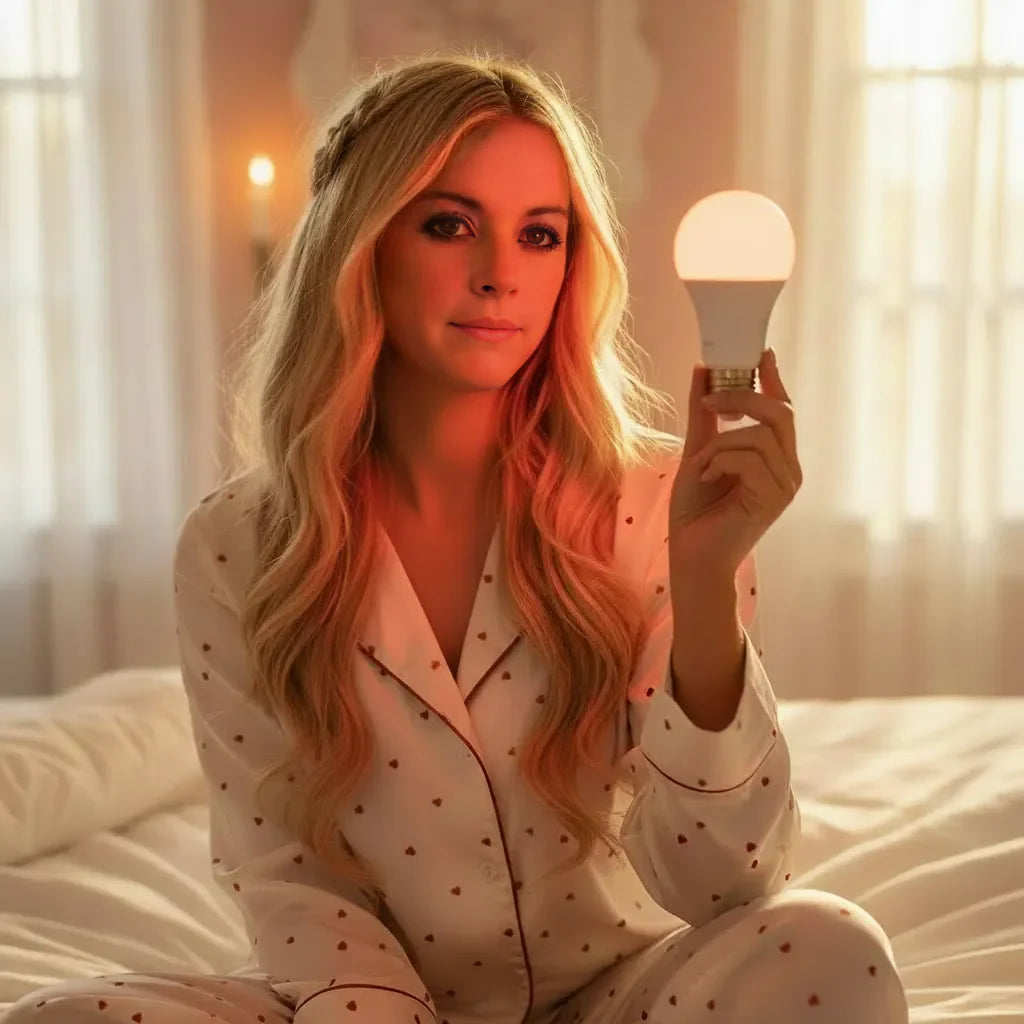
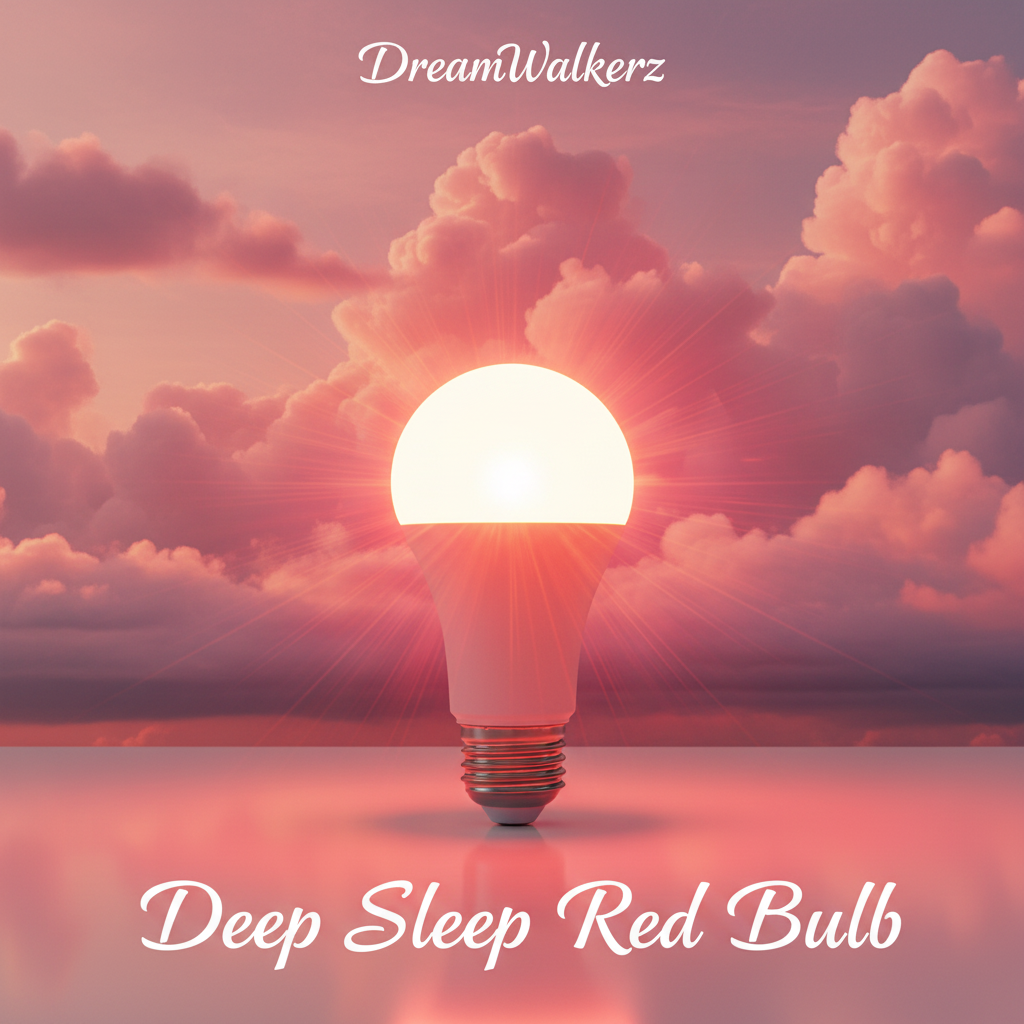
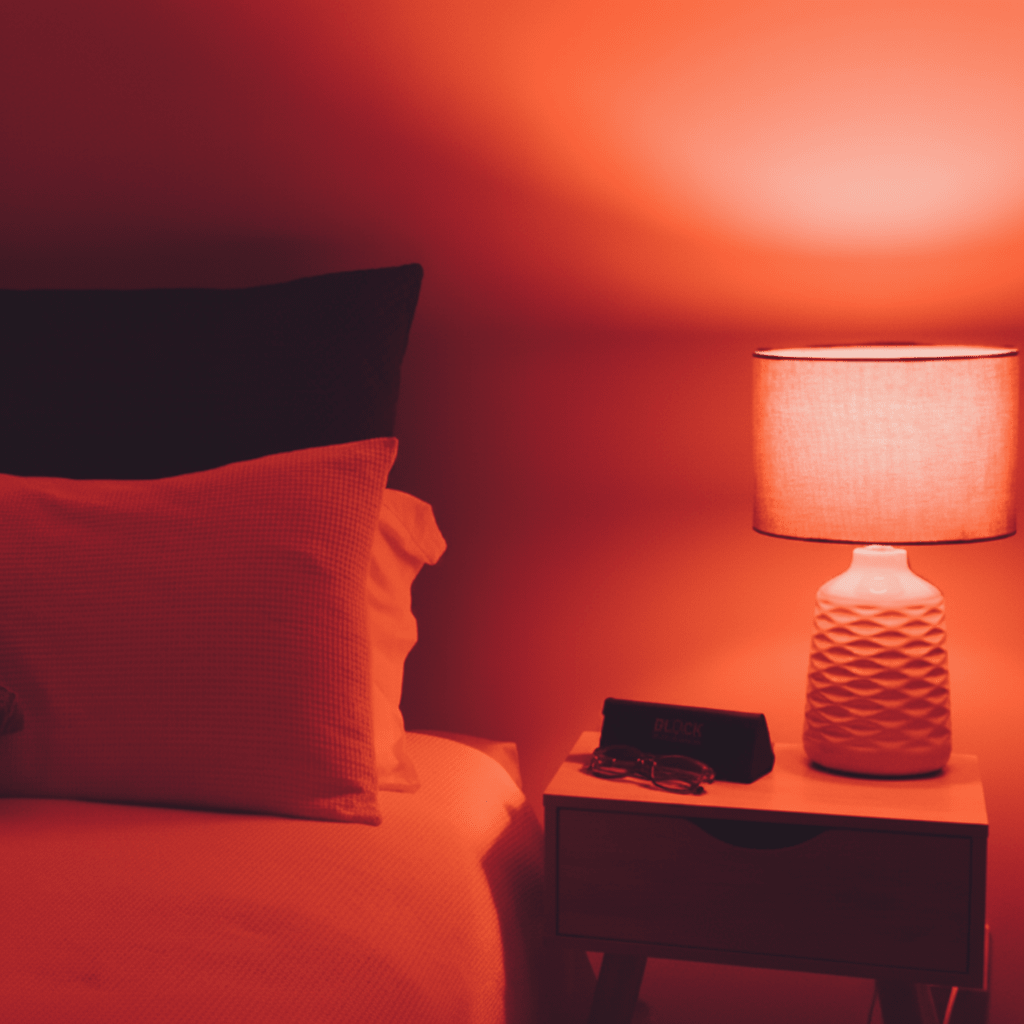
Temperatura de color cálida: Cambia a iluminación de tono cálido (2700K o menos) que contenga mínimas longitudes de onda azules. Nuestras bombillas de luz roja aptas para el ritmo circadiano proporcionan iluminación funcional por la noche sin interrumpir la producción de melatonina.
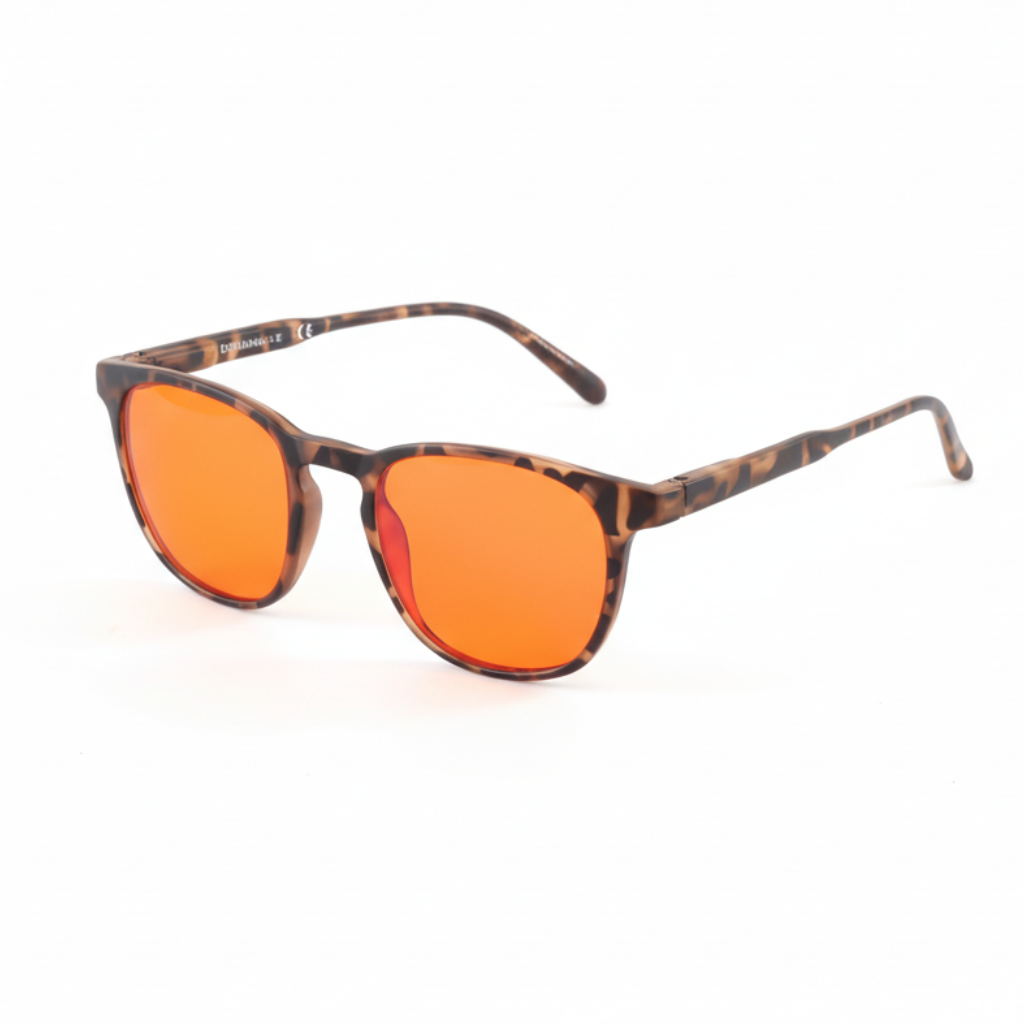
Gestión de pantallas: Habilita el modo nocturno en los dispositivos, usa gafas para dormir con filtro de luz azul o elimina las pantallas por completo de 1 a 2 horas antes de dormir.
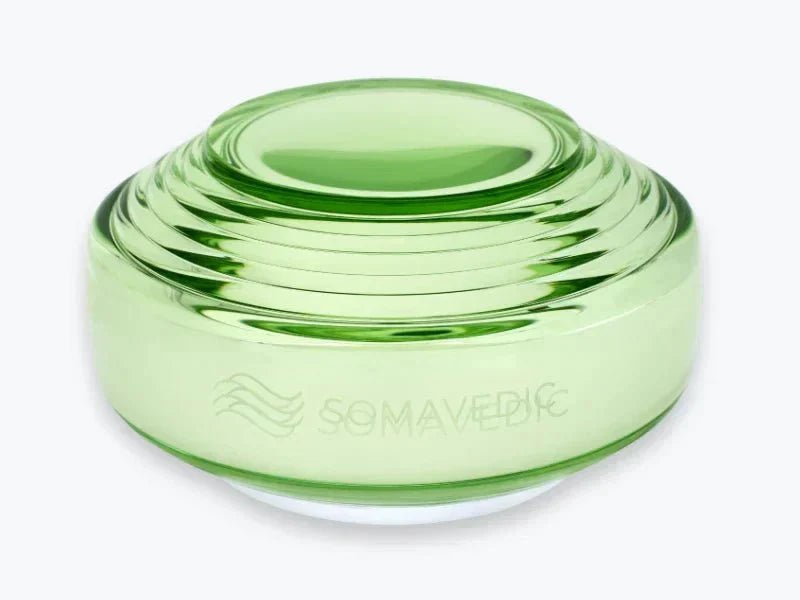
Consideración de la luz roja: Las longitudes de onda de la luz roja (630-660 nanómetros) tienen un impacto mínimo en la supresión de la melatonina y pueden proporcionar iluminación funcional sin interrupción circadiana. Dispositivos como el Somavedic Rosalin emiten una suave luz roja diseñada específicamente para apoyar la regulación del ritmo circadiano y el equilibrio hormonal en ambientes de dormitorio.
Oscuridad nocturna (período de sueño)
Oscuridad total: Elimina todas las fuentes de luz en tu dormitorio, incluidas las luces indicadoras de los aparatos electrónicos.
Soluciones para oscurecer: Usa cortinas opacas o antifaces para evitar que la luz de la mañana temprano interrumpa el sueño.
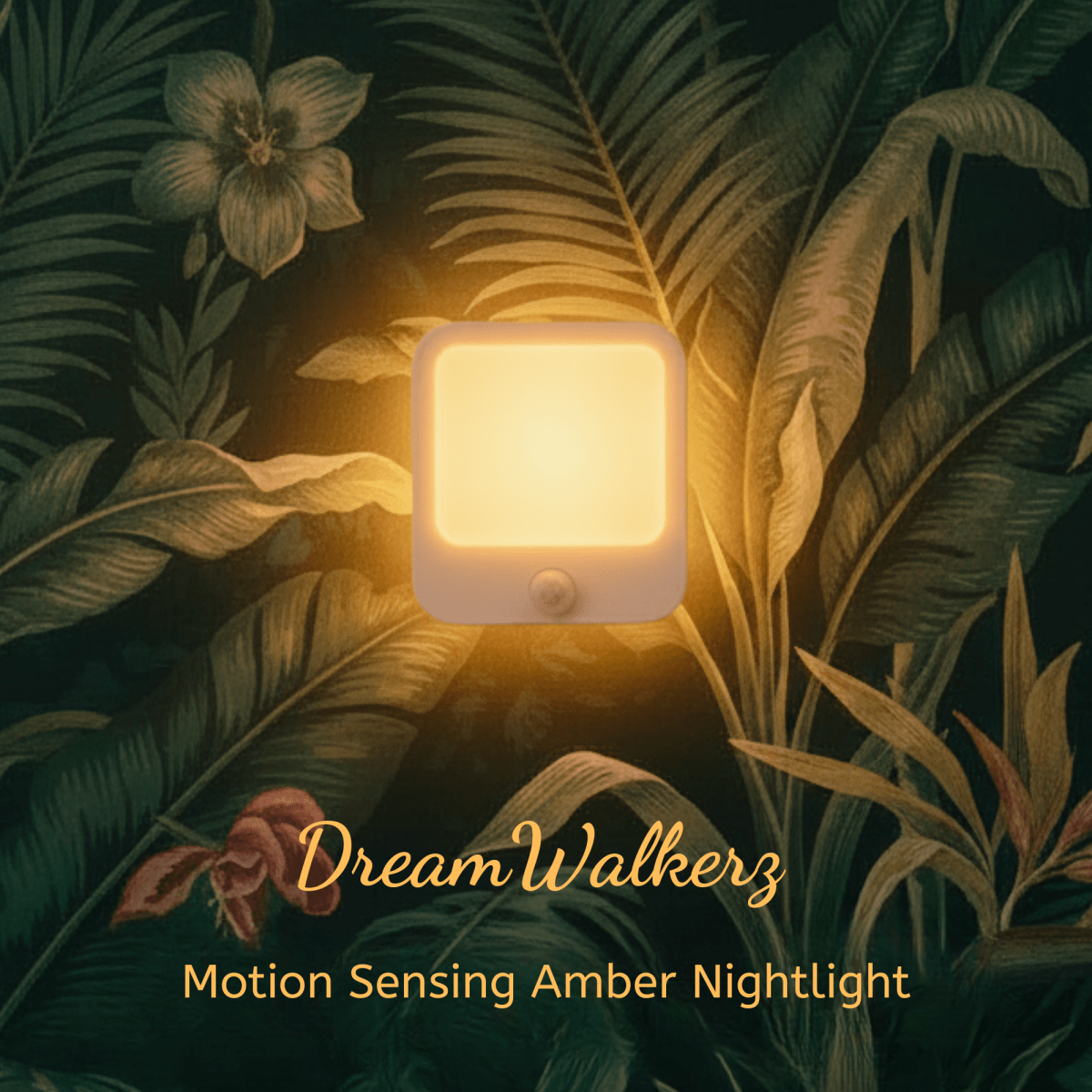
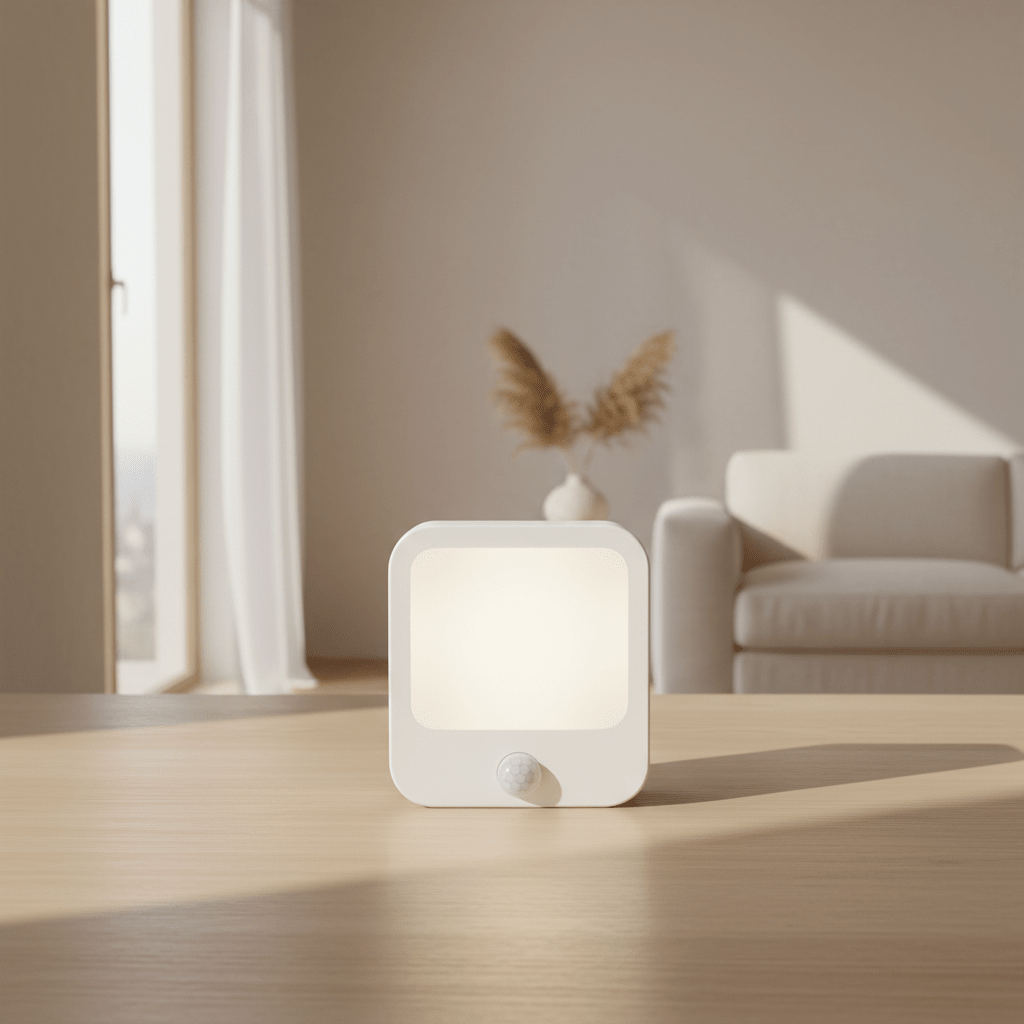
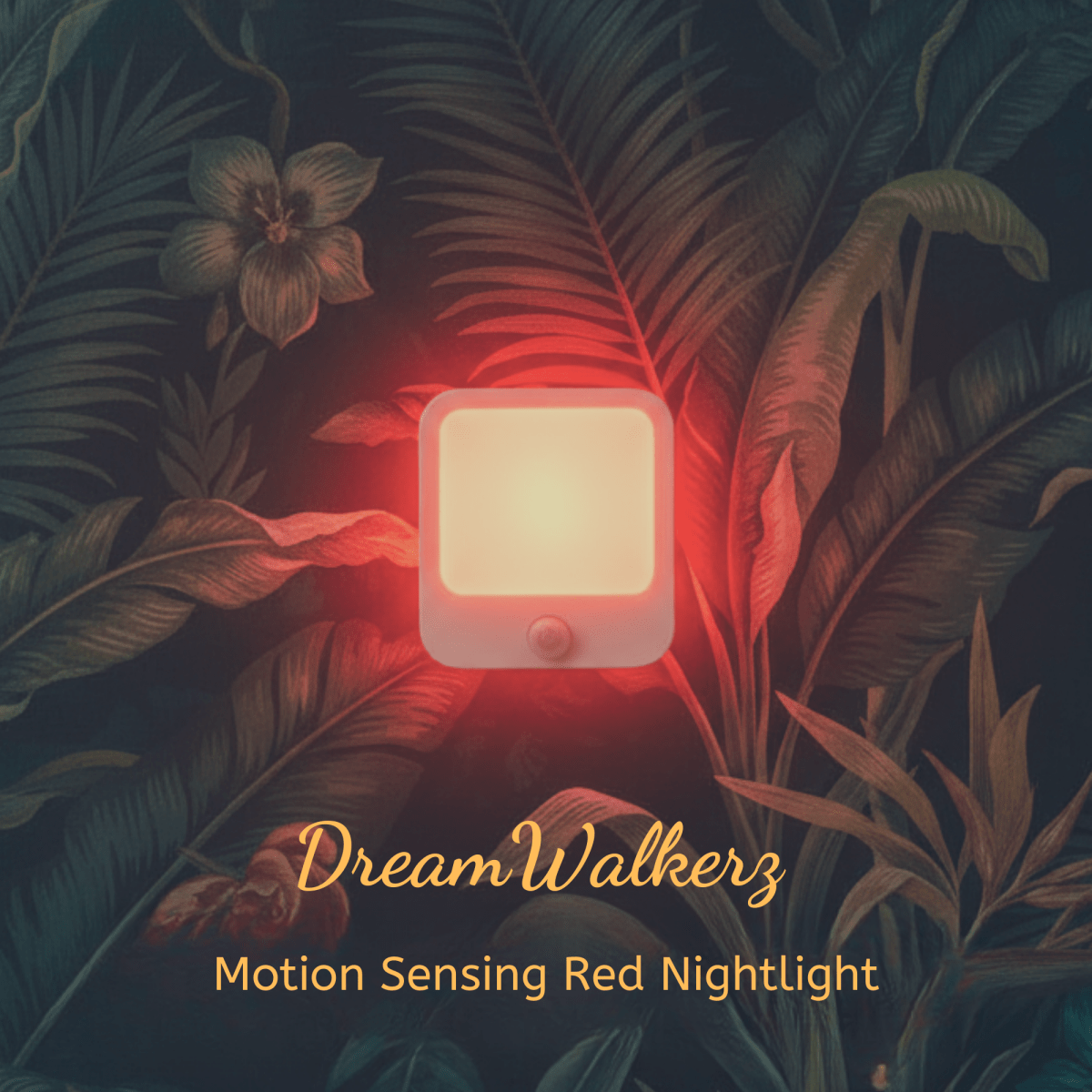
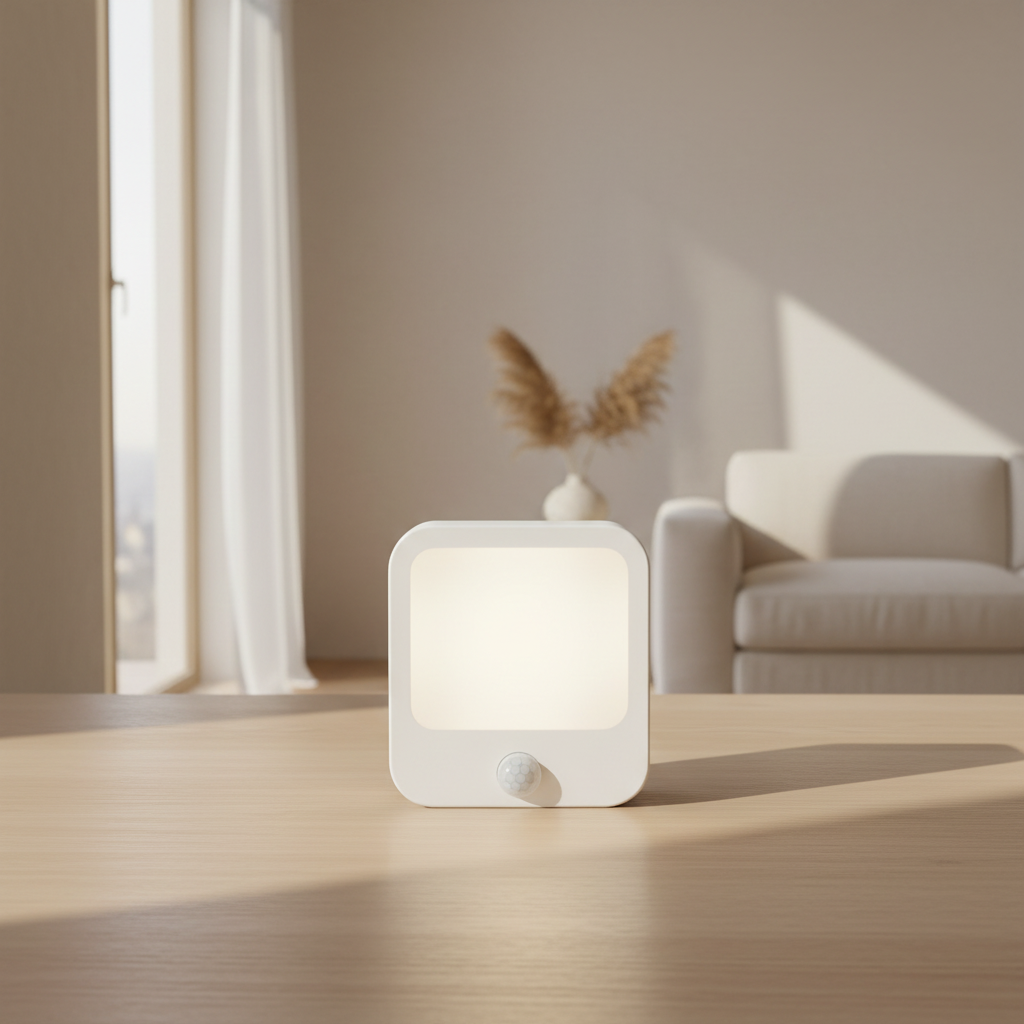
Estrategia de baño nocturno: Usa luces nocturnas rojas tenues si necesitas moverte por la noche, evitando las luces brillantes del techo.
Consideraciones especiales para la vida moderna
Trabajo por turnos y horarios irregulares
Si tu horario requiere estar despierto por la noche, la exposición estratégica a la luz se vuelve aún más crítica. La luz brillante durante tus horas activas (incluso si es de noche) y la oscuridad total durante tu período de sueño (incluso si es de día) ayudan a mantener la alineación circadiana con tu horario.
Variaciones estacionales
Los meses de invierno con menos horas de luz diurna y horas de amanecer más tardías desafían el mantenimiento circadiano. Los dispositivos de terapia de luz se vuelven particularmente valiosos durante estos meses, proporcionando la señal de luz matutina que tu cuerpo necesita independientemente de las condiciones exteriores.
Viajes y desfase horario
La exposición estratégica a la luz representa la herramienta más efectiva para adaptarse a nuevas zonas horarias. Busca luz brillante durante las horas de la mañana de la zona horaria de tu destino mientras evitas la luz por la noche para acelerar la adaptación circadiana.
Medición de tu salud circadiana
Varios indicadores sugieren una fuerte alineación circadiana:
- Despertares naturales consistentes sin despertadores
- Patrones de energía predecibles durante el día
- Inicio de somnolencia a horas consistentes por la noche
- Conciliar el sueño en 15-20 minutos después de acostarse
- Despertar sintiéndose renovado y alerta
- Estado de ánimo estable y rendimiento cognitivo
Si experimentas patrones de sueño irregulares, niveles de energía impredecibles o dificultad para conciliar el sueño a pesar de la fatiga, la desalineación circadiana puede estar contribuyendo.
La base del bienestar
Tu ritmo circadiano influye en prácticamente todos los aspectos de la salud, desde la reparación celular y la producción de hormonas hasta la función inmunológica y el rendimiento cognitivo. La sincronización de la luz representa la herramienta más poderosa para optimizar este sistema regulador maestro.
Al alinear tu exposición a la luz con los patrones naturales, priorizando la luminosidad matutina, manteniendo los niveles de luz diurna y reduciendo la exposición nocturna, creas las condiciones para una sólida salud circadiana. Esta base apoya un mejor sueño, energía sostenida, mejor estado de ánimo y bienestar a largo plazo.
Comprender tu ritmo circadiano no se trata de la perfección. Se trata de conciencia y prácticas consistentes que honran la sincronización biológica innata de tu cuerpo. Pequeños ajustes en los patrones de exposición a la luz pueden producir mejoras profundas en cómo te sientes y funcionas cada día.
Optimiza tu ritmo circadiano a través de una sincronización estratégica de la luz para un mejor sueño, energía sostenida y bienestar integral.