

Frequently Asked Questions About the SunCycle 3-Mode Circadian Bulb
WHY SHOULD I USE RED OR AMBER LIGHTS AT NIGHT?
Red and amber light are better at night because they’re designed to avoid the blue-heavy wavelengths that can keep your brain in “day mode.” That helps your body wind down naturally and supports deeper, more restorative sleep.
After dark, bright white/blue lighting can fight your natural circadian rhythm—especially when you’re scrolling, watching TV, or under overhead LEDs. Red and amber lighting is closer to the warm spectrum your body associates with nighttime (think firelight), so you can relax, read, or move around your home without feeling overstimulated.
After dark, bright white/blue lighting can fight your natural circadian rhythm—especially when you’re scrolling, watching TV, or under overhead LEDs. Red and amber lighting is closer to the warm spectrum your body associates with nighttime (think firelight), so you can relax, read, or move around your home without feeling overstimulated.
HOW ARE RED AND AMBER LIGHTS DIFFERENT?
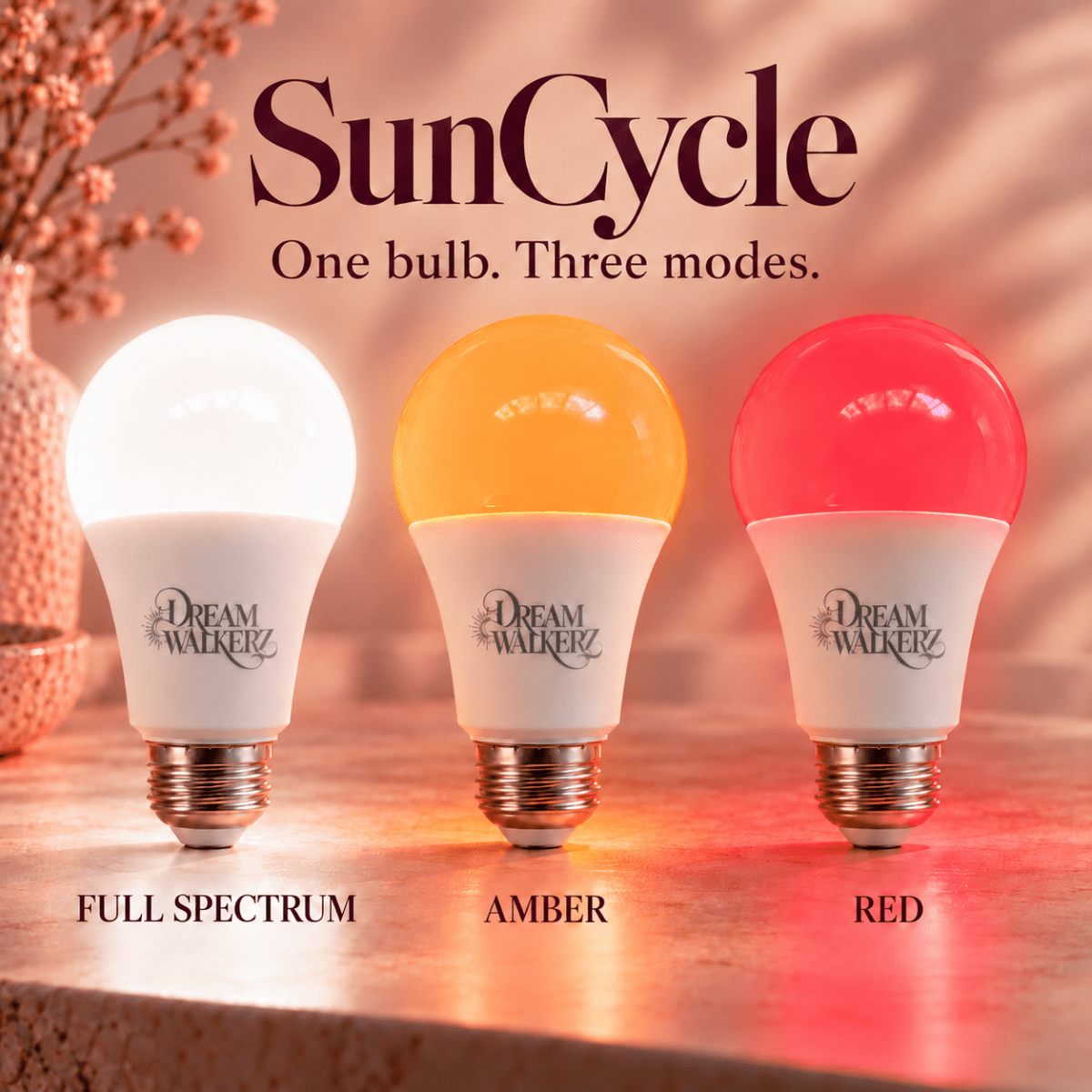
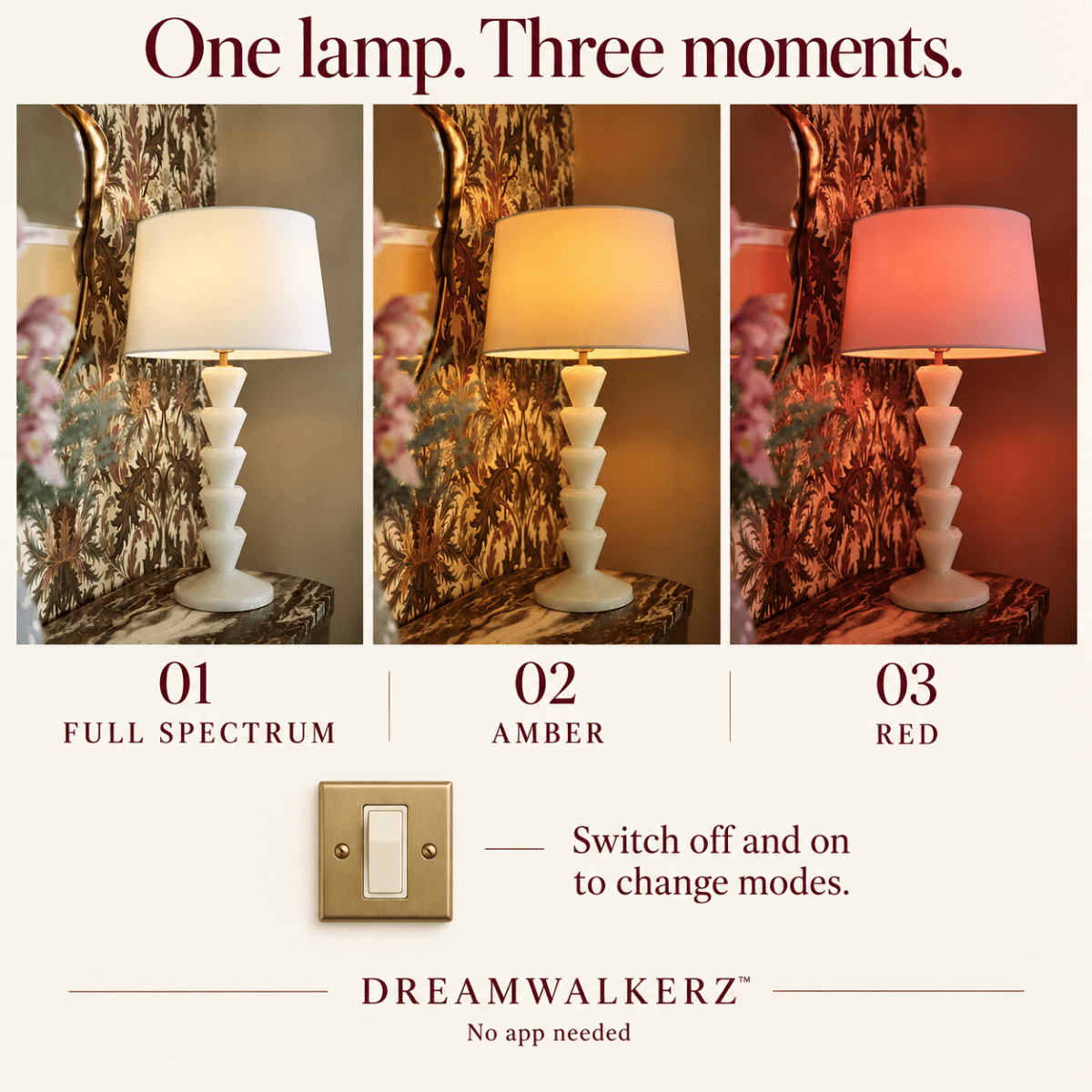
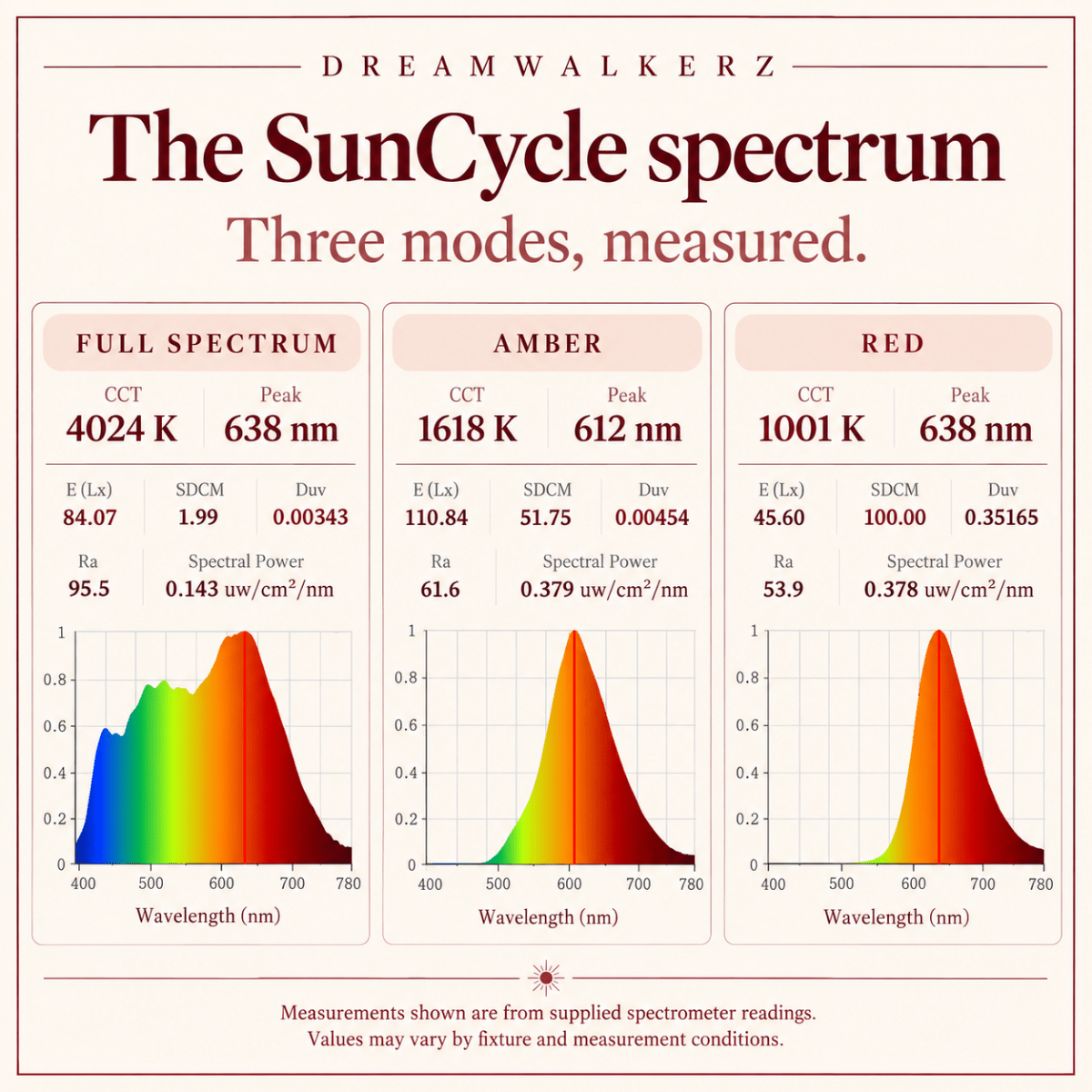
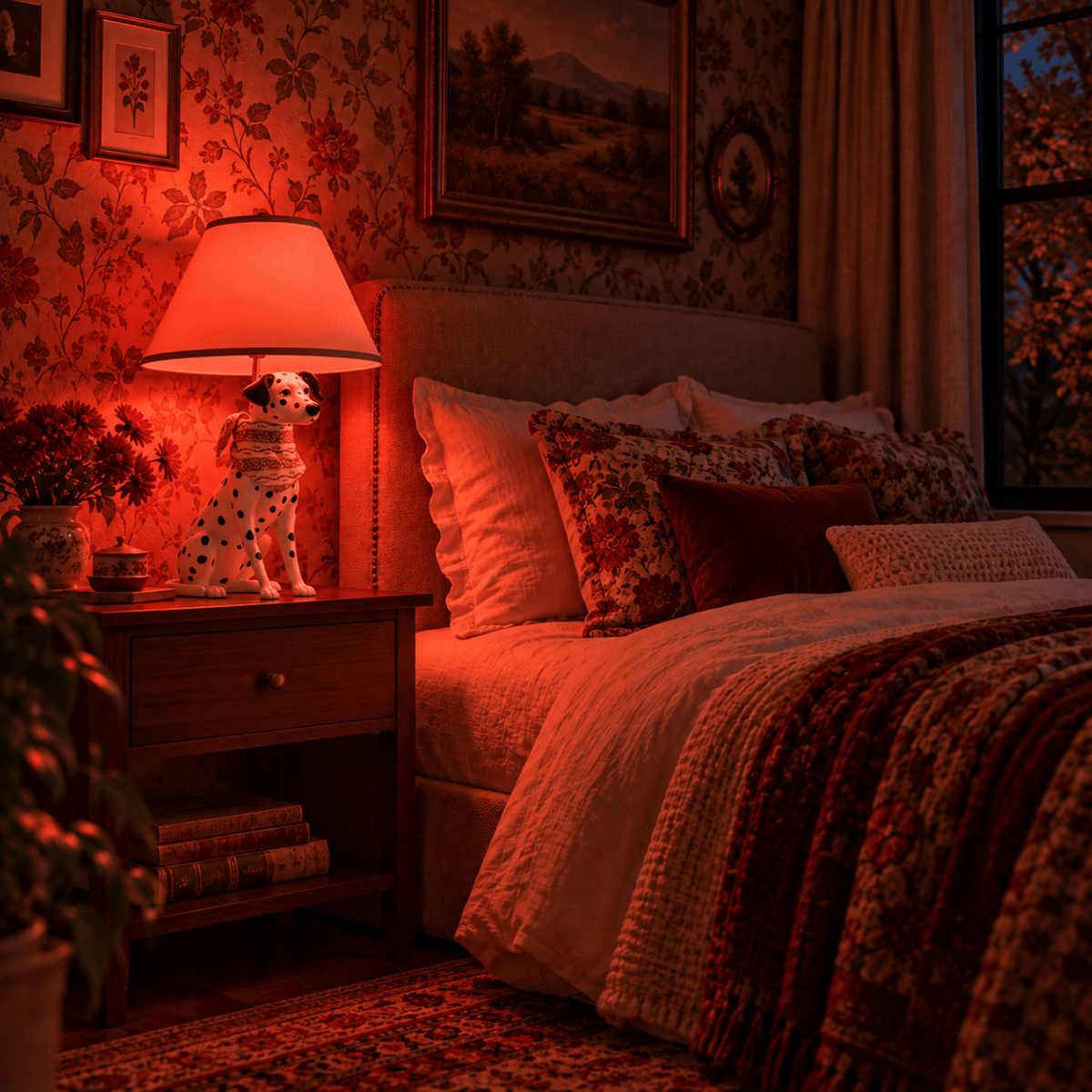
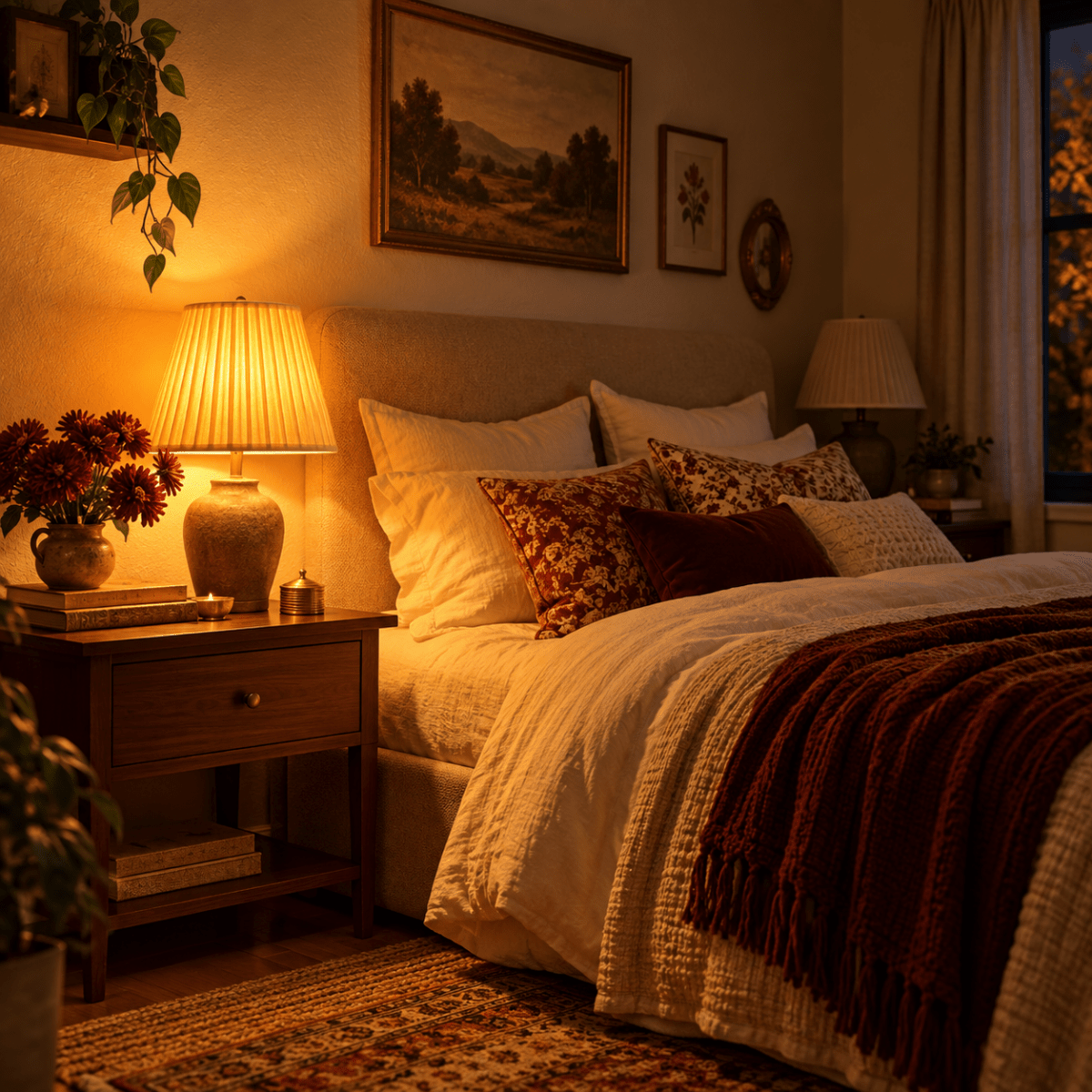
Amber light is ideal for evening wind-down and reading, while red light is best for late-night “sleep sanctuary” lighting. Red typically blocks more of the blue/green range than amber, so it’s the calmer option when you’re very light-sensitive.
If you want cozy, usable visibility for nighttime routines, amber is usually the go-to. If you wake up easily, have trouble falling back asleep, or want the most sleep-protective environment (nursery, bathroom trips, middle-of-the-night moments), red is the better choice.
If you want cozy, usable visibility for nighttime routines, amber is usually the go-to. If you wake up easily, have trouble falling back asleep, or want the most sleep-protective environment (nursery, bathroom trips, middle-of-the-night moments), red is the better choice.
WHERE SHOULD I USE THESE LIGHTS IN MY HOME?
Use red and amber light anywhere you need nighttime visibility without blasting yourself with harsh overhead lighting—especially bedrooms, bathrooms, hallways, and bedside lamps. These are the spots where “just flipping on the light” can be most disruptive to sleep.
For the SunCycle bulb specifically, start where you’re most likely to turn lights on after dark: bathroom fixtures, bedside lamps, hallways, and bedroom overhead lights. The goal is simple—make your nighttime lighting calmer so you can stay sleepy while still seeing clearly and moving safely.
For the SunCycle bulb specifically, start where you’re most likely to turn lights on after dark: bathroom fixtures, bedside lamps, hallways, and bedroom overhead lights. The goal is simple—make your nighttime lighting calmer so you can stay sleepy while still seeing clearly and moving safely.
DO I STILL NEED TO WEAR BLUE LIGHT BLOCKING GLASSES IF I USE RED OR AMBER LIGHTS?
If your space is fully lit with red or amber light at night, you may not need blue light glasses at home. But if you’re exposed to screens or bright white lighting elsewhere, glasses can still be useful.
Think of red/amber lighting as your “environment fix,” and glasses as your “portable backup.” Many people do both: sleep-friendly lighting at home, and glasses when they can’t control the lighting (late-night screens, travel, restaurants, airports).
Think of red/amber lighting as your “environment fix,” and glasses as your “portable backup.” Many people do both: sleep-friendly lighting at home, and glasses when they can’t control the lighting (late-night screens, travel, restaurants, airports).
ARE THESE SAFE FOR KIDS AND BABIES?
Yes - red and amber lighting is a gentler nighttime option for kids and babies because it avoids the harsh “wake-up” effect of bright white/blue light. It can make bedtime routines and middle-of-the-night wakeups feel calmer.
Children’s eyes can be especially sensitive to bright, blue-heavy light at night. Red/amber lighting helps keep the room soothing for feedings, diaper changes, bathroom trips, and getting back to sleep—without turning the whole house into daytime.
Children’s eyes can be especially sensitive to bright, blue-heavy light at night. Red/amber lighting helps keep the room soothing for feedings, diaper changes, bathroom trips, and getting back to sleep—without turning the whole house into daytime.
DO THESE FIT IN REGULAR LIGHT FIXTURES?
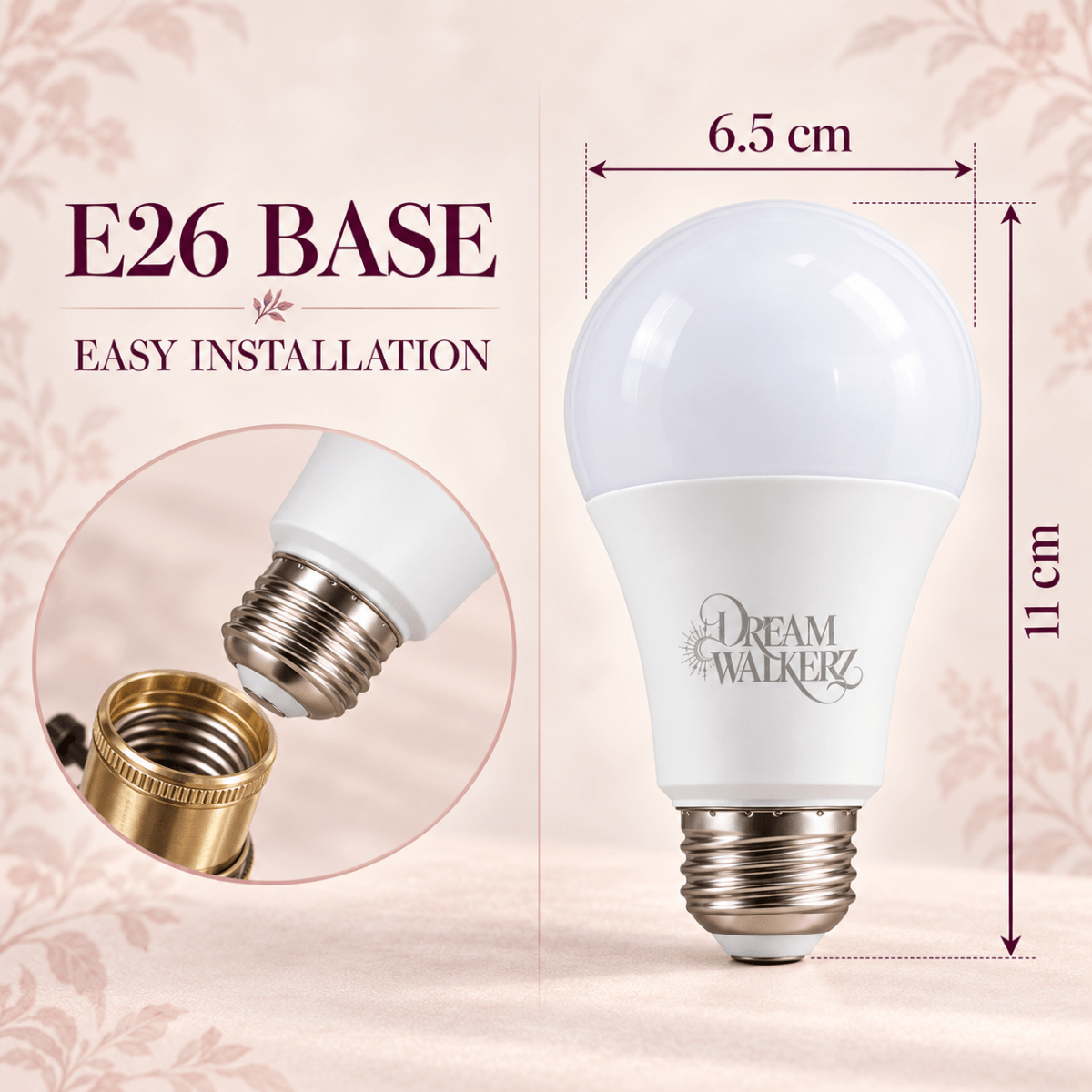
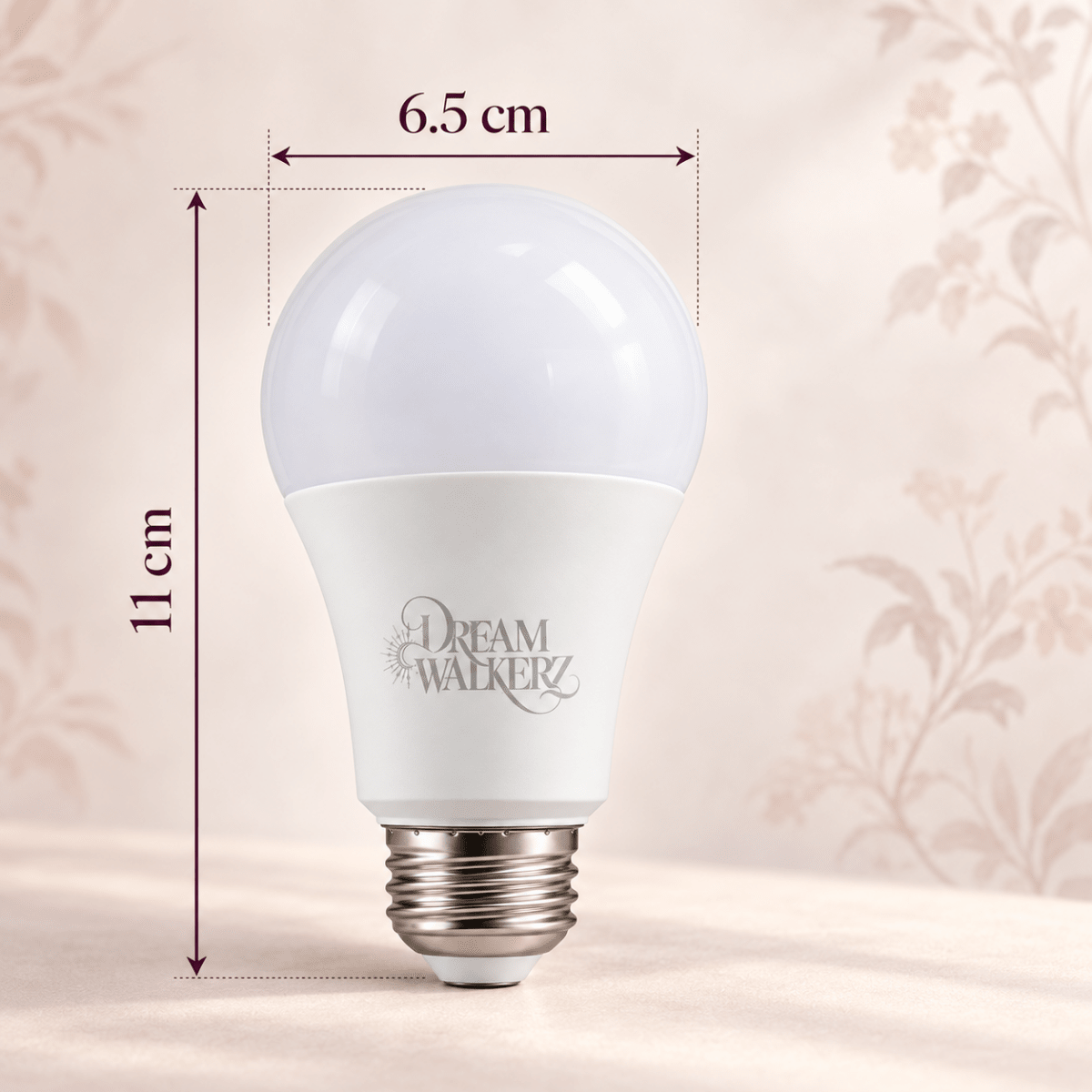
Yes. The SunCycle bulb fits standard E26 sockets, so it works in most common lamps and household fixtures.
No adapters, special equipment, or complicated setup—just screw it in like a normal bulb. It’s designed to be an easy swap that instantly makes your nighttime lighting more sleep-friendly.
No adapters, special equipment, or complicated setup—just screw it in like a normal bulb. It’s designed to be an easy swap that instantly makes your nighttime lighting more sleep-friendly.
ARE THESE LIGHTS BRIGHT ENOUGH TO SEE?
Yes—these lights are made for real-life visibility, not “dim mood lighting.” You can comfortably use them for nighttime routines without the harsh glare that can make you feel more awake.
Amber is typically bright enough for reading and evening activities, while red is intentionally calmer for late-night use when you want to stay sleepy. The point is practical clarity without triggering that “wake-up mode” feeling.
Amber is typically bright enough for reading and evening activities, while red is intentionally calmer for late-night use when you want to stay sleepy. The point is practical clarity without triggering that “wake-up mode” feeling.


