The Ritual Edit: AAPI Founders in Fragrance and Scent
Scent is one of the oldest wellness tools in existence. Long before the modern wellness industry existed, fragrance was used across South Asian, East Asian, and Pacific cultures for ritual, medicine, and ceremony. The brands in this edit are founded by AAPI entrepreneurs who carry that knowledge forward, each in a distinct way.
This is not a roundup of incense brands. It is a guide to three different approaches to scent as practice: fine fragrance as cultural memory, incense as emotional intention-setting, and candles as a conditioned cue for mental state. Together they cover a meaningful spectrum of what a scent-based wellness practice can look like.

TANAÏS: Fragrance as Cultural Memory
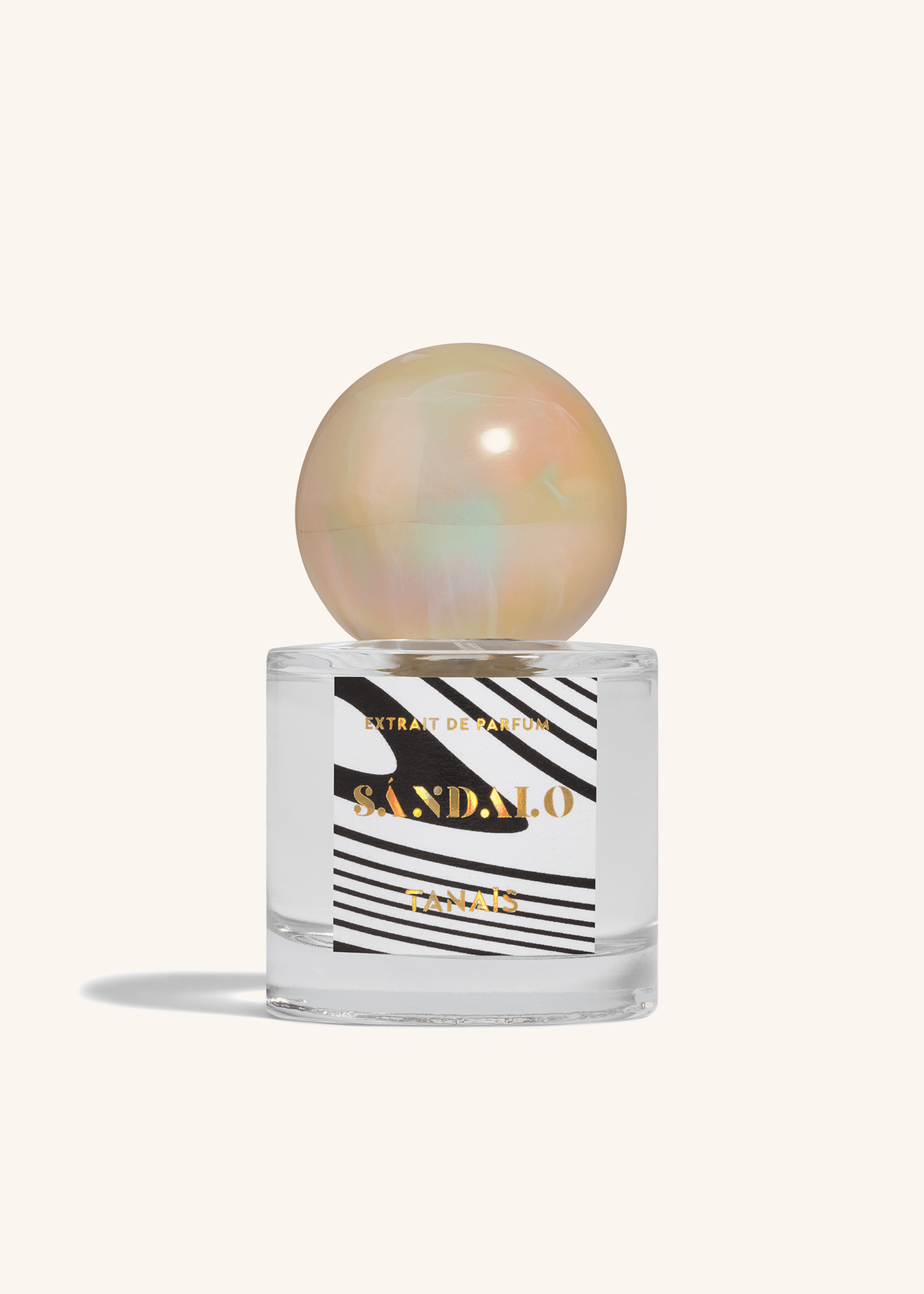
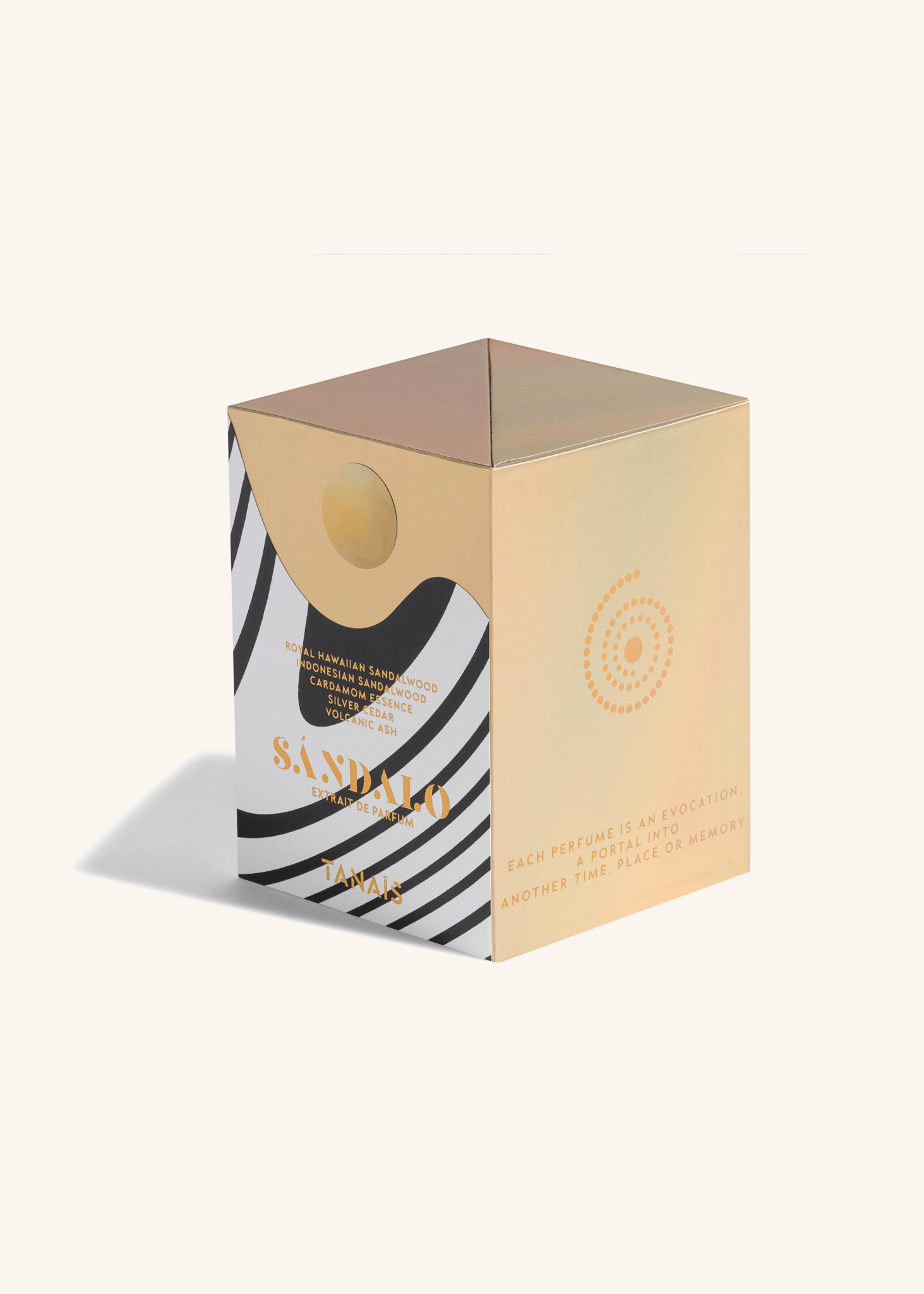
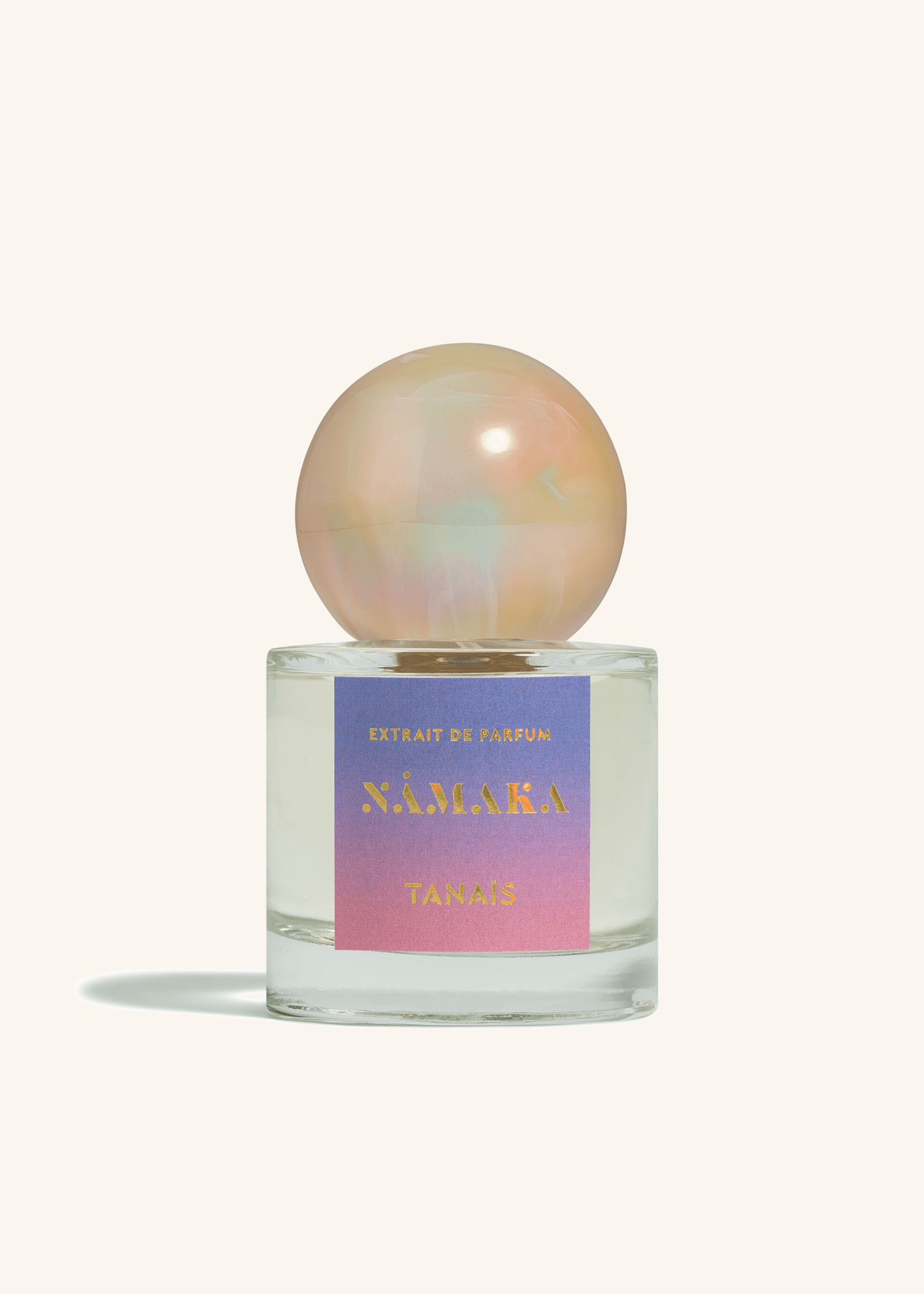
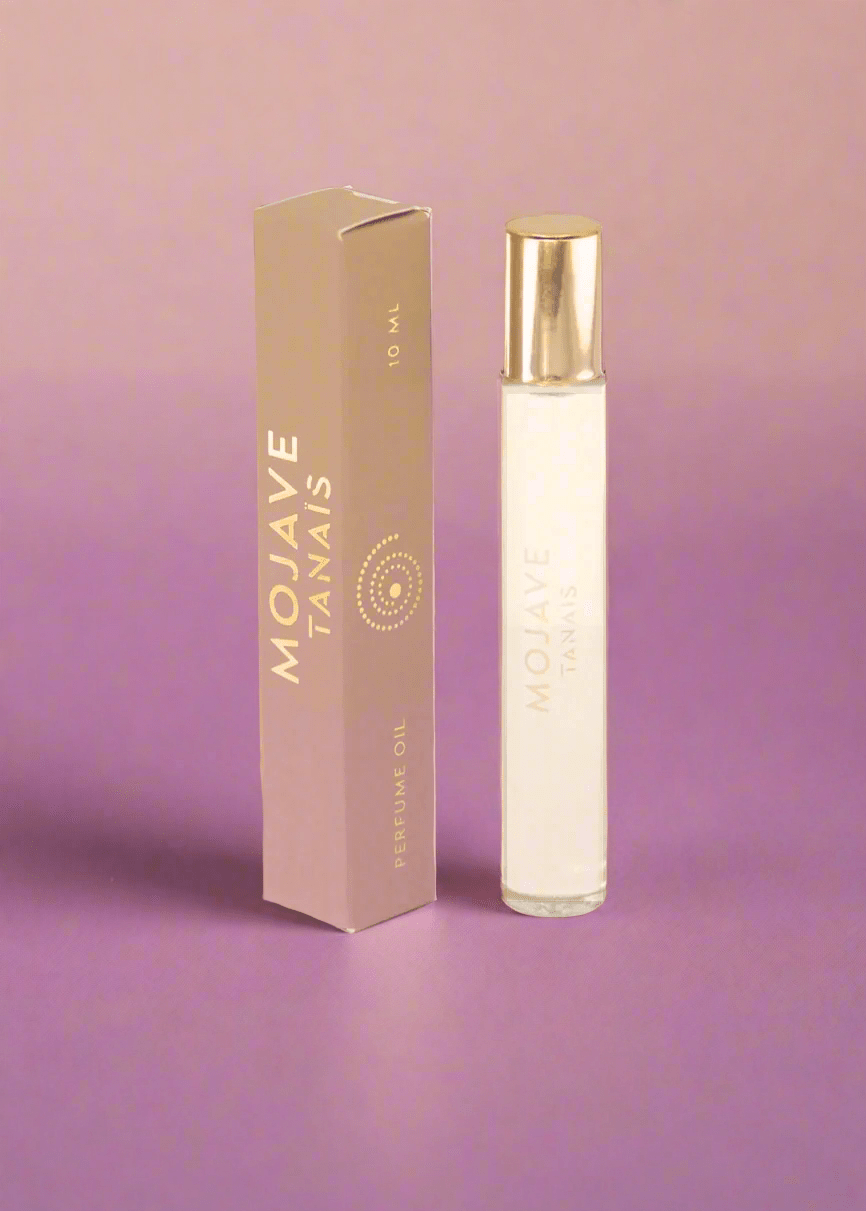
TANAÏS is an indie fragrance house founded by Tanwi Nandini Islam, a Bangladeshi American author and perfumer based in Brooklyn. Every scent in the collection is drawn from lived experience: monsoon clay from the Ganges River, temple flower garlands in New Delhi, the high desert air of Joshua Tree, the salted winds of the Pacific. Fragrance, for TANAÏS, is a form of memoir.
The line is produced at extrait de parfum concentration, the most potent and long-lasting format available. A single application typically lasts 8 to 12 hours on skin.
Where to start:
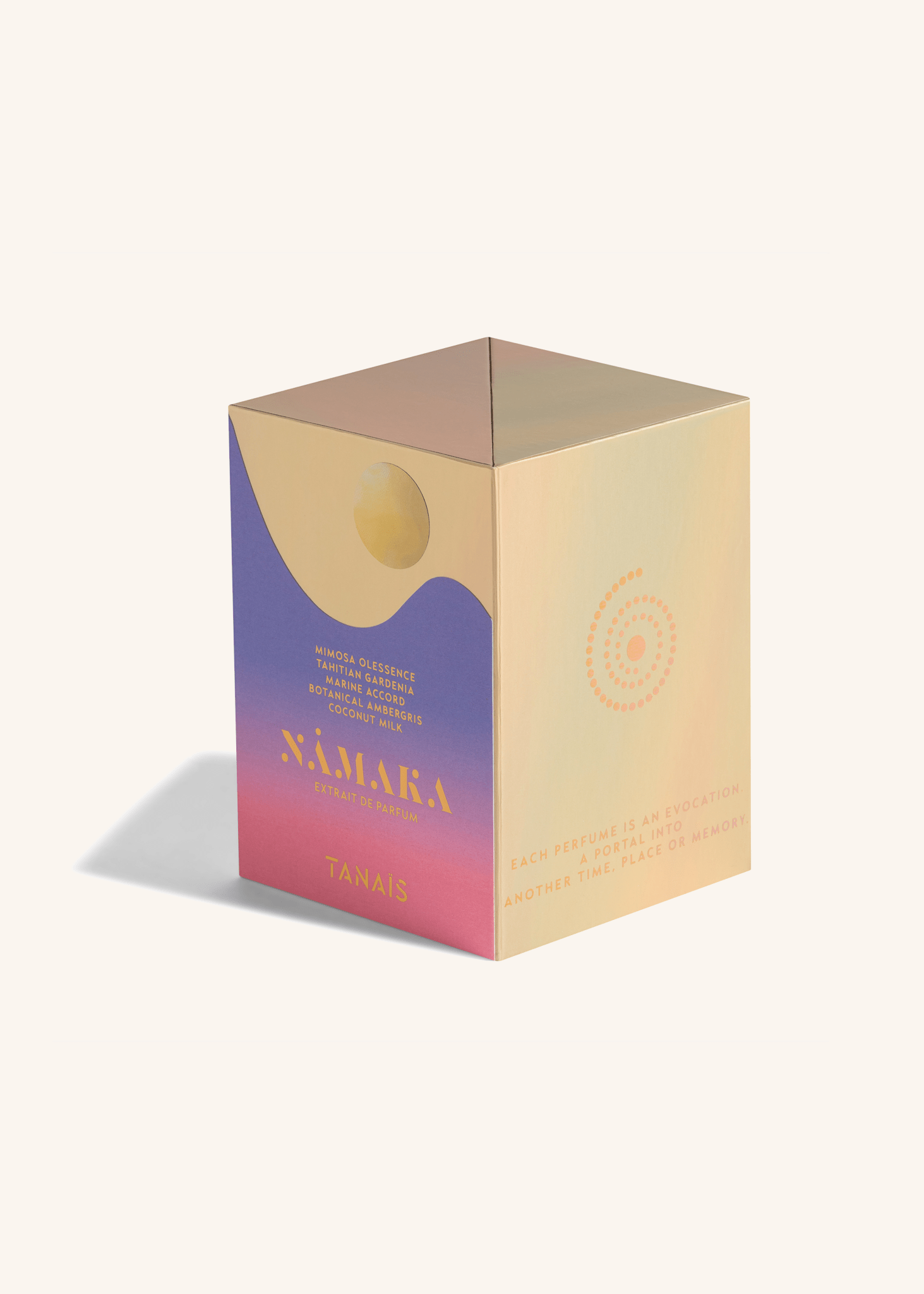
- NÅMAKA Extrait de Parfum ($150): the brand's best-selling scent. Tiare flowers, coconut milk, jasmine sambac, and botanical ambergris. The most accessible entry point.
- MATÍ Extrait de Parfum ($150): monsoon clay, rose, sea salt, and betel leaf. A homeland scent. Featured in Vogue.
- HEART CHAKRA Extrait de Parfum ($150): cannabis terpenes, tuberose, jasmine, ginger, and pandan. The most complex scent in the collection.
Perfume oils are available at $75 for those who want to start with a lower commitment.

Looshi: Incense as Intention
Looshi maps each incense scent to a specific emotional state. Calm for wind-down rituals. Clarify for deep work. Create for creative sessions. Rewild for grounding. The sticks are hand-rolled by women artisans using a charcoal-free paste, burning clean for approximately 45 minutes each.
Where TANAÏS is about memory and identity, Looshi is about function. The two approaches are complementary: one for wearing on the body, one for filling a space with intention.
Where to start:
- Calm ($25.97): vanilla, amber, and labdanum. The best entry point for a sleep or meditation practice.
- Clarify ($25.97): saffron, jasmine, and sandalwood. For focus and deep work.
- Wave of Senses Holder ($26): the minimal ceramic tray designed to pair with the sticks.
For the full brand story, see: Meet Looshi: The Artisan Incense Brand Redefining Home Ritual.

Caftari: Scent as a Conditioned Cue
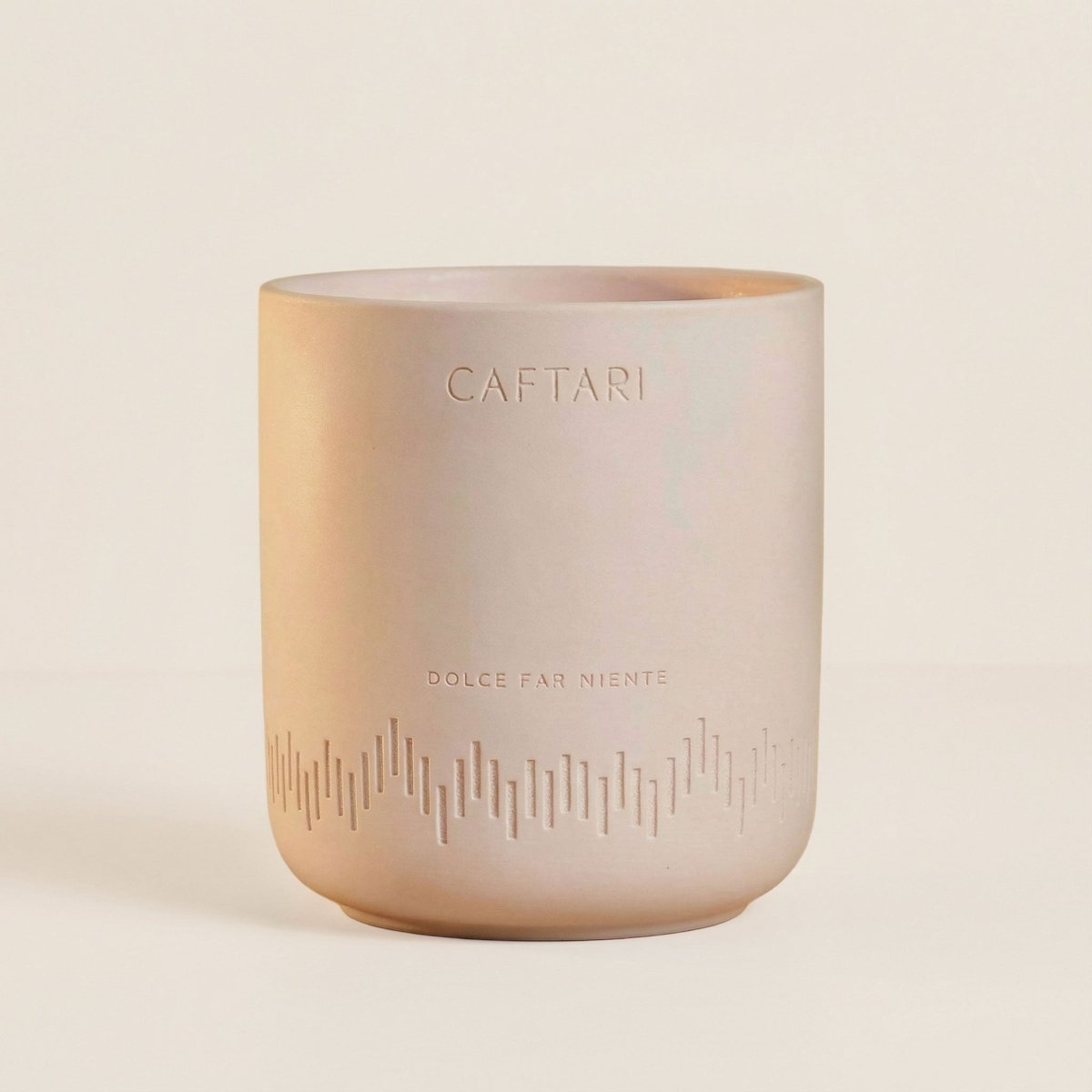
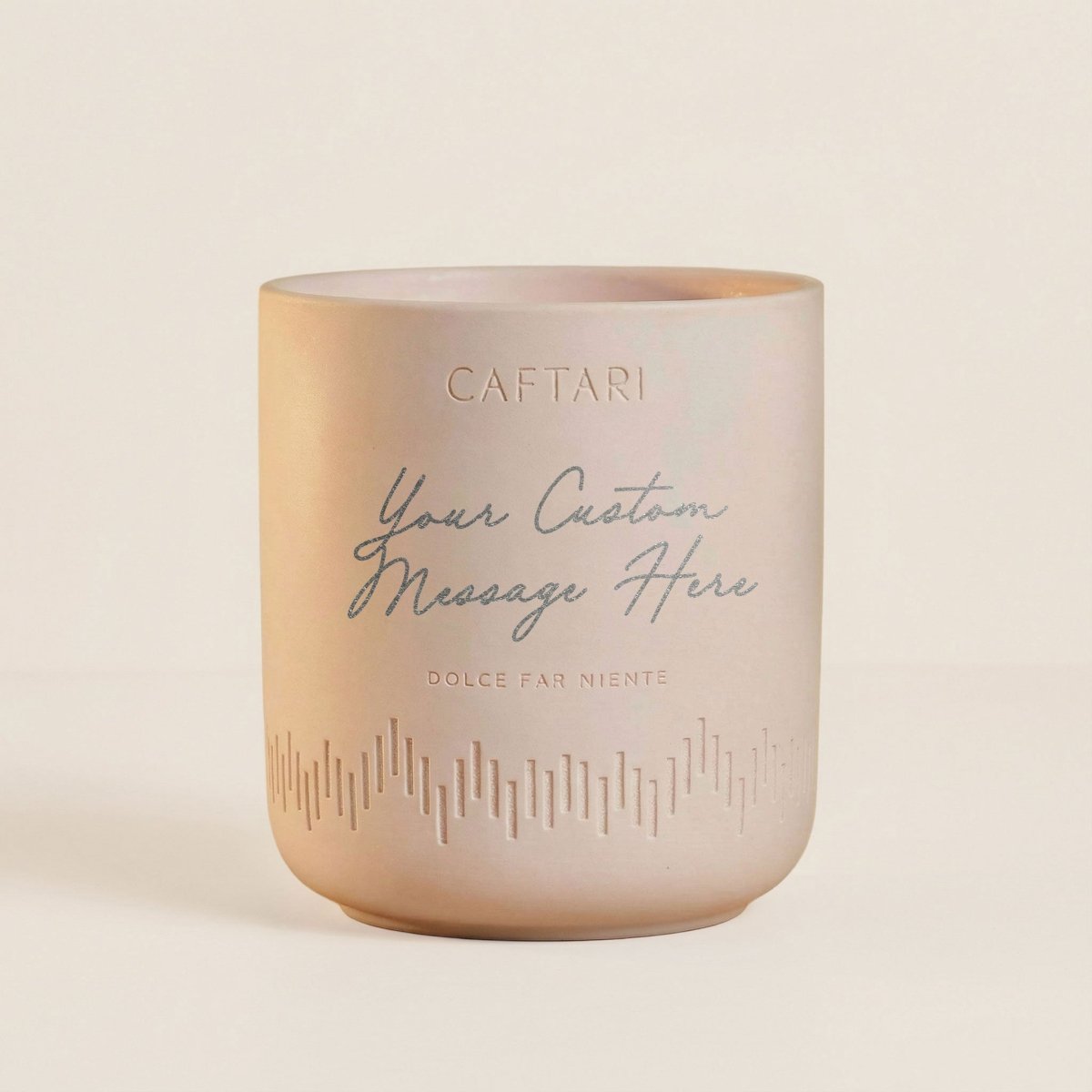
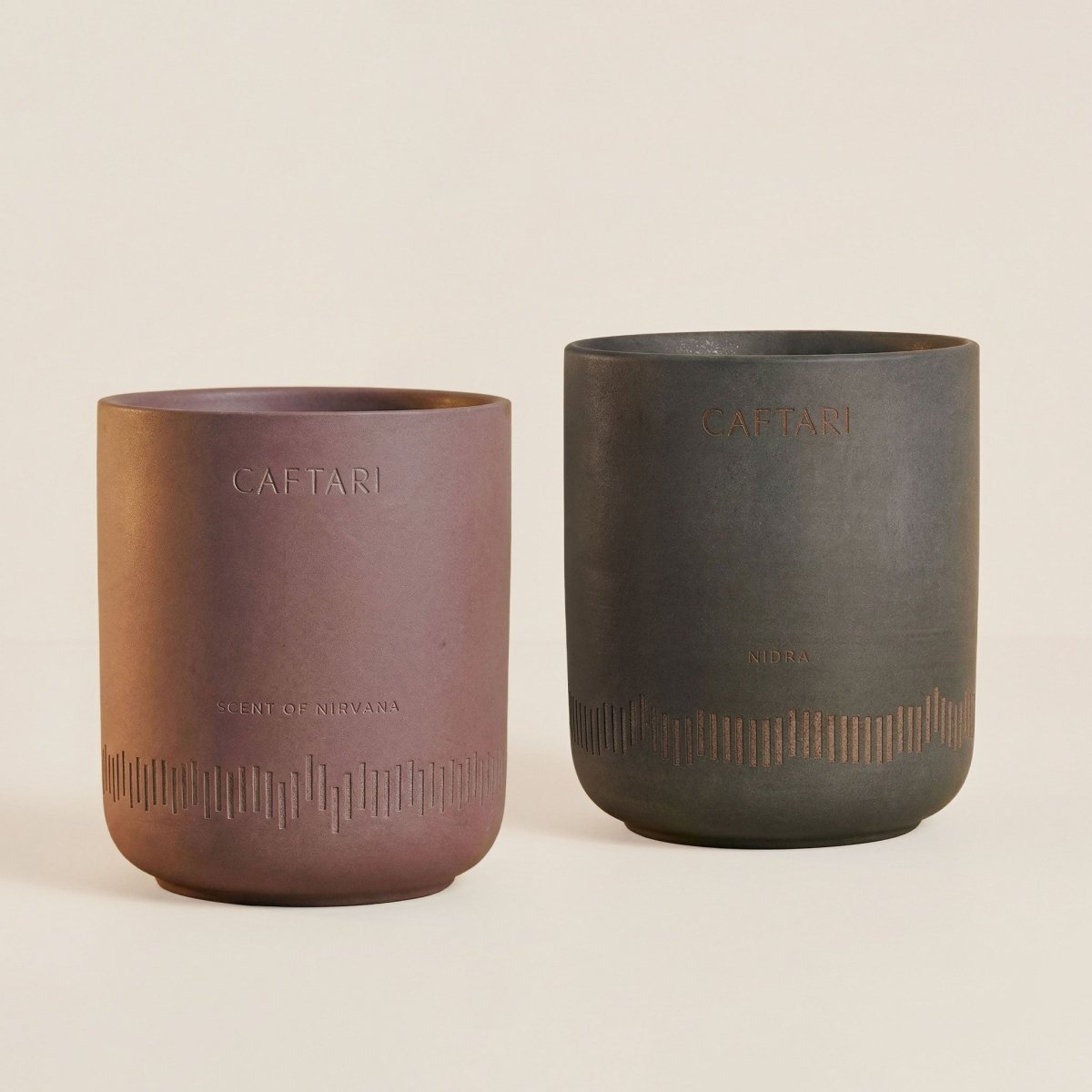
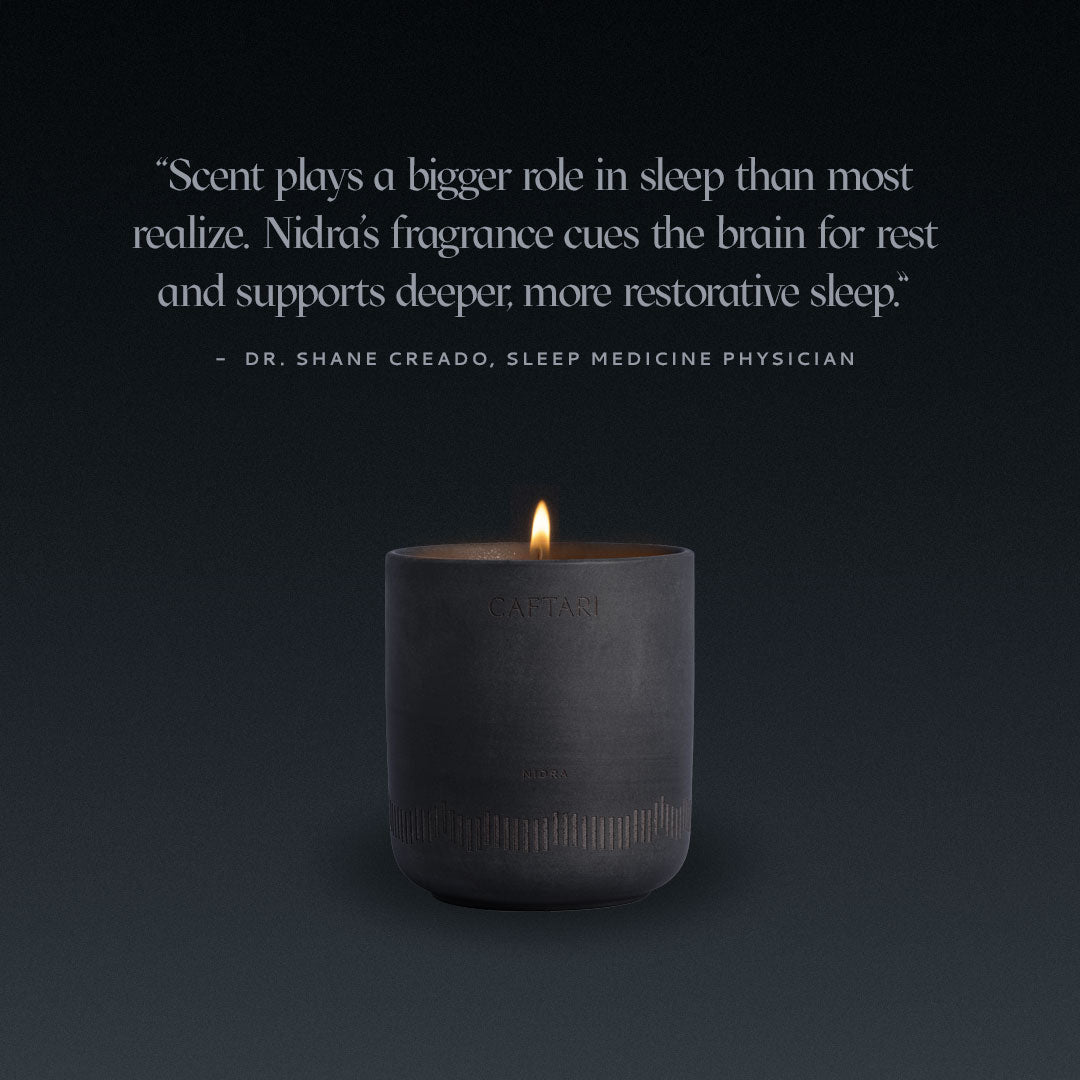
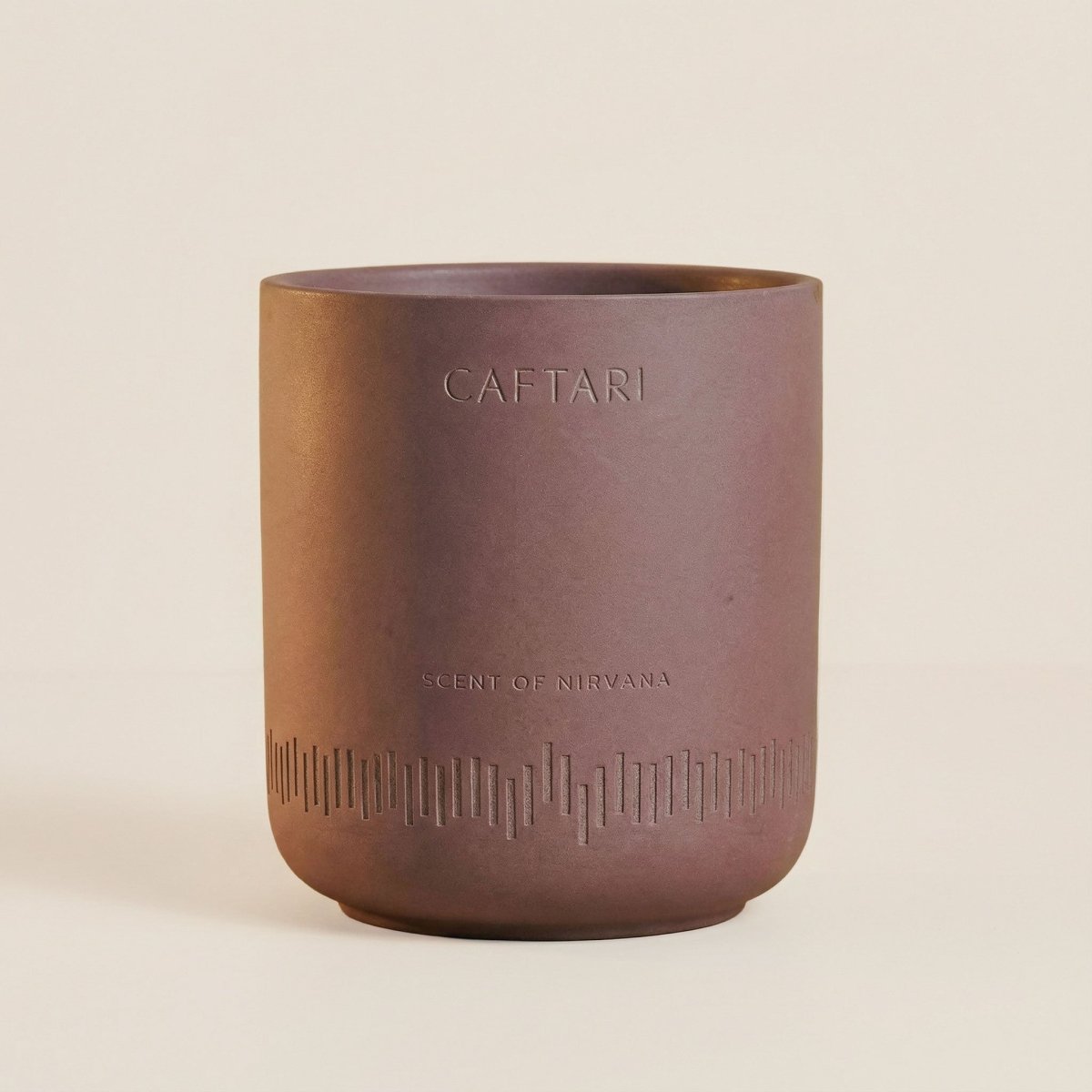
Caftari approaches candles from a neuroscience angle. The brand's Nidra candle is formulated in consultation with a neuroscientist specifically for restorative sleep. Scent of Nirvana is designed for meditation and focus. The underlying principle is that scent works through association: the more consistently you pair a specific candle with a specific state, the more reliably that candle will help you access that state over time.
Caftari is the most functional brand in this edit. Where TANAÏS is worn and Looshi is burned with intention, Caftari is the brand you reach for when you want the scent to do a specific job.
Where to start:
- Nidra ($58): neuroscientist-verified sleep candle. The most functional product in the range.
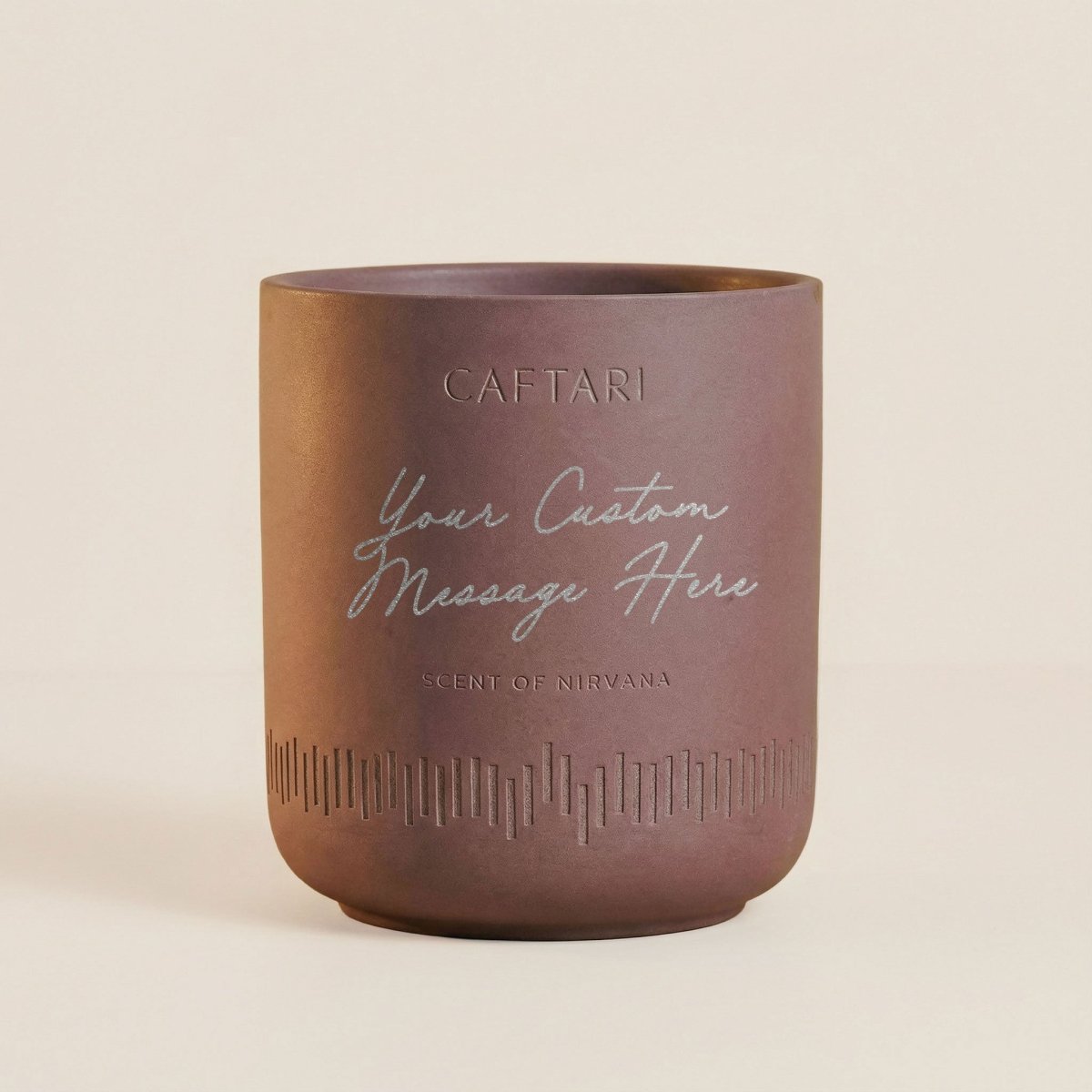
- Scent of Nirvana ($48): the signature meditation candle.
- Evening Ritual Bundle: Scent of Nirvana and Nidra together. The most intentional pairing in the catalog.
How to Build a Scent-Based Ritual Practice
A complete scent-based practice does not require all three brands. Start with one and build from there. A practical starting point: choose a Looshi scent for your primary daily ritual (morning focus or evening wind-down), add a Caftari candle for sleep, and layer in TANAÏS when you want to carry the practice with you throughout the day.
Shop the Full Collection
All three brands are part of the AAPI Founders collection at Nanaka. Browse the full range and build the ritual practice that fits your life.
Frequently Asked Questions
What is the difference between incense and extrait de parfum?
Incense is burned to fill a space with scent. Extrait de parfum is applied to the skin and travels with you. Both can be part of a ritual practice, but they serve different functions. Incense is environmental; perfume is personal.
Which brand is best for meditation?
Caftari's Scent of Nirvana is designed specifically for meditation. Looshi's Calm and Clarify are also well-suited for practice.
Can I use multiple brands together?
Yes. TANAÏS on the skin, Looshi burning in the space, and a Caftari candle for the wind-down is a complete layered practice. The scents are designed to complement rather than compete.
Where can I shop all three brands?
All three are available in the AAPI Founders collection at Nanaka.