










Light and sleep
Why use red or amber lights at night?
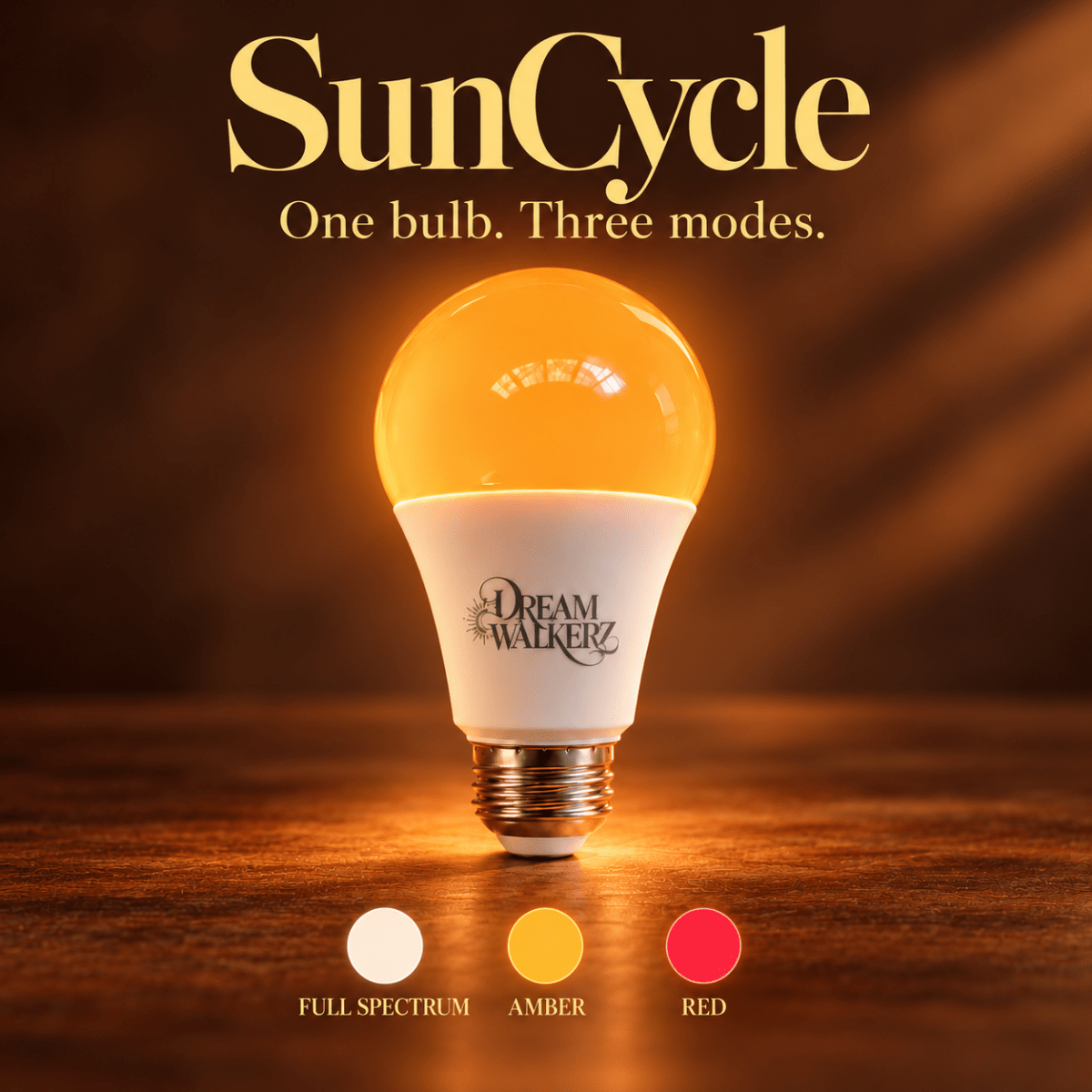
Red and amber lights mimic the natural spectrum of firelight, free of melatonin-disrupting blue wavelengths. That means your body can wind down naturally, produce the melatonin it needs, and enter deep, restorative sleep.
The American Medical Association issued a warning in 2017 about the harm from too much blue light at night.
How are red and amber lights different?
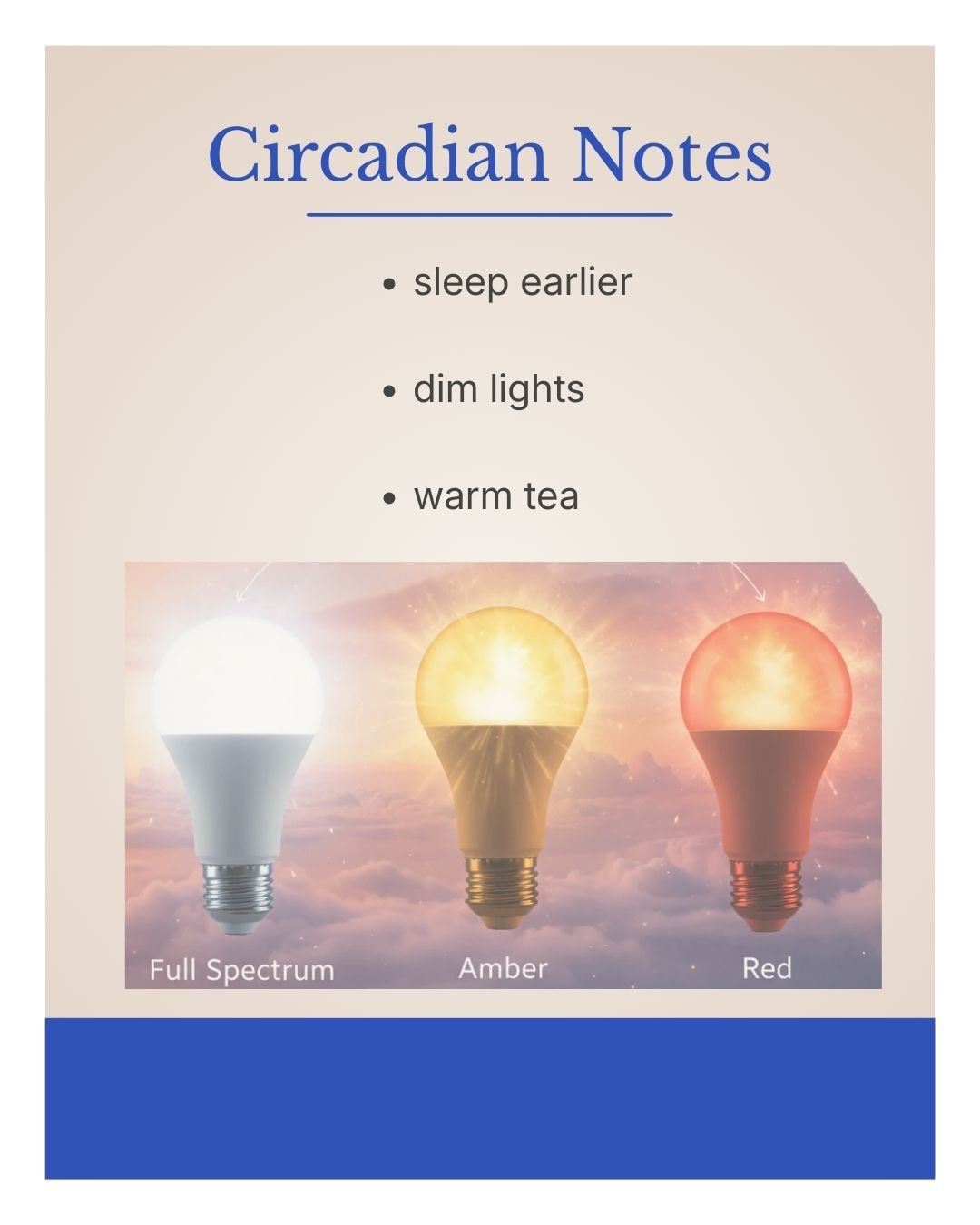
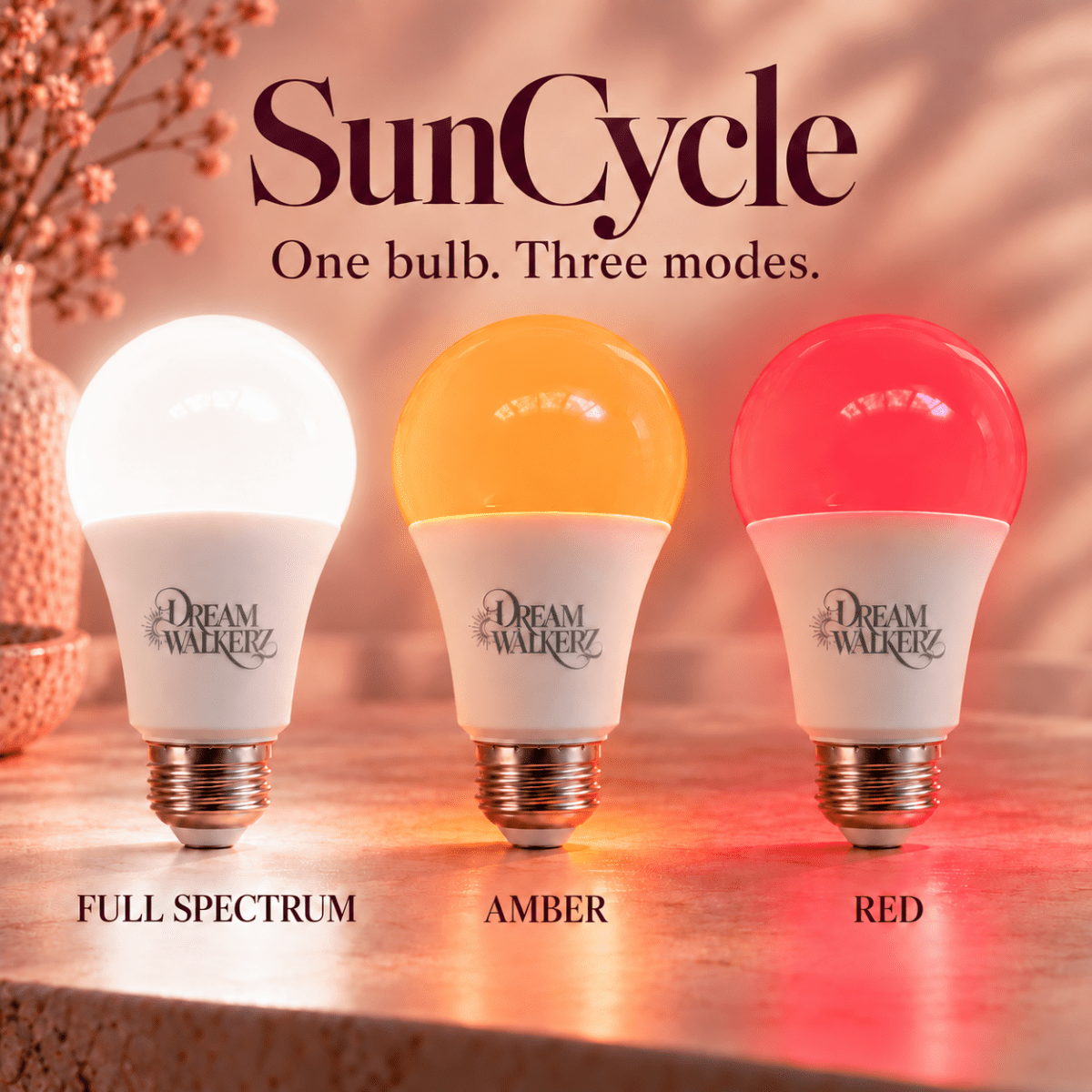
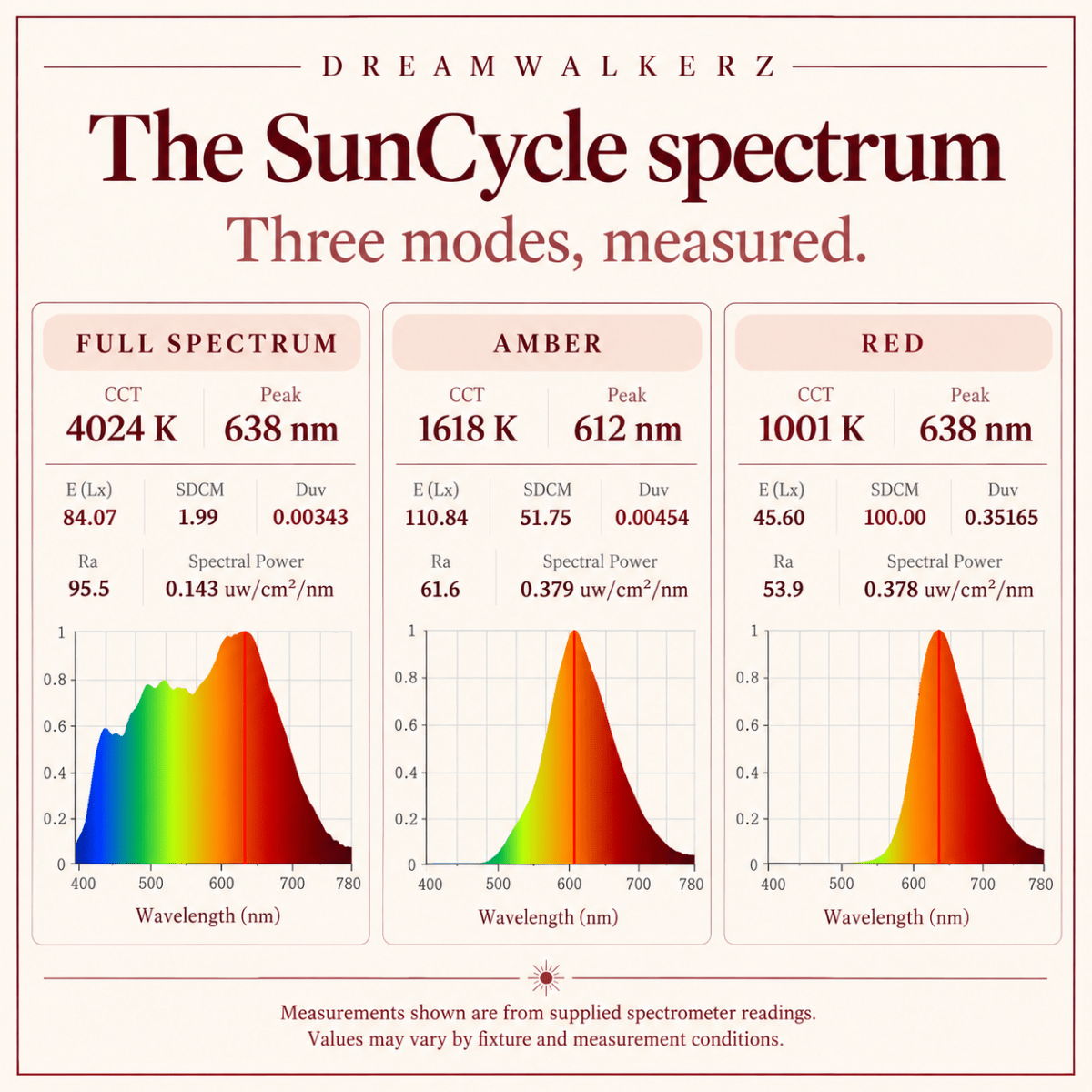
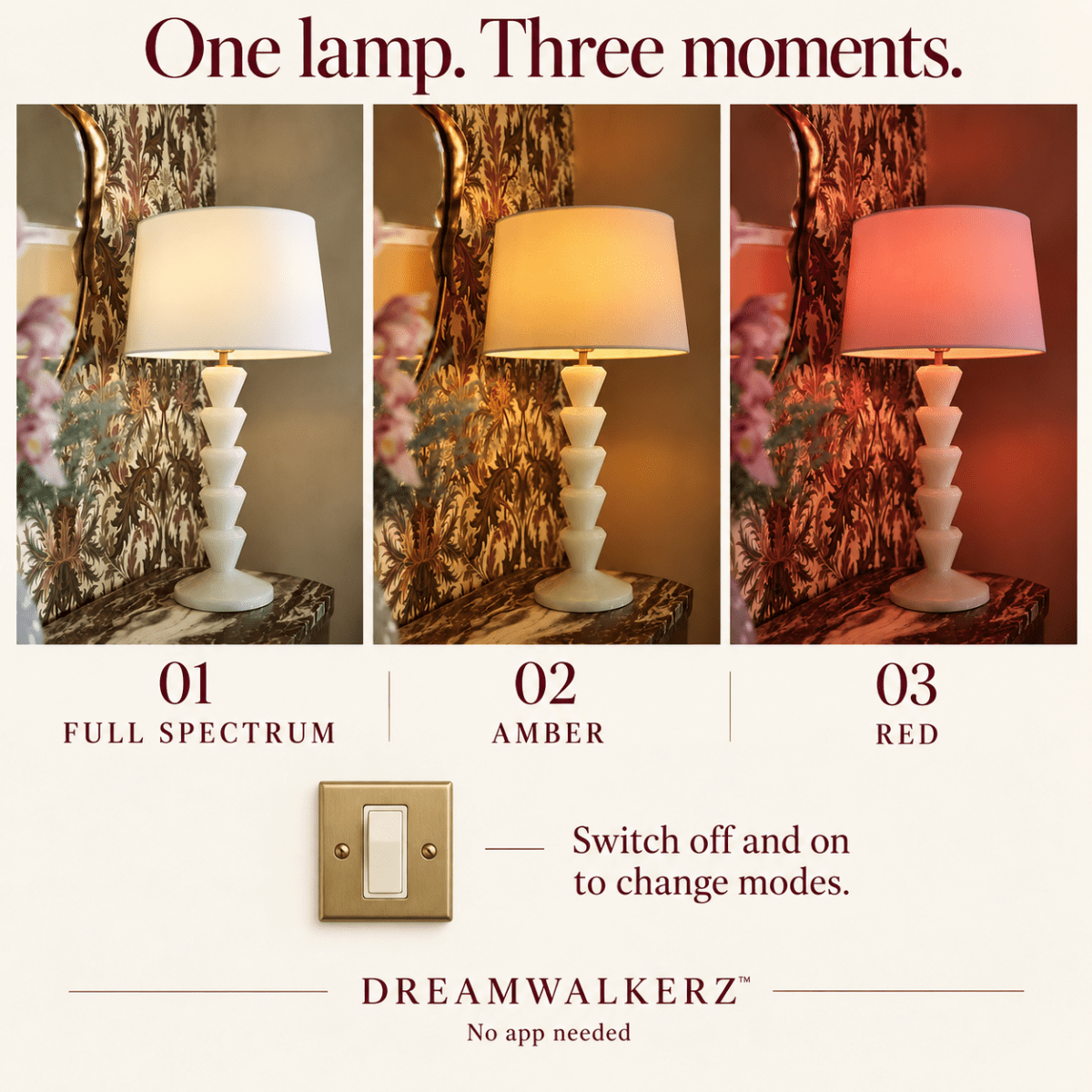
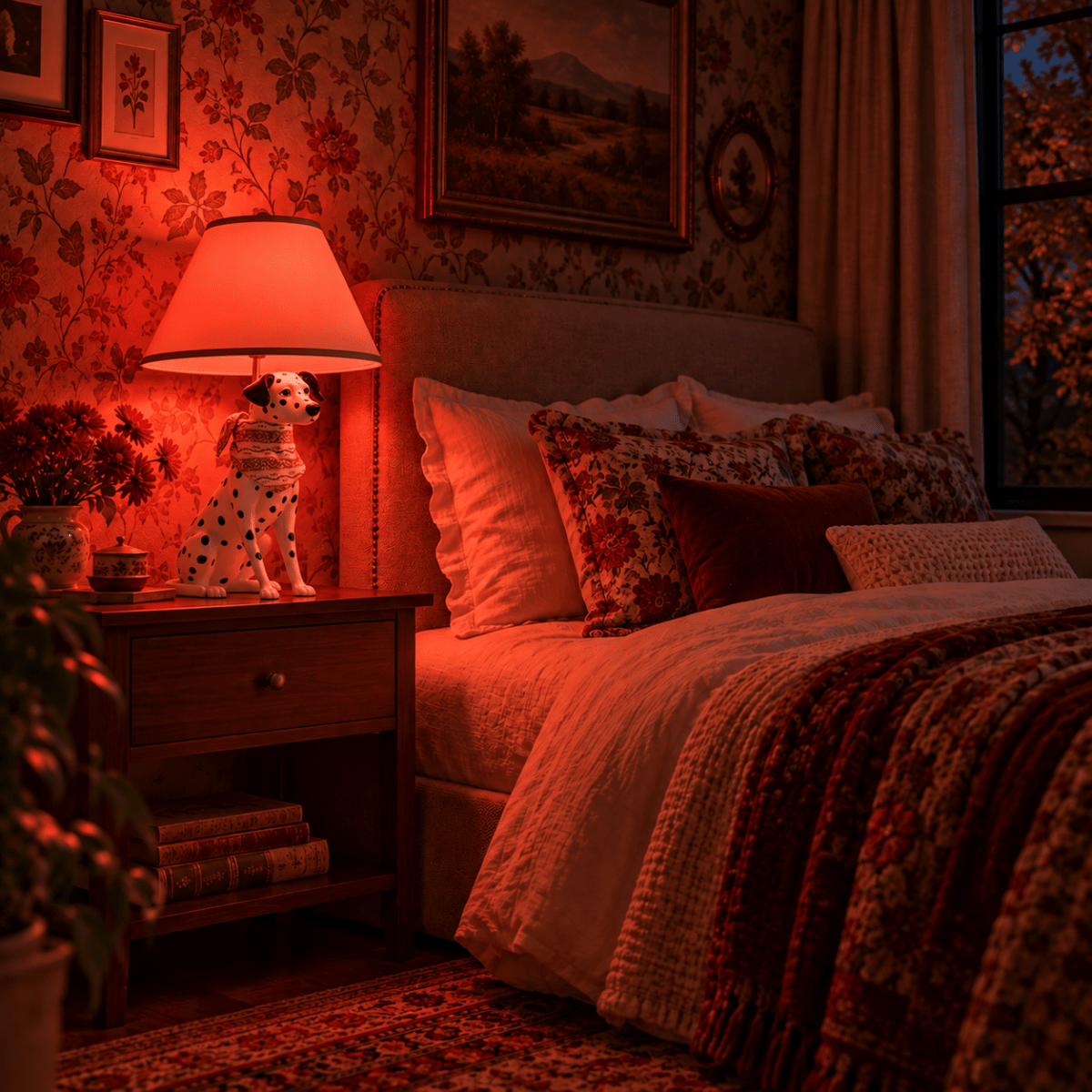
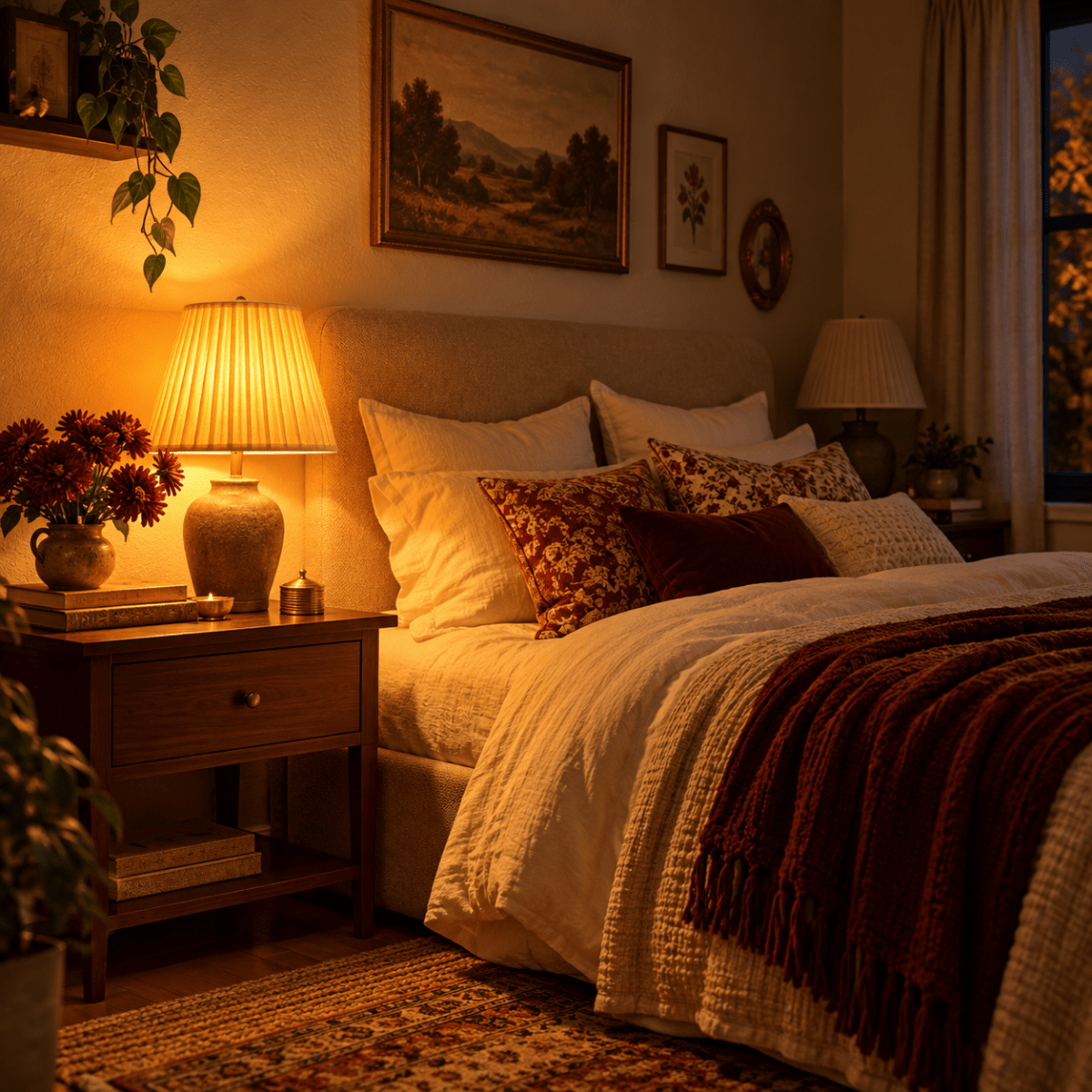
Amber lights are great for evening use, reading, and general wind-down lighting. They’re softer than regular bulbs but still give you plenty of visibility without disrupting sleep. Red lights block even more of the blue and green light spectrum, perfect for late-night use, nurseries, or any place you want to create a deeply restful environment.
Are these safe for kids and babies?
Children’s eyes are even more sensitive to blue light than adults’. Red and amber lights create a calm, sleep-friendly environment without stimulating their brains.
Do I still need blue light blocking glasses?
When your entire environment is lit with red or amber lighting, you’ve created a blue-light-free zone. That means you can go without glasses. But if you’re around screens or bright white lighting elsewhere (think: restaurants, airports, late-night TV), blue light blocking glasses are still a smart tool.
Are these lights bright enough to see?
These aren’t dim party bulbs. They’re designed for real-life usability. Whether you’re reading, walking through the hall, or journaling at your desk, the lights give you the clarity you need without stimulating your brain into “wake-up mode.”

About DreamWalkerz
Beauty sleep, redefined
DreamWalkerz’s mission is to empower you with restful sleep. Founders Thaddeus Owen and Heidi Sime transformed their own sleep through science, tech, and ancient wisdom. Now seen on TEDx and in the New York Times, they’re here to help you reclaim deep, dream-filled nights.
DreamWalkerz is a small, women-owned, family-run business based in Wisconsin.
Frequently Asked Questions About the SunCycle 3-Mode Circadian Bulb
WHY SHOULD I USE RED OR AMBER LIGHTS AT NIGHT?
After dark, bright white/blue lighting can fight your natural circadian rhythm—especially when you’re scrolling, watching TV, or under overhead LEDs. Red and amber lighting is closer to the warm spectrum your body associates with nighttime (think firelight), so you can relax, read, or move around your home without feeling overstimulated.
HOW ARE RED AND AMBER LIGHTS DIFFERENT?
If you want cozy, usable visibility for nighttime routines, amber is usually the go-to. If you wake up easily, have trouble falling back asleep, or want the most sleep-protective environment (nursery, bathroom trips, middle-of-the-night moments), red is the better choice.
WHERE SHOULD I USE THESE LIGHTS IN MY HOME?
For the SunCycle bulb specifically, start where you’re most likely to turn lights on after dark: bathroom fixtures, bedside lamps, hallways, and bedroom overhead lights. The goal is simple—make your nighttime lighting calmer so you can stay sleepy while still seeing clearly and moving safely.
DO I STILL NEED TO WEAR BLUE LIGHT BLOCKING GLASSES IF I USE RED OR AMBER LIGHTS?
Think of red/amber lighting as your “environment fix,” and glasses as your “portable backup.” Many people do both: sleep-friendly lighting at home, and glasses when they can’t control the lighting (late-night screens, travel, restaurants, airports).
ARE THESE SAFE FOR KIDS AND BABIES?
Children’s eyes can be especially sensitive to bright, blue-heavy light at night. Red/amber lighting helps keep the room soothing for feedings, diaper changes, bathroom trips, and getting back to sleep—without turning the whole house into daytime.
DO THESE FIT IN REGULAR LIGHT FIXTURES?
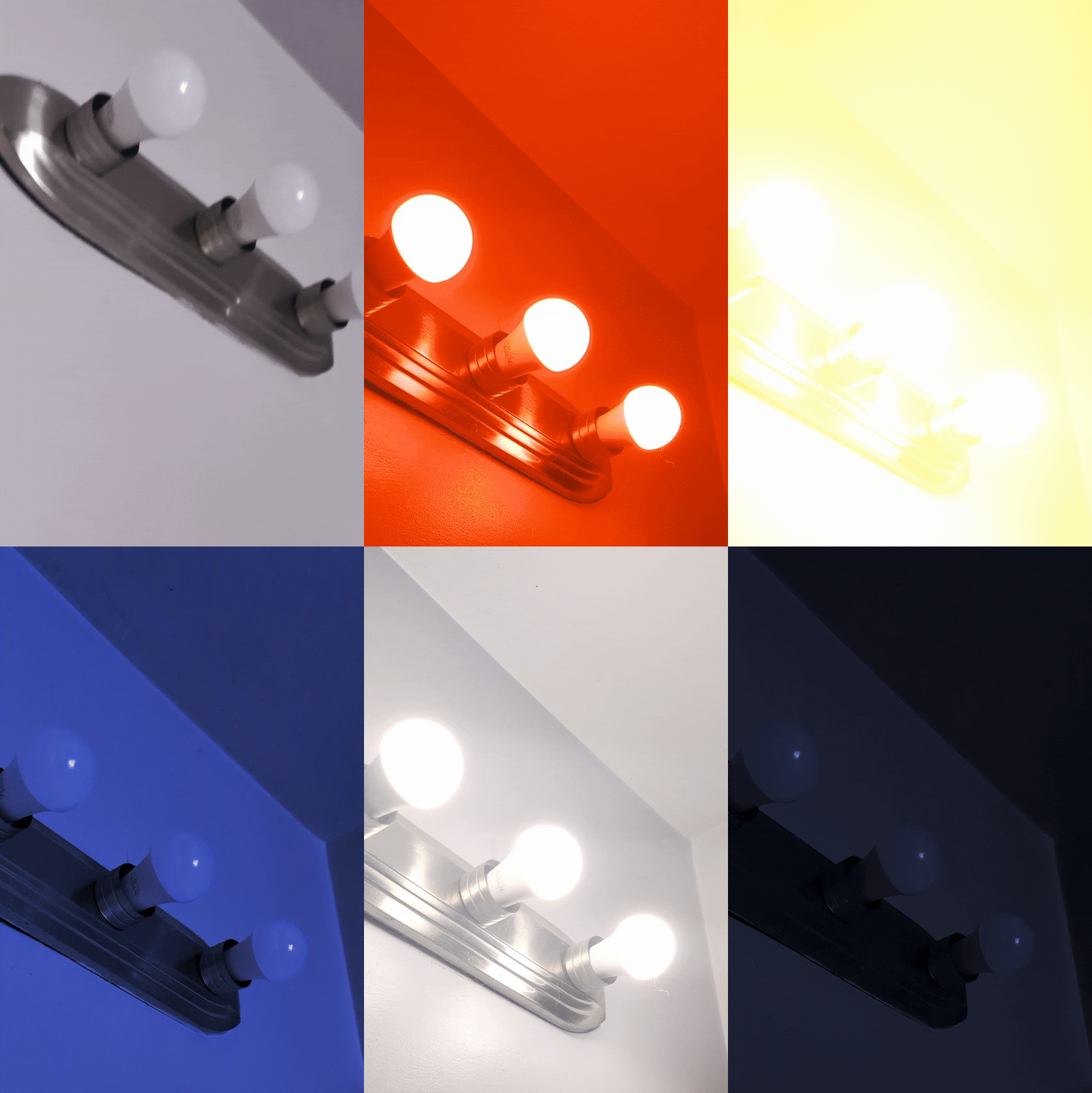
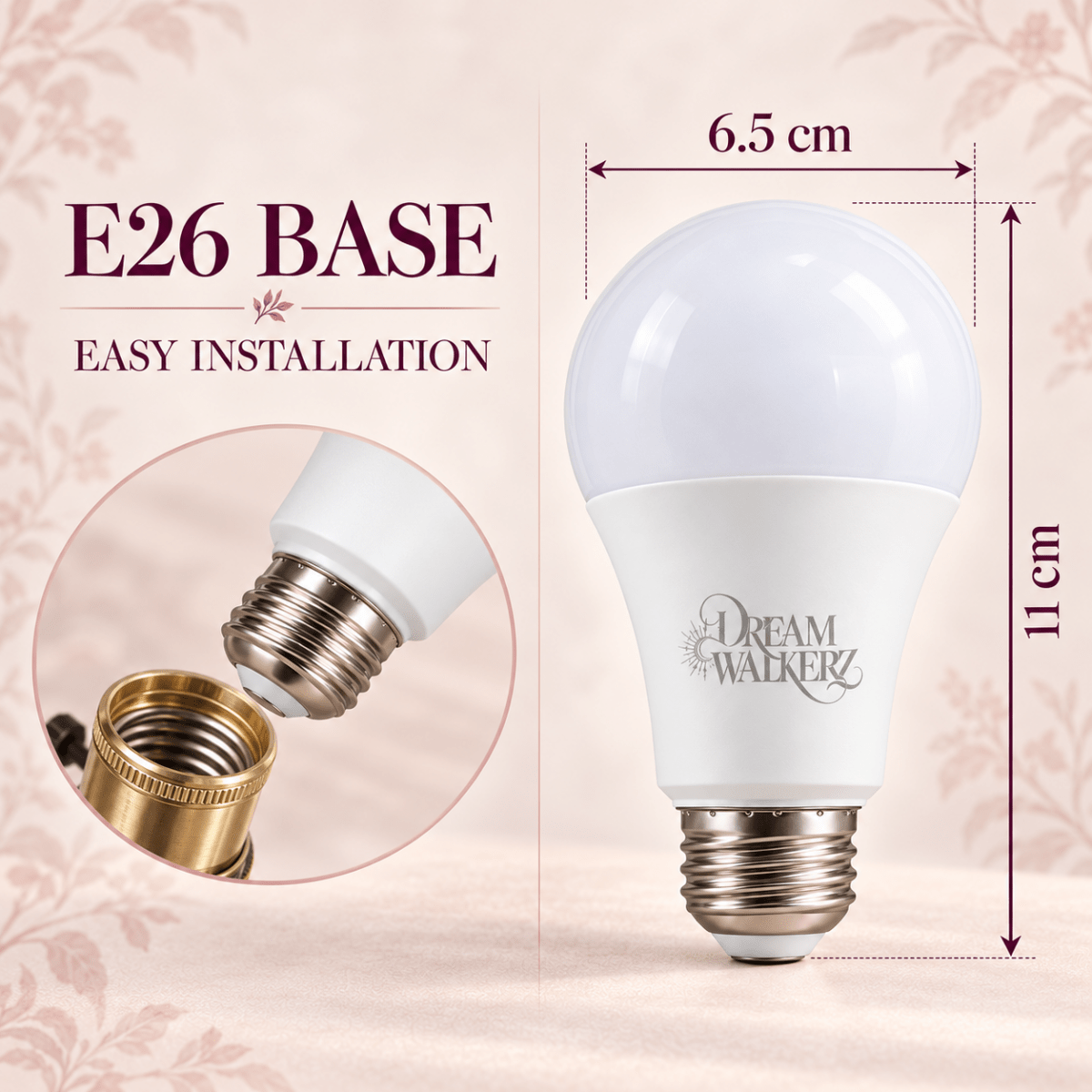
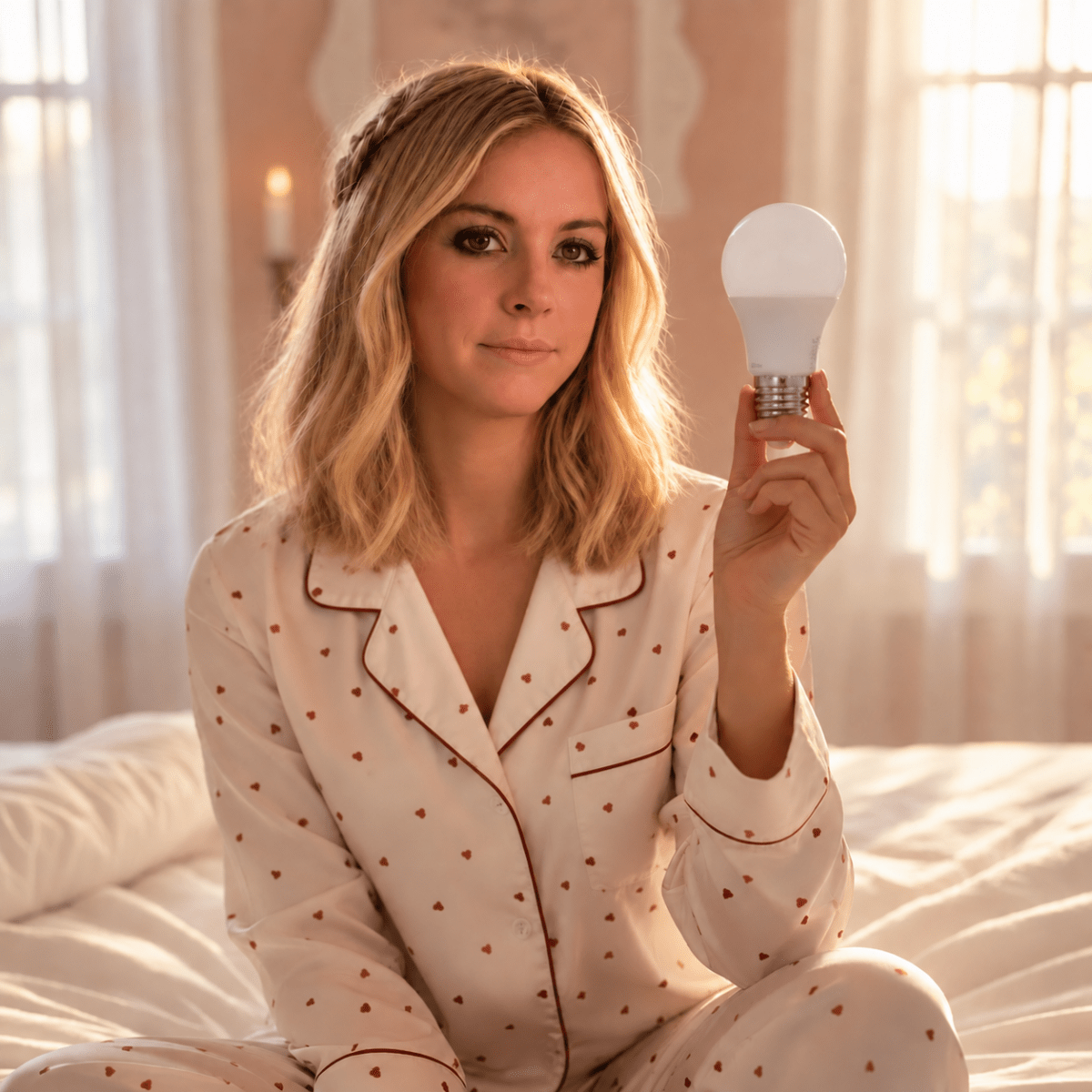
No adapters, special equipment, or complicated setup—just screw it in like a normal bulb. It’s designed to be an easy swap that instantly makes your nighttime lighting more sleep-friendly.
ARE THESE LIGHTS BRIGHT ENOUGH TO SEE?
Amber is typically bright enough for reading and evening activities, while red is intentionally calmer for late-night use when you want to stay sleepy. The point is practical clarity without triggering that “wake-up mode” feeling.