




Light and sleep
Why use red or amber lights at night?
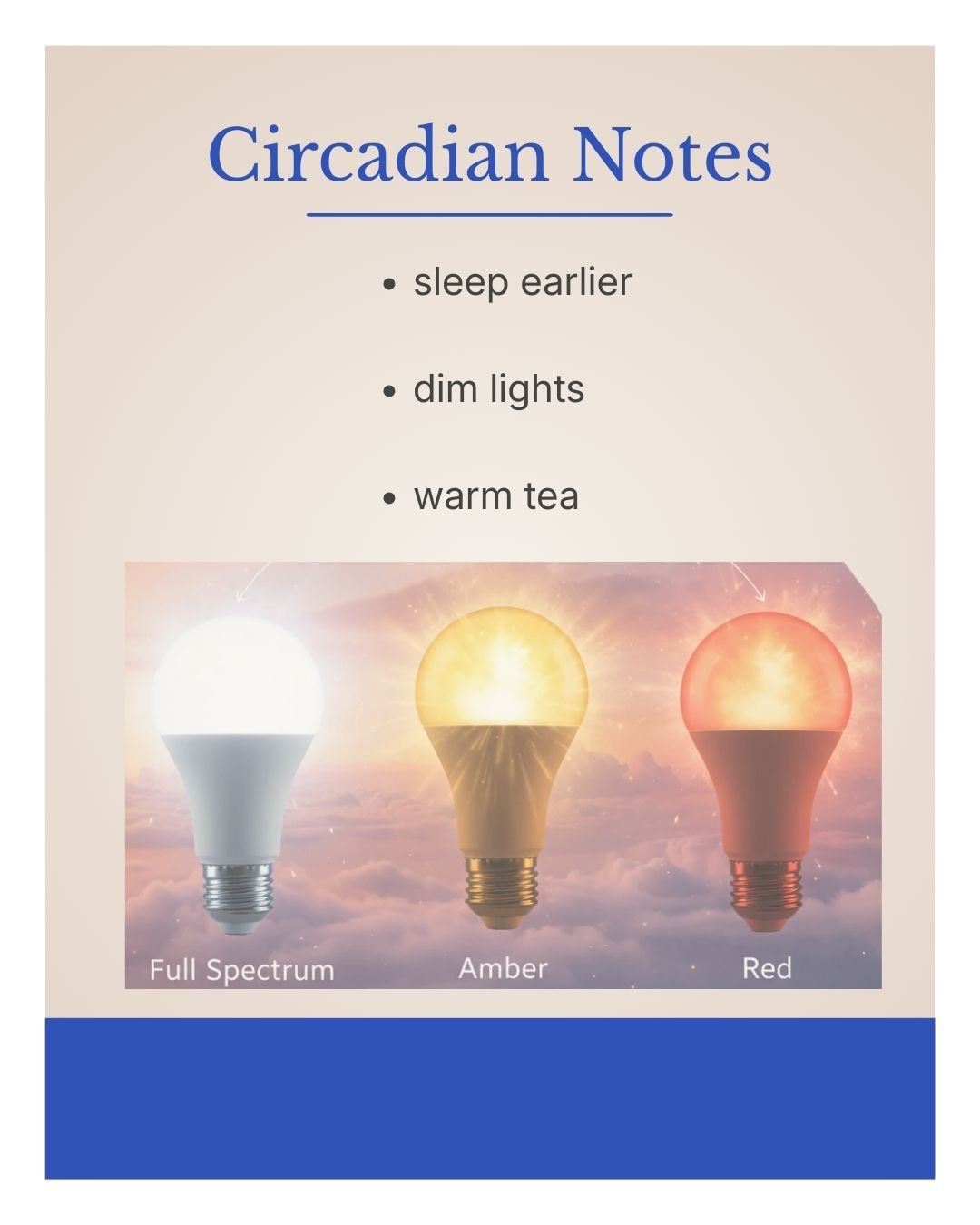
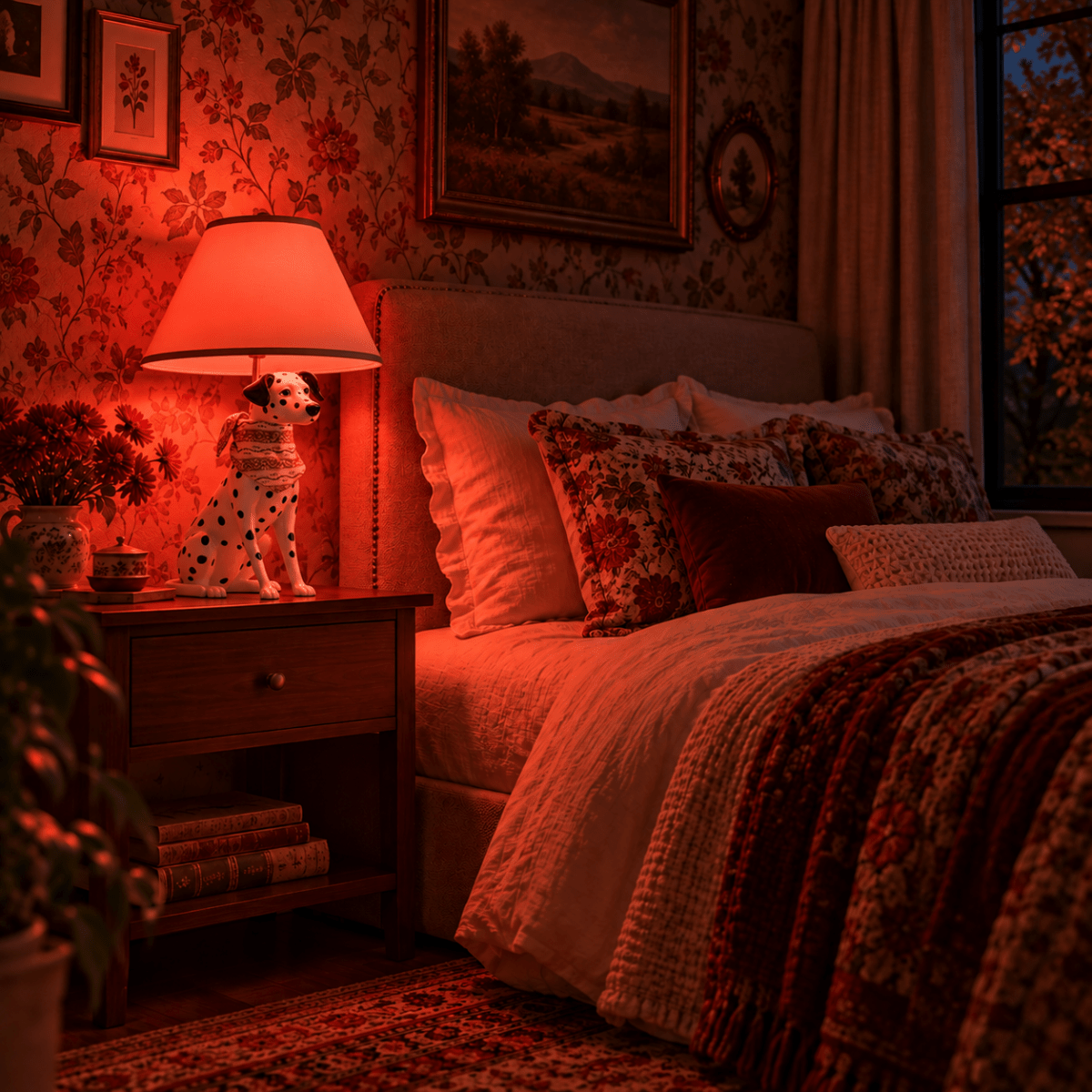
Red and amber lights mimic the natural spectrum of firelight, free of melatonin-disrupting blue wavelengths. That means your body can wind down naturally, produce the melatonin it needs, and enter deep, restorative sleep.
The American Medical Association issued a warning in 2017 about the harm from too much blue light at night.
How are red and amber lights different?
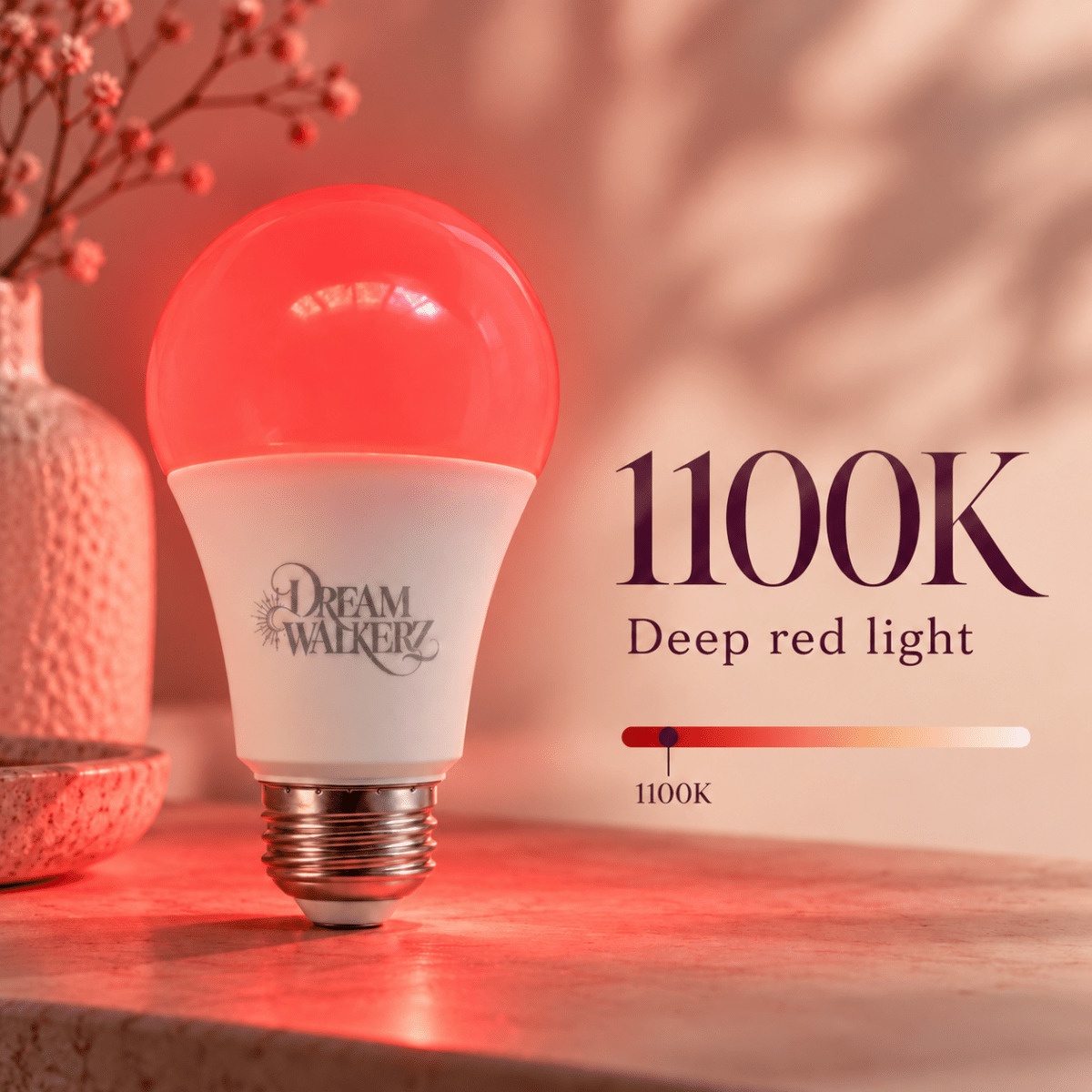
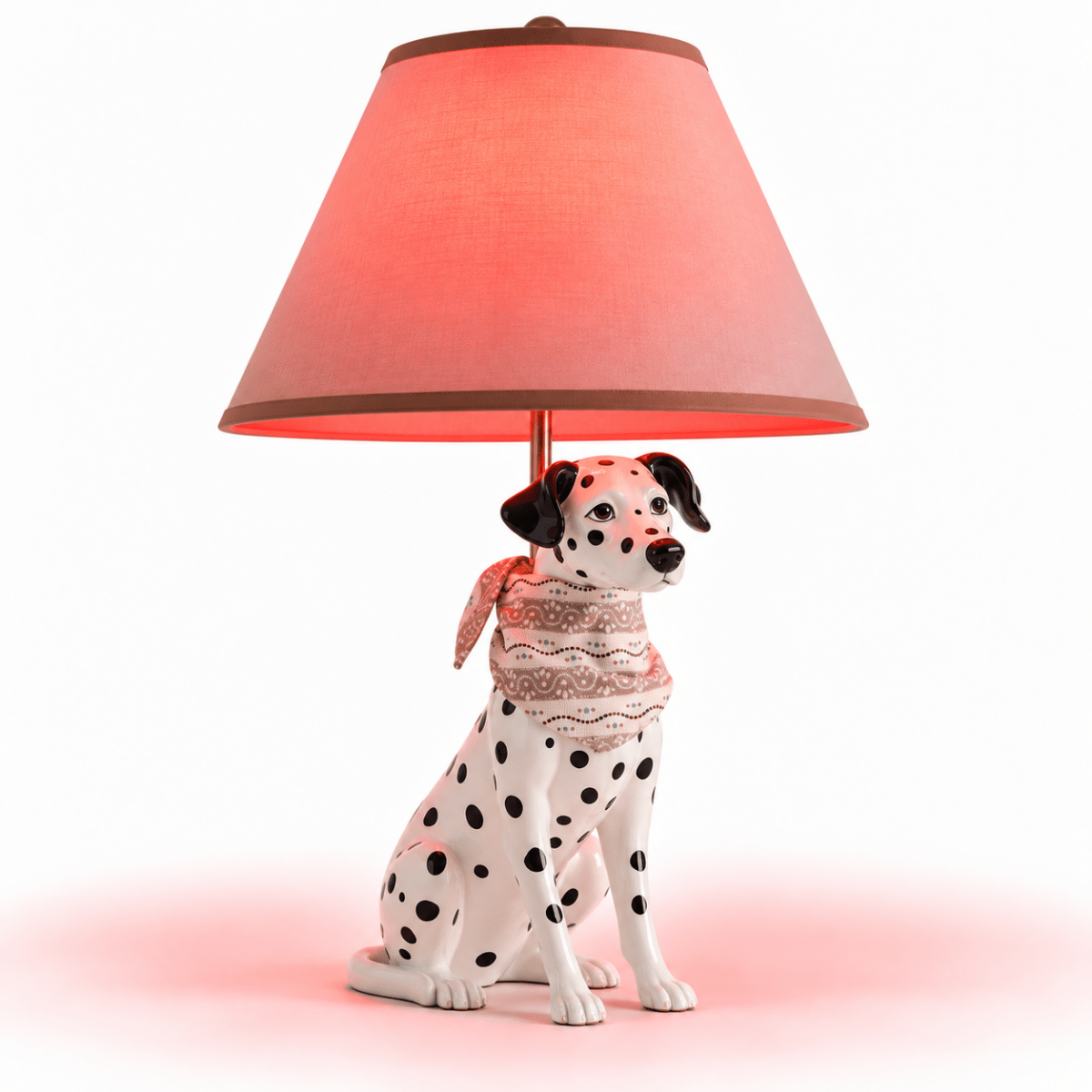
Amber lights are great for evening use, reading, and general wind-down lighting. They’re softer than regular bulbs but still give you plenty of visibility without disrupting sleep. Red lights block even more of the blue and green light spectrum, perfect for late-night use, nurseries, or any place you want to create a deeply restful environment.
Are these safe for kids and babies?
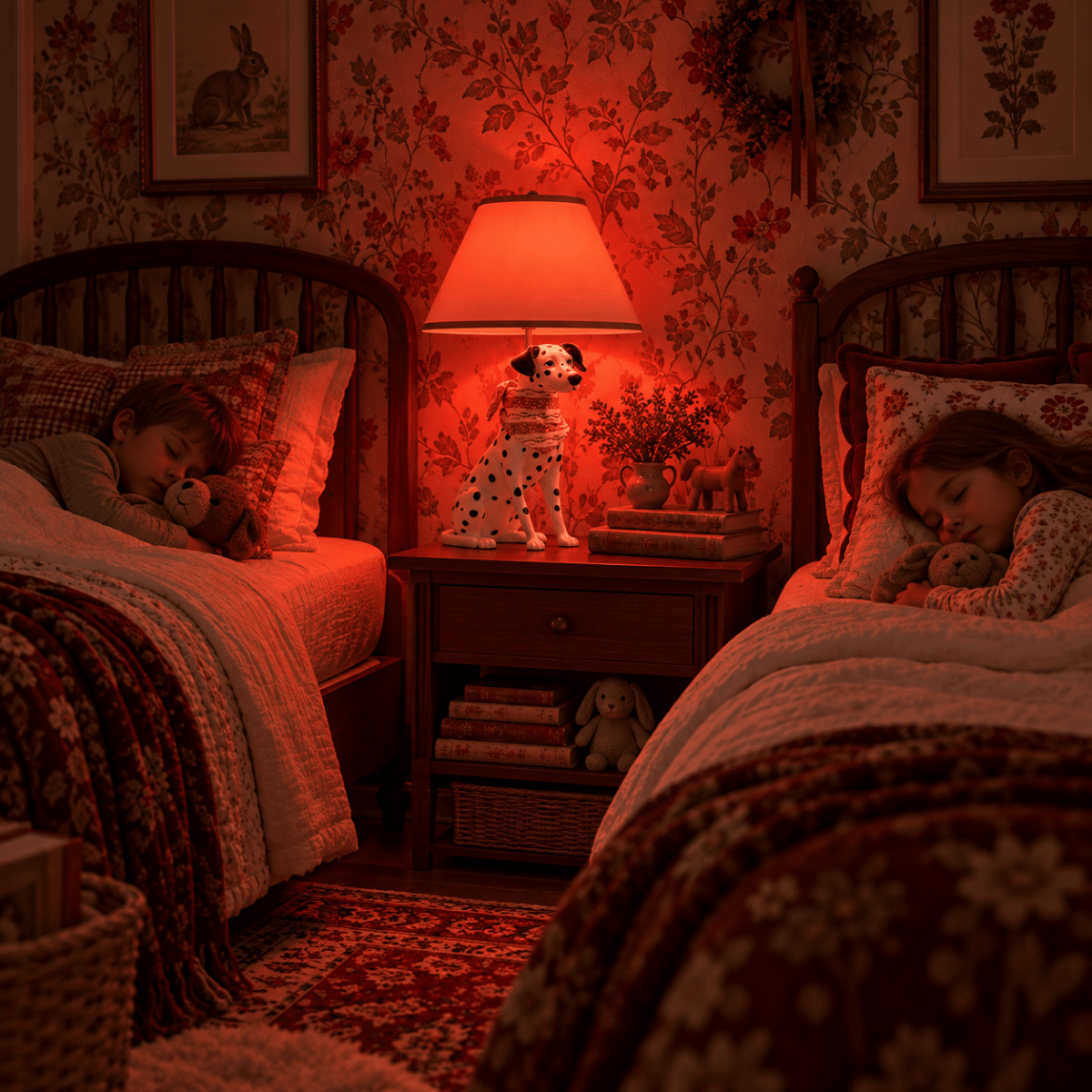
Children’s eyes are even more sensitive to blue light than adults’. Red and amber lights create a calm, sleep-friendly environment without stimulating their brains.
Do I still need blue light blocking glasses?
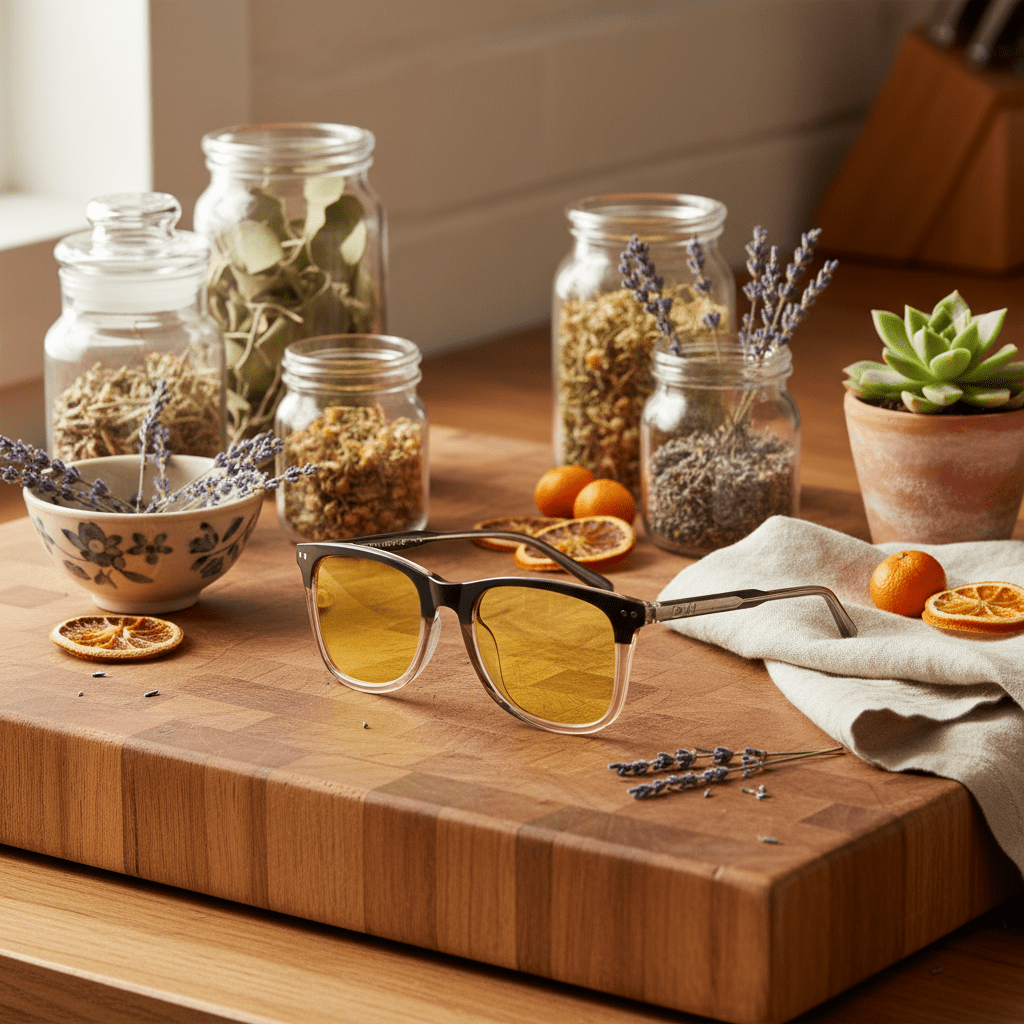
When your entire environment is lit with red or amber lighting, you’ve created a blue-light-free zone. That means you can go without glasses. But if you’re around screens or bright white lighting elsewhere (think: restaurants, airports, late-night TV), blue light blocking glasses are still a smart tool.
Are these lights bright enough to see?
These aren’t dim party bulbs. They’re designed for real-life usability. Whether you’re reading, walking through the hall, or journaling at your desk, the lights give you the clarity you need without stimulating your brain into “wake-up mode.”

About DreamWalkerz
Beauty sleep, redefined
DreamWalkerz’s mission is to empower you with restful sleep. Founders Thaddeus Owen and Heidi Sime transformed their own sleep through science, tech, and ancient wisdom. Now seen on TEDx and in the New York Times, they’re here to help you reclaim deep, dream-filled nights.
DreamWalkerz is a small, women-owned, family-run business based in Wisconsin.